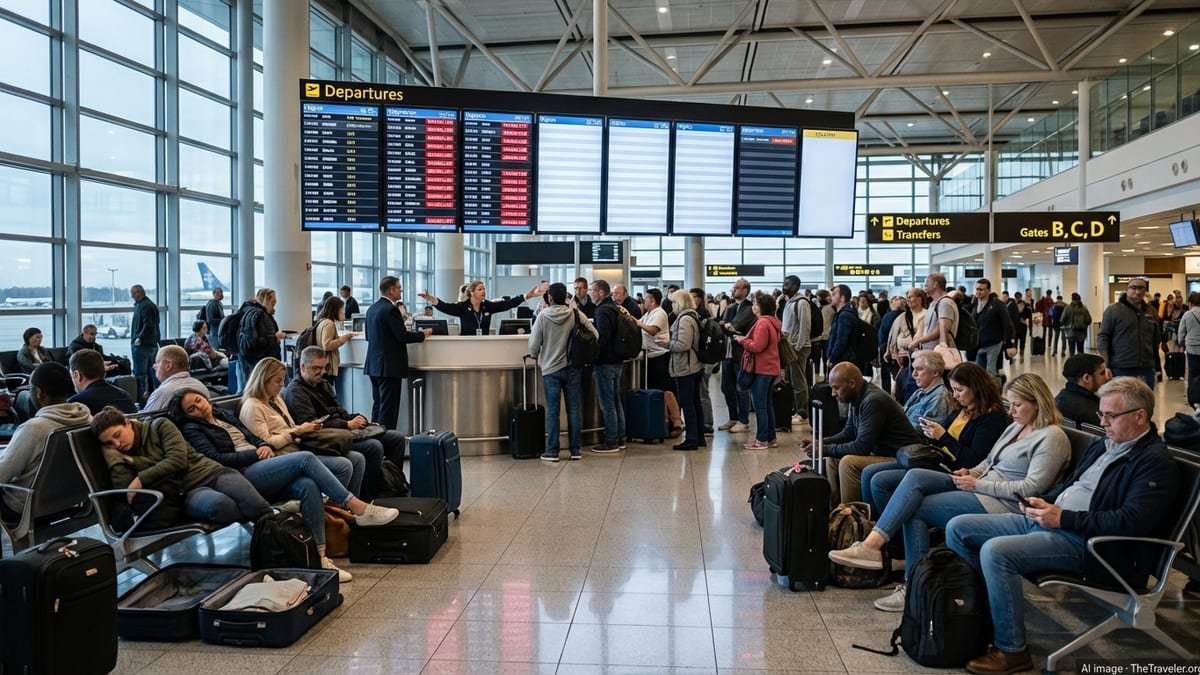
The United States has tightened travel warnings across 13 countries in the Middle East, updating advisories in late October 2026 to reflect heightened risks from missile and drone attacks linked to Yemen’s Houthi movement, broader tensions with Iran and the possibility of sudden disruption to commercial air travel across the region.
Get the latest news straight to your inbox!
Advisories Updated in Late October Amid Escalating Threats
Publicly available State Department data and regional media coverage indicate that travel advisories were refreshed on October 23 for 13 countries: Bahrain, Iran, Iraq, Israel, Jordan, Kuwait, Lebanon, Oman, Qatar, Saudi Arabia, Syria, the United Arab Emirates and Yemen. The revised notices emphasize terrorism, armed conflict and civil unrest, along with concerns about kidnapping and the limited ability of U.S. personnel to assist citizens outside major urban centers or in border areas.
The advisory for Saudi Arabia, one of the most closely watched in recent weeks, urges travelers to reconsider nonessential visits due to the risk of drone and missile targeting of American interests by Iran and Iranian‑aligned Houthi forces, as well as armed conflict and terrorism. The notice also warns against travel near the Yemeni border, where the security situation remains volatile and access for consular support is often severely restricted.
According to coverage from regional outlets and international broadcasters, the updates come in the wake of a deadly strike on Riyadh’s King Khalid International Airport on October 10, attributed to Yemen’s Houthi movement. Reports indicate that the attack killed at least 13 people, including one American citizen, and injured hundreds more, underscoring official concern about threats to civilian aviation and crowded public spaces.
In parallel, broader consular information pages for the Middle East point to a sustained period of instability since the escalation of conflict between the United States, Israel, Iran and various non‑state actors earlier in 2026. Advisories for Iran and Syria remain at the highest “Do Not Travel” level, while many neighboring countries are listed at “Reconsider Travel,” reflecting a regionwide posture that leans strongly against discretionary trips.
Focus on Flight Disruptions and Airport Security
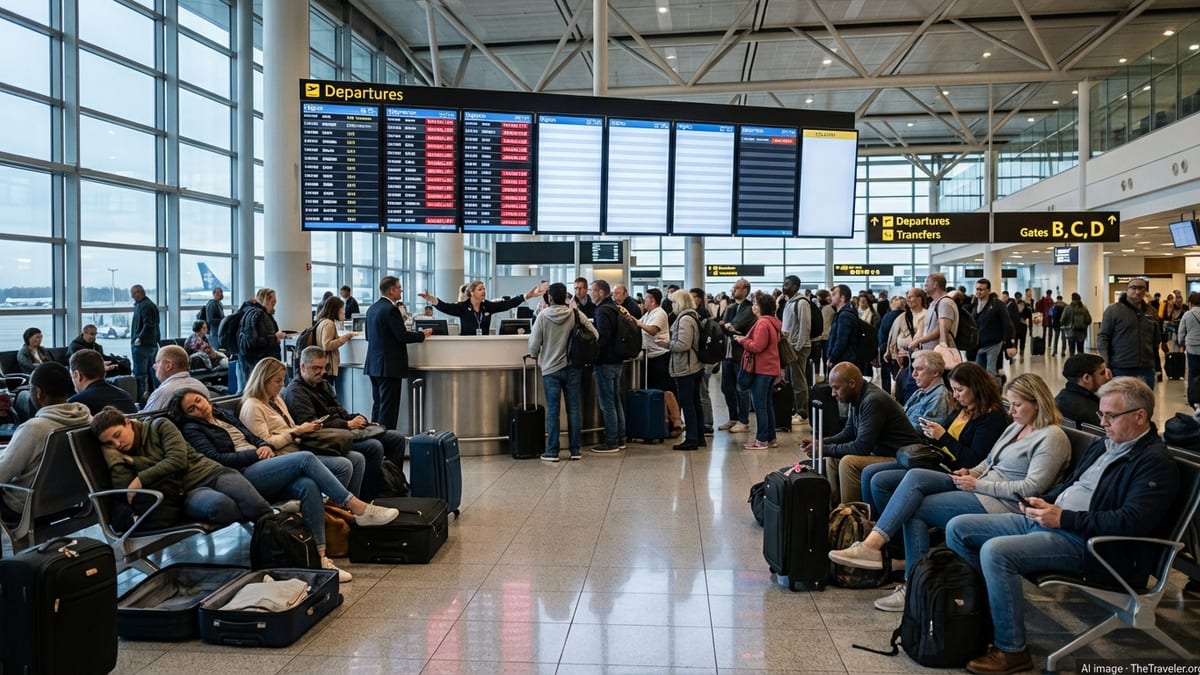
Recent security alerts circulated by U.S. missions in the Gulf and Levant, summarized in local news reports, warn Americans to prepare for flight cancellations, periodic airspace closures and sudden changes to airport operations. Travelers are being urged to maintain flexible itineraries, keep essential items in carry‑on luggage and stay in close contact with airlines in case routes are suspended or schedules sharply reduced.
Information from Qatar‑based and regional news outlets describes alerts issued around October 18 to 20 in Saudi Arabia, Bahrain, Qatar and the United Arab Emirates, among others, highlighting the risk that attacks could extend beyond currently affected areas. The alerts also emphasize that hostilities can intensify with little or no warning, leaving limited time for travelers to adjust plans or seek alternative exit routes.
On official advisory pages, the Saudi Arabia notice now explicitly references the possibility of disruptions to civil aviation and local transport. Similar language appears across several Gulf states, where authorities are balancing the need to keep major air hubs functioning with increased security measures around terminals, fuel facilities and airspace corridors viewed as potential targets for missile or drone activity.
Risk consultancies tracking the situation note that even countries not directly hit by recent attacks have faced knock‑on effects, including temporary diversions, longer flight paths to avoid contested airspace and elevated insurance costs for carriers operating in and out of the region. For passengers, this has translated into extended journey times, compressed rebooking options and, in some cases, abrupt changes in transit points.
Embassy Staffing Cuts and Limits on Consular Support
Published reporting from international wire services shows that the tightening of travel advisories is occurring alongside adjustments to U.S. diplomatic staffing. In the past week, the State Department has ordered the departure of some nonessential personnel and family members from Saudi Arabia following repeated Houthi attacks and concerns about further escalation.
Separate coverage describes reduced staffing or temporary reconfigurations at U.S. embassies in Jordan, Lebanon, Qatar and the United Arab Emirates, part of what analysts portray as a broader effort to limit the exposure of government employees while maintaining core consular and security functions. In some locations, routine visa and citizen‑services appointments have been curtailed or postponed as missions prioritize emergency assistance and security coordination.
The updated advisories and security alerts repeatedly stress that, in several of the 13 countries, the capacity of U.S. officials to provide emergency help outside major cities, near borders or in areas experiencing active conflict is severely constrained. Travelers are advised in public materials to have personal contingency plans that do not rely on government‑organized evacuations, including arrangements for alternative accommodation and routes out of the country if commercial flights are disrupted.
According to summaries of consular guidance, citizens are encouraged to enroll in the government’s traveler notification program so they can receive security messages by email or text. Such messages, which have been sent in increasing volume since mid‑2026, often include specific references to cities, neighborhoods or transport hubs where the threat picture has deteriorated.
Country‑by‑Country Risk Levels Across the Region
The 13 affected countries span a range of advisory levels, but all are currently subject to heightened warnings. Publicly available travel‑advisory information classifies Iran, Syria and Yemen as “Do Not Travel” destinations, citing risks that include terrorism, civil unrest, wrongful detention and the possibility of armed clashes involving state and non‑state actors. For these locations, the guidance states that the U.S. government has limited or no ability to provide routine consular services and that citizens already present should consider departing when it is safe to do so.
Saudi Arabia is listed at “Reconsider Travel,” reflecting concerns about drone and missile attacks, armed conflict and terrorism, together with exit bans and stringent local laws. Lebanon and Iraq carry similar cautionary language given the presence of armed groups, periodic street violence and the risk that regional tensions could trigger rapid shifts in security conditions, particularly in border areas and parts of major cities.
Gulf states such as Bahrain, Kuwait, Oman, Qatar and the United Arab Emirates are generally considered more stable than active conflict zones but nonetheless appear with advisory language stressing the potential for spillover from hostilities involving Yemen’s Houthi movement and Iran. The notices highlight the possibility of protests, targeted attacks on facilities associated with the United States and new restrictions on movements of diplomatic personnel that may indirectly affect the support available to private travelers.
Israel and Jordan, both longstanding destinations for religious and cultural tourism, are covered by updated guidance that reflects the impact of the wider regional confrontation that intensified in early 2026. Public documents originating from the U.S. mission in Jerusalem earlier this year described limitations on the ability to move personnel in and out of certain areas, while more recent materials advise travelers to be prepared for delays on key highways and at crossing points due to security checkpoints and intermittent closures.
What Travelers Can Do Now
For Americans with imminent plans to visit the Middle East, the latest advisories underscore the importance of closely monitoring official information channels before departure and throughout a trip. Travelers are urged in publicly available guidance to review the full text of each country advisory, pay attention to sections detailing specific regions to avoid and follow local news reports for updates on incidents that could influence routes, accommodation choices or the safety of tourist sites.
Security analysts quoted across multiple open reports recommend that travelers maintain a low profile, avoid large gatherings and demonstrations, and keep friends or family informed of their movements. In higher‑risk locations among the 13 countries, some corporate and institutional travelers are turning to specialized security providers for advance route planning, secure ground transportation and contingency evacuation planning in case airspace is suddenly closed.
Insurance industry briefings point out that some standard travel‑insurance policies exclude coverage for events related to war or terrorism, making it important for individuals and organizations to review policy language carefully before departure. Where available, policies that specifically include political‑risk or security‑evacuation coverage may offer additional protection, although published materials indicate that premiums for such coverage have risen since the latest round of attacks.
Despite the tightening of warnings, travel across the Middle East has not ceased altogether. Airlines continue to operate to major hubs, and many travelers with essential business, family or humanitarian reasons to visit the region are still flying. The updated advisories, however, signal that nonessential tourism faces a more uncertain environment, with governments, carriers and passengers all navigating a rapidly shifting security landscape as the situation develops week by week.