With Sunrise on the Reaping pulling us back into Suzanne Collin’s dystopian world, we’re once again stepping into the complex and unsettling society of Panem. But we’re not here to dissect its oppressive regimes and the brutality of the games. Instead, we’re turning our gaze towards fashion and how it became a dominant language through which power, identity, and resistance are conveyed from the Capitol all the way to the districts.
Effie Trinket
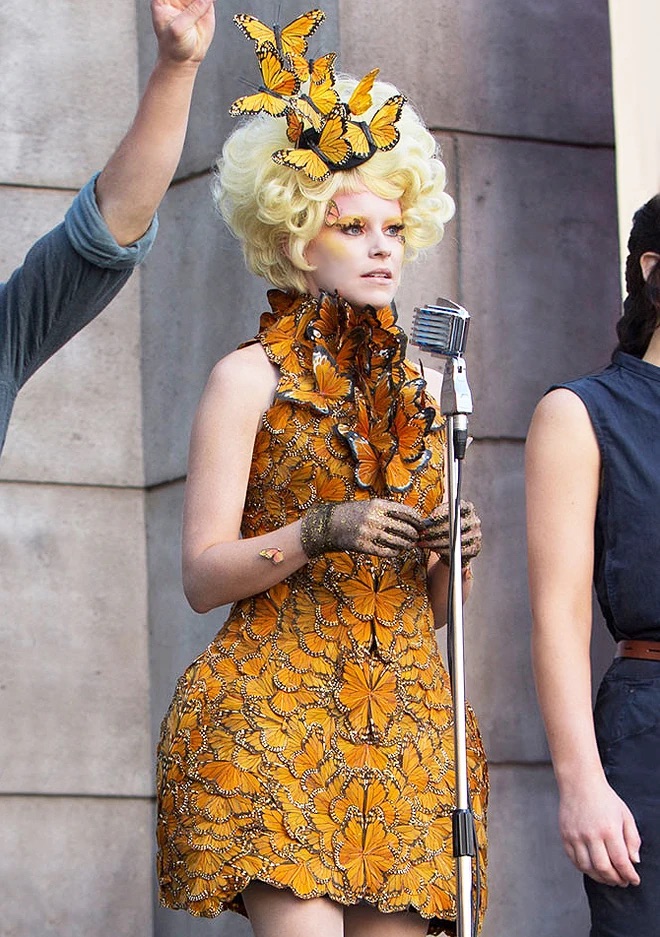
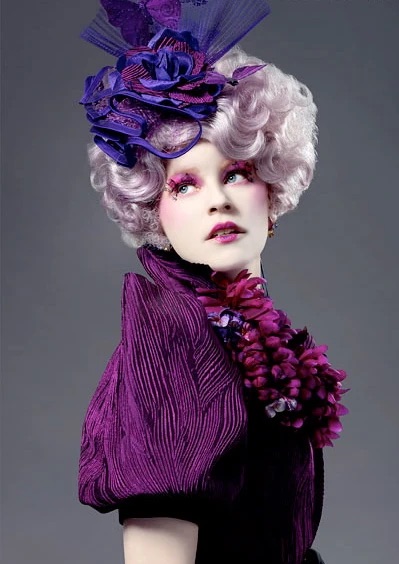
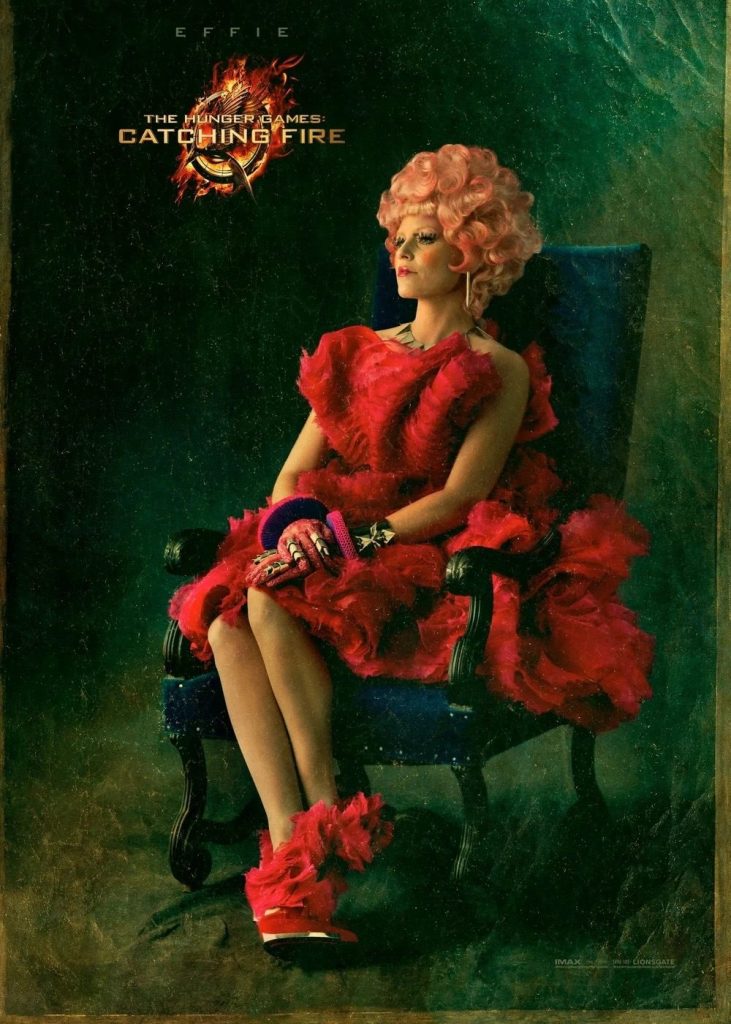
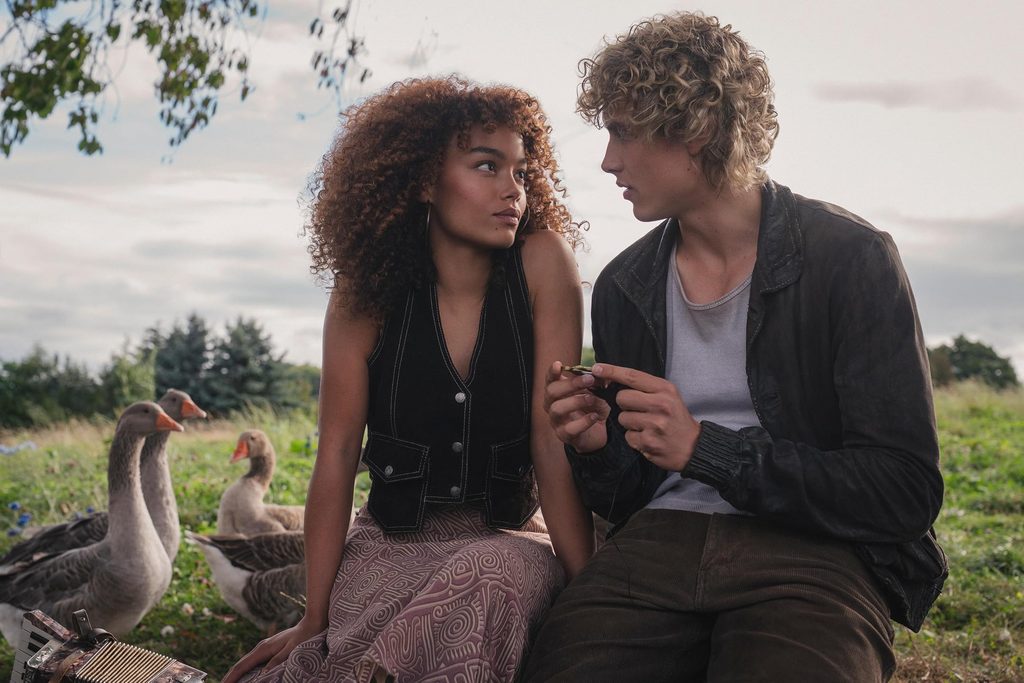
When we think of a fashion icon in The Hunger Games franchise, the dazzling name that comes to mind is undoubtedly Effie Trinket. Posh, poised, and wonderfully eccentric, Effie was assigned as an escort to District 12, the poorest district in Panem.
But Effie is more than just a living mannequin made to showcase the Capitol’s ever-changing trends. She is a symbol of everything the districts are denied: comfort, extravagance, and the freedom to indulge in frivolity without consequences. Her wardrobe, with its playful silhouettes, theatrical embellishments, and wild colours, embodies a kind of carefree that seems almost alien to those who live beyond the Capitol’s walls.
One of her most memorable ensembles appears at the Third Quarter Quell reaping in The Hunger Games: Catching Fire. Here, Effie dons a dress adorned with monarch butterflies in gilded shades of gold and orange. What’s particularly interesting about her garment is the way the butterflies are arranged to create an illusion of movement. They begin flat against her body before gradually appearing to flutter upwards towards her neck, culminating in a headpiece that suggests the butterflies are taking flight.
On any other occasion, the dress would’ve simply looked magnificent. Butterflies are often associated with transformation, freedom and hope. But at a reaping, where children are selected randomly in a lucky draw to compete in a televised battle of certain death, it can be quite unsettling.
There’s a sense of cruelty in the Capitol’s manner of using vivid symbols of freedom on days of utmost suffering. It’s rather like dangling a piece of candy in front of a helpless child, only to snatch it away just as they reach for it.
President Coriolanus Snow
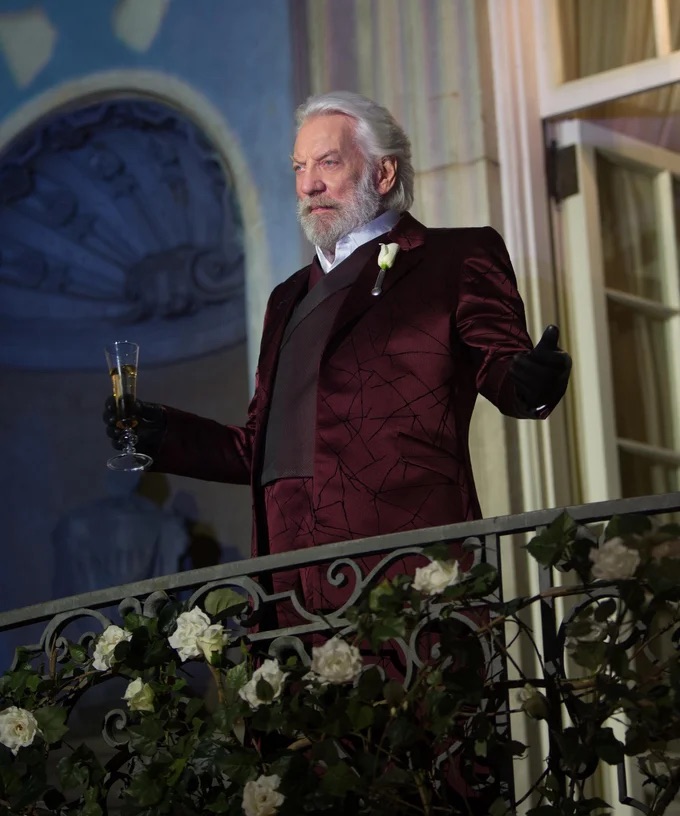
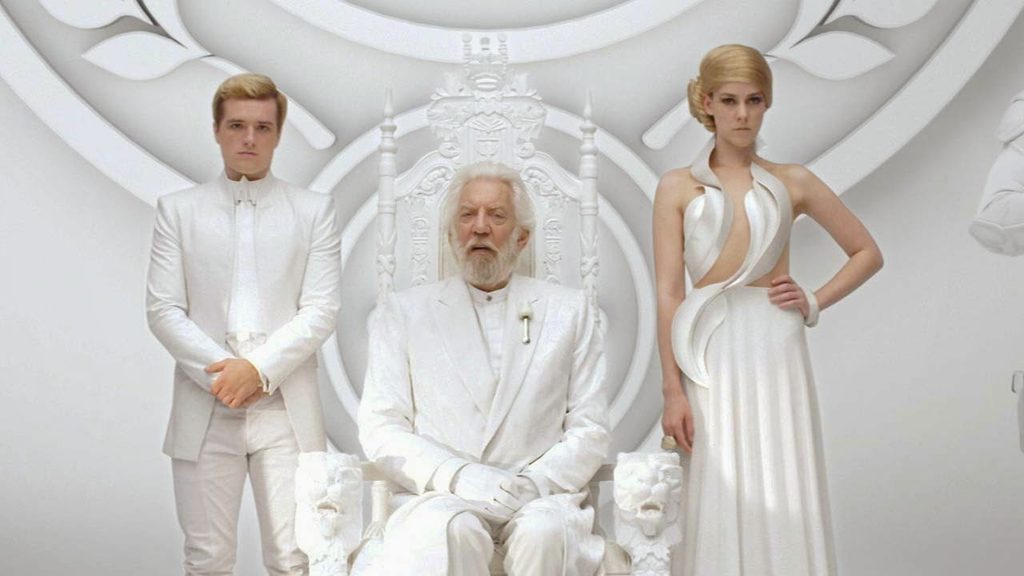
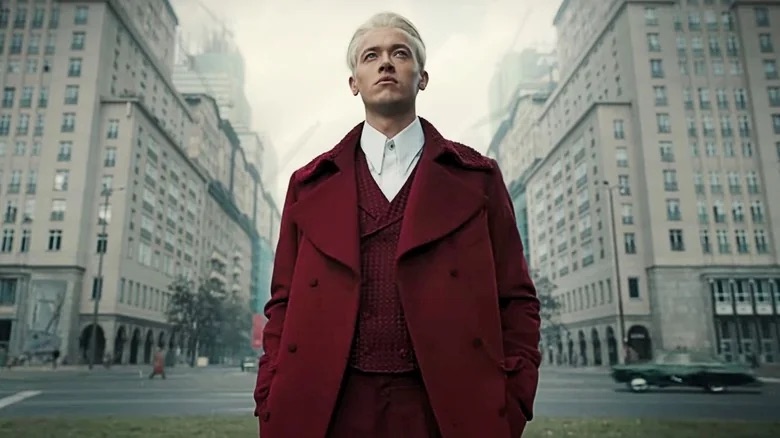
“Nothing says perfection like white.” Few characters embody this sentiment in the way President Coriolanus Snow does. While white isn’t necessarily the only colour in his wardrobe, it is perhaps the one that best captures the image he wishes to project upon the districts: perfection, authority, and an untouchable sense of superiority.
Snow doesn’t participate in the flamboyance of the Capitol’s citizens: he doesn’t rely on extravagant silhouettes or theatrical displays to command attention. His wardrobe is built around clean lines, structured suits and impeccably tailored coats, a direct reflection of his calculated political manoeuvres. There’s a stunning severity in the way he dresses; it isn’t expressed through excess, but through restraint.
Instead, his visual language is expressed through the colours he chooses. His wardrobe frequently returns to a controlled palette of crimson, black, and white, completed by his signature white rose. Crimson represents carnage and blood he’s willing to spill in his conquest for control, black represents authority and government, while white represents perfection and purity. The white rose, in particular, whispers a contradiction: a delicate, almost romantic flourish worn by a man whose rule is anything but gentle.
Lucy Gray Baird
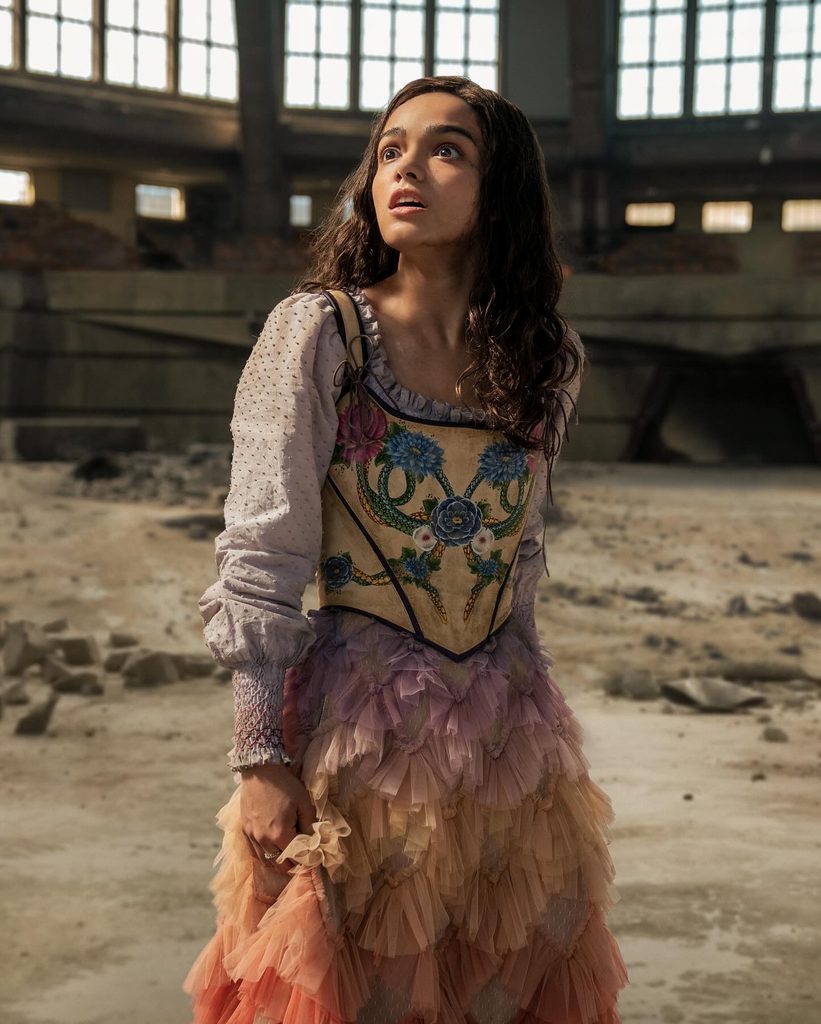
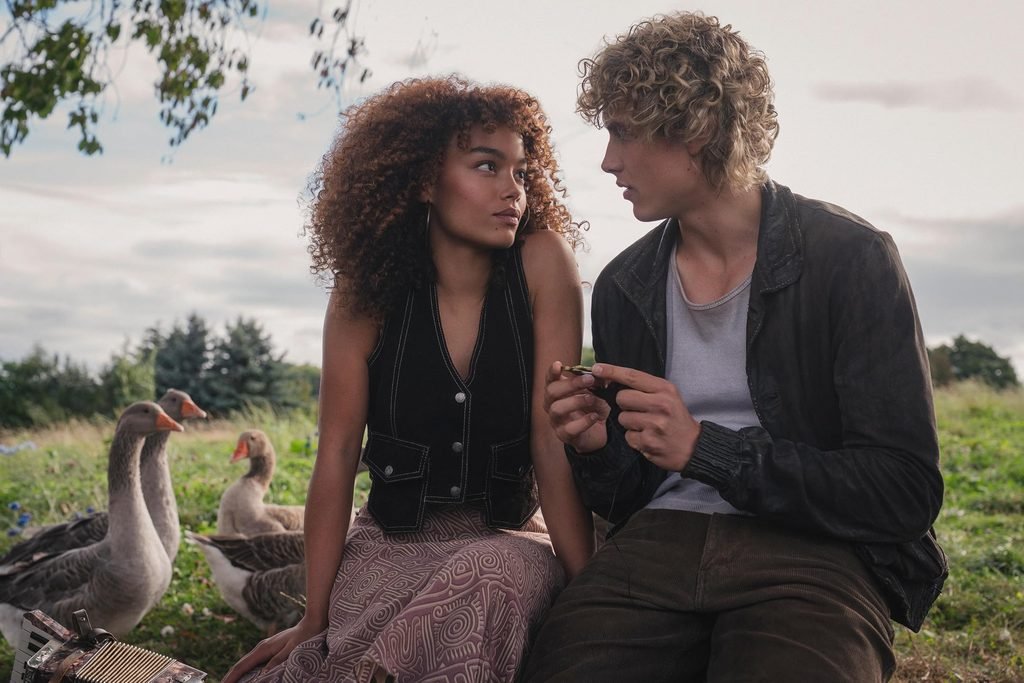
Lucy Gray Baird is a particularly interesting case. As the victor of the 10th Hunger Games and District 12’s first, she arrived in the Capitol when flamboyance and expression were marked differently than they were decades later. Its upper classes favoured structured suits, tailored blazers and restrained palettes, with any displays of colour often dismissed as something closer to clownery than luxury. Arguably, the Capitol’s aesthetic mirrors more of what President Snow would later come to embody.
Lucy Gray, however, arrived in a rainbow made up of tiered ruffles in a spectrum of colours and a corseted bodice decorated with floral motifs that made her impossible to overlook. But the dress was more than just to garner eyes. It was her mother’s, and Lucy Gray wore it as a way of keeping her close, almost like having her mother embrace her wherever she went.
Colour was also not alien to her. As a member of the Covey, a nomadic community of performers, Lucy Gray understood that colour and spectacle were all part of showmanship and her cultural identity. For her, the rainbows weren’t just for show: they were one of the few things that tied her back to the people she calls home.
In that sense, her influence on the Capitol’s fashion goes beyond simply colourful expression. She represents a kind of sincerity that existed long before the Capitol learned to package it as a spectacle.
Katniss Everdeen
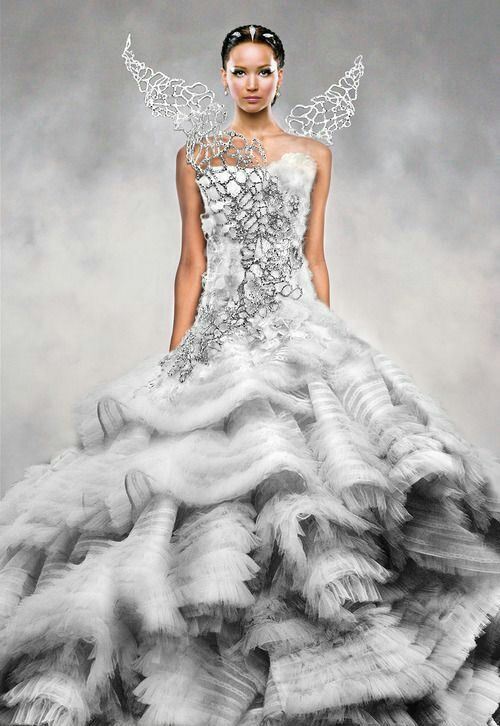

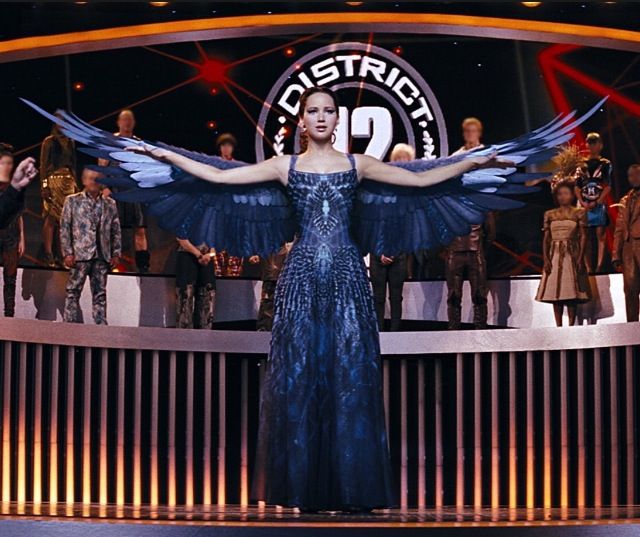
Katniss wasn’t exactly a style icon. She’s manufactured to be one, either by Capitol or Rebel hands. Her actual sense of style is rather practical, not that she has a choice. The impoverished circumstances of District 12 don’t necessarily give room to explore one’s sense of fashion. Her father had taught her to hunt in secret beyond the district’s fences, and Katniss learned to dress for survival long before she was ever reaped into the games. Her wardrobe consists of rugged outerwear, utility jackets, sturdy boots, and knitted cowls, all suited to the unforgiving terrains that she calls home.
Her role in fashion develops significantly when she gains political importance. Following her victory in the 74th Hunger Games, Katniss became a narrative that both the Capitol and the rebellion seek to control. In an attempt to undermine her growing symbol as the beacon for the rebellion, President Snow had her don an elaborate white wedding gown during the Third Quarter Quell interviews in Catching Fire. The message is simple: Katniss is on his side, grateful and loyal to the Capitol instead of the districts. The white dress is a remarkable choice: he projects his colour onto the things he wishes to control, almost as if you see a glimpse of the government before you see Katniss.
But this carefully constructed narrative doesn’t quite survive the evening. With the help of Cinna, Katniss’ stylist, the wedding gown transforms into a sleek midnight-coloured dress with feathered wings, evoking the Mockingjay: the very symbol that has come to represent the Capitol’s failures and the growing rebellion against it. In a brief spin, the flawless image Snow curated turns into an unmistakable emblem of defiance.
It’s political messaging at its most spectacular. Katniss may not have chosen to become a fashion icon, but her wardrobe was among the catalysts through which Panem’s competing forces shaped public perception.
Tigris Snow
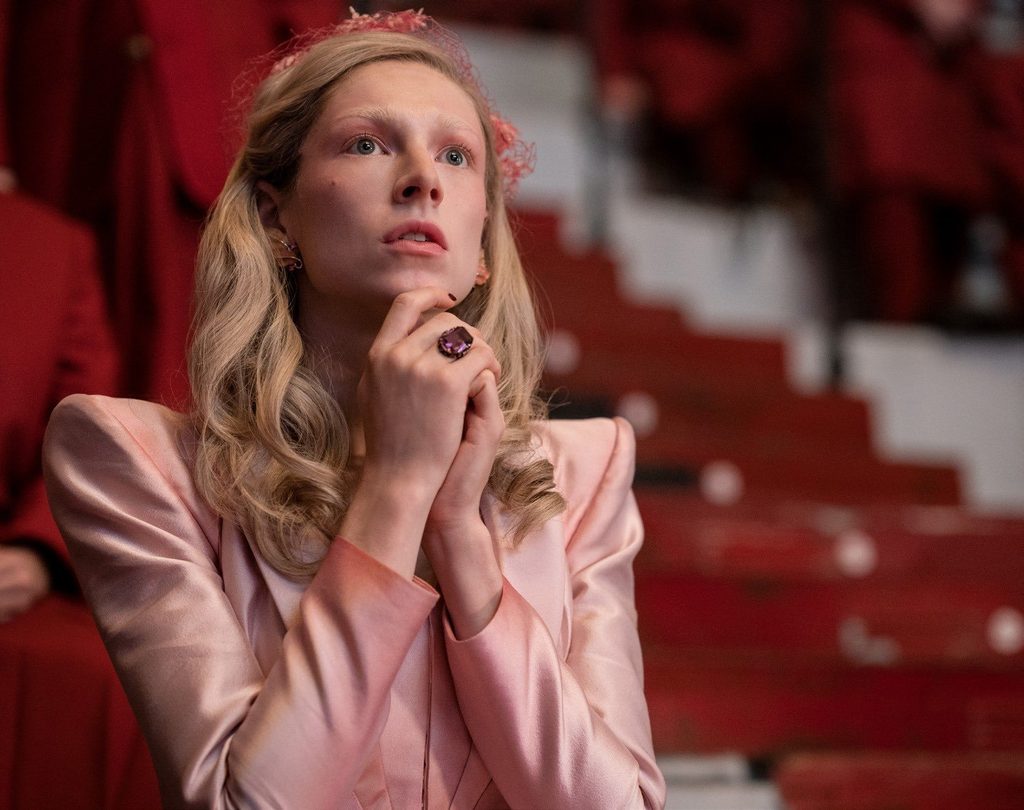
Tigris is a particularly intriguing character in the Hunger Games universe, not least because of her complicated relationship with her cousin, Coriolanus Snow. Once close, the two eventually became estranged, with Tigris eventually aligning herself with the rebellion against the very regime that she grew up a part of.
Her wardrobe during the 10th Hunger Games sheds more light on her character. While the Capitol’s upper classes favoured authoritarian blacks and crimson, Tigris gravitates towards softer pinks. Amidst the rigid and elitist silhouettes that grace the rooms, she stands out almost quietly. The colour feels evocative of her character: gentle, compassionate and perhaps a little out of place amongst a society that grew accustomed to cruelty. Throughout Ballad of Songbirds and Snakes, Tigris repeatedly urges her cousin to show greater empathy towards the districts. Seen when she insists that he properly mentor Lucy Gray, rather than using her for mere spectacle.
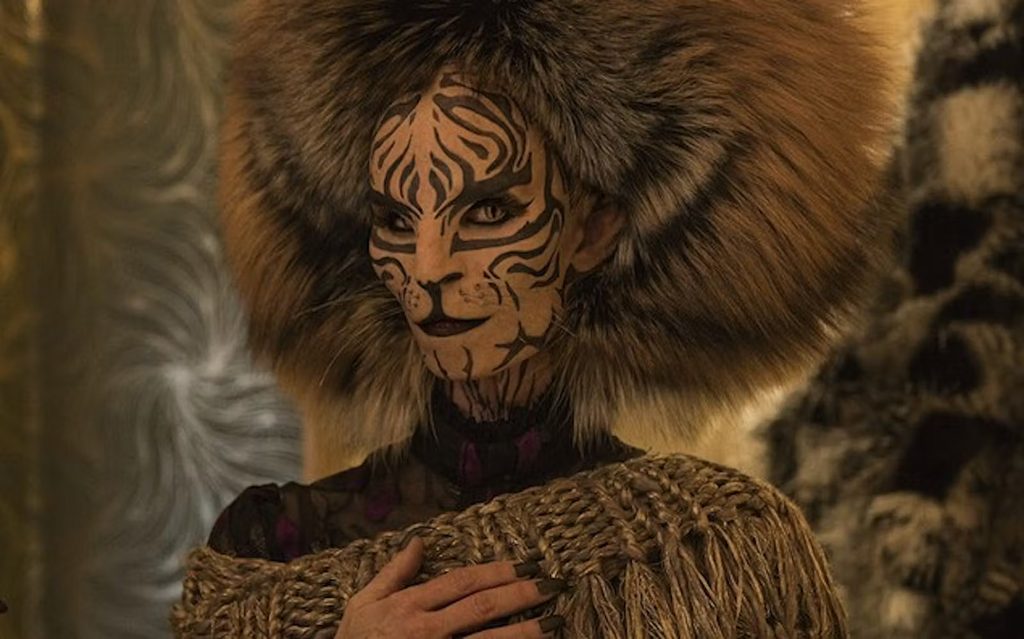
Decades later, Tigris’ appearance tells a rather different story. She undergoes extensive physical modifications, transforming her appearance to resemble a feline creature, complete with whiskers and tattoos. The reason for her transformation was never revealed. But it does show an interesting facet of the Capitol’s citizens: just how far they would go in the pursuit of beauty and self-expression.
READ MORE