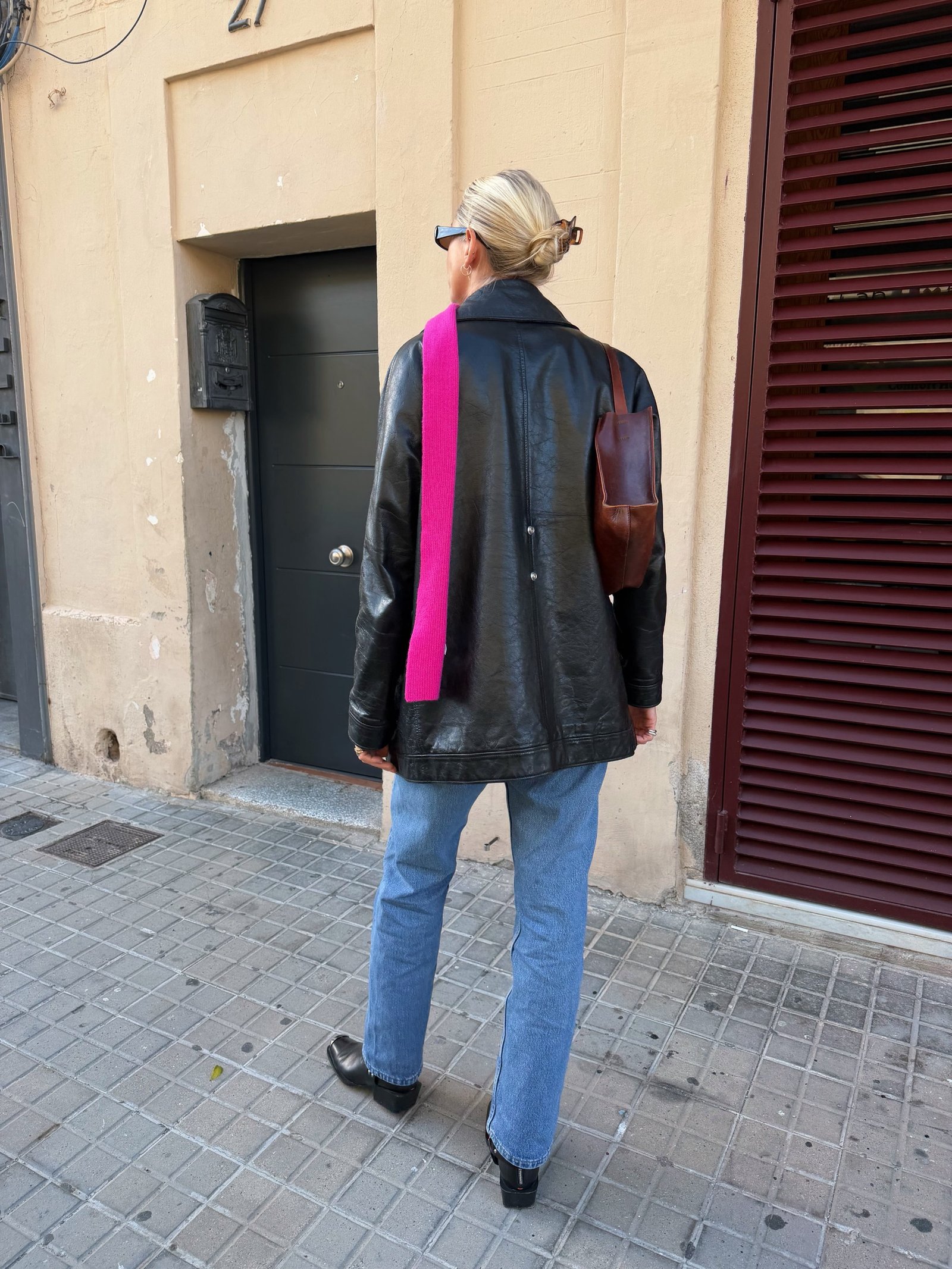
Fashion trends. No one can avoid them, no matter how hard they rage against the machine and try to avoid becoming another cog in the big, beautiful fashion industry machine. Let’s face it, we all have to wear something, and trend-followers or not, the clothes we put on our bodies are all dictated by what fashion designers decide will be “in” for the upcoming season (cue Miranda Priestly Cerulean Blue monologue). These popular patterns seep into our subconscious and draw us toward the same few trendy pieces like moths to a flame, whether we like it or not.
The historical trend cycle used to sit around the 20-year mark, meaning trends popular 20 years ago should reappear in present-day outfits in some form or another. Take, for example, the bright colours of the 1960s, reimagining themselves as the lucid neons of the 1980s, and then the vibrant shades of the early 2000s. However, this process has sped up in recent years, with the cycle now closer to a 10-year rotation of trends. Already in 2026, we’re seeing mood boards of Tumblr-drenched, soft-grunge outfits that echo the fads of the late 2010s. So, apart from the ever-present feeling of falling behind in this fashion-fueled rat race, what are the implications of the accelerated cycle?
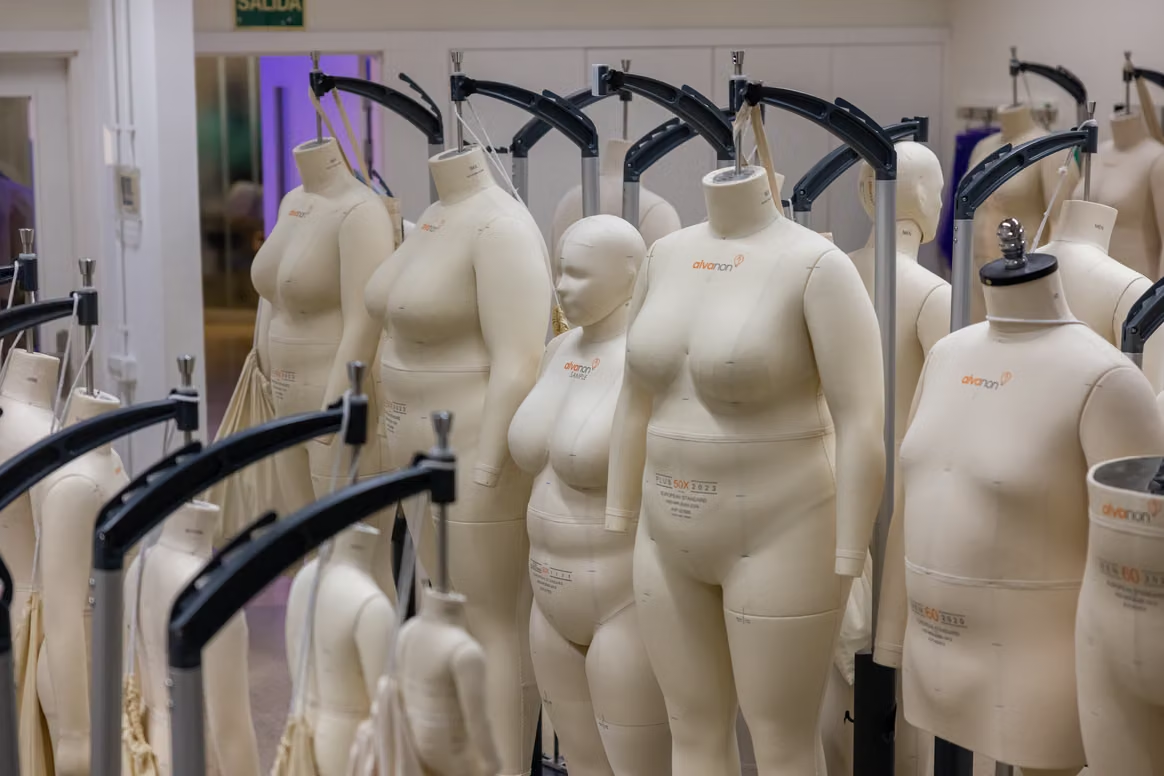
A high turnover of trends results in consumers demanding a high turnover in the clothing stock available to them in both online and in-person stores. With not all stock being sold each season, this leads to a colossal amount of textile waste produced by fast-fashion giants such as SHEIN, Primark, TEMU, and the like. The Global Fashion Agenda found that each year, 92 million tonnes of textile waste is produced. To put that figure into perspective, that is the equivalent of a dump truck full of clothing being sent to landfill every second. These landfill sites compile inconceivably massive mountains of clothing which destroy local landscapes and wildlife. Alongside this, the clothing is often made of cheap-to-produce fibres like polyester, which never fully decompose, and instead break down into microplastics which infect soils and water sources, causing devastation to plant, animal, and even human life.
Despite knowing the environmental impacts of fast fashion and short-lived microtrends, it can be near impossible for any careful shopper to resist the pull of the bright, shiny lights of their local Zara. With perfectly tailored marketing campaigns on social media, paired with pushy “cool girl” influencers constantly selling something to their viewers, it’s no surprise that the average consumer is falling victim to these obsessive trends, and let’s be real, some of these pieces are really, really cute. When temptations are designed to be this strong, the sole responsibility cannot fall on the consumer, so there’s no need to prepare for a witch hunt to be launched against you for buying something in deer print or butter yellow.
Even the most free-thinking student at Trinity has failed to fight the magnetic pull of a highly covetable trendy item (yes, I am talking to you Arts Block Tabi wearers). We’re all human at the end of the day, and as strong as the desire to stand out may be, the temptation to fit in amongst your peers is just far too dominating. But it’s not all dark and despair, as Trinity students also largely take part in one of today’s most common fashion trends: thrifting. The number of students at the college turning to their local charity shops or online platforms such as Vinted and Depop to fish out the newest additions to their wardrobes is growing larger and larger by the day. Buying second-hand allows students to buy pieces from bygone years that, thanks to that aforementioned rapid trend cycle, have become hot commodities again. It allows the humble student to participate in ongoing trends and also lessen their environmental footprint, what a win-win, right? Not to mention that generally shopping second-hand works out to be a lot kinder on the bank account, making it the perfect trend for ever spending-savvy students to follow. The benefits of this form of consumption are endless, so next time you see a cute top or funky bag that you just must have, hold off on clicking that direct link to add it to your cart; have a quick scour through Vinted, nine times out of ten it, or something similar, is already there for a fraction of the price, making your wallet, and the wider world, happier.