Two of the city’s preeminent dance collectives — Hong Kong Dance Company and Hong Kong Ballet — have turned to Chinese heritage for their recent and upcoming shows. Amy Mullins reports.
For both Hong Kong Ballet (HK Ballet) and Hong Kong Dance Company (HKDance), heritage is a source of inspiration, be it as ancient as the fourth-century Mogao Caves or has to do with relatively recent history, as in the case of ’70s martial-arts superstar Bruce Lee.
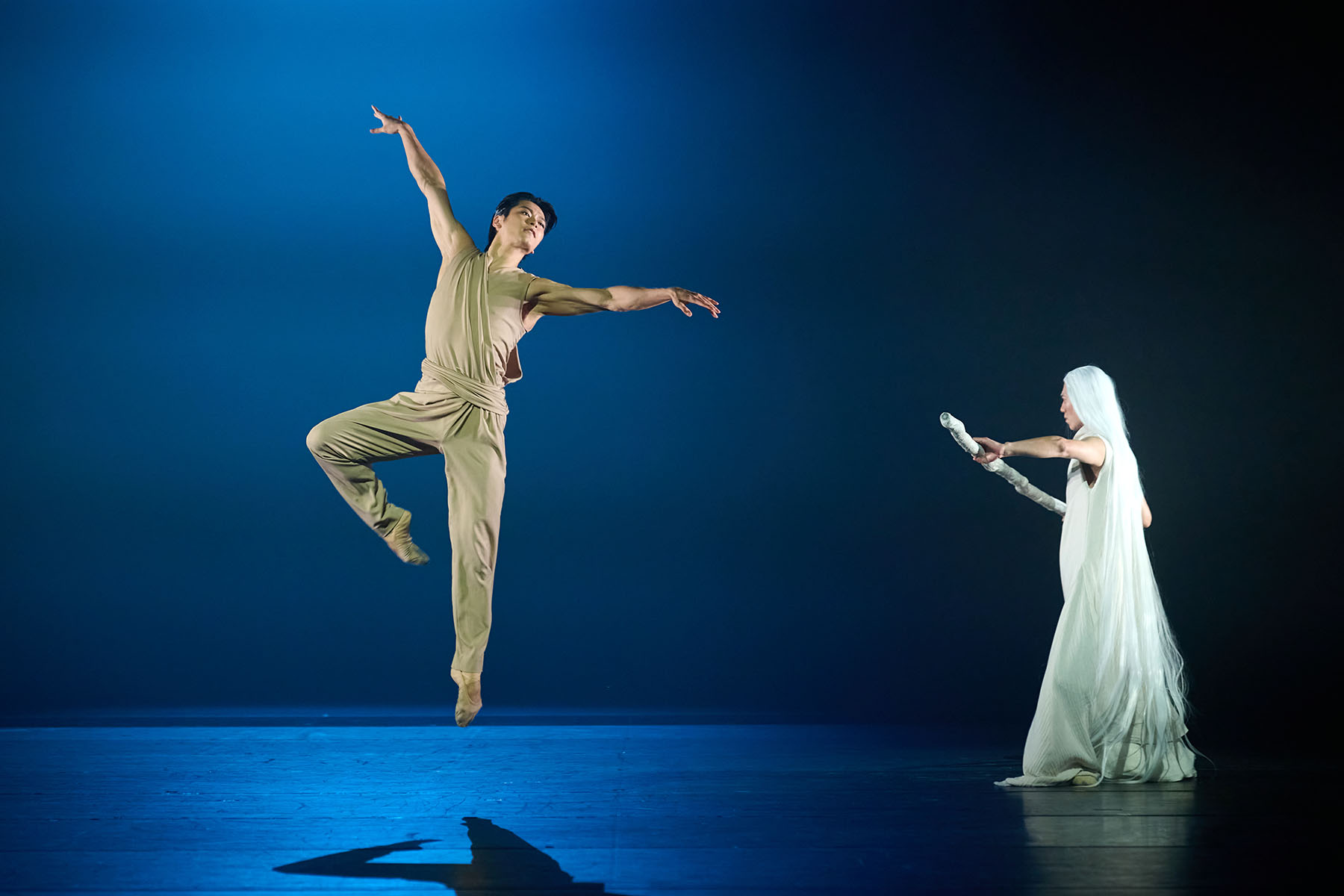
The eight traditional Chinese graces, or noble cultural pursuits — of music, the board game of go, calligraphy, painting, poetry, fragrance, flowers and tea — are at the heart of the new HKDance production, Voyage of the Eight Graces, coproduced with Singapore’s Teng Company. Staged at the Hong Kong Academy for Performing Arts from Oct 8 through 10, the show set the tone for HKDance’s 45th season, subtitled “Dance Hong Kong: Our City”.
“Hong Kong is a city shaped by cultural exchange and creative energy and, for the past 45 years, HKDance has continually explored how to root its work in our own cultural heritage while engaging in dialogue with the present,” says HKDance Artistic Director Yang Yuntao. He goes on to explain that the company’s goal is not limited to telling Hong Kong stories. “It is also about looking outward from Hong Kong and reflecting on our relationship with culture, history, and contemporary society.”
READ MORE: The Lee way
Drawing on history and heritage, Eight Graces reflects on generations-old values and aesthetics that are relevant today. Ah Ya, the piece’s main character, goes on an emotional journey, taking turns at practicing each of the graces, as she tries to make sense of heritage in the context of the present.
“Ultimately, the piece is about exploring what the eight graces might mean to us today,” says dance master Huang Lei. “Through Ah Ya’s journey, we invite audience members to reflect on how these traditional values continue to shape the way we relate to ourselves, to others, and to the world around us.”
The OG East-meets-West capital
HK Ballet Artistic Director Septime Webre calls Dunhuang “the OG East-meets-West capital before Hong Kong took on that mantle”. Situated in Gansu province, Dunhuang served as a primary chokepoint on the ancient Chinese Silk Road. The oasis city is a repository of more than 1,000 years of Buddhist art carved or painted on the walls of the Mogao Caves.
In order to get better acquainted with their subject, the creative team behind HK Ballet’s Dunhuang: In Search of Light visited the city. For Webre, seeing the artworks in the flesh led to a deep dive into the region’s dance traditions, with a view to reinterpreting the art and the Buddhist philosophies informing them for the stage.
With co-choreographers Ricky Hu and Mai Jingwen, Webre created a dance narrative about a young man seeking enlightenment. Rooted in both the geography and cultural inheritance of Dunhuang, the piece could be the world’s first Buddhist ballet.
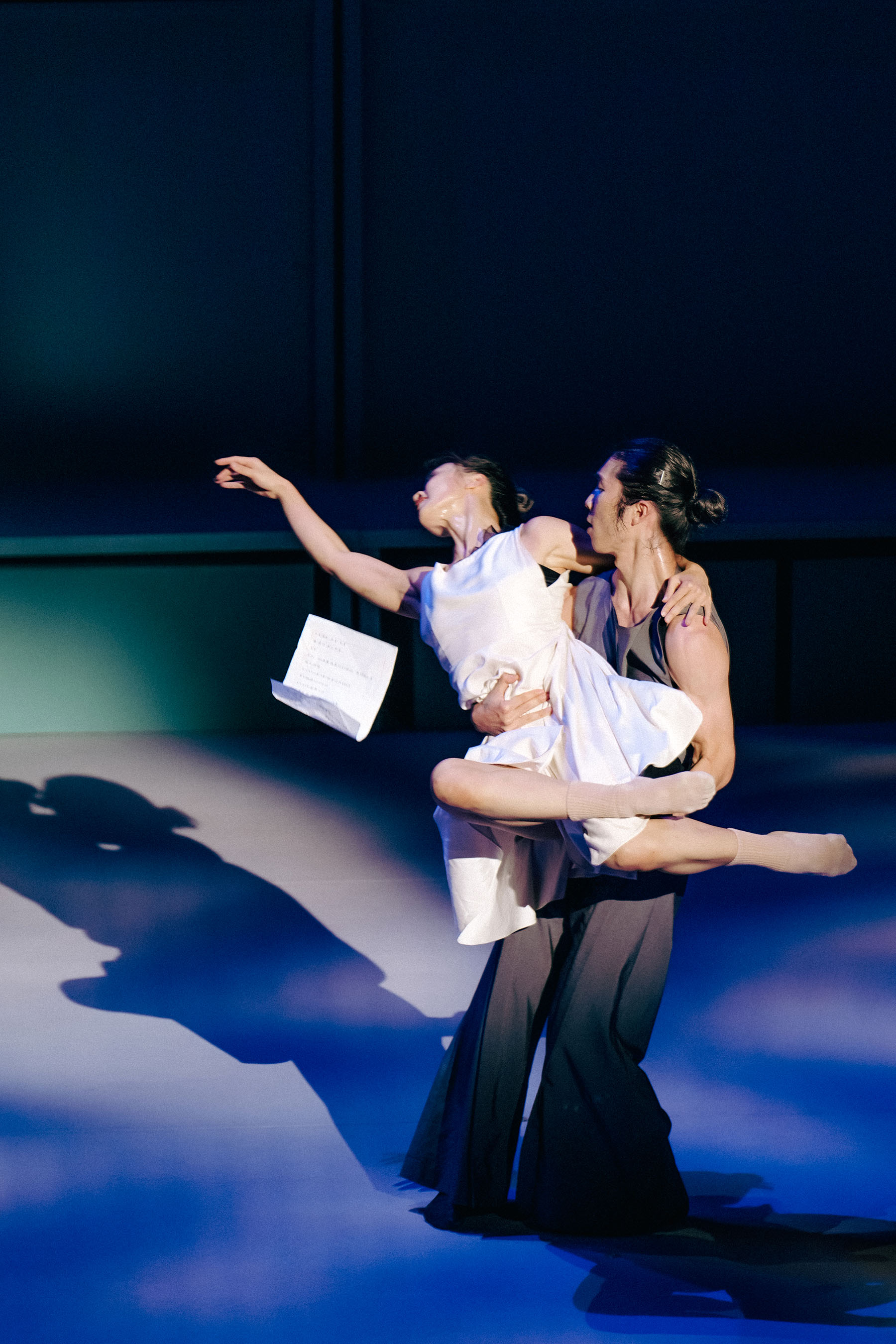
Since taking on his HK Ballet post in 2017, Webre has been pushing boundaries in terms of adapting Chinese themes to a European performance form. “I think Dunhuang is emblematic of the ethos that we have approached in terms of repertoire development over the last several years,” he says.
Webre, Hu and Mai combed through thousands of sculptures of the elemental gods, ancient Chinese paintings of nature, and images and sculptures of the Buddha to come up with postures and movement ideas that could work on stage. Webre says that besides borrowing from the “thousands of figures of the gods of thunder and lightning, and rain, and wind,” the dance piece also alludes to the images of ordinary human beings going about their everyday lives on the walls of the Mogao Caves.
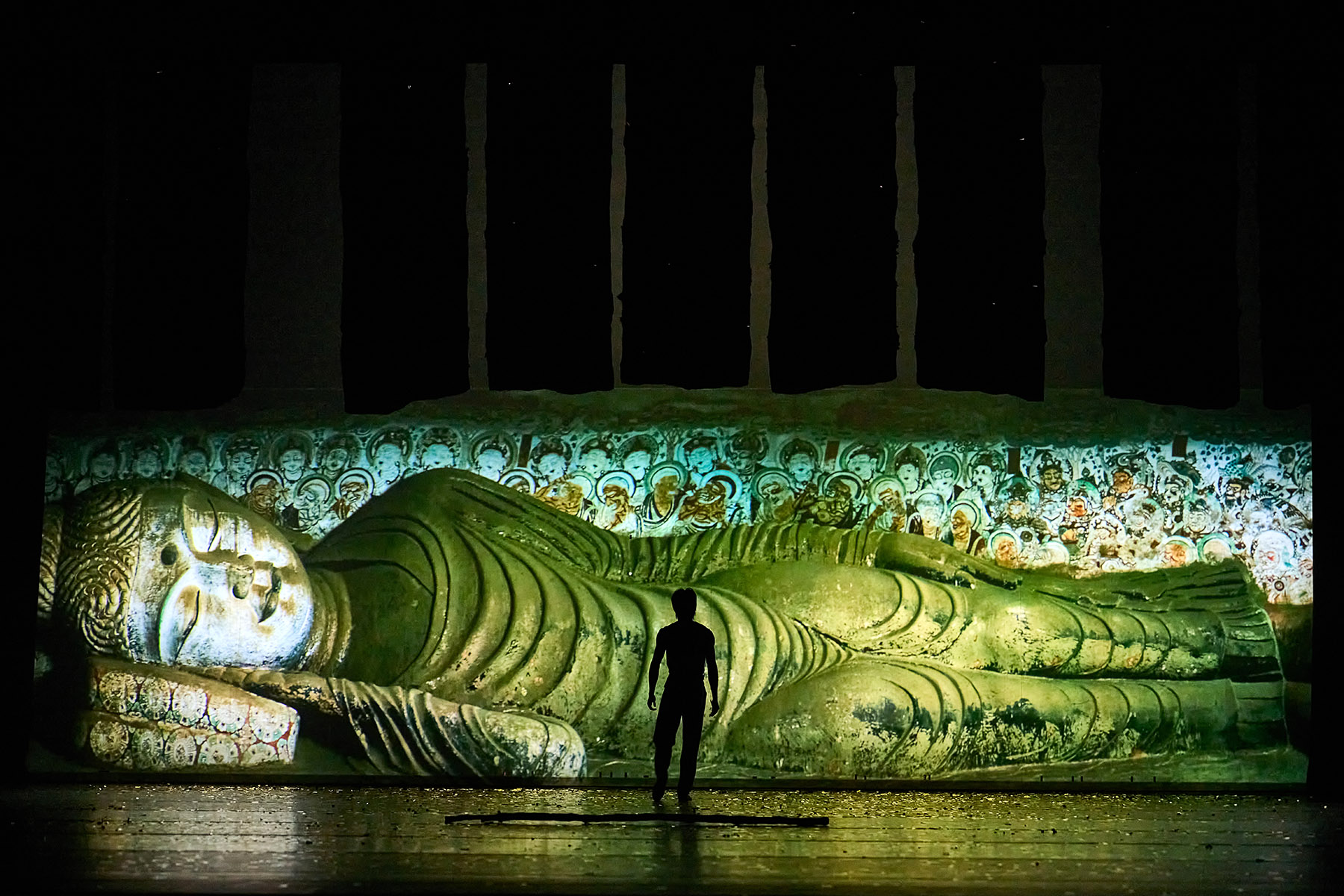
He was hugely inspired by the sculpture of the post-enlightenment reclining Buddha in Cave 148. Soon after the HK Ballet choreographers saw the more than 14-meter-long sculpture, they decided to introduce it on stage at a pivotal moment in the ballet’s story.
Dunhuang is set to a score by Tian Mi — who composed for The Butterfly Lovers, co-choreographed by Hu and Mai in 2024. Its plot is inspired by Hermann Hesse’s 1922 novel Siddhartha, addressing the themes of aspiration, questioning, love and regret. The story unravels against a vivid backdrop with the presence of gods and monsters who were part of the culture of the old Silk Road.
The tale of two Lees
Coincidentally, both HK Ballet and HKDance are staging a piece each on the legendary actor and martial-arts exponent Lee later in their seasons. Martial-arts movements have often been referred to as “balletic”, and the hybrid martial-arts practice Jeet Kune Do developed by Lee lends itself well to dance adaptations.
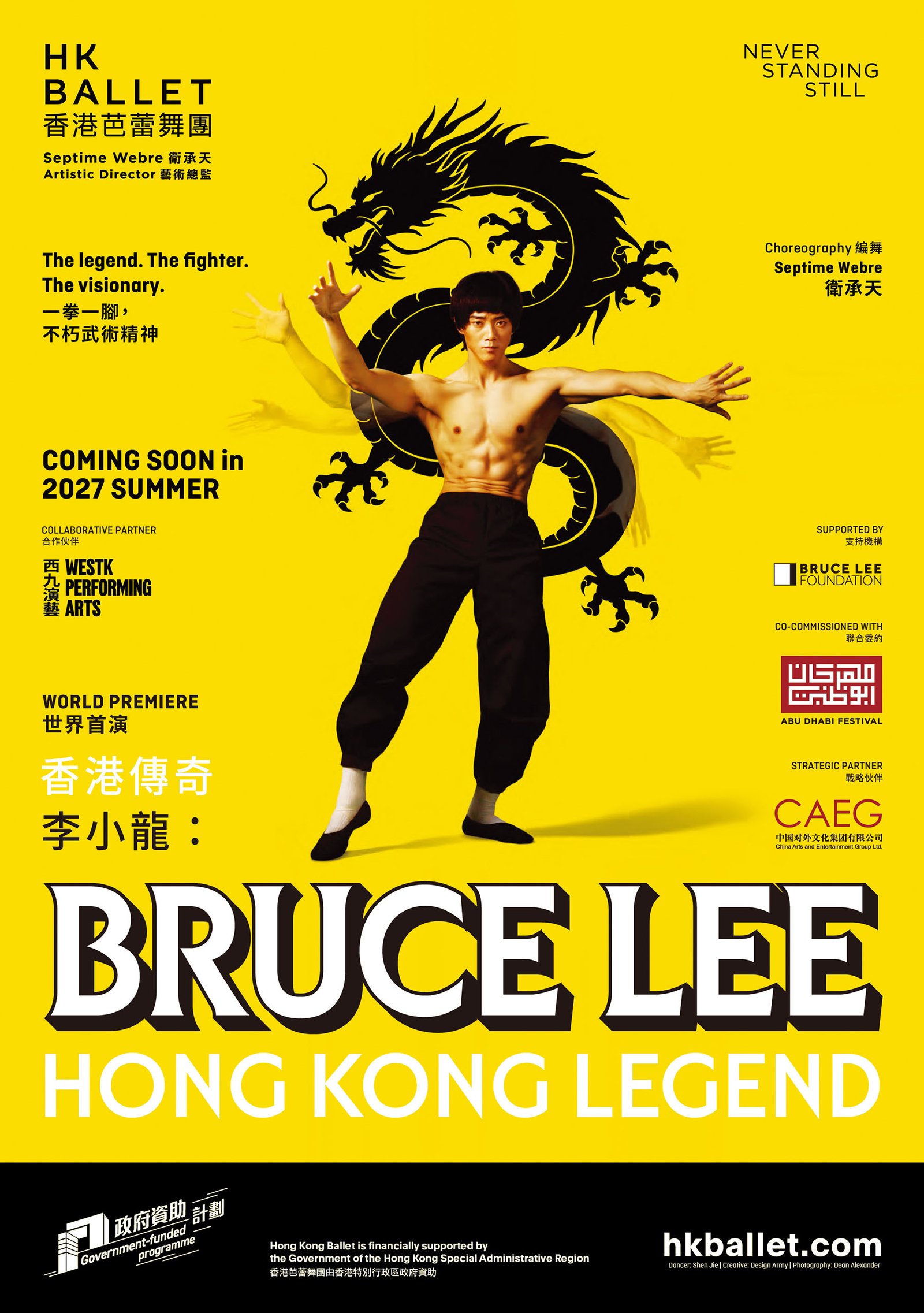
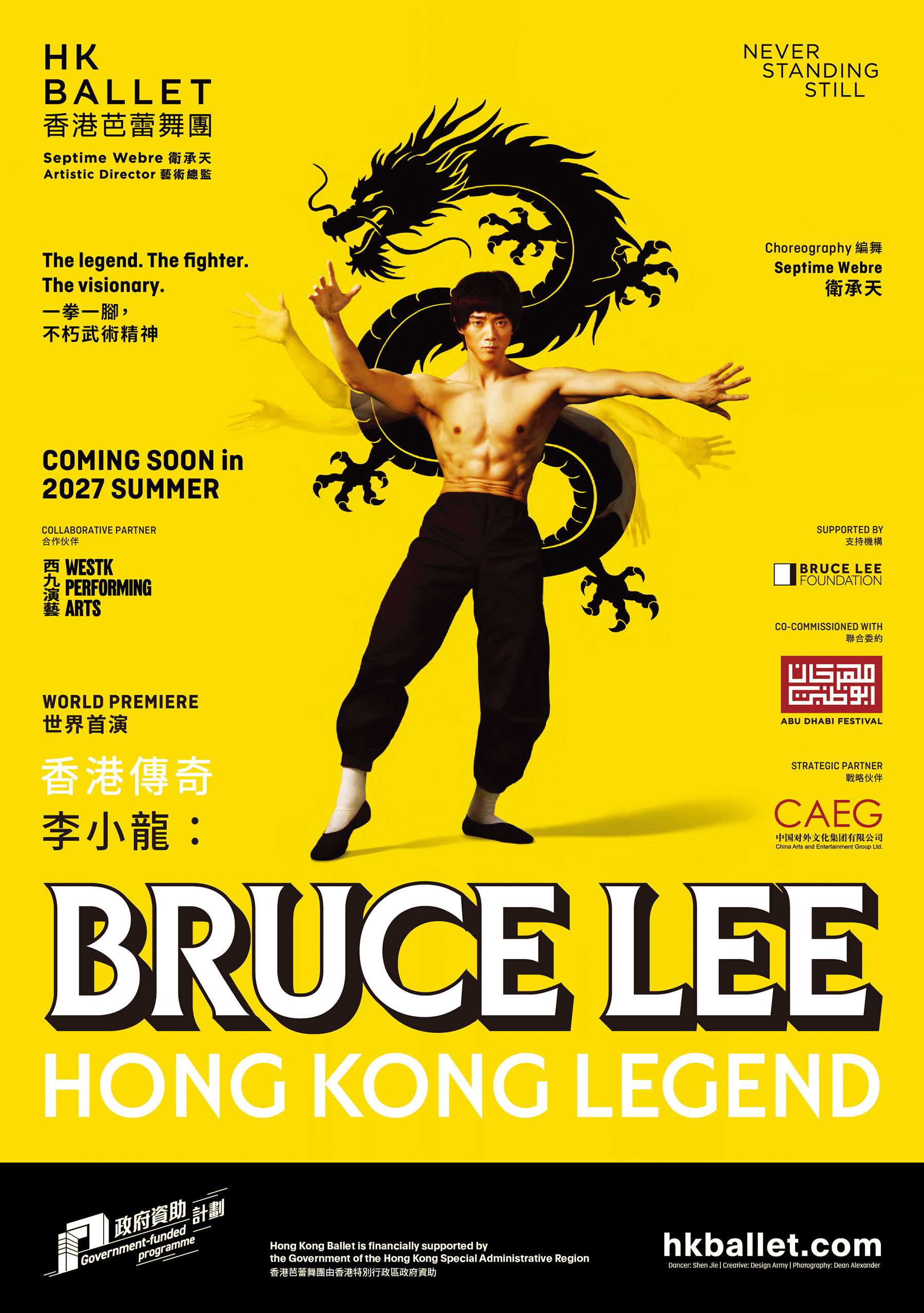
Bruce Lee: Hong Kong Legend, which will inaugurate HK Ballet’s next chapter at the company’s new home in the WestK Performing Arts Centre in 2027, is a traditional biography told in a nontraditional format. With a libretto by Chinese-American playwright David Henry Hwang, the piece begins with Lee’s funeral, followed by an exchange between the ghostly figures of Lee and his martial-arts teacher, Ip Man.
Webre insists that Lee’s core personality and his outspoken Chinese pride is an ideal fit for dance. He adds that though Lee’s mannerisms and martial-arts techniques are well-documented, rather than trying to accurately reproduce these on stage, the choreographers are more keen on expressing the “emotion, atmosphere and ideas” related to Lee’s life, work, and artistic philosophy. Webre mentions that the team is trying to work out how to visualize the idea of water — “Be water, my friend” is one of Lee’s most popular quotes — using an ensemble of 20 dancers.
Dance meets martial arts
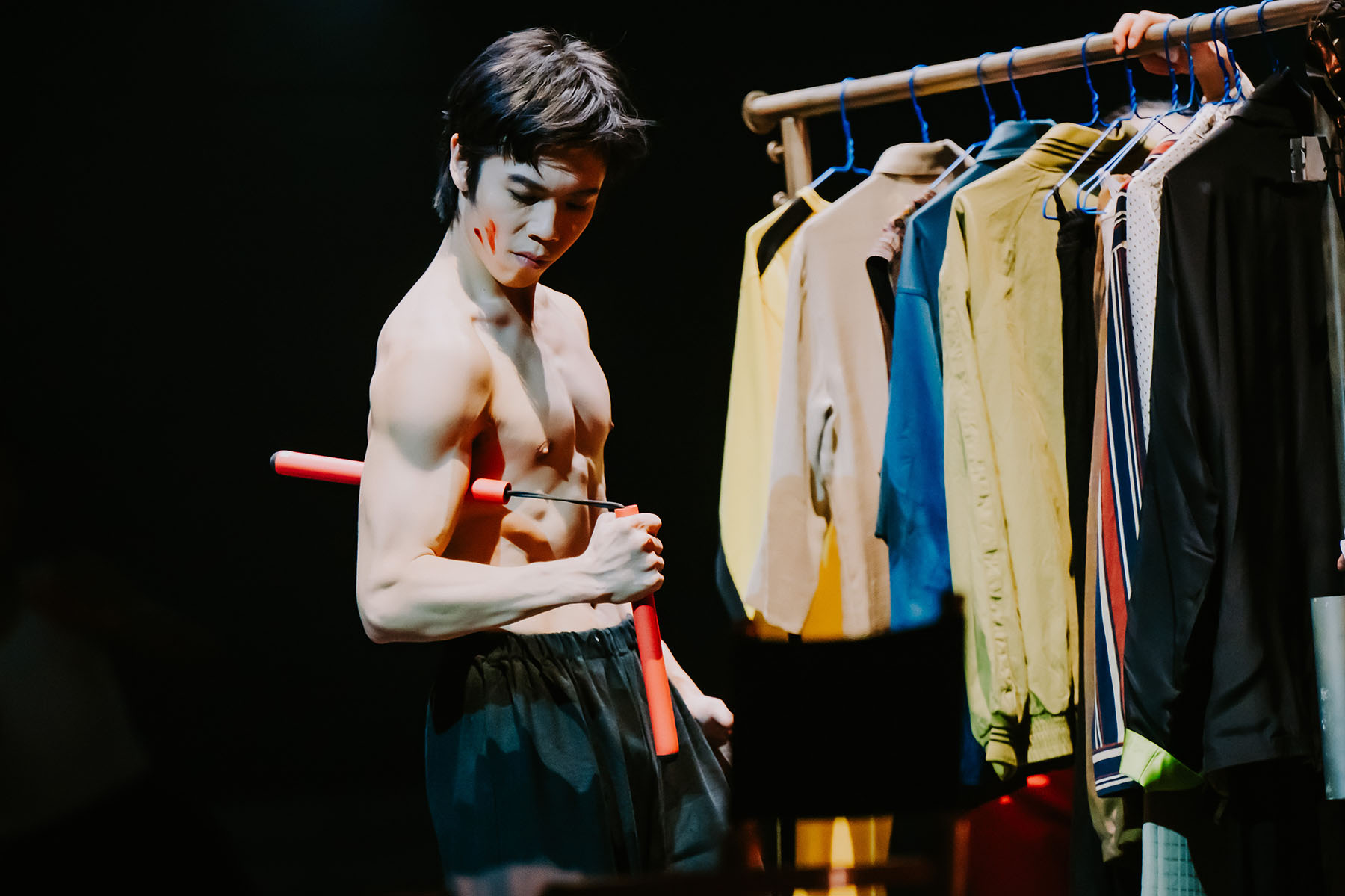
Conversely, Kung Fu Artistry: Bruce Lee’s No Way as Way by HKDance uses its visual design and refined choreography to immerse viewers in the world of Lee’s martial-arts cinema and philosophy. The production, which premiered in Hong Kong in December 2025 and is back for another run in January, underscores the fact that for Lee, Jeet Kune Do was much more than simply a set of techniques.
Yang describes Jeet Kune Do as an art form as well as a philosophy of life. “In this respect, martial arts and dance share a profound common ground,” he says. “Both use the body as a medium through which thoughts, emotions, and ways of understanding the world can be expressed.”
ALSO READ: Be like water
Rather than blur the lines that separate martial arts and dance, Yang’s aim is to reveal their inherent similarities. The nonnarrative Kung Fu Artistry demonstrates how both are based on the idea that the body is a route to self-discovery and deeper human understanding, mirroring Lee’s spiritual growth during his journey from being a martial-arts instructor to becoming a Hollywood superstar. “Through Kung Fu Artistry, we seek to explore this shared language of movement and reveal how physical expression can transcend form to communicate something universal.”
Fifty-three years after his death, Lee’s legacy continues to have an influence on Hong Kong’s local culture and has become a significant part of its modern heritage and indeed its collective identity. He remains one of the city’s favorite sons.
“Art is at its most powerful when people see themselves in the work,” finishes Webre. “It stays relevant if it’s relevant to people.”
The writer is a freelance contributor to China Daily.