The brewery’s beautiful stainless steel tanks are quietly tooting in the cellar at 8 am. But hundreds of square feet of valuable taproom space are dark, quiet, and unproductive much of the day until the 5 p.m. happy hour drives customer traffic through the doors. With these empty spaces, breweries and beer-focused establishments can consider how every corner can enhance the customer experience and contribute to the brewery.
An underused space can be a great place to enjoy a casual beer tasting, meet friends,s or catch up with a favorite brew, long before the evening rush ever comes. The morning nap is no longer an option for the taproom,m with a 4% decline in craft production and a 2.8% drop in retail dollar sales. Luckily, breweries already have a lot of the characteristics that a daytime artisan cafe has.
Why Coffee Can Improve Brewery Margins
If you were a brewer, you’d want to understand exactly how profitable a coffee business is before dropping capital on a gleaming Italian espresso machine. Start by dissecting the cold, hard unit economics without the rose-tinted barista filter. On paper, coffee looks like an alchemist’s financial dream. The U.S. Small Business Administration’s break-even guidance frames profitability around fixed costs. That’s where the breweries have an advantage, as many of the rents, utilities, and customer-facing infrastructure are already in service for the beer business, and the selling price and variable cost per unit.
But even independent retail cafes can lose operational cash, as the cost of leasing is overwhelming, separate utility setups eat up the upswing of the morning work curve, and the noise of the noon lunchtime whistle quickly erodes the profits. It’s an unfair competitive advantage for a brewery. Under an underlying commercial lease, there is no need for breweries to pay for ADA-compliant restrooms, draft lines, or point-of-sale hardware, let alone for fenced outdoor patios, which are all paid for by the number of beers sold at the bar by the end of the afternoon. Instead, how about turning empty daytime chairs, unused square footage, and lost operating dollars into more predictable cash flow with some morning coffee? In the meantime, cellar fermentations take their course.
Translating Mash Chemistry to Extraction Yields
If you have ever spent a Saturday morning passionately debating the chloride-to-sulfate ratios that accentuate pillowy malt sweetness over bracing hop bite, congratulations. Your palate is already pre-calibrated for specialty coffee geekery. Pulling a world-class shot of espresso is more than mystical barista poetry. It is rigorous fluid dynamics and thermodynamic control masquerading as morning fuel. Just as you scrutinize mash tun strike temperatures and obsess over pH curves to optimize enzymatic conversion without leaching harsh grain husks, coffee extraction demands similar chemical discipline.
Water composition matters here, too. Bicarbonate alkalinity plays a major role in shaping coffee’s perceived acidity and fruitiness, while calcium and magnesium may have a more limited effect under normal brewing conditions. That overlap is why a brewery team may adapt to coffee faster than you’d expect. The high-precision analytical hardware is already sitting right there on the brewhouse quality bench.
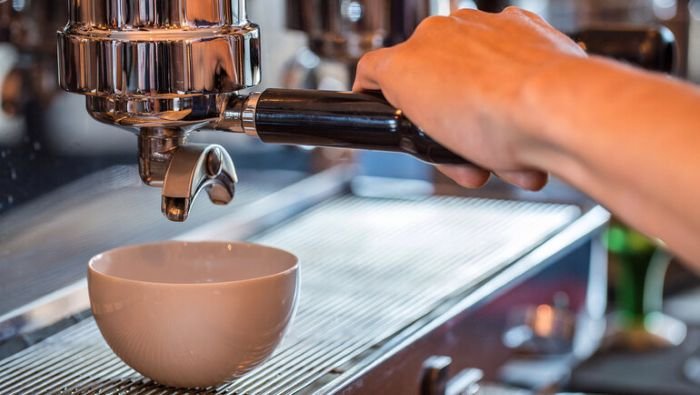
Armed with digital optical refractometers and temperature-compensated pH meters, brewers can map total dissolved solids (TDS) against extraction yield, the same relationship behind the classic coffee brewing control chart. If you dream of spending days in a brewery dialing in liquor-to-grist ratios and chasing mash pH with phosphoric acid drops, then calibrating an espresso recipe to hit nine bars of pump pressure and an ideal TDS on a refractometer will feel like delicious second nature.
Building a Coffee Lineup People Will Buy
When you stroll into an artisan taproom, you probably crave an anaerobic, naturally processed Ethiopian micro-lot bursting with bergamot and blueberry jam notes. However, a brewer should build a varied coffee lineup to keep the morning registers ringing. To do so, the taproom menu should cater to you and your palate-obsessed connoisseur friends, along with the everyday commuter.
The secret weapon lives right behind the bar. With existing draft infrastructure, a taproom can hook cold-steeped concentrate to draft towers, infuse it with nitrogen through a restrictor plate, and serve a cascading, Guinness-like nitro cold brew that will satisfy a serious mouthfeel purist. With counter-pressure growler fillers ready, you and your fellow weekend cyclists can stop over and fill 64-ounce jugs for Sunday brunch. Yet a sustainable morning program should also respect customers with a sweet tooth. A winning program can’t force a sour, ultra-light Nordic roast onto a construction worker grabbing a morning cup on the way to the jobsite.
Smart taprooms will keep a washed Central American batch brew ready for quick service, hook a velvety nitro cold brew to the first tap line, and build syrups around proven crowd-pleasers such as vanilla, hazelnut, caramel, and seasonal flavors. Balancing delicate acidity with these familiar flavors helps the espresso bar drive daily milk-based sales across your entire entourage without compromising your own craft-beverage soul.
Converting Morning Laptop Nomads Into Happy Hour Regulars
If you spend your weekdays working remotely, you already know the grim reality of standard corporate coffee chains. There you are, elbowing strangers over the solitary wall outlet next to the restroom while the blenders shriek. Yes, discerning beverage lovers and foodies crave caffeine, but they’re really hunting for a vibrant pitstop that fuels daytime productivity without feeling like a sterile cubicle farm.
This post-2020 cultural shift, with out-of-home coffee consumption nearing pre-pandemic levels and specialty coffee consumption hitting a new high, means the large brewhouse is now a good value for retail during the day. The cavernous taprooms can offer all that a cramped corner coffee shop can’t, including towering ceilings, natural light sweeping the room,m and communal tables, as well as no passive-aggressive eye-rolling when setting up shop. The actual economic opportunity is in the 4 pm transition.
As the day wanes, the light grows fainter, the mood of the music changes from chill lo-fi to funky indie, and the draft list goes on. That freelance software developer that’s camping out all morning with a cortado will probably not pack up and go when they have to shut their laptop at 5 p.m. if they have stable Wi-Fi and ergonomic banquettes to sit on. They may stroll over to the draft board and settle in with their co-workers. The chilly brew and breakfast burrito can easily turn into a cool-down West Coast IPA.
Should Breweries Roast In-House or Partner?
You are a vintage craft connoisseur, and you understand that exceptional flavour requires stringent process control. If you are a brewery owner and you want to add a daytime coffee program, however, you’re left with a choice to make. Are you developing an in-house roastery from the ground up, or do you have savvy collaborative partnerships?
Well, it may sound romantic to do it all yourself, but you will soon find out what engineering reality it entails. The cost of a drum roaster, $600,000 or more, may be enough to purchase some new fermentation tanks, while the permits on the nightmare list from the municipality might cause trouble. That is why a lot of breweries opt for a slimmer-style model. They would rather spend a few thousand bucks with their local wholesale partner to create their own base for the green coffee than spend tens of thousands of dollars on a drum roaster, deal with a restrictive local permit, and instead spend a quarter of that amount on a reliable, two-group espresso machine that they know they can count on to do the job.
Properly ergonomic equipment also helps to maintain smooth operations in the taproom day in and day out. Selecting the right size of draft systems and dispensers will enable staff to serve guests efficiently and without causing congestion of the valuable counter space or interfering with other tasks. For specialty beers, dedicated pour lines can further optimize operations to allow the team to pour other types of beverages as well, without impacting beer line maintenance or the cellar schedule for transfers. These practical changes help to provide an organised and efficient taproom, while maintaining the quality of the visiting experience.
The All-Day Taproom Is Here to Stay
Your local favorite craft brewery cannot count on being a quiet 6-hour clubhouse on Saturday or Sunday. There is no need to accept coffee as some desperate ploy or a way to drink another pastry stout. It’s about science, giving bean extraction the same reverence. It’s not a sign of a brewery losing its identity when it diversifies into coffee!
Rather, this serves as a testament to the common goal of quality, accuracy, and uniformity in brewing beer and roasting coffee. If the taproom is looking to add some value-added products to help extract the most out of their space, a place to offer complimentary drinks can be a good way to get visitors to come in during the day and help build loyalty and ensure the long-term success of the brewery.