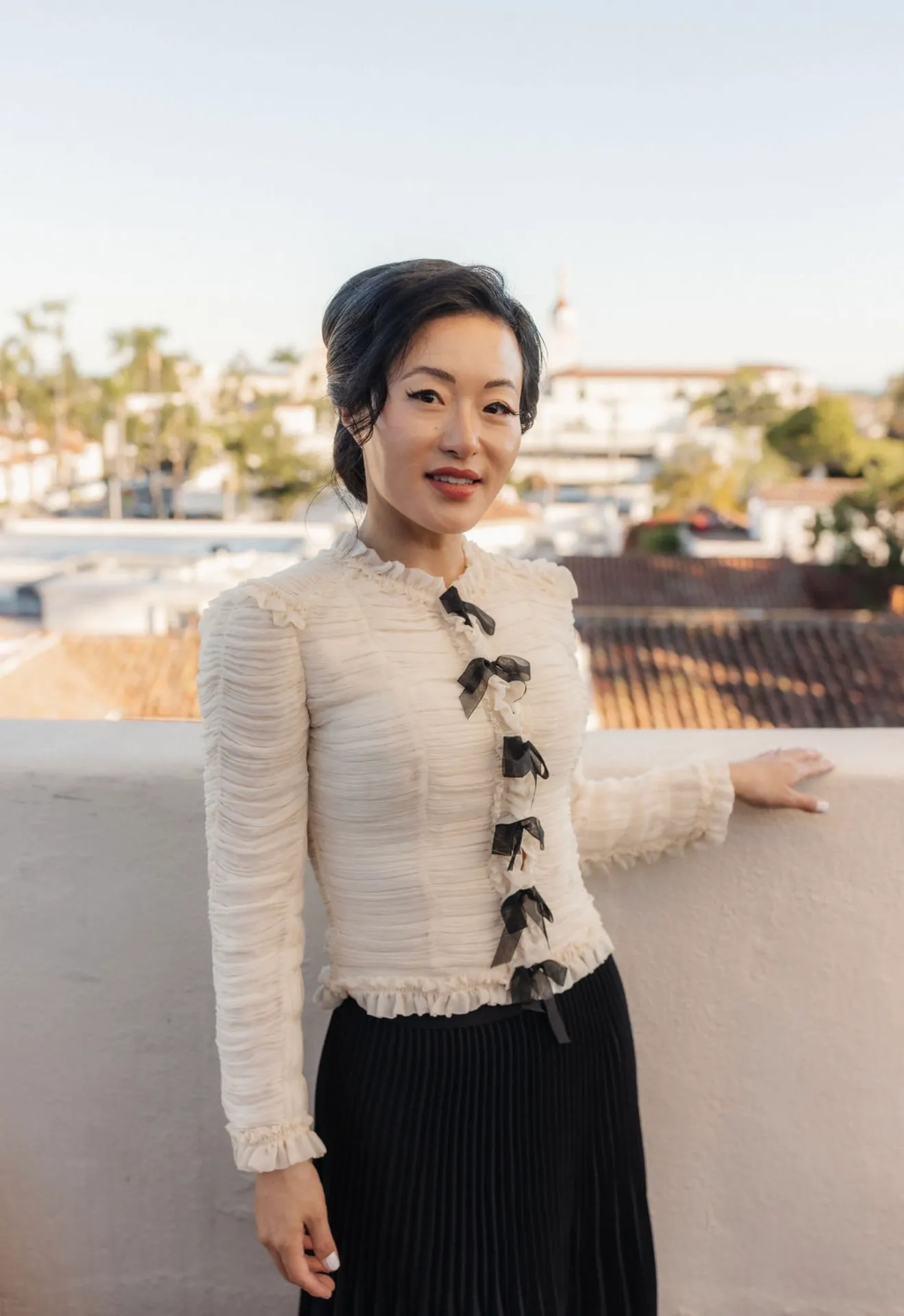
Santa Barbara’s cultural landscape includes a host of museums, large, medium, and small. The latter category can, by their nature, tend to train focused spotlights on more esoteric subjects, such as the small toy train museum and, a few blocks north of there, the specialized and internationally known Couture Pattern Museum.
Those in the know, regarding matters of fashion and the couture world, have been aware of this special boutique space, on the third floor of the 1525 State Street building, available by appointment and such rare public openings as some First Thursday occasions.
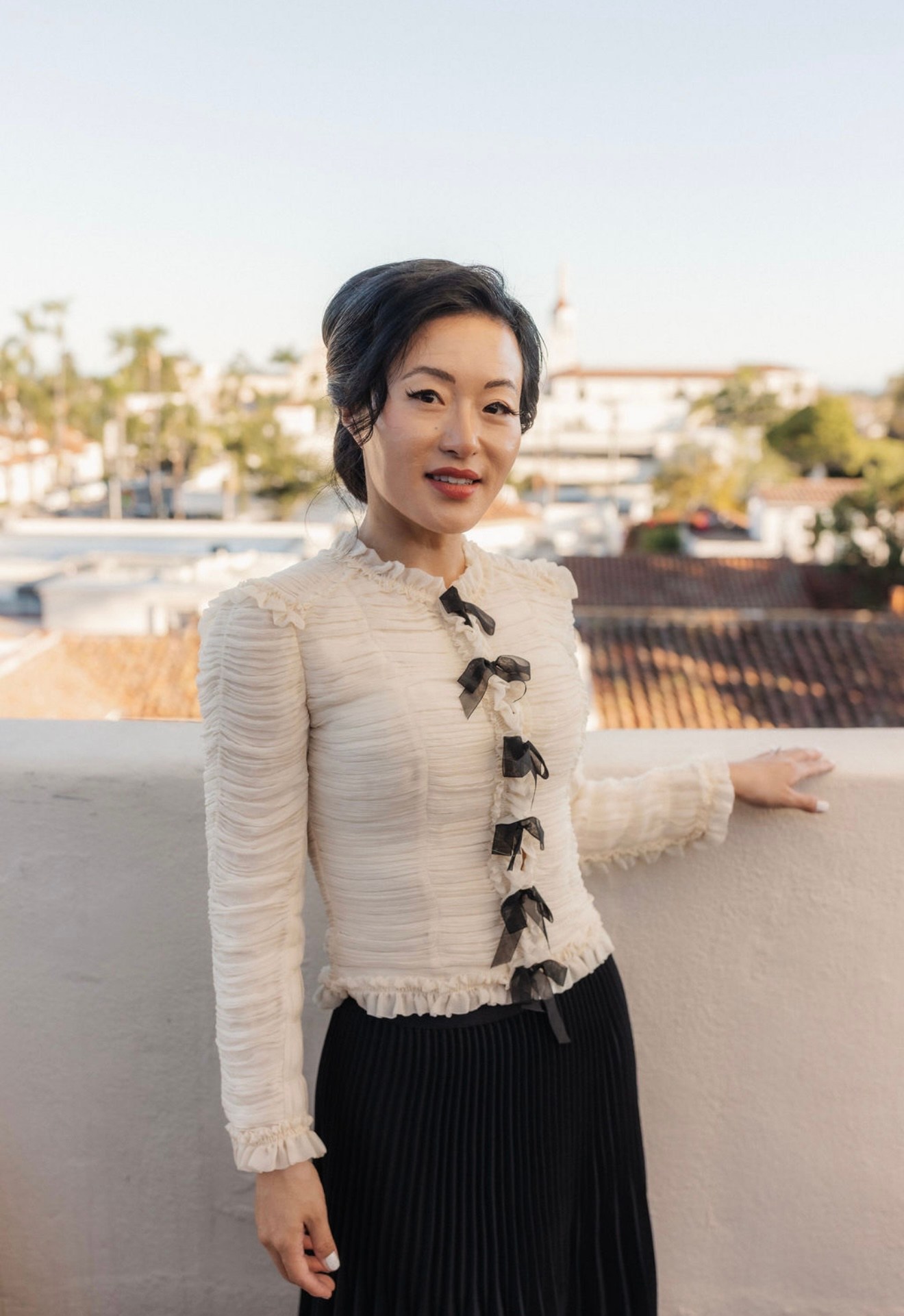
Two weeks back, a select group of patrons and guests (including a few journalists) were invited to a special event in this compact museum with an ocean view-endowed patio area. It added up to an afternoon soiree devoted to the fashion-worldly — specifically Chanel-oriented — matters, with epicurean intrigue in the margins. In focus was the book release and signing with British authors Susanna Brown and Rebecca C. Tuite, who have respectively created impressive coffee table opuses under the aegis of the self-descriptive title Chanel in Vogue, from different phases of the iconic Gabrielle “Coco” Chanel’s life and work, related to the similarly historic fashion world entity that is Vogue magazine.
As part of the meet and greet event and lectures by the pair, we were treated to a most elegant high tea before the program and champagne after. We could blithely fill our small plates with such delicacies as Lobster Vol-au-Vent and Mini Croque Monsieur (from Chef Laura Desmond) and, from Rosewood’s pâtissier Yannick Dumonceau, Fruit Verrine and Mini Mont Blanc — which the museum’s founder/managing director Cara Austine-Rademaker told me was Coco Chanel’s favorite dessert.
In existence since 2022 and run by Austine-Rademaker and her husband RJ Rademaker, director of operations and key advisor, the museum has the distinction of having been covered by the prestigious Women’s Wear Daily (link here). Citing the museum website, this is “the only dedicated fashion museum on California’s Central Coast” and “the museum preserves an extraordinary, comprehensive collection of haute couture patterns, original designs, and costume pieces from legendary designers who shaped fashion history.”
To that end, the museum has hosted book-related events before, as with a larger event in 2024 at the University Club, celebrating the release of Maria Kublin’s book Balenciaga – Kublin: A Fashion Record, recounting her famed photographer Tom Kublin’s work documenting work by Spanish designer Cristóbal Balenciaga. (See Independent story here).
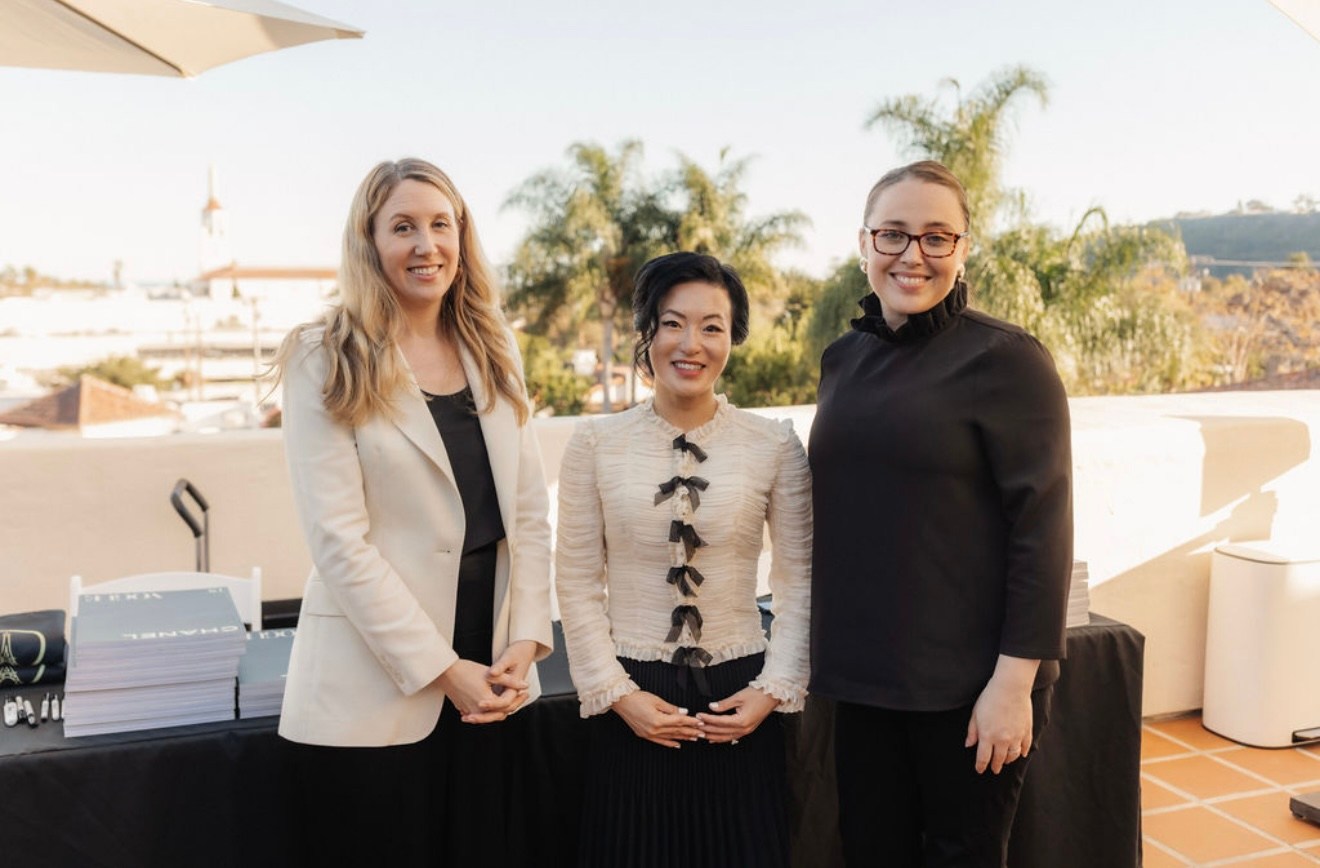
Back in the museum’s more modestly scaled but inviting quarters, another significant book launch was underway on a clear, lucid October afternoon. Before the authors took the podium and offered illuminating lectures, illustrated with images from the books, visitors were given video greetings by Adrien Frier, the Consul General of France in Los Angeles, and Adele Autelin, a Chanel technical designer and draper based in Paris.
For the main body of the talk/presentation, the authors took charge. Tuite explained that, “it’s been a really extraordinary experience” working on the books, citing “the level of access that we were so fortunate to have from Chanel in Paris and from the Conde Nast archives. It doesn’t always happen that way. Sometimes, it can be a real challenge to get the sources that you want and with a brand like Chanel, you want to feel like you are finding something new and really being able to bring something new to the table.
“I always like to begin talking about this project with this quote (from Gabrielle “Coco” Chanel), ‘those on whom legends are built are their legends.’ And I think what really became clear early on is that we’re talking about two brands, two cultural powerhouses who really have come up together through the 20th century and who have a reputation and they’ve become bigger than themselves.”
Truite is a Brit based in Los Angeles, whereas Brown is a Londoner who flew here for this occasion, happy for the contrast from the rain and wind back home. Looking back on their process of dealing with different phases of the subjects’ histories, Brown noted that, “as historians, it can be incredibly frustrating when researching more recent history. But on the flip side of that, I was in a fortunate position of having many living people to discuss their memories of working with the latter staff at Vogue, particularly (important designer-photographer) Karl Lagerfeld. It was my pleasure to also speak with many of the photographers and artists who contributed to Vogue in the more recent decades.”
The museum’s afternoon affair may be over, but remnants continue in exhibition form. Images from the books now hang on the walls and are available to the curious public, of whatever interest level in things couture.
Austine-Rademaker described the underscoring interest and passion which led her to start this unique enterprise. She asserted that, “(these patterns) hold the information from the great master couturiers. As scholars re-create and learn from the masters, each piece gets interpreted differently, because you cannot eliminate the human hand from the piece. Making a couture dress is truly an art form.
“That is how I see the role of these patterns for the future. Students and scholars are able to follow the footsteps of the masters themselves to learn historical techniques. What was once an oral tradition, these patterns captured the tradition on paper for the first time in history, during the Golden Age of couture. And this will likely never happen again.”
They, in short, qualify as important museum pieces, deserving a museum home. For further info on the museum, visit couturepatternmuseum.com.