The war in the Gaza Strip is increasingly reshaping conversations far beyond politics, with new controversies involving pop star Ed Sheeran, NFL linebacker Azeez Al-Shaair and a growing number of athletes and celebrities speaking out on the conflict.
The debate comes as the Palestinian death toll from the nearly three-year Israel–Hamas war has surpassed 74,000, according to Gaza’s Health Ministry, figures that the Associated Press noted are widely used by U.N. agencies and international organizations.
Artists, athletes, leagues and venue owners now face mounting pressure from fans, sponsors and advocacy groups as disputes over Gaza, free speech and activism increasingly play out in stadiums, arenas and concert venues.
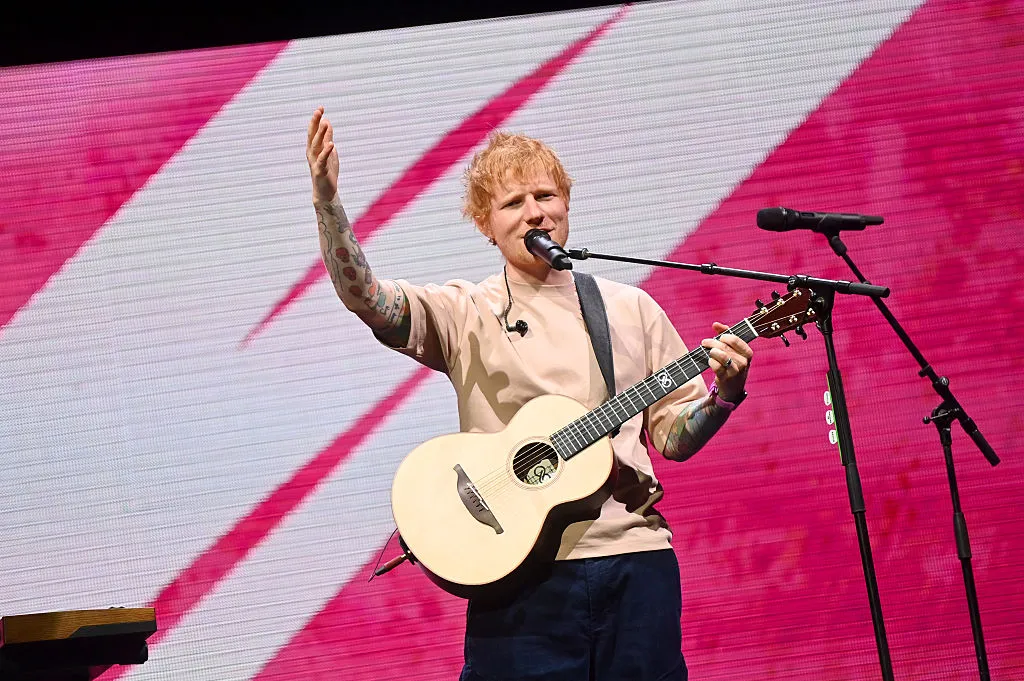
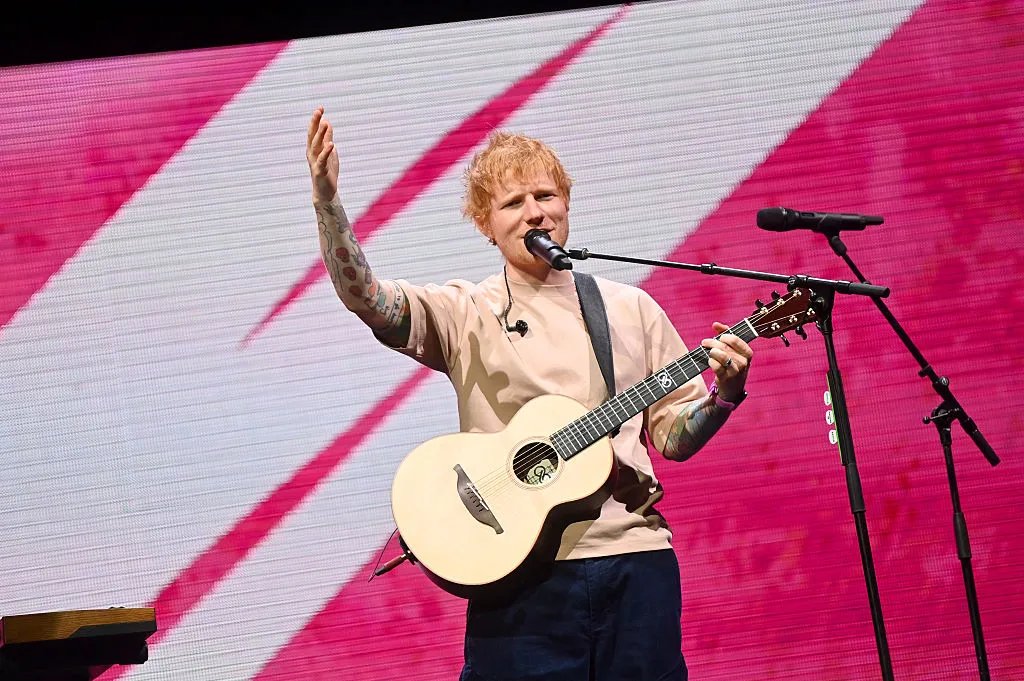
Ed Sheeran, Macklemore and the Tour That Sparked a Music Industry Rift
The most visible entertainment controversy emerged from Ed Sheeran’s Loop Tour after opening act Macklemore made repeated “Free Palestine” remarks during performances at MetLife Stadium in New Jersey.
Following pressure from venue stakeholders and objections from some stadium owners, Macklemore was removed from the remaining U.S. tour dates. Sheeran later said the promoter, not he directly, made the decision.
The fallout quickly expanded beyond the rapper’s departure. Several performers associated with the tour, including FINNEAS, Aaron Rowe, Lukas Graham and Irish band Beoga, withdrew in solidarity.
At a Philadelphia concert, Sheeran addressed the controversy, telling fans that the situation in Gaza was “catastrophic and unjustifiable” while also referencing Hamas’ October 7, 2023, attacks in Israel.
The singer described the previous week as among the most difficult of his career and said he worried that venues were effectively deciding which messages could be delivered on stage.
Robert Kraft and NFL Owners Enter the Gaza Debate
The controversy also pulled the NFL into a dispute that began in the music industry. Reports surrounding the tour indicated that venue owners’ concerns, including those of New England Patriots owner Robert Kraft, played a role in the events that led to Macklemore’s removal.
The dispute transformed what had started as a concert controversy into a larger debate about influence, speech and the role of powerful sports executives.
Kraft later issued a public statement saying support for Palestinians should not come at the expense of Jewish communities and emphasizing his long-standing efforts to combat antisemitism. He also announced a $2 million aid pledge while maintaining that Palestinian suffering is real and deserving of compassion.
Critics, meanwhile, argued that venue owners and business leaders exerted undue influence over artistic expression. The result was a public confrontation that blurred the lines between sports ownership, political advocacy and entertainment.
Azeez Al-Shaair and the NFL’s Gaza Messaging Dispute
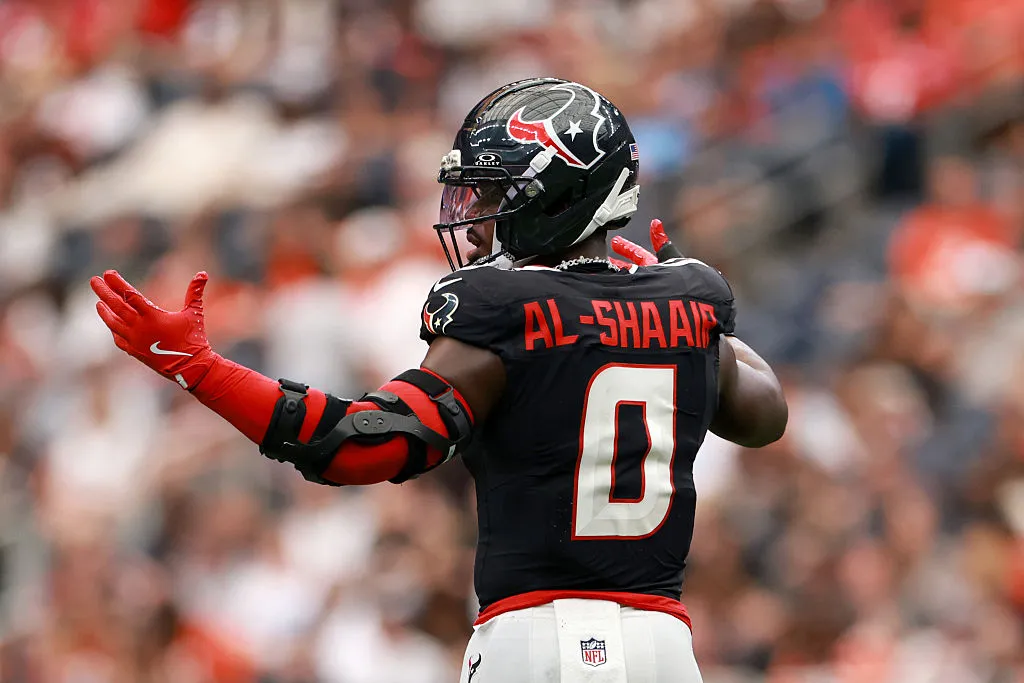
While NFL owners became involved through the Sheeran controversy, the league has also confronted Gaza-related activism from within its own ranks. Al-Shaair, a linebacker with the Houston Texans, has used eye black and equipment to honor Palestinian children killed during the conflict, resulting in league scrutiny and fines.
This month, league officials instructed Al-Shaair to remove the name of 8-year-old Palestinian girl Wafaa Akila from his eye black during a game against the Cincinnati Bengals or risk being removed from play, according to The Athletic.
The incident followed previous penalties related to messages referencing Hind Rajab and a “Stop the Genocide” slogan.
Al-Shaair has publicly defended the tributes, saying the issue is larger than football and emphasizing the value of civilian lives. NBA star Kyrie Irving publicly offered to cover one of the fines.
The case has become one of the clearest examples of Gaza-related advocacy entering the NFL.
Rather than remaining confined to social media, the dispute has unfolded on the field, forcing the league to respond in real time and generating national debate about the limits of player expression.
Paul Pogba, Karim Benzema and Global Soccer’s Palestine Divide
International soccer has become one of the most politically active corners of the sports world on the Palestinian cause. French stars Paul Pogba and Karim Benzema are among the most prominent athletes to publicly advocate for Palestinians, joining a broader movement that extends across Europe, the Middle East and North Africa.
The issue has also produced professional consequences. Players including Anwar El Ghazi and Noussair Mazraoui faced scrutiny, disciplinary action or public backlash following statements and displays of support.
Meanwhile, fan groups such as Celtic’s Green Brigade have repeatedly displayed Palestinian flags during matches, drawing sanctions and fines from soccer authorities.
Advocacy campaigns such as Athletes 4 Peace have also pushed governing bodies, including UEFA, to take action related to Israel’s participation in international competitions.
Beyond individual players, the conflict has spilled into national team competition. Ireland’s Nations League match against Israel on Sunday became the focus of public protests, boycott campaigns and internal disagreements among players.
Some Irish athletes and supporters argued that sporting relationships should be reconsidered, illustrating how geopolitical tensions have increasingly become part of the soccer conversation.
Kyrie Irving, Ons Jabeur and Individual Athlete Activism
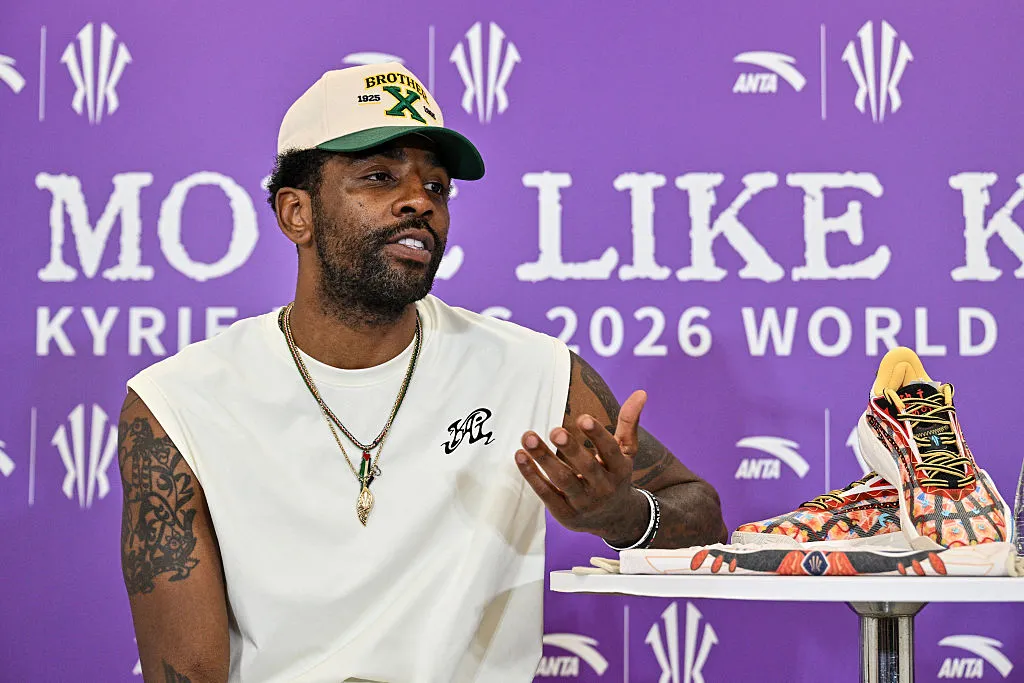
Outside football, athletes from basketball and tennis have used their platforms to advocate for Palestinians in different ways. Irving, who plays for the Dallas Mavericks, has worn Gaza-related apparel and publicly supported athletes facing penalties for pro-Palestinian messages.
His decision to offer financial support to Al-Shaair connected athletes across different professional leagues.
Tunisian tennis star Ons Jabeur has also become one of the sport’s most prominent voices on the issue, donating portions of tournament winnings to Palestinian relief efforts.
Her approach reflects a broader trend among athletes who are combining public advocacy with direct humanitarian fundraising.
The activism extends beyond individual stars. Coalitions such as Athletes for Palestine and Athletes 4 Peace have organized charity drives, relief campaigns and petitions intended to draw attention to conditions in Gaza.
What began as isolated statements from high-profile athletes has evolved into a coordinated advocacy network that increasingly mirrors campaigns across the entertainment industry.
Artists, Actors and Celebrities Expand the Movement
The Gaza debate has not been confined to musicians and athletes. Actors, filmmakers and celebrities have become increasingly active through open letters, fundraising efforts and public demonstrations.
Organizations such as Artists4Ceasefire have attracted thousands of signatories from the film, television and music industries.
High-profile figures including Billie Eilish, FINNEAS, Mark Ruffalo, Susan Sarandon, Annie Lennox, Ramy Youssef, Angelina Jolie and The Weeknd have used major events, social media platforms and fundraising campaigns to advocate for ceasefires, humanitarian aid or broader political action.
Some have faced backlash, professional consequences or calls for boycotts, highlighting how politically charged the issue has become.
The growing involvement of celebrities reflects a broader shift in which cultural figures no longer see Gaza as a subject restricted to governments, diplomats or foreign policy experts.
Contact Newsweek editors on this story: Amanda Castro and Dave Siminoff.