The growing presence of unlicensed AI short-drama applications operated by foreign companies is raising concerns about their potential impact on young audiences, the spread of misleading information about national sovereignty and culture, and substantial financial outflows overseas. VietNamNet examines this phenomenon and its consequences in a series of investigative reports.
A simple search for “AI short dramas” on Apple’s App Store or Google Play immediately returns dozens of applications offering extensive libraries of AI-generated films.
Among them are apps with names beginning with Drama…, Net…, Reel…, Star… and Free…, all published by foreign companies, most of which are based in China.
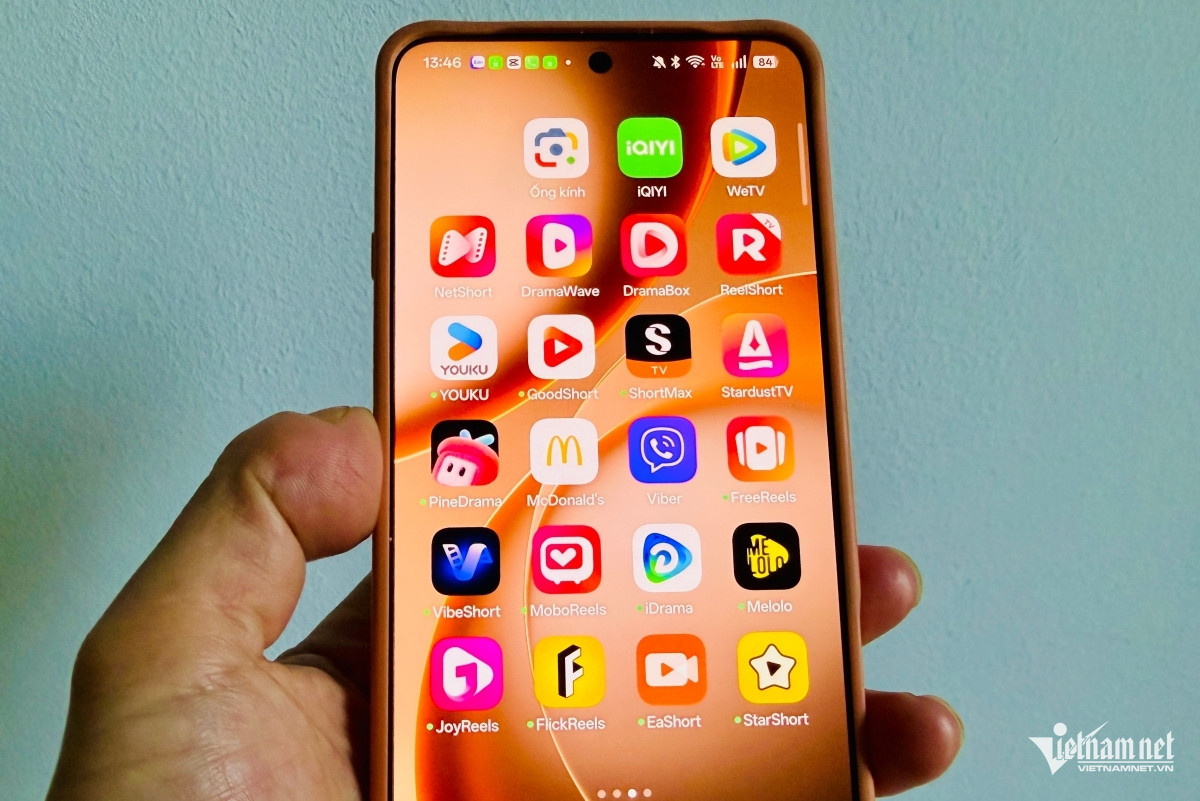
These platforms offer countless AI-generated short dramas through Vietnamese-language interfaces. Individual episodes typically last between 90 seconds and five minutes, with Vietnamese subtitles or AI-generated dubbing. New content is added daily.
Previously, short dramas featuring domineering CEOs, time travel, reincarnation, miracle doctors and characters gaining extraordinary powers were generally set in historical or contemporary Chinese society.
Now, artificial intelligence allows producers to transform the same storylines into productions featuring Western-looking computer-generated characters, revealing costumes and more explicit intimate scenes.
The platforms also feature numerous dramas with controversial themes, including relationships between stepparents and stepchildren, infidelity and other scenarios considered inconsistent with traditional cultural values.
Some productions feature scantily clad characters and sexually suggestive imagery. Because episodes are extremely short, provocative scenes can appear in rapid succession.
Social media advertising draws viewers into paid subscriptions
To attract Vietnamese audiences, these applications advertise extensively across social media platforms, particularly Facebook and TikTok.
Their promotional videos frequently highlight sensational storylines, adult-oriented themes and suspenseful scenes. The advertisements typically stop at a dramatic turning point, encouraging viewers to download an application and pay to continue watching.
Most AI short-drama platforms follow a similar business model.
Users are initially offered several episodes free of charge. Once they become invested in a storyline, they must purchase access to subsequent episodes.
Payment options range from individual episode purchases to weekly, monthly and annual subscriptions.
Many viewers recognize the need to stop watching when they encounter a paywall. However, the applications’ marketing strategies are designed to sustain curiosity and encourage repeated spending.
Nhu Nhien, a resident of Ho Chi Minh City, said she had repeatedly paid for access to short-drama applications. Although she had occasionally managed to stop watching, she eventually returned and spent more money.
She recalled watching a short drama online and deciding to abandon it when the application required payment to continue.
However, advertisements for the same drama subsequently appeared repeatedly on Facebook, TikTok and other platforms, often showing the exact episodes she had been watching.
Notably, these social media advertisements sometimes offered substantially longer portions of the drama than the application itself.
Nhien would continue watching through the advertisements, only to find that the story stopped again just before its climax or conclusion.
The repeated interruptions left her frustrated and eager to discover the ending, eventually prompting her to return to the application and pay for access.
Hoang Tuan, another Ho Chi Minh City resident, similarly described the experience of watching AI short dramas as addictive.
Unregulated AI content raises concerns over young audiences
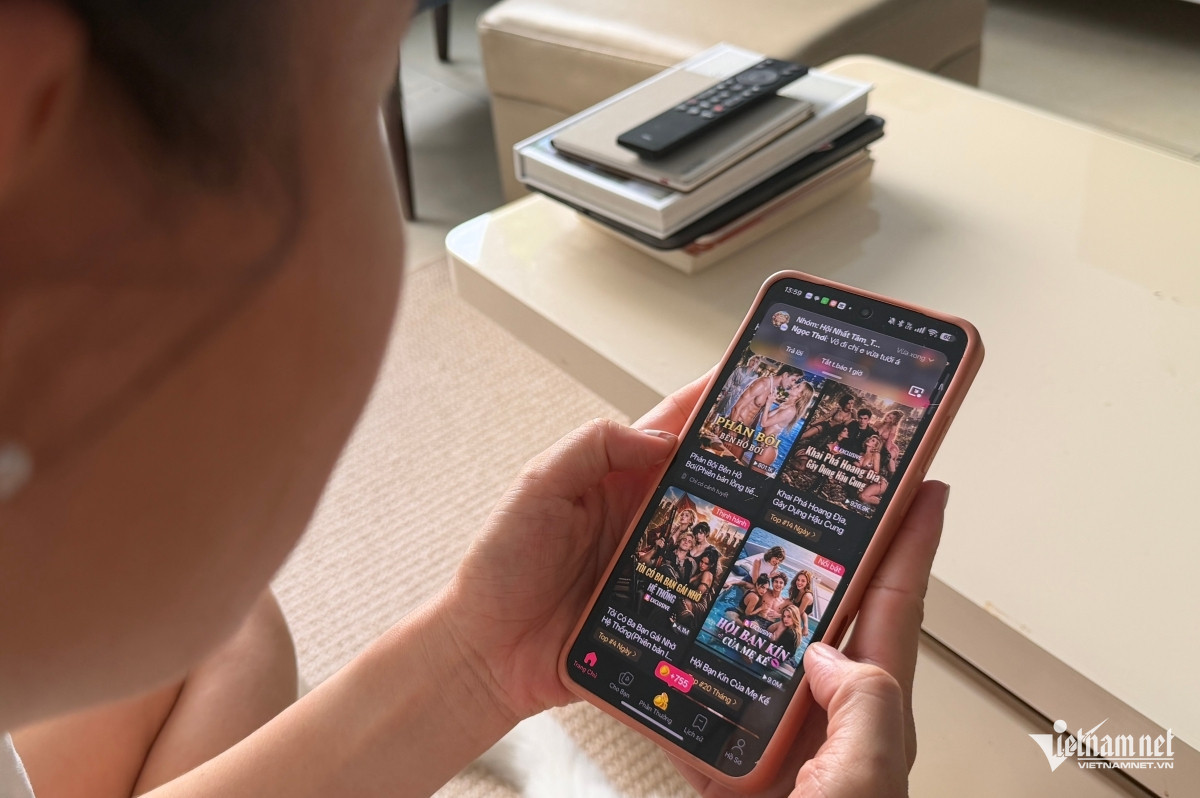
A major concern is that these foreign applications are distributing AI-generated short dramas freely in Vietnam without undergoing domestic content review or approval, according to the report.
Experts and media outlets have repeatedly warned about the potential consequences of Chinese AI short-drama content.
Some productions feature sensational or potentially harmful storylines involving incest, violence and inappropriate sexual relationships.
Combined with recommendation algorithms that repeatedly expose users to similar material, such content can easily reach minors whose understanding of social relationships and values is still developing.
Frequent exposure to these themes may influence young viewers’ perceptions of family relationships, interpersonal behavior and social norms.
The absence of domestic content assessment also raises concerns that applications could be used to introduce distorted historical narratives or subtly promote messages undermining local cultural traditions.
Such messages may be difficult for viewers to recognize, particularly when embedded within entertainment content.
AI technology has also dramatically reduced the time and cost required to produce large volumes of short-form entertainment.
When combined with aggressive social media marketing, this production model can enable the rapid distribution of sexually explicit or otherwise inappropriate material through mainstream application stores.
The trend presents challenges for Vietnam’s media regulatory framework and efforts to maintain a safe online environment.
Repeated micropayments and personal data risks
Beyond content concerns, the payment model used by AI short-drama applications can create additional financial risks.
Charging viewers for individual episodes encourages repeated small purchases, which may accumulate into substantial expenses without users fully recognizing how much they have spent.
The combination of cliffhanger endings, personalized advertising and frequent payment prompts can reinforce compulsive viewing and spending habits.
There are also potential cybersecurity and privacy risks associated with linking international bank cards or payment accounts to unfamiliar applications whose operators and data protection practices may be unclear.
Such arrangements could expose users to payment card information theft, financial fraud and unauthorized collection of personal data.
As foreign AI short-drama platforms continue to expand their reach in Vietnam, questions surrounding content regulation, consumer protection, financial transparency and personal data security are becoming increasingly pressing.
Le My