Want to bookmark your favourite articles and stories to read or reference later? Start your Independent Membership today.
Already a member?
Log in
When Canada walked away from Washington’s trade terms in August, despite the two countries appearing close to an agreement, Prime Minister Mark Carney said the offer crossed Canadian “red lines.”
That prompted Trump to impose 50% tariffs on roughly $20 billion in Canadian goods, and Canada retaliated with its own measures and further trade restrictions.
Eight days out from the U.S. midterm elections, Carney said that trade talks with the Trump administration have picked up slightly.
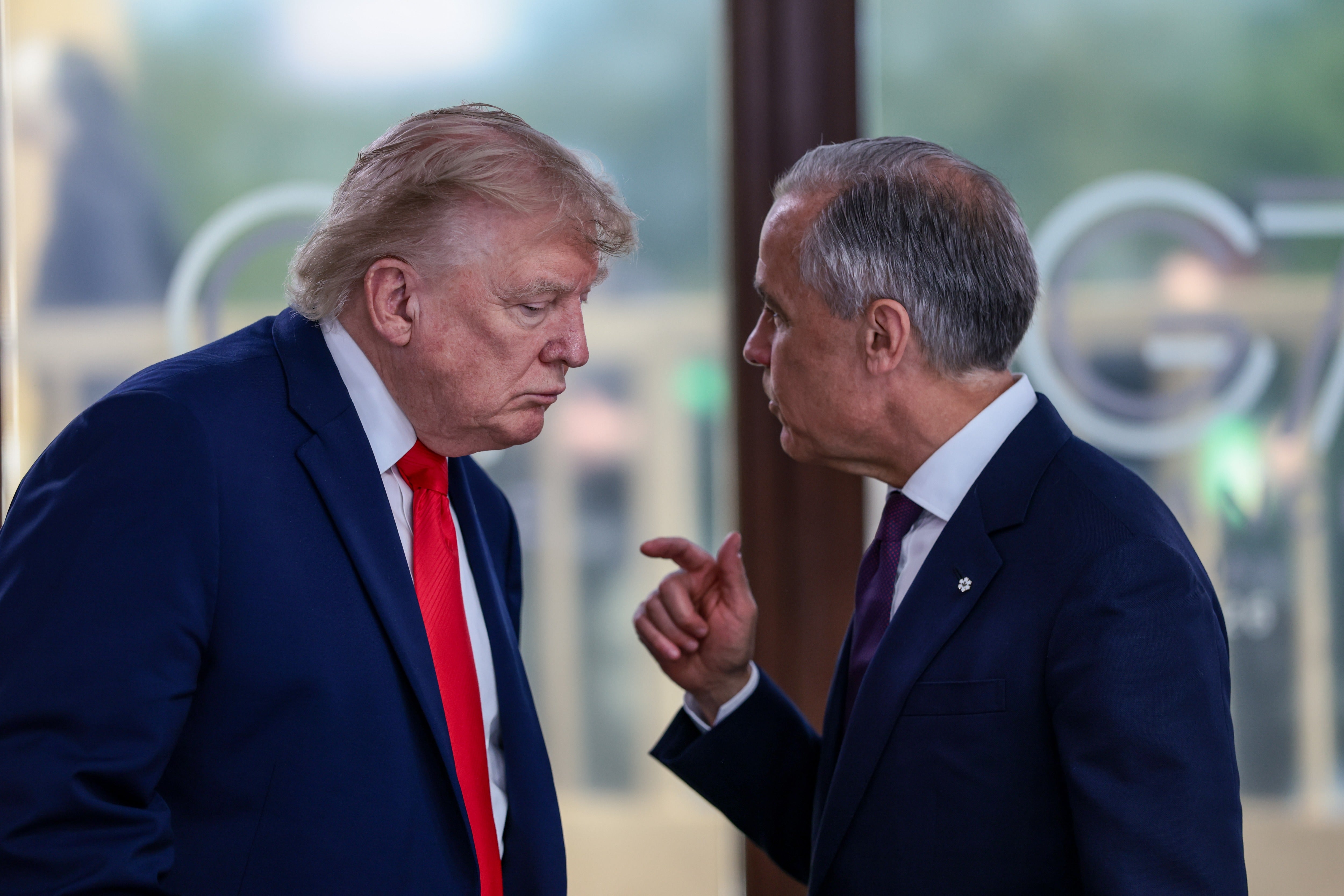
But Carney insisted any progress reflects Washington moving toward Canada’s demands, not Ottawa concessions.
“To the extent any progress has been made, it’s because the U.S. is coming closer to our position,” Carney said.
The White House economic adviser Kevin Hassett has suggested the two countries are close to a deal.
Trade Minister Dominic LeBlanc’s office said Canada remains in “constructive dialogue” with Washington.
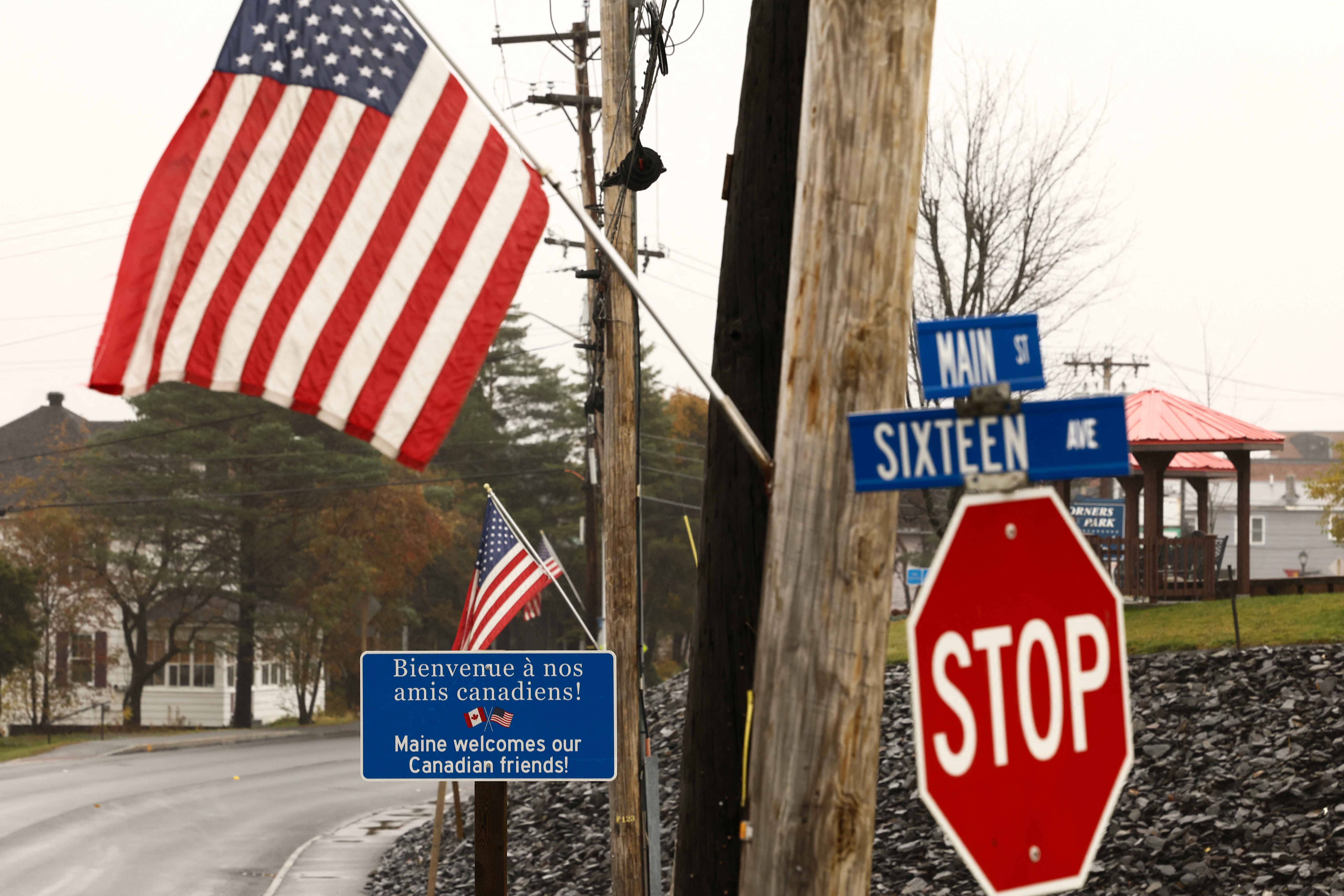
Carney described a “slight, slight intensification” of discussions, while making clear that Canada’s negotiating position has not shifted.
He also acknowledged he cannot be sure Trump would honor a new trade agreement.
Asked whether the president would “sign in pen” after Carney previously warned that Washington’s signature was sometimes “written in pencil,” he replied: “I don’t know that.”
Trump said Friday he would lift some of the 50% tariffs on Canadian goods while also imposing new tariffs on dozens of other products.
Two days later, at a campaign rally in Michigan, he said Canada was “willing to give us anything at this moment” and that a deal would be settled “pretty soon.”

He told a Detroit television station that an agreement could come before the midterms, although it might take months.
The tariffs have become an issue in closely watched Senate races.
Mike Rogers, the Republican candidate in Michigan, says in a campaign ad that Canada is “not our enemy” and “we need to end this tariff war now.”
In Maine, Republican Sen. Susan Collins pressed the Trump administration to ease tariffs on Canadian goods used by farmers and other businesses, and Washington announced exemptions on Friday.
Trump has repeatedly complained about the U.S. trade deficit with Canada, but energy accounts for more than the gap.
The United States buys millions of barrels of Canadian oil every day, typically at a discount, and runs a trade surplus with Canada once it excludes energy.
He also wants automakers to shift production from Canada to the United States, threatening an industry that has been deeply integrated across the border for decades.
His trade war, along with repeated threats to make Canada the 51st U.S. state, has pushed Carney to look for new markets.
Carney’s goal is to double Canadian exports outside the United States over the next decade.
He hosts European Union leaders in Montreal on Thursday and Friday as he pursues closer economic and security ties.
European Commission President Ursula von der Leyen has proposed making Canada the EU’s first associate member, a status that remains undefined.