That’s despite three of the year’s biggest launches – the Galaxy Z Fold 8 series, Pixel 11 range and iPhone 18 Pro lineup – taking place during this period. It seems as though the dual forces of skyrocketing production costs (driven by RAMageddon) and cost-of-living crises around the world are finally having an effect.
As Tech Advisor’s Mobile Editor, you might expect me to be concerned about the shaky state of the industry. But that couldn’t be further from the truth. The shrinking of the global smartphone market is long overdue, offering a prime opportunity to reset our relationship with technology and, crucially, the environment.
The end of annual upgrades
Once upon a time, upgrading your phone every year felt like a real statement of intent. In the early days of smartphones, each new generation delivered genuinely groundbreaking upgrades, making it feel like a brand-new phone.
Companies have become skilled at majoring in the minor
That all feels like a distant memory. Even as a tech reviewer, I often struggle to tell the ‘new’ phone apart from the previous generation unless I dive into the specs. Companies have become skilled at majoring in the minor, dressing up tiny changes as game-changing advancements.
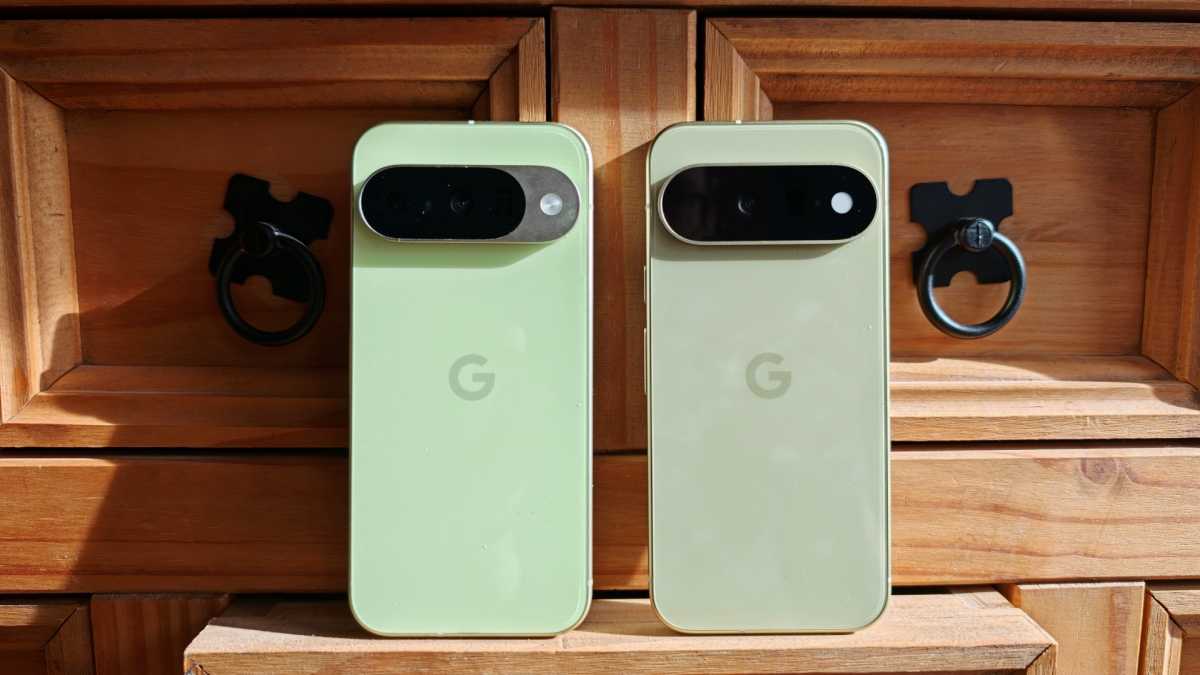
Chris Martin / Foundry
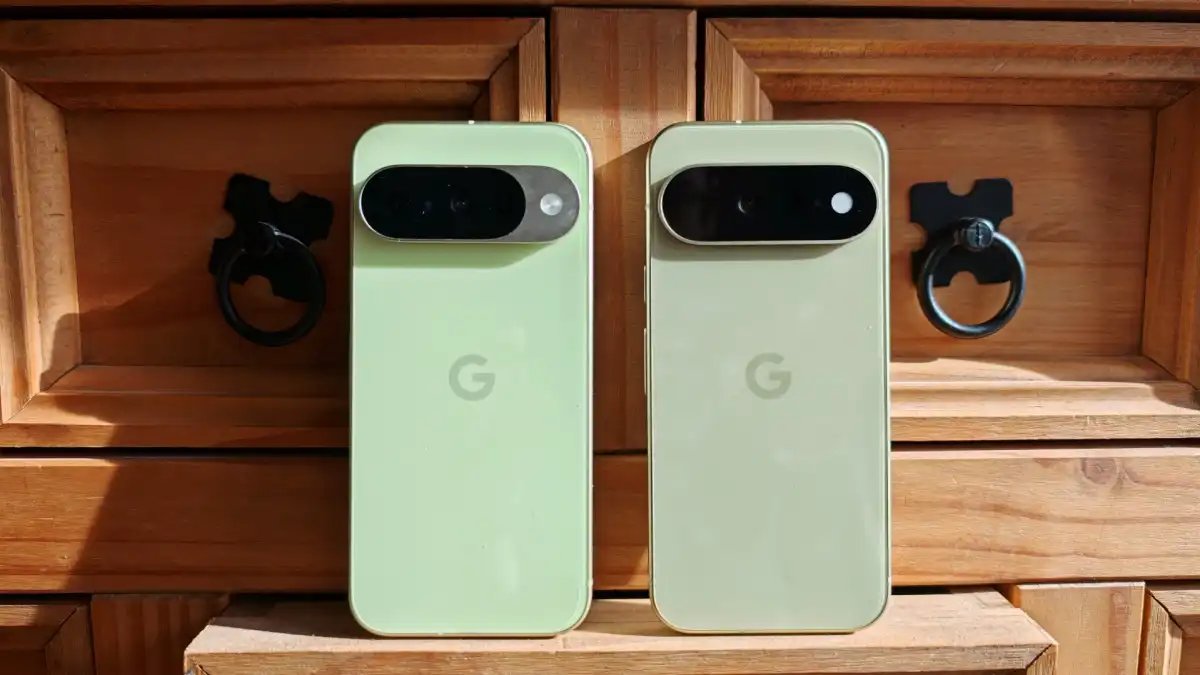
When there’s an obvious visual change, it often feels gimmicky or as though it’s only being done to ensure the new model looks sufficiently different. Take the Pixel 11, which avoids the 11 Pro’s useless ‘HiLight’ feature (no, I won’t stop going on about it) but still gets the ugly flash design on the back.
In 2026, if you’re still upgrading your phone every year, you’re throwing money down the drain. It now takes more than five years of phones to get even close to what was a generational upgrade 15 years ago.