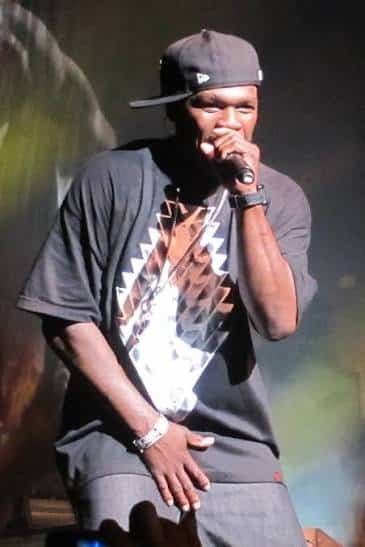
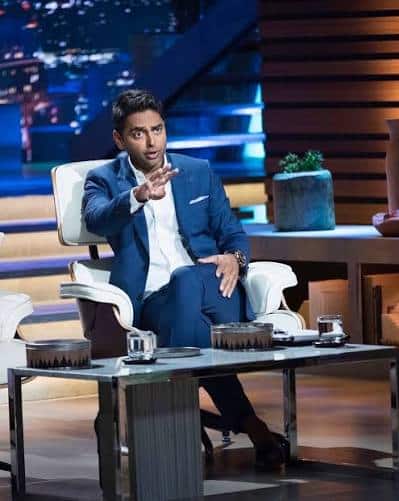
In 2004, a small New York drinks company had a problem. Vitaminwater, its brightly coloured flavoured water, was selling well, but it was one of dozens of drinks on a crowded shelf. Its new marketing chief, a former Coca-Cola executive called Rohan Oza, had an idea. Instead of paying a celebrity to hold the bottle, why not make him an owner?
The celebrity was 50 Cent. Three years later, Coca-Cola bought Vitaminwater’s parent company, Glacéau, for $4.1bn in cash. The rapper reportedly walked away with around $100m. The deal changed how celebrity marketing works, and its lessons are now playing out in boardrooms from Atlanta to London.
The Brandfather
Join The European Business Briefing
New subscribers this quarter are entered into a draw to win a Rolex Submariner. Join 40,000+ founders, investors and executives who read EBM every day.
In 2002 he left Coca-Cola to join Glacéau as a partner and chief marketing officer. It was a risky move. Glacéau was a challenger brand based in Queens, New York, up against the biggest drinks companies in the world. Oza’s job was to make it famous without the budget of a Coke or a Pepsi.
The Deal
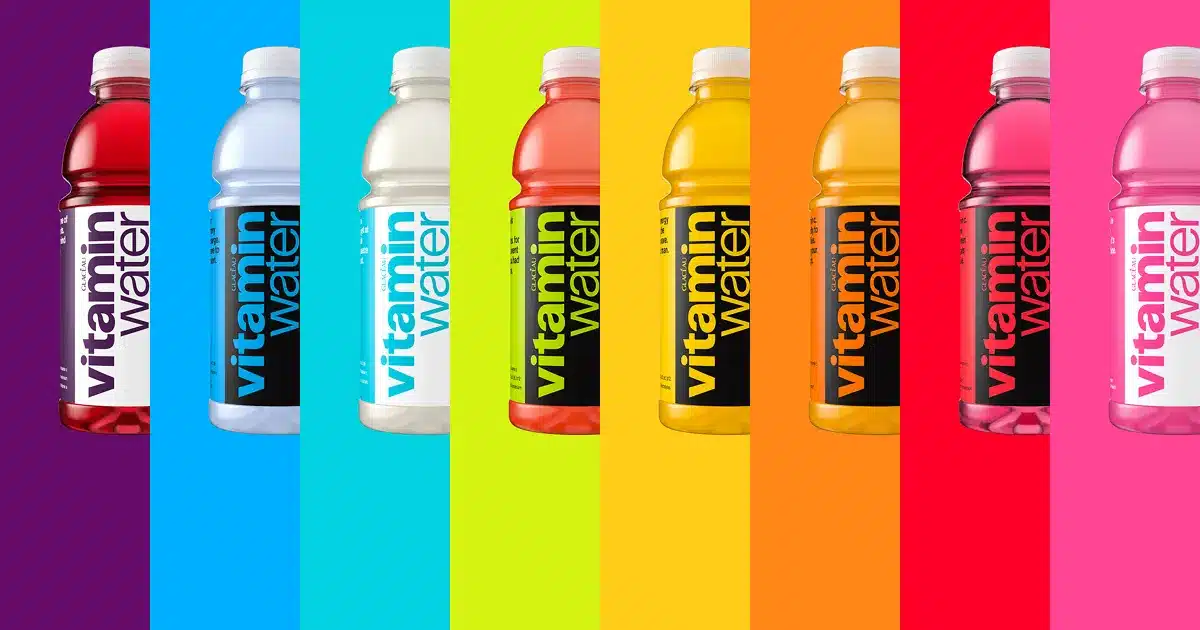 The opportunity came almost by accident. 50 Cent had been seen drinking Vitaminwater in a Reebok advert. He genuinely liked it, having been introduced to it by his trainer. Oza saw an opening.The usual approach would have been to pay a fee and sign a contract for adverts. But 50 Cent and his manager, Chris Lighty, wanted more. Glacéau was reluctant at first. Then, in October 2004, the two sides agreed a deal. 50 Cent would get a fee and a minority stake in the company. He would also get his own flavour, Formula 50.
The exact size of the stake has always been kept quiet. When 50 Cent filed for bankruptcy in 2015, he asked the court to keep the terms private, arguing that the details could give future business partners the upper hand. Reports have put it at between 2% and 10%. Most estimates now settle at the lower end.
Skin in the Game
The size mattered less than the incentive. A celebrity paid a fee has a reason to turn up for a photo shoot. A celebrity who owns part of the company has a reason to make it bigger. 50 Cent pushed Vitaminwater everywhere: in adverts, in interviews and in his music. He wasn’t promoting a product. He was building his own asset.
It worked. Vitaminwater’s sales grew from $100m in 2004 to $700m in 2007. The brand became part of pop culture, the drink you saw in music videos and at the gym. Oza added more famous faces, from Jennifer Aniston for Smartwater to sports stars like Kobe Bryant and Tom Brady.
Then the company Oza had left came back. In May 2007, Coca-Cola agreed to buy Glacéau for $4.1bn in cash, its biggest acquisition at the time. 50 Cent’s payout was estimated at $60m to $100m after tax. Oza stayed on as chief marketing officer of Coca-Cola’s still-drinks brands. “People were talking about how much money I made,” 50 Cent said later, “but I was focused on the fact that $4.1 billion was made.”
The Playbook Spreads
The Vitaminwater deal became a template. Celebrities stopped asking only “how much will you pay me?” and started asking “how much of the company can I own?”
Oza kept running the playbook. He co-founded the investment firm CAVU Venture Partners and became a guest investor on Shark Tank. In 2018 he invested $400,000 for a 25% stake in a small prebiotic soda called Poppi. Last year PepsiCo agreed to buy it for about $1.95bn. In all, Oza has been linked to around $8bn of brand exits.
Others followed. George Clooney’s Casamigos tequila and Ryan Reynolds’ Aviation gin were both sold to Diageo, the London-listed drinks giant, for hundreds of millions of dollars. Europe’s biggest drinks company has become one of the biggest buyers of celebrity-owned brands.
The model reaches beyond drinks. David Beckham has built a business that keeps about 60p of every pound by licensing his name to partners who do the manufacturing. Carlos Alcaraz is building his own sports empire around equity, not just endorsements. And the streaming platforms fighting over live sport are learning the same lesson: fame is worth most when it comes with ownership.
Why It Works, and When It Doesn’t
The logic is simple. An endorsement fee is a cost. Equity is a partnership. A celebrity owner works harder, stays longer and brings credibility that money alone can’t buy. For a challenger brand without a giant advertising budget, it can be the difference between staying invisible and becoming famous.
But it isn’t magic. The product still has to be good, and the timing has to be right. Vitaminwater rode a wave of demand for drinks that looked healthier than fizzy pop. It later faced lawsuits in the US over whether it really was healthy, and its sugar content drew criticism.
Celebrity ownership can also go badly. Prime, the drink co-founded by British YouTuber KSI and Logan Paul, became a playground sensation in the UK in 2023, then cooled sharply as the novelty faded. Fame can launch a brand. It can’t guarantee people keep buying it.
The money also flows mostly one way: to the founders and celebrities who get in early, and to the multinationals that buy out the winners. Sports clubs know the pattern well. As football’s private equity boom shows, the biggest returns go to whoever owns the asset when the big buyer arrives.
The Bottom Line
Rohan Oza’s real insight wasn’t putting 50 Cent in an advert. It was turning a famous customer into a business partner. That one decision helped a small Queens company sell for $4.1bn and rewrote the rules of celebrity marketing. Twenty years later, every athlete, musician and influencer with a following asks the question 50 Cent asked first: not “what will you pay me?” but “what will I own?” For European brands chasing growth on a small budget, it’s still the most valuable question in marketing.
Related Analysis