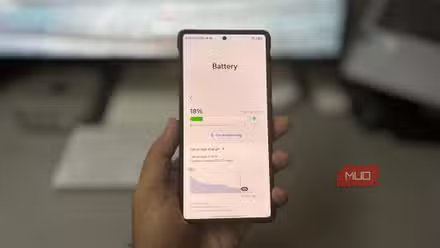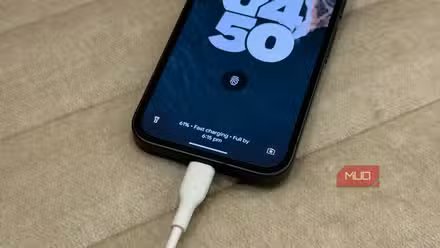
Most phones can charge from 0 to 80% in a matter of minutes, but only if you’re using a charger that can actually deliver the power in the first place. The USB port in your car is usually not that charger. It might deliver enough power to show a charging icon on your phone, but there’s barely any meaningful juice coming through. Sadly, it’s a problem most automakers haven’t bothered to fix, but all you need to get around it is a $10 accessory.
Those built-in USB ports in cars can be painfully slow
They’re convenient, but also underpowered

Most cars these days come with multiple USB ports, but unless you’re driving something modern or high-end, those are usually just USB-A ports. And while they do seem convenient for charging while also using Android Auto or Apple CarPlay, those built-in ports are usually pretty bad at charging speeds.
The reason comes down to specs. Most car USB ports are still built on the USB 2.0 standard, which tops out at 2.5W. Most modern phones require at least 20W to charge at a reasonable pace, with some obviously going way higher to 45W or even 65W for fast charging. So yes, it’s not hard to see why a car’s USB port can struggle. You might see the charging indicator, but the estimated time of full charge will tell you the real story.
I learned this the hard way. I have a 2019 Hyundai Venue and I recently plugged in my Galaxy S26 into its USB port when it was at 50%. After one hour, the battery level had dropped to 45% instead of going up.
And it’s not just about wattages. These USB ports also don’t have the modern charging protocols like USB PD or PPS. And without that handshake, most phones automatically default to the safest option, which is also the slowest. So even if the port could push more power, your phone probably wouldn’t know to ask for it.
A dedicated car charger is a better option
Put that overlooked 12V port to good use
Once I figured out how my car’s USB port wasn’t enough for charging my phone, I had to look for a solution. Thankfully, it was both easy and cheap. I just had to buy a proper car charger that worked with my car’s 12V (yes, the good old cigarette lighter port) and it did the trick. It also gave me a USB-C port my car didn’t have. It’s a big deal because I can finally use the charging cable that came with my Galaxy phone.
You can find these chargers on Amazon for as little as $10. The important part is the output. These things can push 30W, 45W, even 60W. And yes, some of these also support USB PD, PPS and Quick Charge, so you can expect more or less the same charging speeds you get out of your main charger.
This also applies to built-in wireless chargers in cars, by the way. Those pads are almost never Qi2, which is the latest standard on flagship phones like the Pixel 11. Most of them aren’t typically magnetic either, so your phone always bounces around as you drive. That can easily cause the wireless charging coils to misalign and generate unnecessary heat. So yes, if you prefer wireless charging, Qi2 charging car mount. They’re obviously more expensive, but you can expect to find one on Amazon for around $50.
No matter what type of charger you go for, make sure to use a USB cable that can handle the fast charging. If you keep using a cheap, spare cable for your car, you won’t get the advertised charging speeds.
Your car’s USB ports are still useful for other things
No point in wasting it
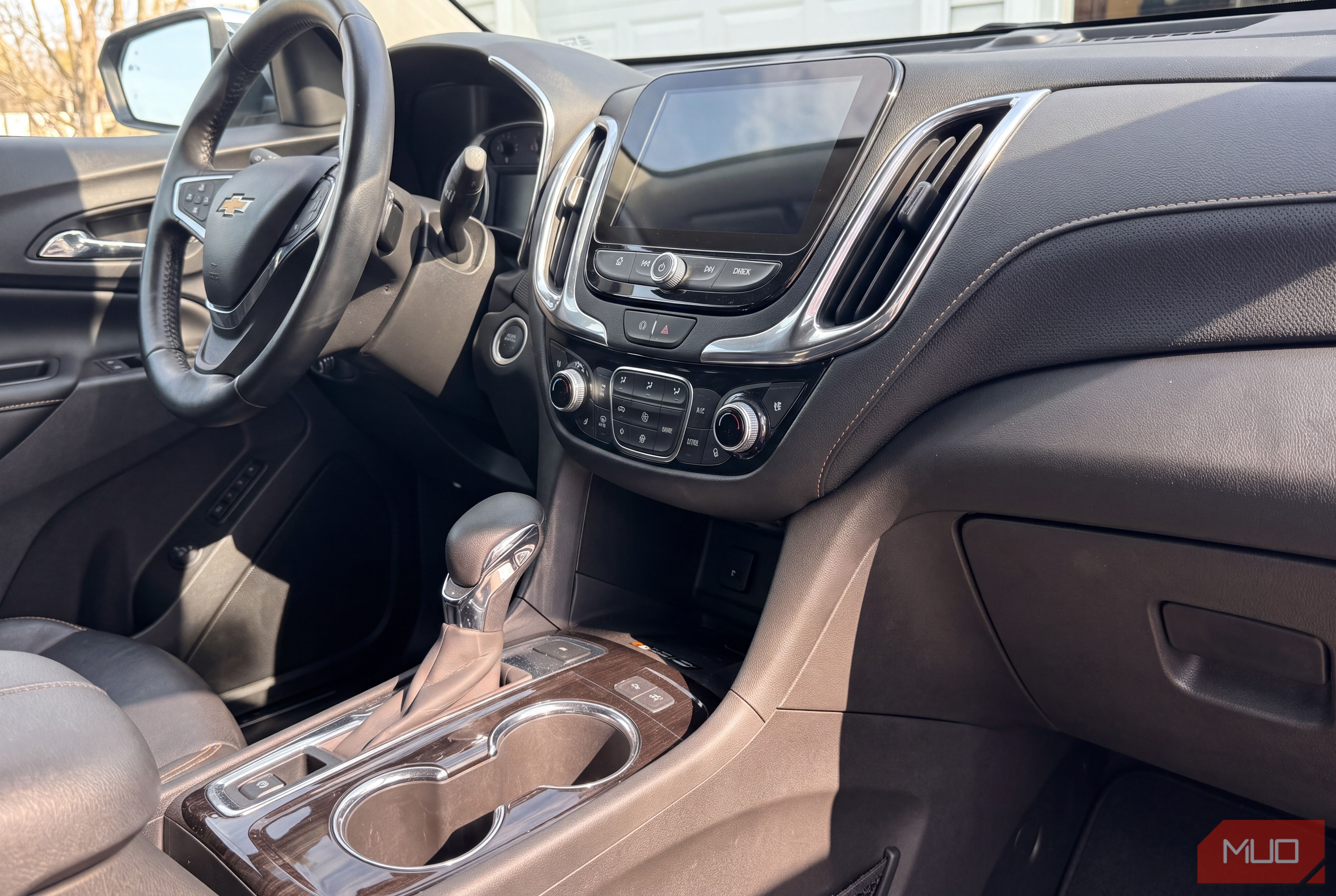
There’s obviously a price for switching to a dedicated charger, which is that you can’t use your phone for wired Android Auto or Apple CarPlay. That’s usually the first thought that comes to mind when ditching the car’s USB port. The most obvious fix here is to switch to wireless Android Auto or Apple CarPlay.
You also don’t have to let your car’s USB ports go to waste. Those are still useful for all kinds of other things. You can, for instance, use it to power your TWS, smartwatch, or power car gadgets like an air purifier, dashcam, humidifier, or an aftermarket TPMS. Heck, you can even give your car a little glow-up with a US
And if you’re old school, you can use that USB port to connect a flash drive full of your favorite playlists. The main benefit here is that you’ll have uninterrupted music playback without draining your phone’s battery. So yes, there’s a lot you can use those USB ports for other than charging.