The third season of the Nepal Premier League begins on October 26, bringing changes to how matches are officiated, how players’ performances are recorded and how spectators experience the tournament.
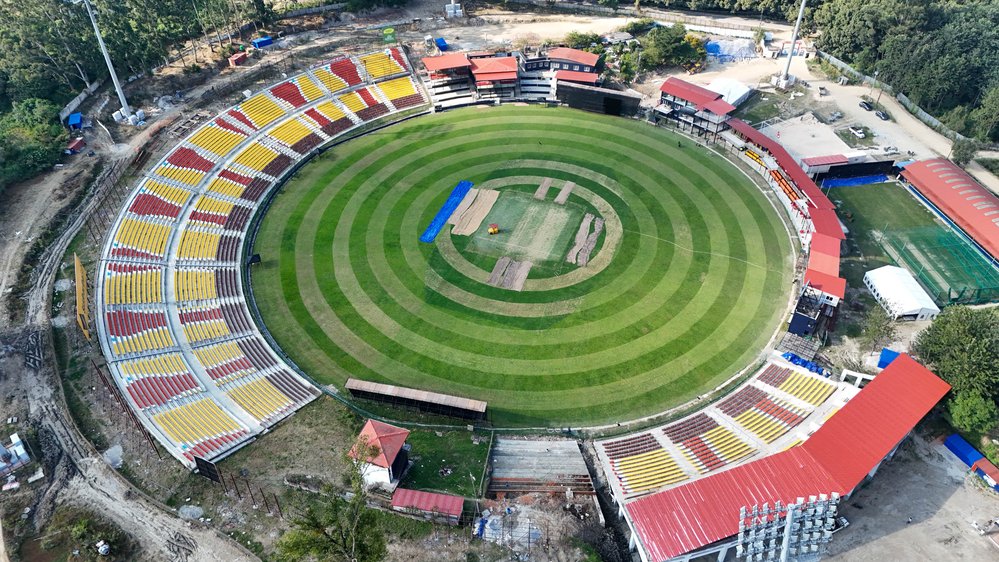
Billed as the “Festival of the Himalayas”, the competition runs until November 21 at the TU International Cricket Ground in Kirtipur. This season introduces the Decision Review System (DRS), follows the International Cricket Council’s sanction of the league and features a line-up of international stars alongside improvements to the stadium.
Here is what has changed and why it matters.
What does DRS mean for the NPL?
The biggest change on the field is the introduction of the Decision Review System, which allows teams to challenge certain umpiring decisions. The Cricket Association of Nepal has introduced the technology following controversies over decisions in previous editions.
The system will use three-dimensional ball tracking to review leg-before-wicket decisions, tracing the ball’s trajectory to assess whether it would have hit the stumps. Edge detection and sound-wave technology will help determine whether the ball made contact with the bat.
Video reviews will also cover run-outs, stumpings, front-foot no-balls, wides judged by height and measurements of sixes. Each team will be allowed two unsuccessful reviews per innings.
CAN secretary Paras Khadka says introducing the system will cost around Rs15 million to Rs20 million, with CAN and the eight franchises sharing the expense. As reviews are expected to add about 30 minutes to matches, the organisers have made an additional 30 minutes available in the initial schedule.
Why does ICC sanction matter?
On October 16, the ICC officially sanctioned the third season of the NPL. The significance goes beyond formal recognition: the matches in this edition will have official Twenty20 status.
That means runs and wickets recorded during the tournament will count towards players’ official career statistics. The sanction applies to the third season, rather than automatically covering future editions.
The absence of this status had made it harder for franchises to recruit active international players, particularly those from Test-playing nations. CAN had used a quota system to manage overseas recruitment under those circumstances. The sanction removes a significant obstacle to attracting such players.
What rules will overseas players have to follow?
The tournament will operate under anti-corruption measures, with the ICC’s Anti-Corruption Unit monitoring venues, dressing rooms and teams.
All overseas players, including retired cricketers, must obtain a no-objection certificate from their respective cricket boards. Players who have participated in an unauthorised private league during the six months before the NPL begins will not be eligible to play.
Each franchise can have six to eight overseas players in its squad. The playing XI, however, can include no more than four foreign players and must feature at least one player from an ICC Associate Member nation.
These requirements govern overseas recruitment and team selection while ensuring that Associate-member representation remains part of the competition.
Which international stars are playing this season?
International players have helped raise the league’s profile since its launch. India’s Shikhar Dhawan featured in the first edition, while South Africa’s Faf du Plessis played in the second.
This season’s confirmed signings include former Australia captain David Warner, who will represent Kathmandu Gorkhas, and West Indies power hitter Andre Russell, who has joined Biratnagar Kings. Bangladesh all-rounder Shakib Al Hasan will play for Pokhara Avengers.
Janakpur Bolts have signed England’s Moeen Ali and New Zealand’s Jimmy Neesham.
Former Pakistan fast bowler Shoaib Akhtar is also expected to visit Nepal for the tournament. He will not play but will work as an analyst for official broadcaster Himalaya Sports.
The presence of these players could give Nepali cricketers opportunities to learn from experienced international professionals while attracting more attention to the league abroad.
What has changed at the Kirtipur stadium?
CAN has also upgraded the TU International Cricket Ground to improve facilities for players, spectators and broadcasters.
The changes include around 2,000 additional seats, a covered stand and new seating. The ground has also been equipped with an LED scoreboard, digital perimeter boards, player dugouts with private dining facilities, a media centre, a dedicated family zone and improved toilet facilities.
The work is reported to be complete and the facilities ready for use. The upgrades are intended to improve the match-day experience and provide better facilities for international broadcasters and sponsors.
What will these changes mean for Nepali cricket?
The third season combines technological changes, official T20 status, high-profile overseas players and improved stadium facilities. Together, these developments could help raise the tournament’s profile and create more opportunities for Nepali players.
Their actual impact will depend on how well the technology works, how the teams perform and whether the league can sustain international interest beyond this season. The tournament, which starts on October 26, will provide the first test of what these changes deliver on the field.