Watching stocks plunge can make even the most seasoned investors nervous. Indeed, the S&P 500 (SNPINDEX: ^GSPC) and Dow Jones Industrial Average (DJINDICES: ^DJI) closed in correction territory on Nov. 20. From there, the Nasdaq Composite (NASDAQINDEX: ^IXIC) surged 6.5%, and the S&P 500 jumped 4.7% on Nov. 23.
Image source: Getty Images.
Missed Nvidia in 2009? This Rare Signal Is Flashing Again. In 2009, a “Double Down” signal flashed for a little-known chipmaker called Nvidia. For the first time in years, that same “Total Conviction” signal is flashing for a company 1/100th the size of Nvidia. Continue »
But now, some markets are turning lower again. So, before rushing to sell, it’s worth looking at what history tells us about market downturns and why staying invested may be the smarter move.
The biggest mistake may be selling after stocks have already fallen
Perhaps the most tempting reaction during a market sell-off is to sell everything and “wait for the market to improve.” The problem with the strategy is that it requires investors to get two decisions right: when to sell and when to buy back in.
In fact, seven of the market’s 10 best trading days over 20 years occurred within 15 days of its 10 worst days. As a result, investors who sell during periods of extreme volatility risk realizing temporary losses, while missing out on the recovery.
The latest bout of volatility is a good example.
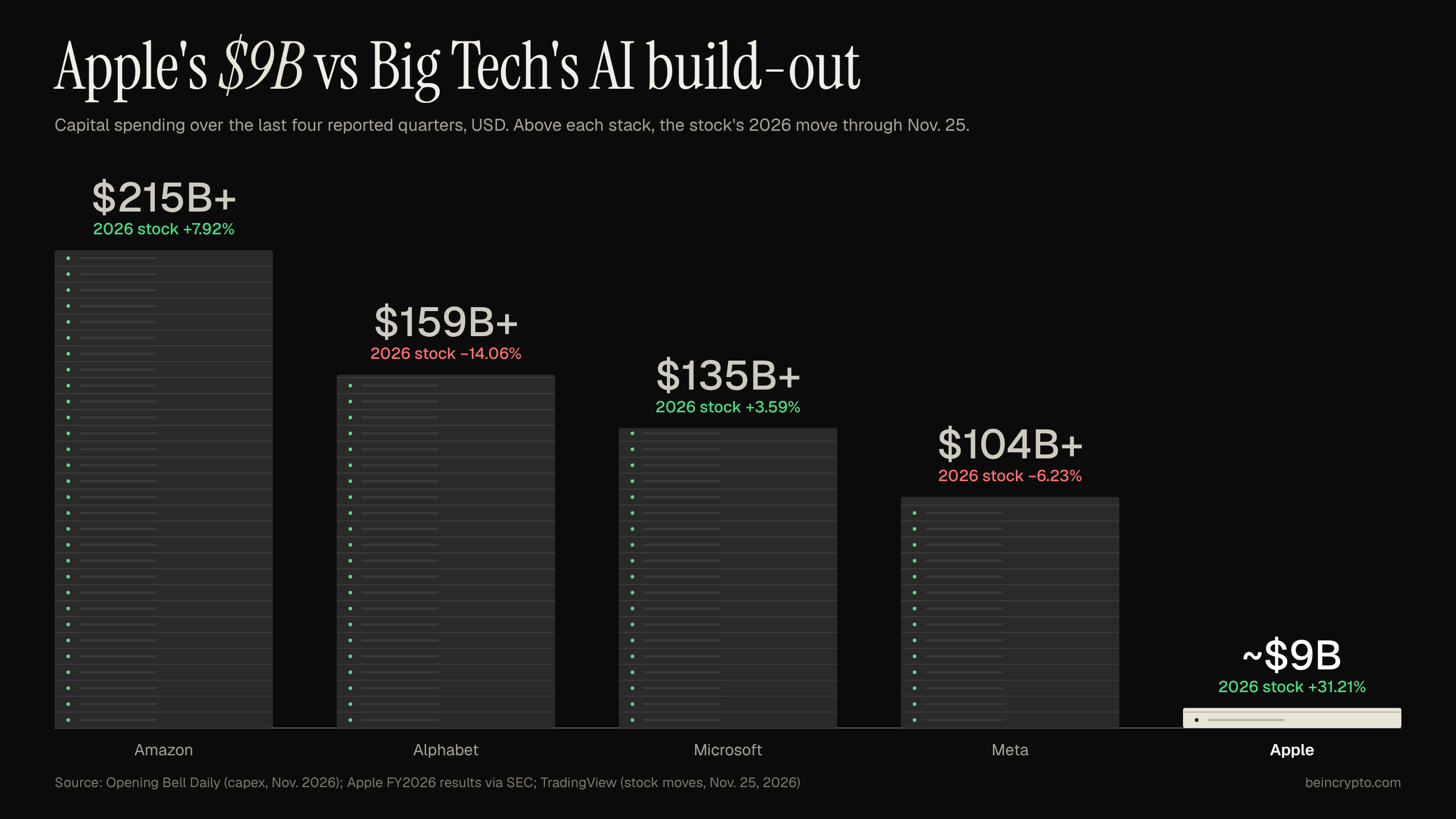
Tech stocks were hit hard in November as investors questioned whether the enormous investments in artificial intelligence would ever generate strong returns. Indeed, concerns about semiconductor demand, regulatory issues, and a possible slowdown in AI spending added to the pressure.
These developments are certainly worth watching, but the broader U.S. market has repeatedly shown its ability to recover and reach new highs over time.
Revisit the investment thesis instead of reacting to headlines
Of course, staying invested doesn’t mean blindly holding just any stock regardless of what’s happening in the markets. Broad sell-offs can create buying opportunities, but investors need to distinguish between quality companies whose stocks are “cheap” and businesses that are fundamentally weakening.
For example, the recent concerns surrounding AI are worth considering. Investors have become more sensitive to the enormous capital expenditures (capex) required to build data centers, develop advanced chips, and expand compute infrastructure. Plus, questions about monetization, financing, and competition have contributed to volatility across the tech sector.
To be fair, these are real concerns. Not every AI company will become a long-term winner, and some of today’s valuations have become difficult to justify. However, that doesn’t necessarily invalidate the broader AI investment opportunity.
Specifically, companies with durable competitive advantages, strong balance sheets, recurring revenue, and credible paths to profitability may still be well positioned to benefit from AI adoption.
Beyond individual stocks, investors can also look at how balanced their overall portfolios are.
Use volatility as an opportunity to rebalance
A steep correction can expose just how much risk an investor has in a particular industry, company, or asset class. That’s why diversification and rebalancing matter a lot.
To start, investors can review whether their current portfolios still align with their financial goals, time horizon, and risk tolerance. For example, someone who has become overly concentrated in high-growth tech stocks may want to diversify into other, less-correlated sectors. On top of that, holding a broader mix of businesses across industries, alongside assets like bonds and cash, can help reduce dependence on any single market theme.
Rebalancing can also have an opposite effect. In practice, when stocks fall, their weighting in a portfolio may decline. Investors with enough liquidity could consider gradually adding to certain asset classes and bringing their allocations closer to their original targets.
Ultimately, staying disciplined and avoiding emotional decisions can help investors weather volatility and stay focused on the long term.
Stay invested and disciplined when markets turn volatile
History has shown that panic selling can be costly, especially as investors risk missing out on the eventual recovery. Instead of trying to time the market, investors can focus on what they can control. This could mean maintaining a diversified portfolio, investing consistently, and revisiting their holdings.
After all, during corrections, patience and discipline may actually be more valuable than trying to predict what happens next. In the end, staying invested may simply be the best move for long-term investors.
Should you buy stock in S&P 500 Index right now?
Before you buy stock in S&P 500 Index, consider this:
The Motley Fool Stock Advisor analyst team just identified what they believe are the 10 best stocks for investors to buy now… and S&P 500 Index wasn’t one of them. The 10 stocks that made the cut could produce monster returns in the coming years.
Consider when Netflix made this list on December 17, 2004… if you invested $1,000 at the time of our recommendation, you’d have $320,394!* Or when Nvidia made this list on April 15, 2005… if you invested $1,000 at the time of our recommendation, you’d have $917,381!*
Now, it’s worth noting Stock Advisor’s total average return is 776% — a market-crushing outperformance compared to 199% for the S&P 500. Don’t miss the latest top 10 list, available with Stock Advisor, and join an investing community built by individual investors for individual investors.
Rick Orford has no position in any of the stocks mentioned. The Motley Fool has no position in any of the stocks mentioned. The Motley Fool has a disclosure policy.