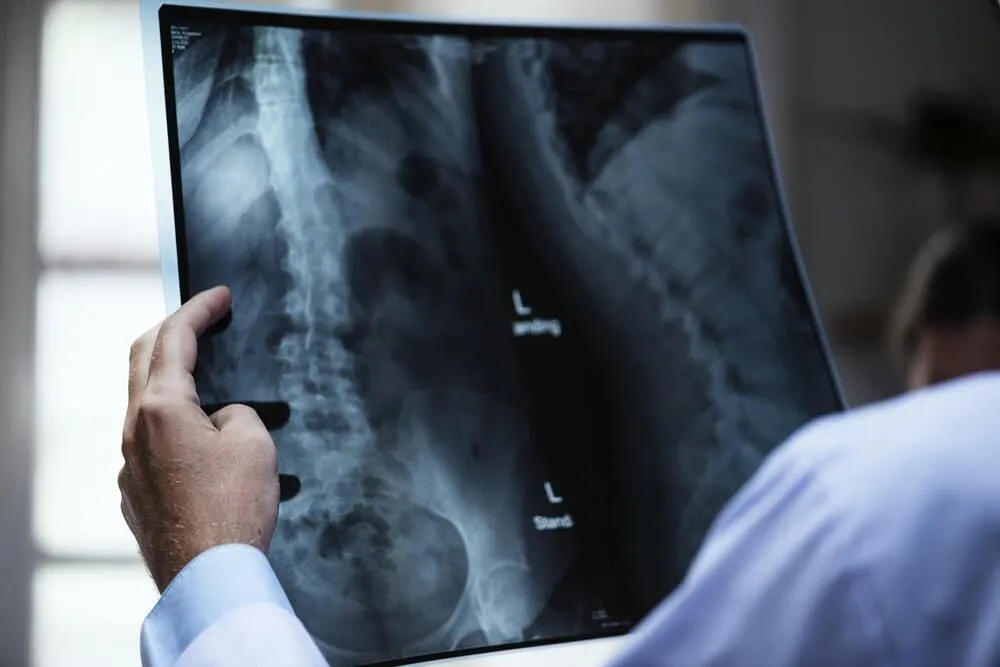
Chronic pain already asks enough of a person without adding fear over the very device implanted to ease it. A 2025 retrospective study out of Saint Louis University found failure rates as high as 44% among patients with spinal cord stimulators.
Broader research shows complication rates ranging between 30% and 40%, with nearly 29% of patients reporting reduced effectiveness over time that requires reprogramming or additional surgery. Federal adverse event data tied to these devices run into the hundreds of thousands of reports, many involving lead migration, fractures, or unexpected shocks.
For residents in St. Louis, MO, dealing with unexplained pain, numbness, or device malfunction after implantation, these numbers carry real weight. Patients and their families are increasingly exploring legal options, and a spinal cord stimulator side effects lawsuit has become a path some are pursuing to hold manufacturers accountable. Understanding how these devices can fail and what warning signs to watch for is the first step toward protecting your health and your rights.
Why Problems Develop

Complications may begin soon after surgery or appear months later. A fall, strenuous movement, charging failure, or programming adjustment can change how stimulation feels. New symptoms may also reflect nerve irritation or infection rather than hardware damage. Patients facing persistent problems sometimes research a spinal cord stimulator side effects lawsuit after medical assessment. That review can clarify whether treatment, equipment, or another condition contributed to the injury.
Sudden Changes In Pain
A sharp increase in pain can indicate lead displacement, fractured hardware, insulation damage, or altered nerve contact. Relief may disappear after months of stable improvement. Some patients notice burning in the back, buttocks, or limbs. Others develop discomfort in a region that previously felt unaffected. New pain deserves prompt review, particularly after a collision, fall, lifting incident, or abrupt twisting motion.
Unpleasant Electrical Sensations
Therapy should produce controlled tingling, not painful jolts. Repeated shocks, buzzing, burning, or intense stimulation may point to a lead problem or incorrect settings. Sensations can arise during walking, sitting, charging, or sleeping. Switching the system off may help control the episode, but that response does not identify the cause. The treating clinic should receive a clear description of timing, intensity, location, and activity.
Weakness and Movement Issues
Leg weakness, numbness, loss of balance, or poor coordination can signal nerve irritation. A person might stumble, drop items, or require assistance with routine tasks. Other neurological conditions can create similar findings, so clinical examination remains essential. Rapid weakness, one-sided symptoms, severe back pain, or bladder and bowel changes require emergency care. Delayed treatment could allow nerve injury to worsen.
Skin and Wound Signs
Redness, warmth, swelling, drainage, or increasing tenderness near the implant may indicate infection or tissue injury. Fever, chills, unusual fatigue, and escalating soreness raise additional concern. An incision that opens or leaks needs prompt medical attention. Patients should avoid squeezing the area or applying unapproved substances. Bacteria can spread beyond the surgical site, increasing the risk of hospitalisation or revision surgery.
Charging and Battery Trouble
A system that refuses to charge, drains rapidly, or stops responding may have a battery, charger, or connection fault. Repeated power loss can leave a patient without expected pain control. Some units display alerts, while others fail without a visible warning. Records should include charging duration, battery behaviour, screen messages, and calls to the clinic. Those details help distinguish user error from equipment failure.
Posture can reveal a lead problem. Painful stimulation during bending, standing, turning, or lying down may suggest movement inside the body. A new lump, shifting contour, or pressure beneath the skin also warrants examination. Patients should record the position, activity, sensation, severity, and duration. Patterns can help clinicians compare current performance with earlier settings and determine whether imaging or revision is necessary.
Treatment Stops Working
Loss of relief does not automatically prove implant failure. Scar formation, disease progression, medication changes, and programming limits can reduce its benefit. A sudden decline after consistent improvement still deserves investigation.
Clinicians may test electrical function, review imaging, examine lead placement, and compare earlier settings. Patients should explain practical effects, including missed work, poor sleep, reduced walking, or increased reliance on medication.
Records That Clarify Events
Helpful materials include operative reports, serial numbers, appointment notes, photographs, prescriptions, invoices, and symptom logs. A timeline should include implantation, adjustments, falls, charging failures, emergency visits, infections, and revision procedures.
Family members or coworkers may describe visible distress and lost abilities. Such evidence assists clinicians in evaluating causation. It also gives attorneys a clearer basis for assessing responsibility and recoverable losses.
Prompt Medical Action
Patients should contact the implanting clinic after serious or unexplained symptoms appear. Severe weakness, signs of infection, bladder changes, bowel problems, or unbearable pain may require emergency treatment.
Device settings should be changed only according to medical instructions. People should not remove components or repeatedly adjust controls without guidance. Health protection comes first, while records can be preserved during diagnosis and treatment.
Conclusion
Painful shocks, reduced relief, weakness, wound changes, charging failures, and posture-related symptoms can signal a spinal stimulator complication. None proves a defective product by itself. But sound medical assessment can separate hardware concerns from infection, nerve disease, medication effects, or other causes.
Patients should report changes quickly, retain treatment records, and track functional losses. Qualified legal advice may help families assess options if complications caused lasting injury, extra procedures, lost income, or substantial medical expenses.