Quick overview
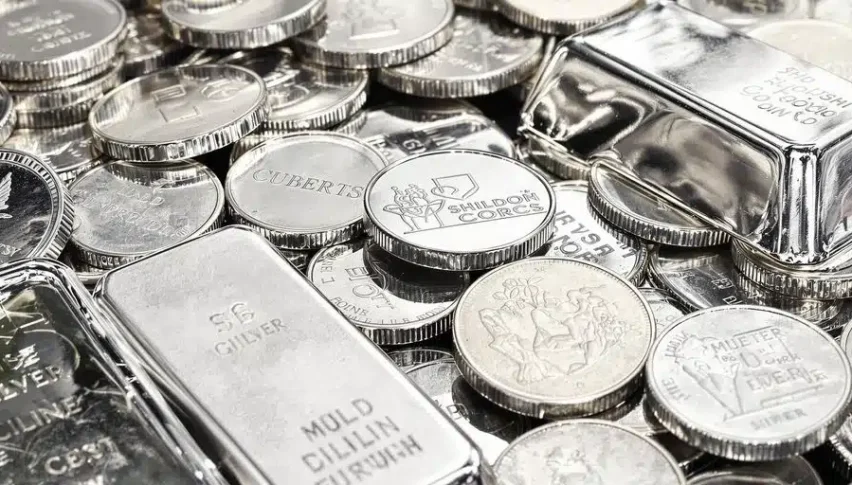
- Spot silver (XAG/USD) surged over 5.5%, trading around $52.30–$53/oz after preliminary election results indicated a Democratic sweep of Congress.
- The decline in the U.S. Dollar Index below 101.5 made silver cheaper for international investors, driving demand.
- Silver’s recent rise was supported by aggressive short covering and technical buying as it was technically oversold.
- Continued industrial demand, particularly from green energy sectors, and supply constraints from mining are expected to keep silver’s market tight.
Spot silver (XAG/USD) surged by over 5.5% from session lows of $48.96 to trade around $52.30–$53/oz.

Preliminary election results pointed to a Democratic sweep of Congress aimed at countering President Donald Trump’s policy agenda.
This sparked a sharp decline in the U.S. Dollar Index (DXY), which broke below 101.5. A falling dollar makes it cheaper for international investors, driving upside demand because silver is priced in U.S. dollars.
U.S. Treasury yields pulled back amid shifting fiscal expectations. Silver benefits from lower opportunity costs when bond yields drop as a non-yielding precious metal.
Short Covering & Mean Reversion: After weeks of downside pressure—with silver having fallen significantly off its autumn highs—the metal was technically oversold. The election trigger prompted aggressive short covering and technical buying as momentum indicators (like the daily RSI) crossed back into neutral territory.
Industrial & Green Energy Demand: Over half of annual silver demand comes from industrial applications. Continued expansion in solar PV cell manufacturing, electric vehicles, and electronics keeps structural physical deficits tight over the medium term. Supply Constraints: Mining supply remains inelastic, as most newly mined silver is produced merely as a secondary byproduct from copper, lead, zinc, and gold mines.
Federal Reserve Monetary Policy: If incoming economic data forces the Fed to keep policy rates elevated, high real rates will re-apply pressure on precious metals. Broader Manufacturing Vulnerability: Industrial demand could soften if global macroeconomic growth decelerates further.

Olumide Adesina
Financial Market Writer
Olumide Adesina is a French-born Nigerian financial writer. He tracks the financial markets with over 20 years of working experience in investment trading