
Seven out of 10 consumers in China, the world’s largest smartphone market, have no plans to replace their mobile phones through next year, a survey showed, raising the prospect of a prolonged slump as new technologies such as artificial intelligence and foldable designs fail to spur demand.
About 69% of respondents in a survey of Chinese consumers conducted last month said they would not change their smartphones at least through next year, according to Bloomberg Intelligence on the 4th. That is roughly double the share recorded in a May survey. The number of respondents who said they would keep their current devices for the next two to three years also rose.
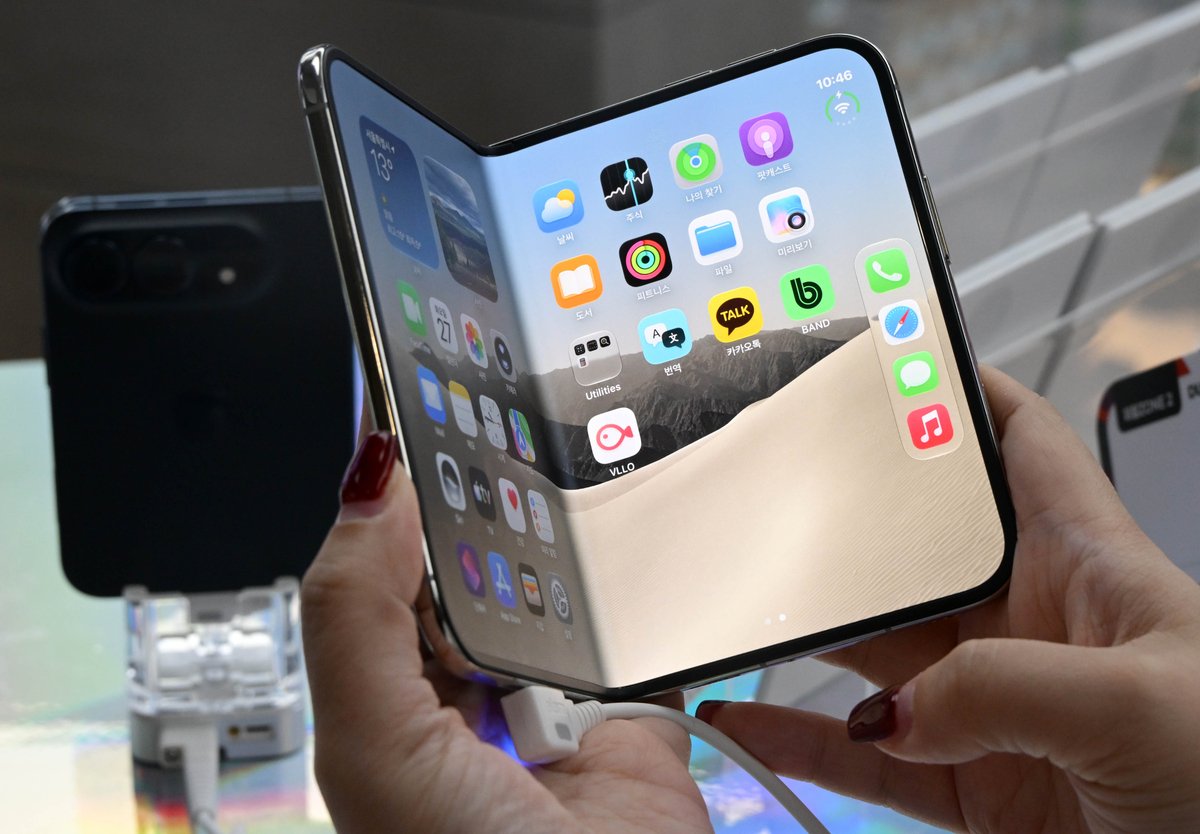
Interest in foldable phones also fell short of expectations. Although Apple recently launched its first foldable smartphone, the iPhone Duo, only 5.8% of respondents said they use a foldable phone or plan to buy one. Analysts said foldables remain a niche product in China.
Consumers continued to prioritize hardware such as battery life, camera performance and memory specifications. Memory stood out as a key factor in purchase decisions, with 87% of respondents saying a phone for daily use should have at least 16 gigabytes of memory to be ideal.
By contrast, only 8% of respondents cited AI as a factor in their purchase decisions. That was down from 12% in a survey a year earlier and the lowest share among 11 factors considered.
Against that backdrop, Apple was seen as relatively better positioned to weather the downturn. The reason is that iPhone users are more willing to accept price increases than users of Chinese brands such as OPPO and vivo, and are more likely to pay extra for new AI features. “Twenty-seven percent of non-iPhone users consider AI when buying but declined to pay more,” Bloomberg Intelligence analyst Steven Tseng said. “That is higher than the 19% among iPhone users.”
Apple’s results in Greater China were in fact strong. Apple reported fiscal fourth-quarter earnings for July through September on the 2nd, saying revenue in Greater China — covering China, Taiwan, Hong Kong and Macau — rose 21% from a year earlier to $17.54 billion (about 23.5 trillion won), a record for the July-September period, according to Bloomberg and other outlets.
Bloomberg added that the figure fell short of the average market forecast by about $1 billion (about 1.3 trillion won), but noted the estimate was compiled from a small number of analysts. Apple Chief Executive John Ternus said revenue in Greater China rose 28% from a year earlier on a full-year basis.
Liu Dingding, an industry analyst, said in an interview with the Global Times that Apple’s performance in Greater China shows the importance of the vast Chinese market. He added that Apple could continue setting records in China if it refines its ecosystem and AI strategy and tailors products and services to local demand.