Despite a questionable macro economy and soaring energy prices, equity markets have been buoyed by the massive, unprecedented artificial intelligence buildout. Just how impactful has the AI revolution been for the U.S. economy and stock market? The massive wave of CAPEX spending on data centers, graphics processing units (GPUs), and energy has accounted for more than a quarter of total U.S. GDP growth and now dwarfs every other major American infrastructure boom, including the Interstate Highway System, the Apollo space program, and the 19th-century railroad expansion. In other words, Wall Street’s big question is: “How sustainable is AI spending?” The answer matters not only to the AI industry, but also for the U.S. economy and stock market as a whole.
Below are three clues that AI spending is sustainable for the foreseeable future, including:
Samsung’s Record Profit
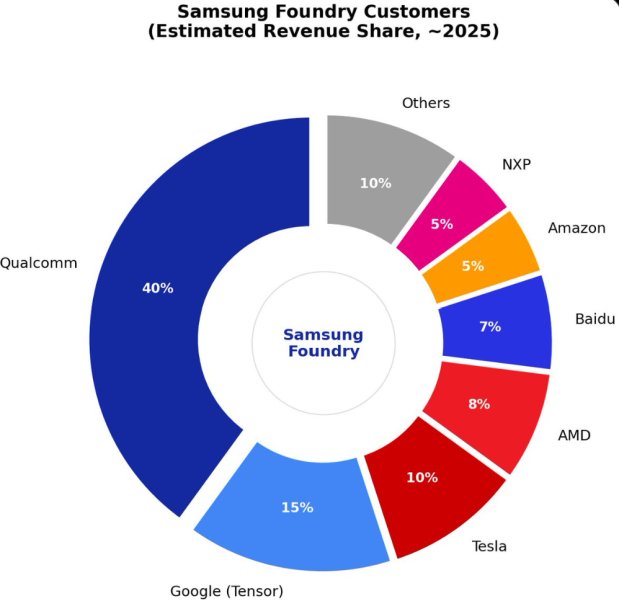
Samsung Electronics is the world’s largest memory manufacturer. AI data centers have driven insatiable demand for memory over the past few years. Last night, Samsung’s earnings gave investors clues about AI spending. Samsung reported the most profitable quarter ever by any company ($80.2 billion). Samsung’s main customers include Qualcomm (QCOM), Alphabet (GOOGL), Tesla (TSLA), Advanced Micro Devices (AMD), and Amazon (AMZN).
Image Source: Zacks Investment Research
Taiwan Semiconductor Reports Record Revenue
Memory makers aren’t the only ones showing that AI growth remains scorching-hot. Taiwan Semiconductor (TSM), the world’s largest manufacturer of AI chips, reported record Q3 revenue of $46.7 billion, up 50% year over year. TSM is a critical AI company to watch because it produces over 60% of all global contract chips and over 90% of advanced chips. NVIDIA (NVDA), AMD, QCOM, Intel (INTC), Apple (AAPL), and Broadcom (AVGO) are all TSM customers.
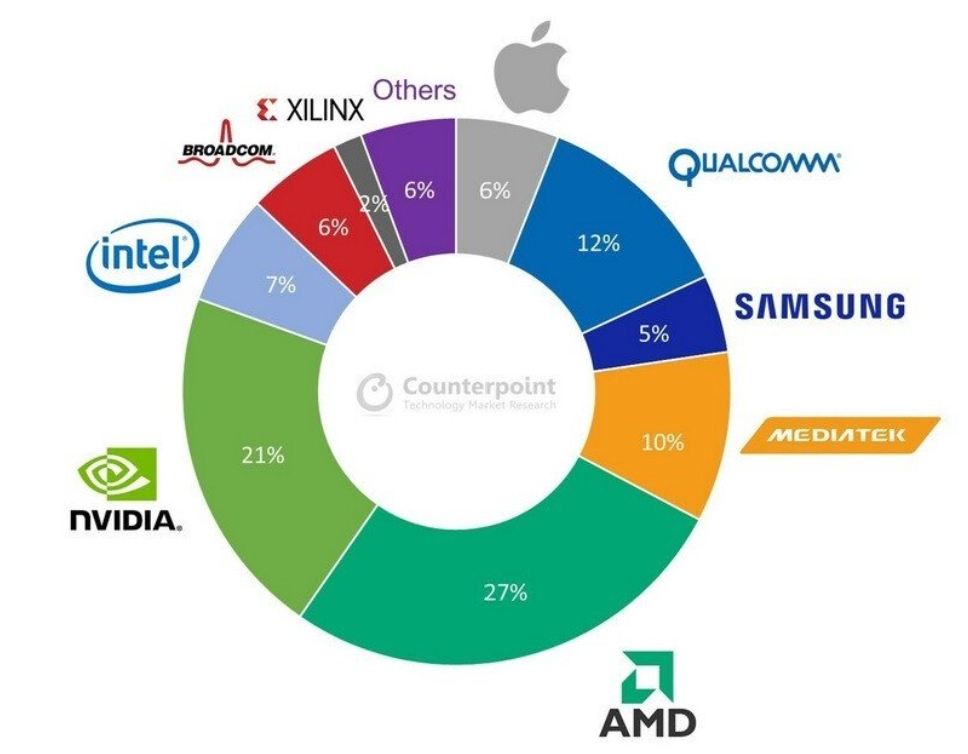
Image Source: Zacks Investment Research
SpaceX Raises Moneyfor Compute
Earlier this week, SpaceX (SPCX) announced it will raise $40 billion in debt to buy NVIDIA chips as it scales its AI compute. Although investors often frown upon debt offerings, SpaceX’s compute economics are mind-boggling. For every dollar SpaceX spends bringing on AI compute, it’s payback period is well under one year, thanks to lucrative deals with Google and Anthropic. In other words, SpaceX is proving that n AI compute investing not only makes sense, but the economics are also extremely attractive.
Bottom Line
The sustainability question about the AI infrastructure buildout has been answered. Recent news from Samsung, TSMC, and SpaceX suggests record CAPEX spending will continue.
Radical New Technology Could Hand Investors Huge Gains
Quantum Computing is the next technological revolution, and it could be even more advanced than AI.
While some believed the technology was years away, it is already present and moving fast. Large hyperscalers, such as Microsoft, Google, Amazon, Oracle, and even Meta and Tesla, are scrambling to integrate quantum computing into their infrastructure.
Senior Stock Strategist Kevin Cook reveals 7 carefully selected stocks poised to dominate the quantum computing landscape in his report, Beyond AI: The Quantum Leap in Computing Power.
Kevin was among the early experts who recognized NVIDIA’s enormous potential back in 2016. Now, he has keyed in on what could be “the next big thing” in quantum computing supremacy. Today, you have a rare chance to position your portfolio at the forefront of this opportunity.
Amazon.com, Inc. (AMZN) : Free Stock Analysis Report
Intel Corporation (INTC) : Free Stock Analysis Report
QUALCOMM Incorporated (QCOM) : Free Stock Analysis Report
Apple Inc. (AAPL) : Free Stock Analysis Report
Advanced Micro Devices, Inc. (AMD) : Free Stock Analysis Report
NVIDIA Corporation (NVDA) : Free Stock Analysis Report
Broadcom Inc. (AVGO) : Free Stock Analysis Report
Taiwan Semiconductor Manufacturing Company Ltd. (TSM) : Free Stock Analysis Report
Tesla, Inc. (TSLA) : Free Stock Analysis Report
Alphabet Inc. (GOOGL) : Free Stock Analysis Report
Space Exploration Technologies Corp. (SPCX) : Free Stock Analysis Report
This article originally published on Zacks Investment Research (zacks.com).