Coffee giants like Lavazza and Keurig, and new entrants like Caraway, all seem to be coalescing around a similar pitch: People want coffee makers with less plastic.
Over the past several months, there’s been a growing trend of companies promoting plastic-free coffee makers. These include both single-serve brewing systems that use compressed coffee tablets, rather than plastic and aluminum pods, and drip coffee machines that don’t use any plastic in the brew path system.
As executives at these companies put it, they see a growing market for new brewing machines that target modern, premium coffee drinkers.
As Neha Malik, senior director of product management at Keurig, put it: Today’s coffee connoisseurs “want rich coffee, and they want it in a more sustainable way.”
In June, Lavazza brought its Tabli brewing system to the U.S., in a quest to take on Keurig, the most popular single-serve coffee system in the U.S. The Tabli brewing system uses compressed coffee tabs, which come in five varieties like espresso and super crema. Lavazza promoted the Tabli brewing system at its coffee bar and lounge at this year’s U.S. Open tennis tournament.
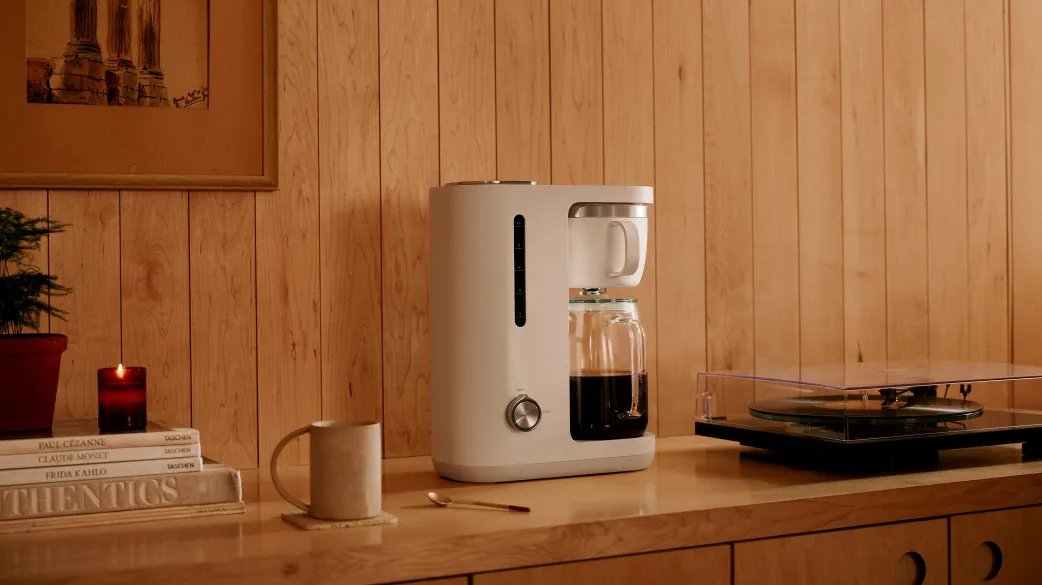
Then, on September 22, home goods startup Caraway — known for its ceramic cookware — launched a coffee maker, its first foray into home appliances. The drip coffee maker makes up to 10 cups of coffee. It utilizes a glass water reservoir and carafe, paired with a stainless steel showerhead, brew basket and reusable filter to ensure that no plastic touches the water or coffee grounds during the brewing process. Caraway founder and CEO Jordan Nathan said the coffee maker took five years to develop.
Finally, on October 1, Keurig made its Keurig Alta machine available for purchase through a limited-access pre-order. The Keurig Alta, like the Tablie brewing system, uses plastic- and aluminum-free pods, relying on pressed coffee grounds instead.
Early signs indicate demand for these products is high. Caraway’s coffee maker sold out within a week of launching, generating more than seven figures in sales. The Keurig Alta pre-orders also sold out within just days of launching.
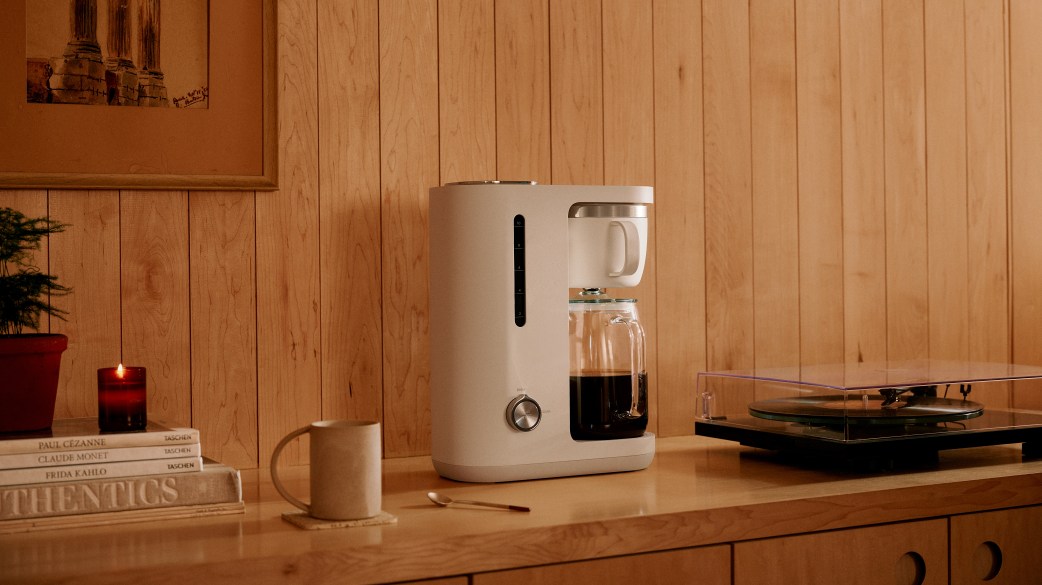
Caraway’s new coffee maker
Malik of Keurig said the company first got the idea for the Keurig Alta in 2020. Back then, Malik said that Keurig wanted to address “three key consumer needs that we just hadn’t been able to meet with the K-Cup Pod.”
One was the growing desire among consumers to drink more than just black coffee at home. During the pandemic, more people experimented with making cappuccinos or lattes at home. At launch, there are six varieties of pressed coffee rounds — called AltaRounds — that people can brew in the Keurig Alta. Second, people also wanted access to better, richer coffee at home.
“If anything, those trends have only grown stronger and louder, and they’ve stayed,” Malik said. People “still want to enjoy barista quality, barista variety at home.”
The third consumer need was sustainability. “Plastic waste has been a concern for people and a reason why certain consumers would not enter the K-Cup or Keurig system,” Malik said.
Keurig’s inspiration for its new plastic-free tablets came from how baristas “tamp the coffee down into a cup before they pull their espresso shot.”
Tightly compressing the coffee grounds into a puck helps with two challenges, Malik said. The first is channeling, which is when “water just kind of takes the path of least resistance through the coffee bed and doesn’t really pull out all the flavor and the oils and lipids and all the things that make coffee rich.” Compressing the coffee also helps with “driv[ing] up the pressure within the brew chamber, and you get to that authentic espresso level pressure,” Malik said.
Once Keurig found a satisfactory level of compression, the next step was to identify a protective barrier that could help protect the puck from damage as it made its way to the consumer. Keurig studied a number of coatings, like beeswax and shellac, before settling on a protective wrapper made of alginate.
The alginate coating helps keep the coffee fresh, Malik explained, and helps the puck stay intact after brewing, so people can dispose of it in their compost bin.
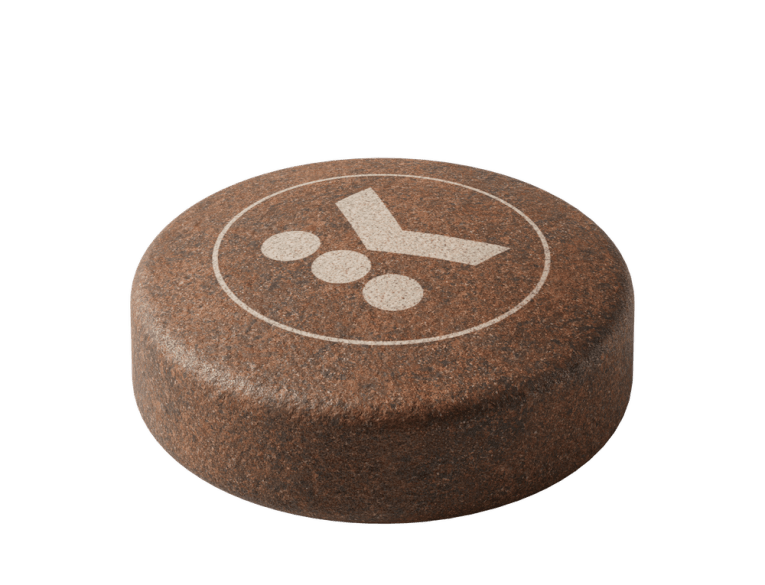
Keurig AltaRound
In late 2024, Keurig opened up the Keurig Alta to beta testing. Keurig gave the product to about 200 consumers to use for eight weeks. The main feedback Keurig got from beta testers, Malik said, is that they wanted to be able to use the machine to do everything a barista could do — they wanted to be able to make lattes and cappuccinos, and they wanted a built-in milk frother.
After the beta testing, Keurig also went back to the drawing board on design, Malik said, to come up with a more “pretty premium design.”
Many of these new plastic-free brewing systems fall on the more premium end of the market. Caraway’s coffee maker costs $495 to start, and the Keurig Alta early-access bundle costs $499.99. The Lavazza Tabli machine, meanwhile, costs $129.99 on Lavazza’s official U.S. store.
Nathan of Caraway sees his company taking the same playbook to coffee makers that it has already taken to cookware. As he sees it, as people spend more time brewing at home, they want a coffee maker that looks nicer and feels more sustainable. Color and design will be key differentiators of Carway’s coffee maker. To start, the product comes in four shades: cream, stone, clay and midnight.
“Consumers are spending on the premium side of the market, and we’re really excited to reinvent a product that everyone has in their home,” Nathan said.
Now that these new brewing systems are out on the market, the next steps for many of these companies will be to keep iterating on color, design and brewing functionality.
“This is absolutely a starting line, not a finish line,” Malik said.