The pet care industry is moving far beyond food, toys and basic veterinary services, emerging as a diverse business sector spanning healthcare, hospitality, nutrition, technology and lifestyle services. As more households begin treating pets as family members, spending is expanding into areas once considered specialised or luxurious. From premium pet food and professional grooming to pet hotels, daycare centres, insurance and travel services, the industry is creating new opportunities for businesses to serve changing consumer needs.
This transformation is particularly visible in urban markets, where smaller households, changing lifestyles and rising disposable incomes are influencing how people care for their animals. Pet owners increasingly want reliable services that make everyday care easier, improve animal health and provide comfort when they are away from home. For businesses, this shift is opening up a market that goes well beyond traditional pet retail.
From Pet Ownership to a Growing Pet Care Economy
The growing emotional connection between people and their pets is changing household spending patterns. Many owners now consider their animals part of the family and are prepared to invest in better nutrition, regular healthcare, hygiene and comfortable living conditions.
This change is encouraging businesses to develop products and services for different stages of a pet’s life. Instead of relying only on occasional purchases of food and accessories, companies can build long-term relationships through regular supplies, grooming appointments, health consultations and specialised care packages.
Urbanisation and the expansion of middle-income households are also supporting this demand. At the same time, online shopping and quick-commerce platforms are making specialised products more accessible to customers beyond major metropolitan areas.
Pet Healthcare Is Emerging as a Major Business Sector
One of the most important growth opportunities lies in professional pet healthcare. As owners become more conscious of animal health, demand is increasing for preventive check-ups, vaccinations, dental care, diagnostic testing and specialised veterinary treatment.
The opportunity extends beyond traditional veterinary clinics. Businesses can explore pet pharmacies, diagnostic centres, rehabilitation services, physiotherapy, nutritional counselling and digital platforms that help owners access professional advice.
Preventive healthcare is particularly important because regular consultations and early treatment can help avoid more serious health problems. For service providers, wellness programmes and scheduled health packages can create recurring business while encouraging responsible pet ownership.
However, affordability, qualified professionals and access to reliable treatment will remain essential to making these services widely available.
Pet Hospitality Is Creating a New Service Opportunity
Pet hospitality is becoming an important extension of the wider care industry. Working professionals, frequent travellers and families with busy schedules often need dependable arrangements for their pets when they cannot look after them personally.
This is creating demand for services such as:
-
Pet hotels and boarding facilities: Safe accommodation with feeding, exercise, supervision and overnight care.
-
Pet daycare centres: Supervised spaces where animals can spend time while their owners are at work.
-
Pet resorts and premium stays: More specialised facilities offering comfortable accommodation, play areas, grooming and personalised attention.
-
Pet sitting and home care: Services that allow animals to remain in familiar surroundings while their owners are away.
-
Pet-friendly travel services: Transport assistance, travel planning and accommodation options for people travelling with pets.
For entrepreneurs, pet hospitality offers an opportunity to build service-led businesses with repeat customers. However, success depends on more than attractive facilities. Cleanliness, trained staff, animal safety, emergency support and transparent care procedures are central to earning customer trust.
Premium Nutrition Is Changing the Pet Food Market
Pet food is also moving towards specialised and quality-focused products. Traditional packaged food continues to serve everyday needs, but a growing section of consumers is exploring fresh meals, breed-specific nutrition, organic ingredients, hypoallergenic diets and health-focused treats.
This is creating room for businesses to develop products for particular dietary requirements and age groups. Fresh pet meals, natural snacks, supplements and customised food plans are becoming potential areas for brand expansion.
Subscription-based delivery is another opportunity. Since pet food and essential supplies need to be purchased regularly, businesses can offer monthly plans and scheduled deliveries. These models can improve customer retention, provide predictable revenue and reduce the effort involved in repeat purchases.
For smaller brands, the challenge will be maintaining product safety, nutritional standards and consistent quality while keeping prices accessible.
Grooming and Personal Care Are Becoming Regular Services
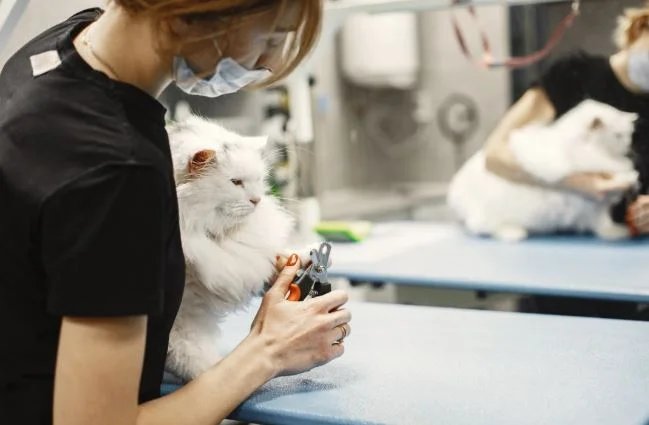
Professional grooming is no longer viewed only as an occasional luxury. Many pet owners now consider bathing, coat maintenance, nail trimming, dental hygiene and skin care essential parts of responsible pet ownership.
This has created opportunities for dedicated grooming studios, mobile grooming vans and home-visit services. Businesses can also expand into specialised products such as pet shampoos, hygiene solutions, skin-care products and grooming accessories.
The service model offers an advantage because customers may return regularly. A business that provides convenient appointments, trained professionals and a comfortable experience can build a steady customer base.
Technology Is Connecting Pet Owners with Businesses
Digital platforms are making the pet care ecosystem easier to access. Consumers can now discover products, book veterinary appointments, arrange grooming, find boarding facilities and order essential supplies through online platforms.
Technology is also creating opportunities in emerging categories such as GPS trackers, smart feeding devices, health-monitoring products and digital pet records. These solutions help owners manage everyday care while giving businesses new ways to connect with customers.
Direct-to-consumer brands and online marketplaces can also reach pet owners in smaller cities without depending entirely on physical stores. For local businesses, digital booking, customer reviews and online consultations can improve visibility and make services more convenient.
New Opportunities for Startups and Small Businesses
The expansion of the pet care industry is creating opportunities across different investment levels. Entrepreneurs do not necessarily need to establish large facilities or develop expensive products to enter the market.
Some promising business areas include:
-
Pet grooming and hygiene services.
-
Home-based pet sitting and walking.
-
Small-scale daycare and boarding facilities.
-
Healthy pet treats and specialised food.
-
Pet accessories, clothing and customised products.
-
Veterinary support, diagnostics and wellness services.
-
Pet transport and travel assistance.
-
Online platforms for booking and recurring deliveries.
Local demand, operating costs and access to trained staff will influence which business models are viable. Smaller entrepreneurs can begin with focused services and expand as customer demand grows.
Trust and Professional Standards Will Determine Success
As the industry expands, competition will increasingly depend on the quality of care rather than the number of products or services available. Pet owners are placing greater importance on safety, hygiene, transparency and professional expertise.
This is particularly relevant for healthcare and hospitality businesses, where customers are entrusting them with the well-being of their animals. Proper facilities, trained caregivers, emergency arrangements and clear service policies can help businesses build credibility.
There is also a need to balance premium offerings with affordable services. Not every pet owner can pay for luxury accommodation or specialised products, but most need access to dependable food, grooming and healthcare. Businesses that serve different spending capacities without compromising essential standards can reach a broader market.
A New Business Economy Built Around Pet Care
The pet care industry is developing into a much wider business ecosystem, connecting retail, healthcare, hospitality, technology, nutrition and lifestyle services. As expectations around animal care continue to change, demand is likely to create opportunities for both established companies and new entrepreneurs.
The biggest opportunity lies in understanding that pet owners are not simply buying products or booking services; they are looking for reliable solutions that make caring for their animals easier and better. Businesses that combine professional standards, convenience, quality and genuine attention to animal welfare can build lasting customer relationships.
Pet care is no longer just a supporting part of the consumer market. It is becoming a distinct business sector with opportunities across products, services and experiences.