Moldovan Brands Runway AW26/27: Where Fashion, Culture, and Creativity Collide
Fashion has always been a reflection of culture, identity, and the world around us. While the industry’s most recognized fashion capitals continue to command attention, emerging destinations are proving that creativity knows no geographical boundaries. This season, Chișinău, Moldova, offered its own perspective on what a fashion week can look like.
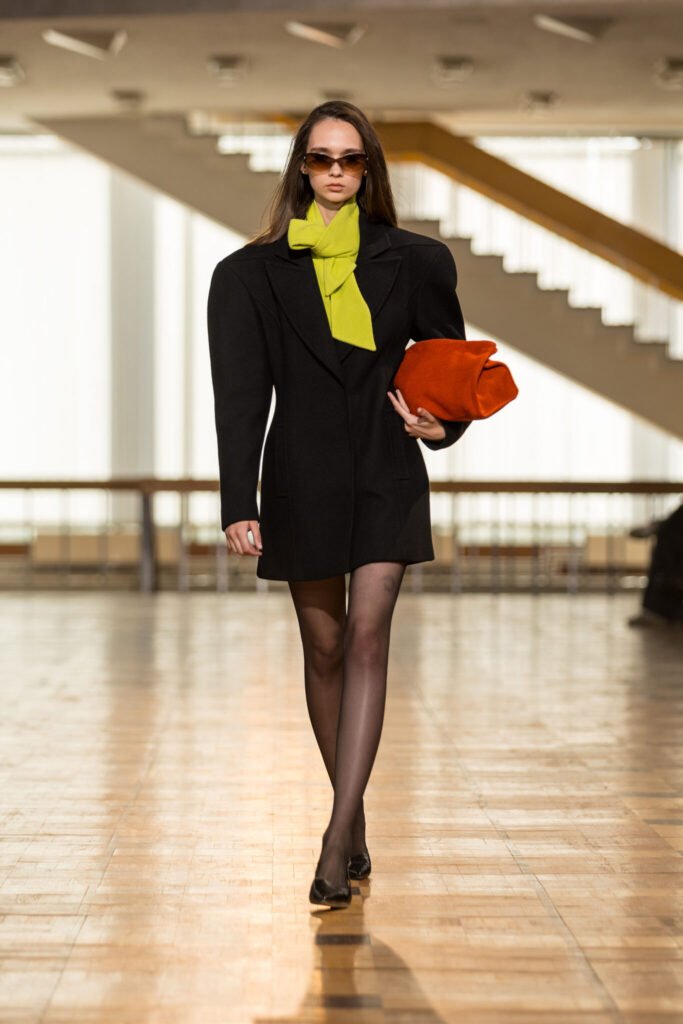
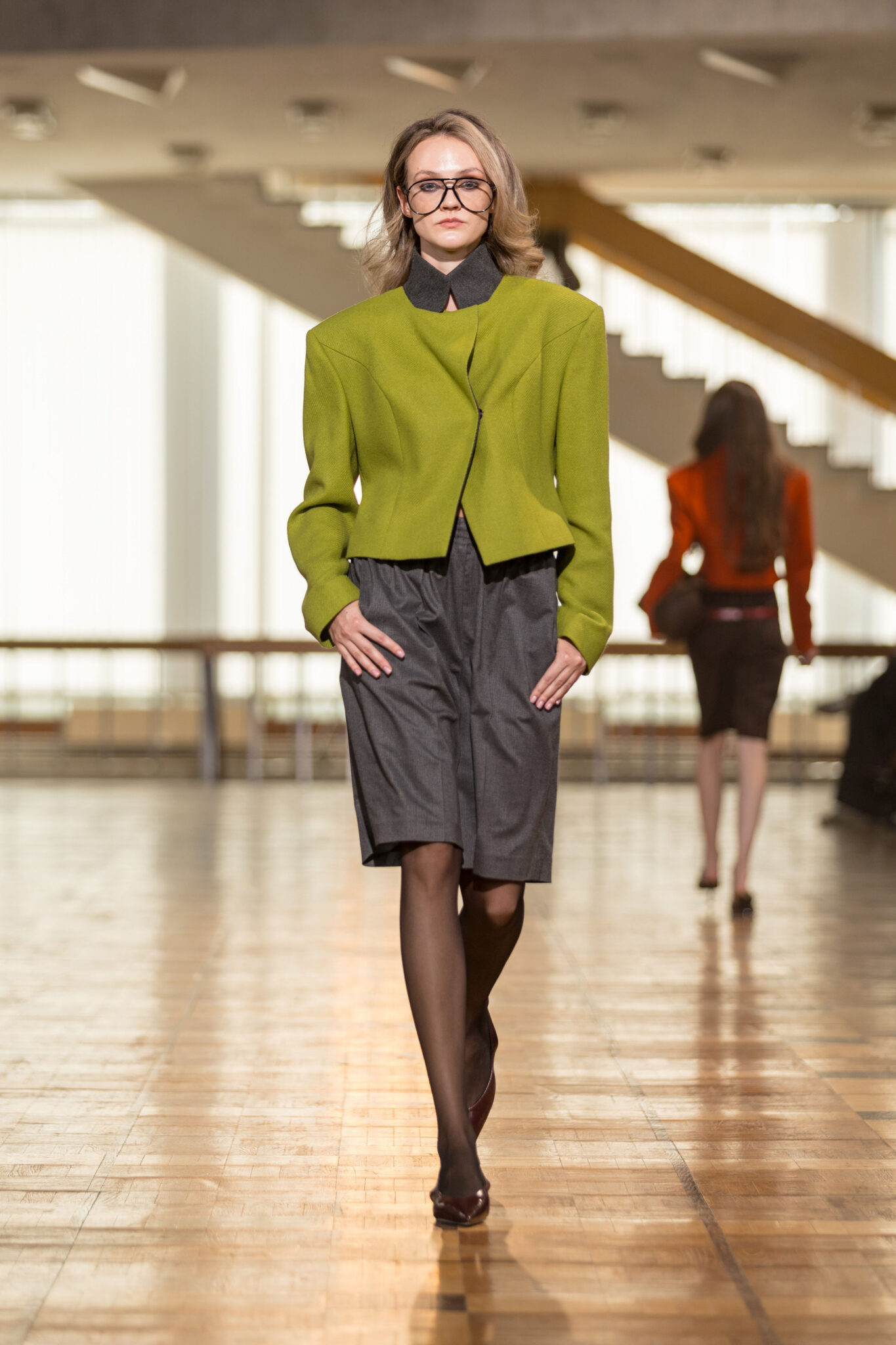
From October 7–10, Moldovan Brands Runway (MBR) AW26/27 transformed the city into a four-day celebration of fashion, bringing together established designers, emerging talent, and international creatives. With nearly 2,000 attendees, the event went beyond traditional runway presentations, embracing unconventional venues, cultural storytelling, and immersive experiences. From a working mine 60 meters underground to a historic museum and an operating factory, designers used the city itself as an extension of their collections.
A Different Approach to Fashion Week
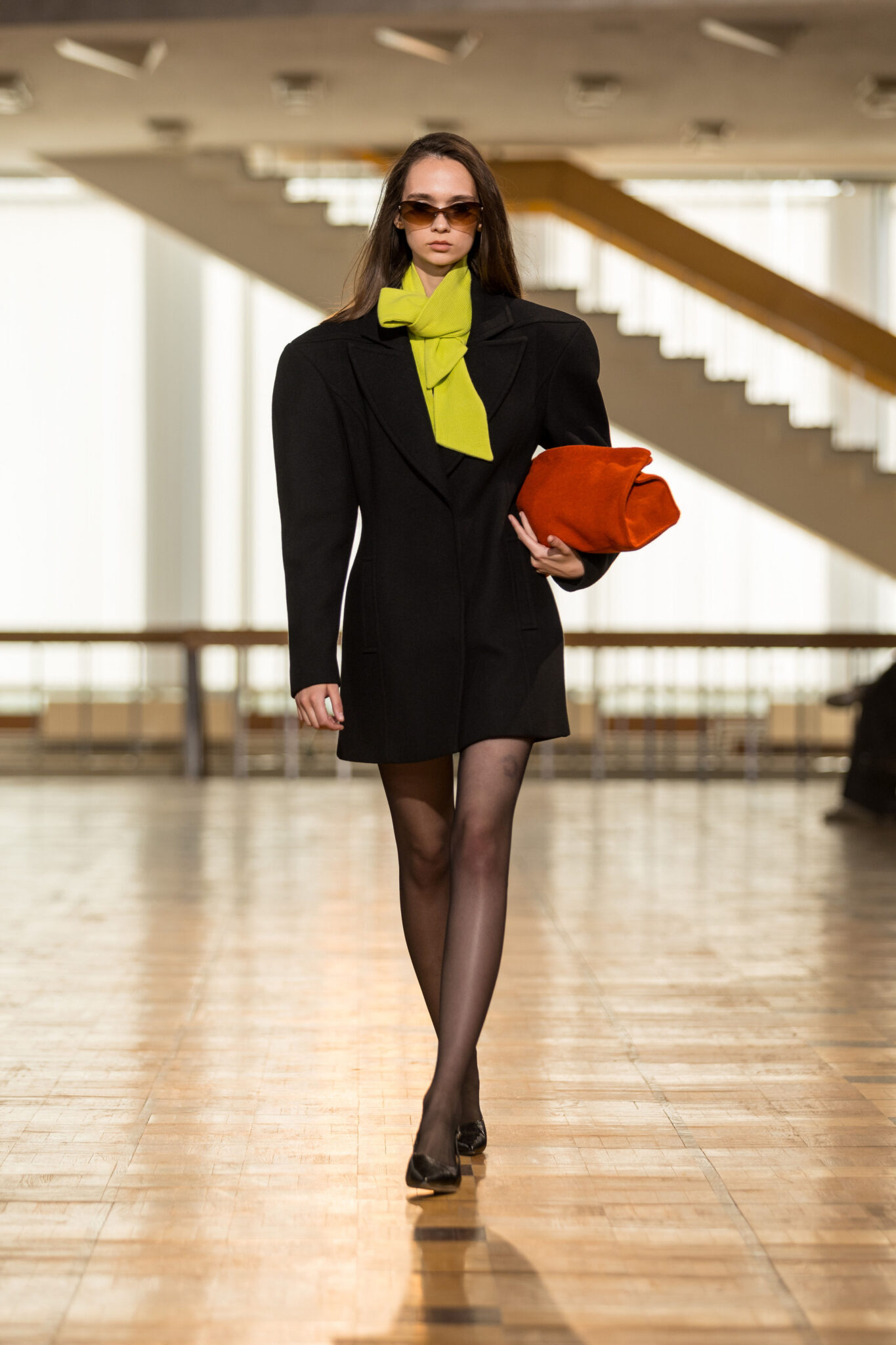
What began as a one-day local event has evolved into a growing platform for Moldova’s fashion industry. Now in its third year, Moldovan Brands Runway is creating opportunities for designers to introduce their work to an international audience while maintaining a strong connection to their cultural roots. The season opened on October 7, followed by presentations at Palatul Național Nicolae Sulac on October 8. Designers Caravasili, Șotropa, VYAZ, and Julia Allert showcased their collections, each bringing a distinct creative perspective to the runway.
On October 9, the attention shifted to Mediacor, where emerging and established designers shared the spotlight. Among the participating brands were IONEL, Georgette, and Altezza. One of the day’s unexpected moments came during Altezza’s presentation when Moldovan national artist, Constantin Moscovici, made an entrance from a Lotus vehicle, bringing together fashion, music, and performance. The collaboration reflected the season’s willingness to experiment with how fashion is presented and experienced.
When the Runway Becomes Part of the Story
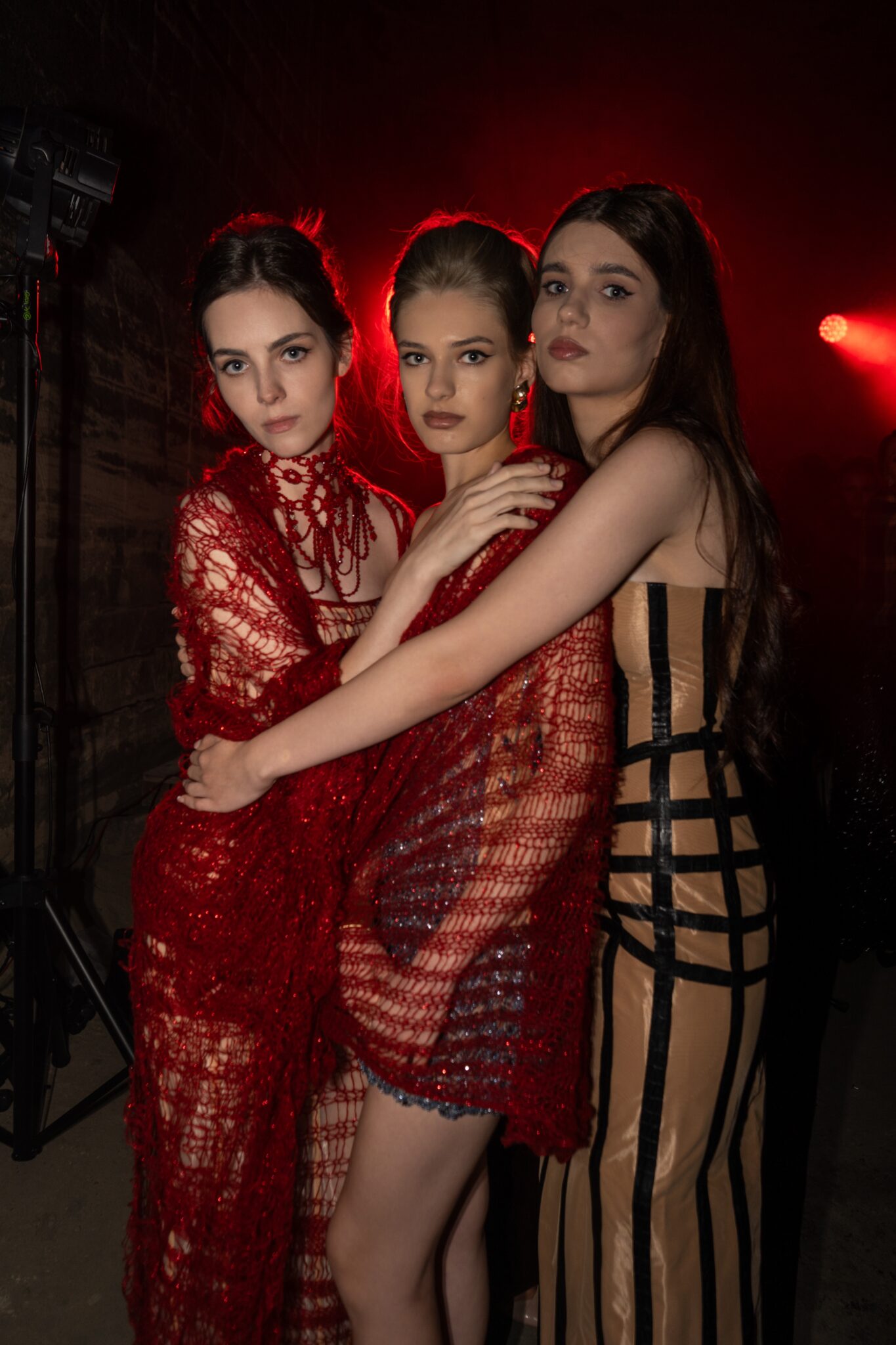
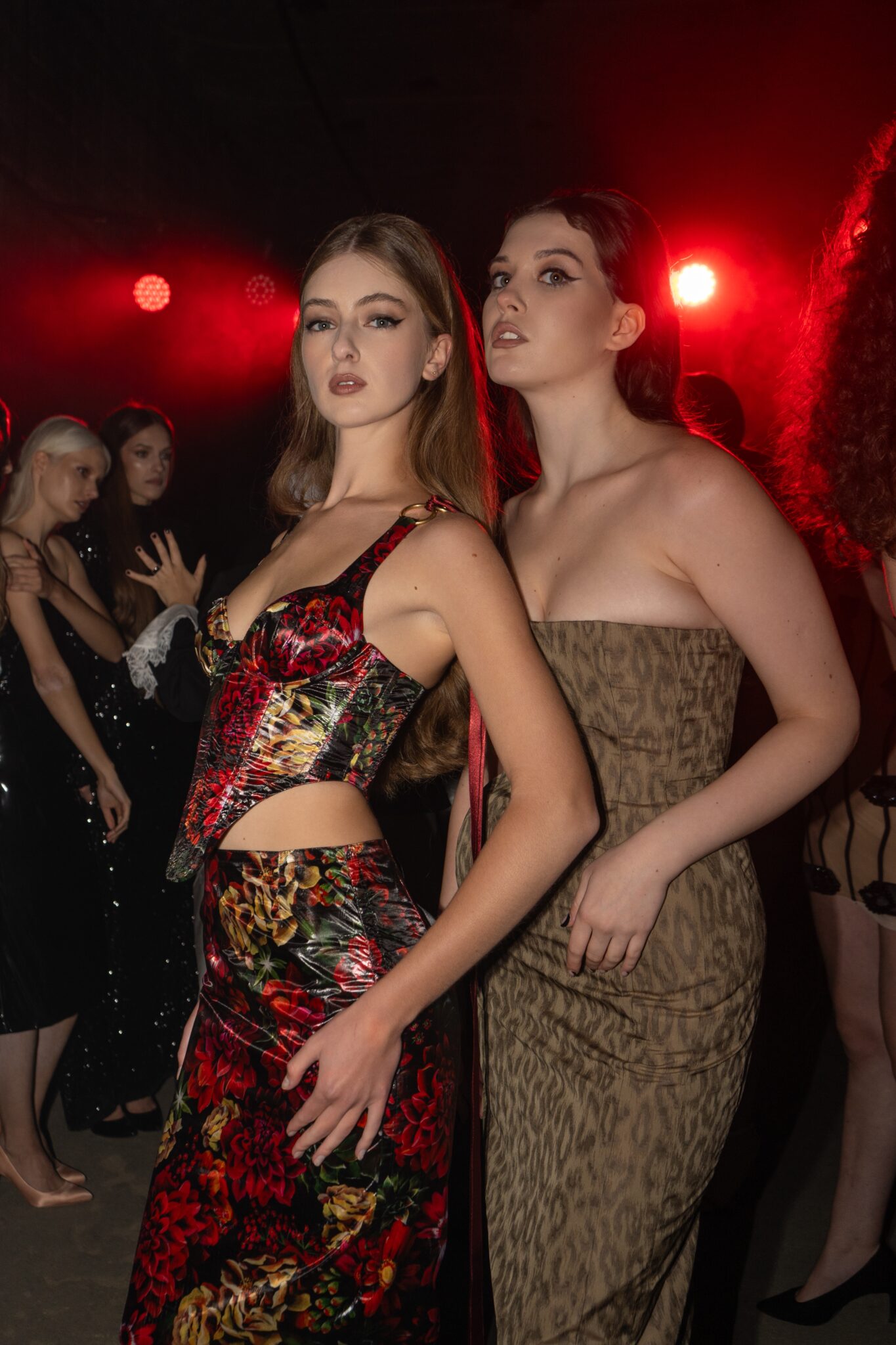
Perhaps one of the most memorable elements of AW26/27 was the decision to take fashion outside its traditional setting. ROTARI brought its audience 60 meters underground into a working mine, where temperatures hovered around 14°C. Against the industrial surroundings, the designer presented sculptural dresses, structured corsetry, and evening-wear. The contrast between the raw environment and the refined silhouettes created a striking visual experience, demonstrating how location can completely transform the way a collection is perceived.
Designer Alexei Sorokin took a different approach, staging a nostalgic presentation at a local flea market. Using repurposed materials sourced from the market, the collection explored memory, sustainability, and Moldova’s visual identity. Traditional Moldovan songs added another layer of cultural storytelling.
Meanwhile, Flori de Mai presented at the National History Museum, connecting contemporary fashion with the country’s historical setting. Katea Gri introduced its collection through a dedicated presentation, while PATRU closed the runway programme at the Viorica factory with a fully upcycled collection. These presentations demonstrated that a runway does not need an elaborate conventional production to leave a lasting impression. Sometimes, the most compelling fashion moments come from the unexpected.
Fashion Meets Mystery and Performance
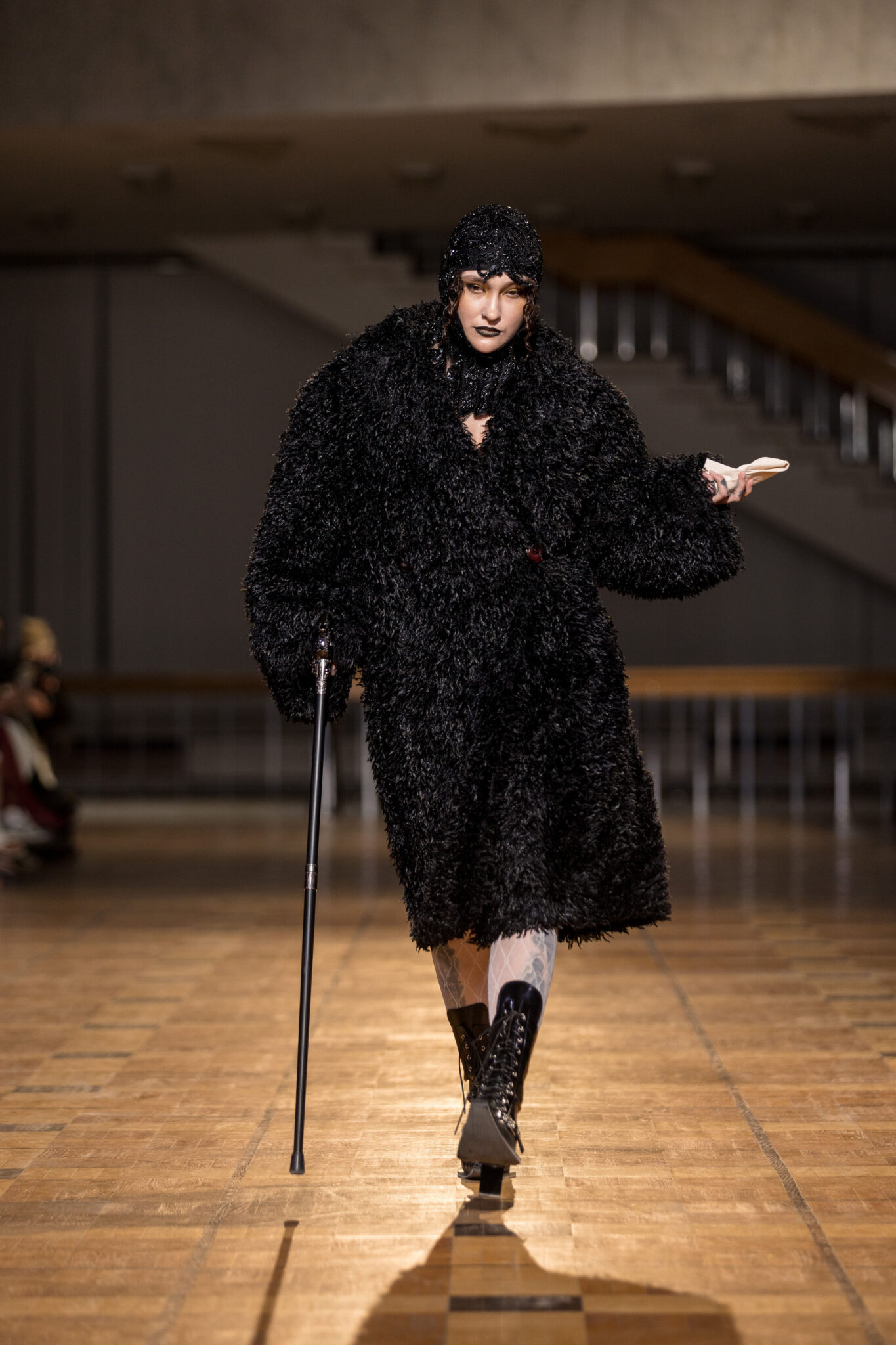
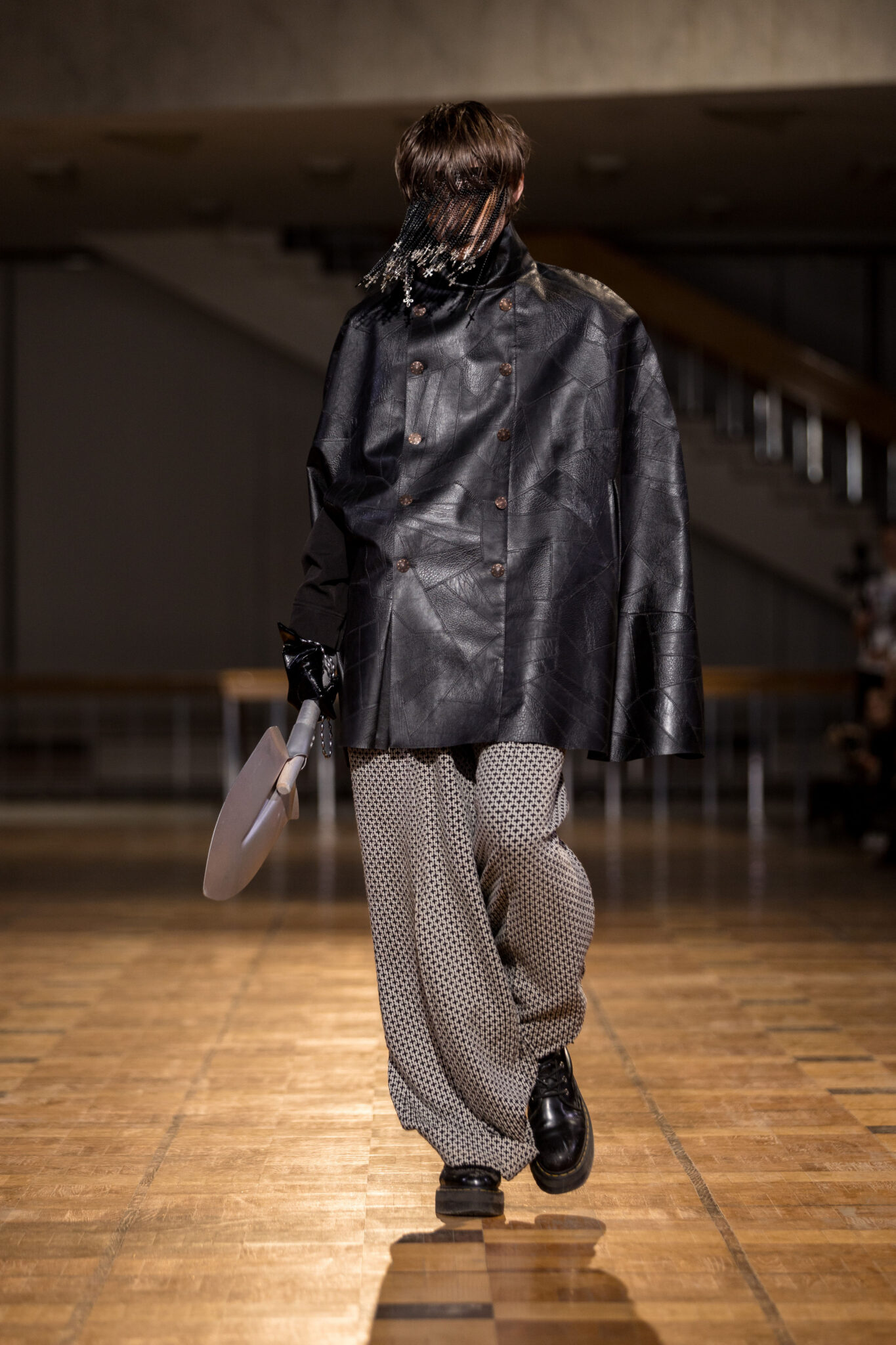
Among the season’s theatrical highlights was VYAZ’s presentation, Who Killed Denis Vang. Rather than following a traditional runway format, the collection unfolded as a fashion murder mystery. Models appeared as suspects, with their looks accompanied by visual clues and symbolic weapons. The storyline ultimately concluded with the symbolic rebirth of the designer, turning the collection into a performance centered on identity, suspense, and transformation. It was an example of how designers are increasingly looking beyond clothing to create experiences that engage audiences on multiple levels.
Fashion is no longer simply about what a model wears. It is also about the story being told, the emotions being expressed, and the cultural references that bring a collection to life.
Bridging the Gap Between Emerging and Established Designers
At the heart of Moldovan Brands Runway is something the fashion industry continues to need: opportunities that connect emerging creatives with established professionals. The four-day programme brought designers, photographers, international press, and industry professionals together in an environment that encouraged direct interaction and collaboration. Representatives from Vogue Czechoslovakia, Vogue Adria, FashionUnited, RED-EYE Magazine, and KALTBLUT Magazine were among the international media attending this season.
That visibility is particularly significant for designers working outside fashion’s traditional centers. By creating a space where established brands and emerging talent can share an international platform, MBR is helping introduce new creative voices to audiences who might not otherwise encounter their work. It also reinforces the importance of recognizing the individuals and communities contributing to fashion’s evolution, not just the names already familiar to the industry.
Building a Fashion Community Beyond the Runway
This season also highlighted the growing relationship between fashion and other industries. Partnerships with Maib, Lotus, Viorica, Invitro, and Borjomi contributed to experiences extending beyond conventional sponsorships. Lotus became part of a runway performance, Viorica opened its factory for the final presentations and closing celebration, and Invitro hosted an event combining music, drinks, and conversations with medical professionals.
Support from the Municipality of Chișinău, Moldova’s Ministry of Culture, and additional international development partners further demonstrated the role fashion can play within a growing creative economy. These collaborations represent more than individual events. They contribute to building an infrastructure where local talent can develop, connect, and potentially reach new markets.
Chișinău’s Growing Place on the Fashion Map
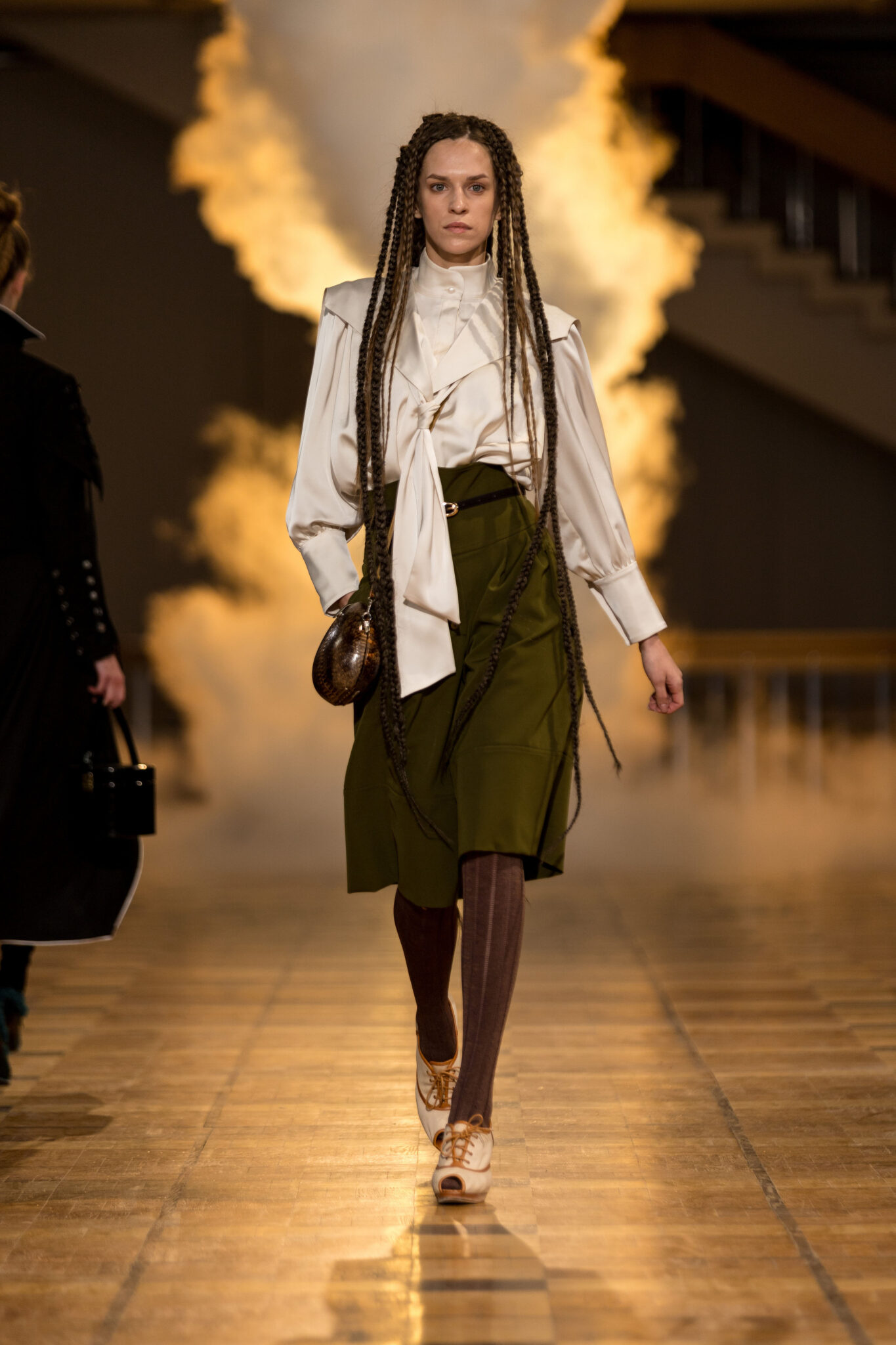
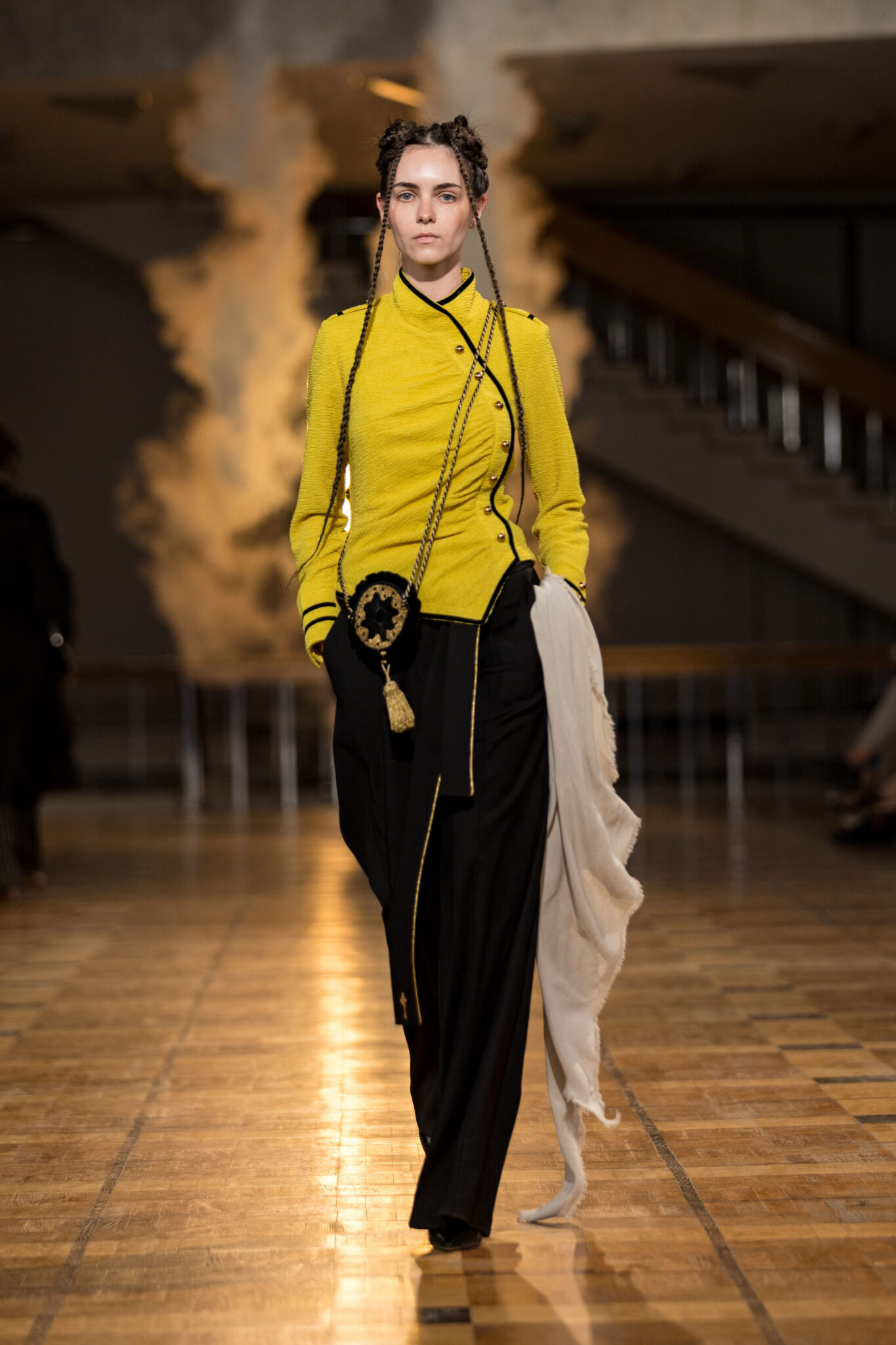
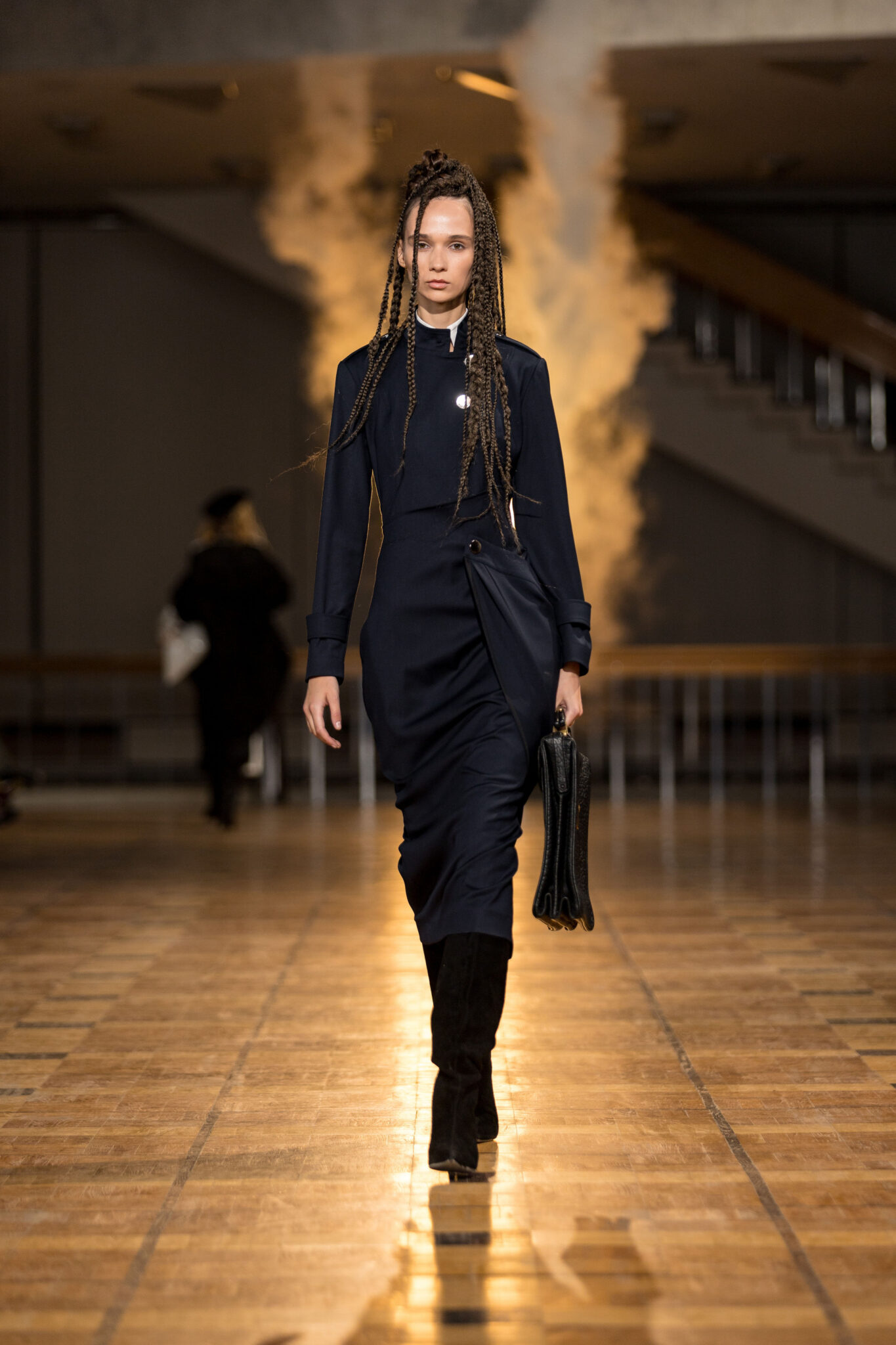
As the fashion calendar continues to expand, cities beyond Paris, Milan, London, and New York are introducing new ideas and perspectives to the industry. Moldovan Brands Runway is contributing to that shift by offering a platform that celebrates regional identity without limiting creative expression. What makes the event particularly interesting is its balance between local culture and international ambition. Designers are encouraged to explore their own identities while participating in a larger global fashion conversation.
The AW26/27 season showed that fashion can exist in unexpected spaces, tell unconventional stories, and bring together people from different creative backgrounds.
More importantly, it demonstrated that building a successful fashion community requires more than runway visibility. It requires access, collaboration, and opportunities for both emerging and established talent to grow.
As Chișinău continues to establish its presence on the Eastern European fashion map, Moldovan Brands Runway is proving that the future of fashion does not belong to one city or one generation of designers. It belongs to the creatives willing to challenge convention and bring something new to the conversation.
Photos Credit: Brands Runway (MBR)/ Egor @etalpmet