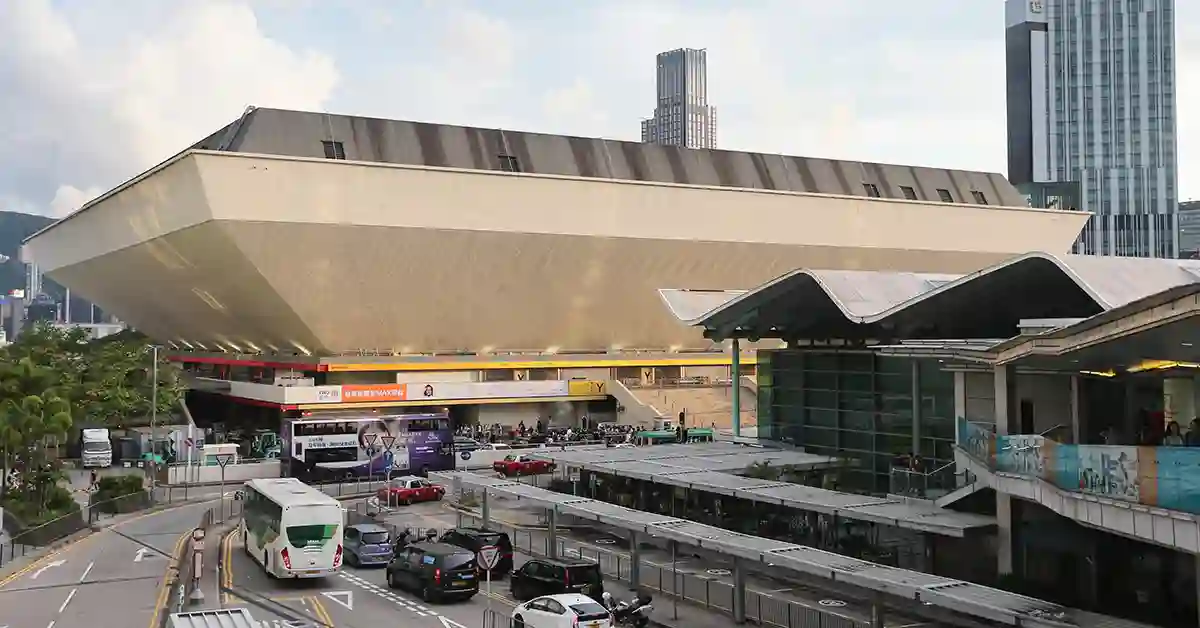

Hong Kong Coliseum (Photo by Qwer132477 CC BY-SA 4.0, via Wikimedia Commons)
Hong Kong’s government is urging caution over proposals to strengthen ticket resale restrictions, warning that new regulations must account for market conditions, commercial operations and the potential impact on investment in live entertainment.
In a November 4 written response to the Legislative Council, Secretary for Culture, Sports and Tourism Rosanna Law acknowledged continuing concerns about ticket scalping and fraudulent tickets but emphasized that the issue involves more than simply preventing resale above face value.
Law said ticket scalping is influenced by several factors, including supply and demand and the structure of the ticketing market. Any additional regulation would need to consider its effects on marketing operations, market responses, cost-effectiveness and enforcement, while balancing the interests of consumers and event organizers.
The response followed a question from Legislative Council member Peter Douglas Koon, who cited reports that tickets for a South Korean boy band’s November concert in Hong Kong were being resold at three times their original price or more. Koon raised questions about increasing penalties, strengthening enforcement and adopting identity-based ticketing measures similar to those used in mainland China, Japan and South Korea.
Rather than announcing new restrictions, the government reiterated that it is studying potential legislative approaches and consulting relevant stakeholders.
The position is consistent with a January 2025 government response, which similarly acknowledged that ticket scalping involves supply, demand and market structure, and that additional legislation carries potential advantages and disadvantages.
The latest response goes further in explicitly emphasizing the need to avoid discouraging investment in Hong Kong’s live entertainment market.
Under the existing Places of Public Entertainment Ordinance, reselling tickets above the price established by an event organizer is an offense at venues covered by the law, punishable by a fine of HK$2,000.
However, the ordinance does not apply to government-managed performance venues such as Hong Kong Coliseum and Queen Elizabeth Stadium. Those facilities operate under a separate legal framework that prohibits unauthorized sales within venue premises, with staff and security personnel responsible for intervening when such activity occurs.
The government also acknowledged limitations in its enforcement data. Hong Kong police do not maintain separate statistics on complaints involving online or in-person ticket scalping, while the Leisure and Cultural Services Department reported receiving no related complaints during the preceding three years.
In its January 2025 response, the government separately reported that there had been no convictions under the relevant provision of the Places of Public Entertainment Ordinance among cases concluded from 2022 through the second quarter of 2024.
Those figures leave uncertainty about the scale of enforcement activity and whether existing penalties are having a meaningful deterrent effect.
Ticket Allocations Raise Additional Questions
Beyond resale restrictions, the government’s response highlights how ticket allocations can affect the number of seats available to ordinary buyers before tickets ever reach the secondary market.
For events involving at least four performances at Hong Kong Coliseum or Queen Elizabeth Stadium, organizers may allocate up to 70% of tickets to internal or consignment distribution rather than general public sales.
That ceiling was reduced from 80% in July 2019, effectively establishing a minimum public-sale allocation of 30% for qualifying events. Government officials said many organizers have voluntarily made close to or more than half of their tickets available through public sales.
At Kai Tak Sports Park, the operating company generally requires event organizers to offer at least 50% of tickets for public purchase, although the exact allocation remains a commercial decision between the venue operator and organizer.
The park also requires organizers to announce ticketing arrangements in advance, including presale and general-sale dates, performance schedules and seating information. Ticketing platforms are expected to monitor purchasing activity, identify suspicious accounts and impose limits intended to discourage unauthorized bulk purchasing.
For government-managed venues, the URBTIX ticketing system can employ additional measures, including real-name purchasing arrangements, registration-based lotteries, purchase limits, online-only sales and delayed ticket collection.
These measures address different aspects of ticket access. Purchase limits and identity verification can make bulk purchasing more difficult, while public-sale allocation requirements determine how much inventory is initially available to consumers.
The allocation figures do not establish that tickets distributed outside general public sales are entering the resale market. They do, however, illustrate why resale prices alone provide an incomplete picture of ticket availability, particularly for high-demand concerts.
Hong Kong’s cautious approach also contrasts with jurisdictions that have introduced more restrictive resale regulations.
In Ontario, Canada, for example, new resale price limits and original-purchase-price verification requirements have led to enforcement disputes involving marketplaces such as SeatGeek, which argue that independent platforms cannot always access the original transaction information needed to comply.
Hong Kong officials have not proposed comparable new requirements in their latest response. Instead, they continue to emphasize a combination of venue-specific ticketing controls, existing legal provisions and further examination of possible regulatory changes.
The government said it would continue monitoring ticket sales and studying practices in other jurisdictions while considering the effects of additional restrictions on the live entertainment market.