MANILA, Philippines – From stylish, portable phones to functionally smart foldables.
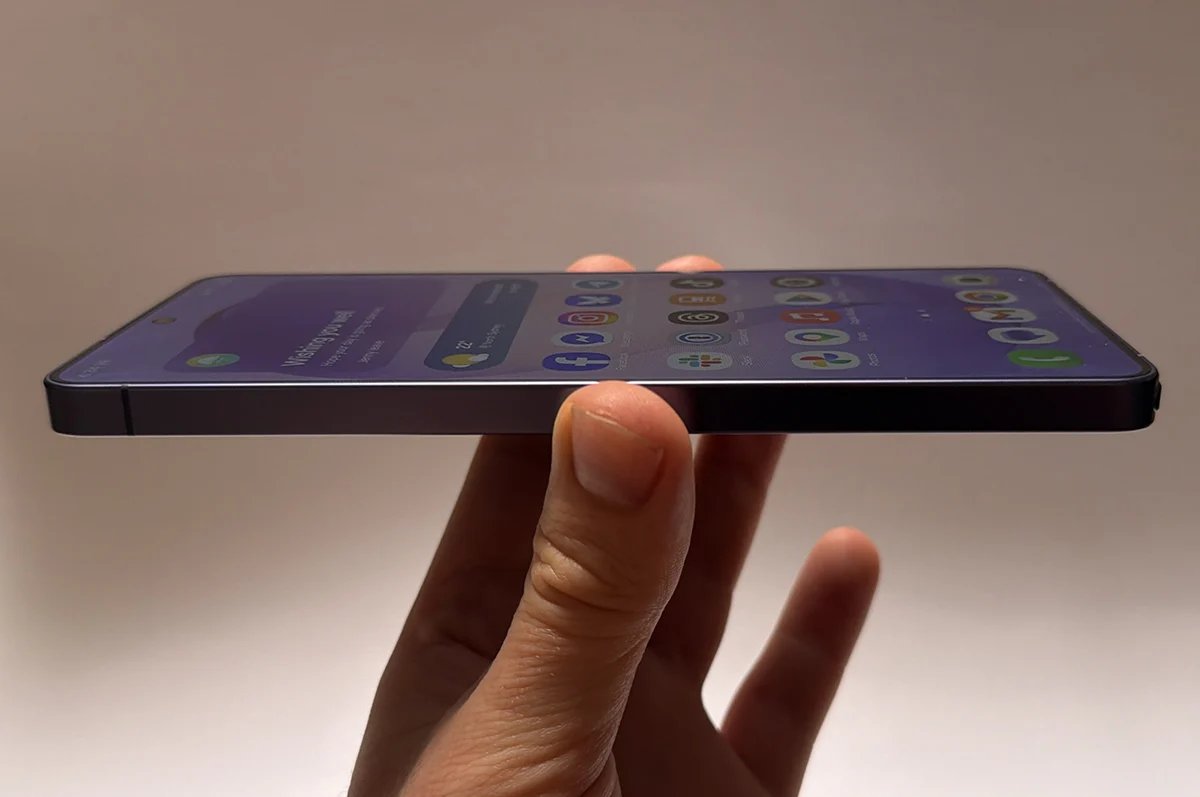
Last September 9 global tech company Apple revealed the upcoming release of iPhone Duo, boasting a larger and more flexible screen than the usual iPhone. Built with an A20 Pro chipset. 12 GB of RAM and 7.6-inch full display, it’s the first foldable, since the first release of the iPhone back in 2007.
The announcement garnered mixed reactions from the community and techies alike. Some welcomed it as a long due development from Apple, while some are skeptical of it, given its price and expectation
However, a lot of foldable smartphones have already circulated the market for years. The current market of foldables are widely dominated by South Korean multinational corporation Samsung and China’s giant conglomerate Huawei.
With smartphones currently taking over everyone’s hands, let’s take a look at what foldable phones used to have back then in the 2000s, where it all started.

The Y2K era
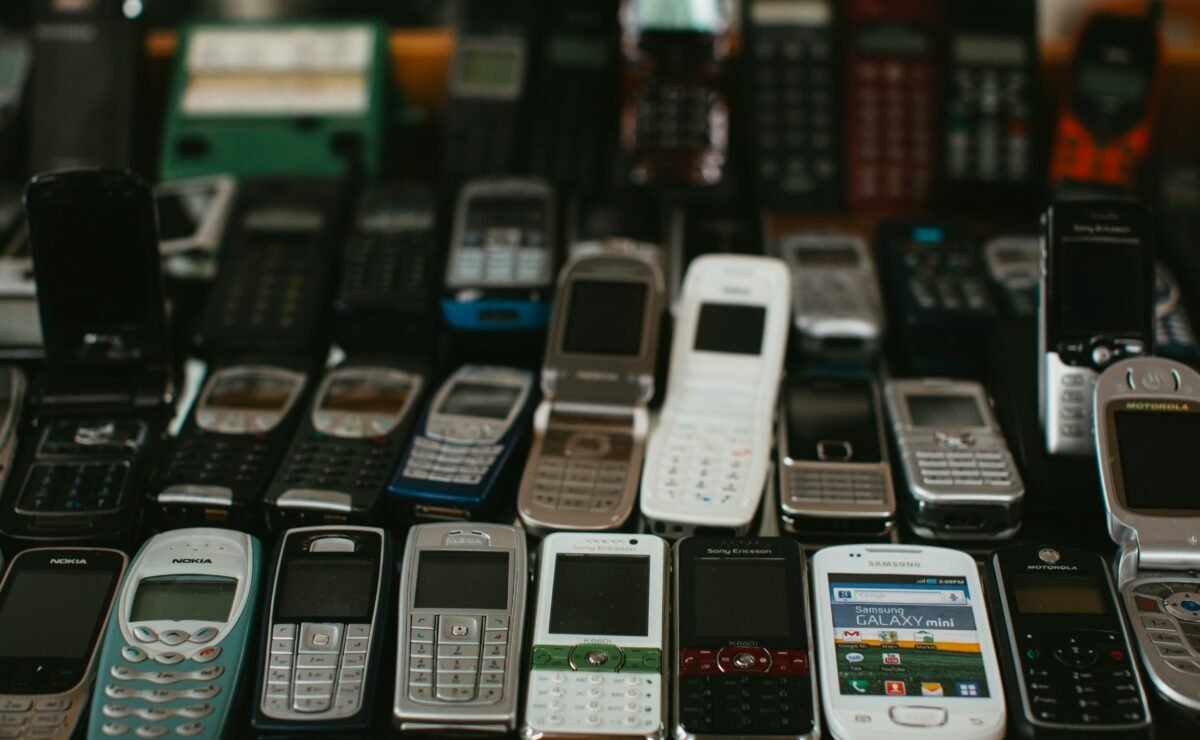
Owning a mobile phone in the 2000s was a symbol of status for most people. While some preferred ‘brick’ phones for their practicality, there are those who favored having foldable phones or ‘flip phones’.
American telecom company Motorola is credited with the first-ever foldable phone, the Motorola MicroTAC, in 1989. From there, they mass-released Motorola StarTAC, the first clamshell phone split into two units, in 1996. It featured a small screen and keypad, with the earpiece on the upper half.
It became the blueprint for the other flip phones. Shortly after Motorola, other brands such as Nokia, Samsung, LG and Ericsson then joined the competition with their own ‘stylish’ and ‘smart’ take on foldables.
Despite several competition, it didn’t stop Motorola from becoming the flagbearer for the ‘flip phones’ era, when it released RAZR V3 in 2004, setting the bar for foldables at the time as the standard for its thin, metallic design.

Alongside the RAZR series were other classics like the Nokia 6260, with its 270-degree twisting screen, and the Samsung SGH-E720 with its camera and music features.
The trend of foldables continued for almost a decade, setting the bar for what high-end phones should be like.
But when Apple released its first iPhone, the other phone manufacturers struggled with going up against the iPhone’s touch-screen feature and minimalist design.
Thus, pushing out flip phones and sliders for phones with slimmer bodies and larger displays, by as early as 2007.
RELATED STORY: iPhone 18 preorder events start this October
Present era of foldables
After the short-lived era of flip phones and sliders, the next generation of mobile phones went from style and durability to practical yet handy. Touchscreen phones gradually became the norm. More than just an instrument for communication, productivity and entertainment features became the selling point for smartphones as it became the new standard in the 2010s.
Although giants like Samsung and LG continued to tease and experiment on incorporating the concept of foldables into smartphones in early 2010s, it was Lenovo back in 2016 who came up earliest with it when they introduced the Lenovo C Plus; a bendable, wrap-around type of smartphone.
Chinese brands however were regarded as one of the first ones to have a breakthrough on foldable smartphones. In 2017, ZTE launched the ZTE Axon M, a folding-Android phone with two high definition, full-size screens. Royole then released the FlexPai as the first commercial foldable smartphone, with a 7.8-inch AMOLED outward-folding screen. However, it was frowned upon for its clunky software and crude plastic hinges.
Samsung then released the Galaxy Fold in 2019. It had a book-style design, with a small 4.6-inch display when folded. It wasn’t until in 2020 that the Korean giant announced its Galaxy Flip series: its take on the classic clamshell-style foldable phone.
Comparing the two to the other Samsung phones, people became skeptical of the foldable for their steep price. The Galaxy Fold had an over ₱100,000 price tag, while the Galaxy Flip was released at nearly ₱80,000, making them more expensive than their flagships S19 and S20 series
American company Motorola also released a smartphone version of its iconic Razr series, in 2019.
However, as Chinese tech titan Huawei entered the market, it became one of the biggest manufacturers of foldable smartphones alongside Samsung. It pioneered the first ever tri-fold smartphone in the world, making it one of the brand’s biggest selling units.
With the iPhone Duo about to hit the shelves next month, it is expected to fare against Samsung’s Galaxy Z Fold8 and the Huawei Mate XT, in the high-end market of foldables. Its price will start at almost ₱160,000 and will be available on October 23.
Among these innovations of the foldables over the years, which one would you fold for?
RELATED STORY: The smartphone is becoming the agent