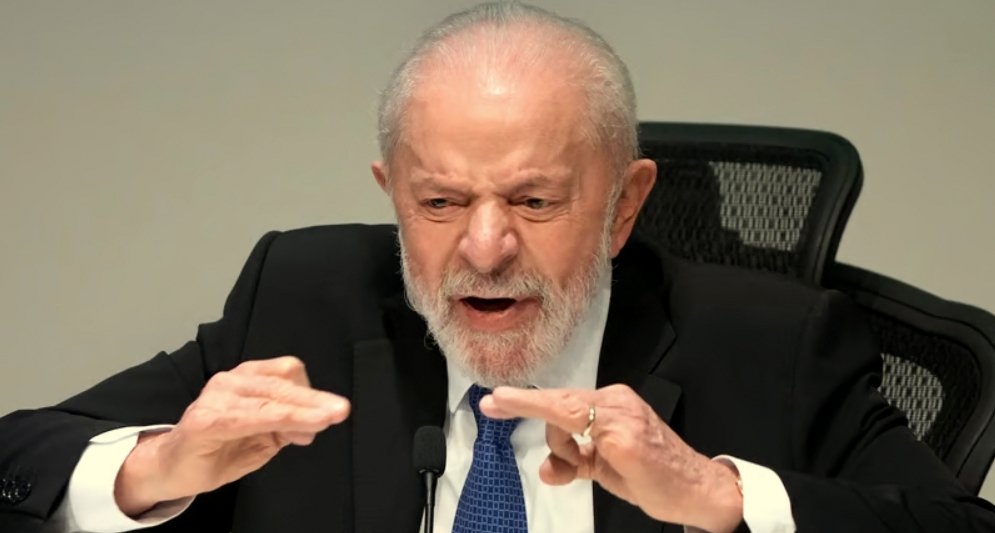

Luiz Inácio “Lula” da Silva’s presidential victory in Brazil on Sunday could pave the way for the end of the country’s online gaming and sports betting industry.
Lula defeated Flávio Bolsonaro and will go on to his fourth term in office. The president announced a ban on the industry in September, less than two years after the country legalized online gaming and sports betting.
Major operators like Entain (partypoker) and Flutter Entertainment (PokerStars) both have significant operations in South America’s most-populous country. An approved ban, as promised by the 80-year-old president, would upend those operations.
Online Gaming Industry Shutdown Coming?
“Over the last month, there have been theories that Congress will not sign the bill into law, that sports betting would survive while iGaming would be banned, and that both industries would be banned,” Citizens Capital Markets and Advisory equity research analyst Jordan Bender told Sportico. “We will have to wait and see.”
In announcing the potential online gaming ban, Lula called the industry a “cancer.”
“Either we remove the tumor, or it kills us,” he added.
The administration claims there are no restrictions in place to prevent minors from wagering. And it says the industry is having a negative effect on society.
Along with banning online wagering, the president signed legislation that makes offering fixed-odds betting a crime. The legislature must approve both measures within 120 days for them to remain in effect.
Economic Impact
The move could have a major impact on the Brazilian economy. Regulus Partners reported that the country’s gaming industry accounts for $5.7 billion in annual net revenue. The government estimates households shell out around $11.57 billion annually wagering online.
Whether both chambers approve Lula’s ban is in question. Despite the leftist leader’s win, the legislature took a right-leaning tilt during the latest round of elections.
Regulus said the courts could decide the issue. The industry could face additional regulations even if regulators don’t approve the ban. Another possibility is that regulators could keep the ban in place while allowing individual states to license the industry, similar to the system in the U.S.
Brazil legalized online gaming in 2018 but didn’t begin officially regulating the industry until 2023. The country of almost 214 million people has been a particular hotspot for online poker operators. That has included Brazilian soccer superstar Neymar Jr. becoming a PokerStars ambassador and making headlines for his play on the felt.
New Restriction Draws Criticism
Bolsonaro described Lula’s announcement of the ban as “populist, hypocritical, and politically motivated.” Those in the industry have also criticized the move. The National Association of Games and Lotteries (NAGL) trade group plans to appeal the order in court and recover funds paid for five-year licenses.
“The compensation claim would cover not only the 30 million reais [$5.8 million] but also material damages arising from all the investments made by the industry, and moral damages,” NAGL President Plínio Lemos Jorge said.
The presidential order is expected to impact Brazilian soccer. The gaming industry is now a major source of revenue for clubs. The country’s major franchises collected $212 million last year, according to Brazilian broadcaster Globo.
One of the country’s largest clubs, Grêmio, said curtailing online gaming “will not only be an open door for illegal betting, but a fatal blow to Brazilian football, leading many clubs to insolvency.”