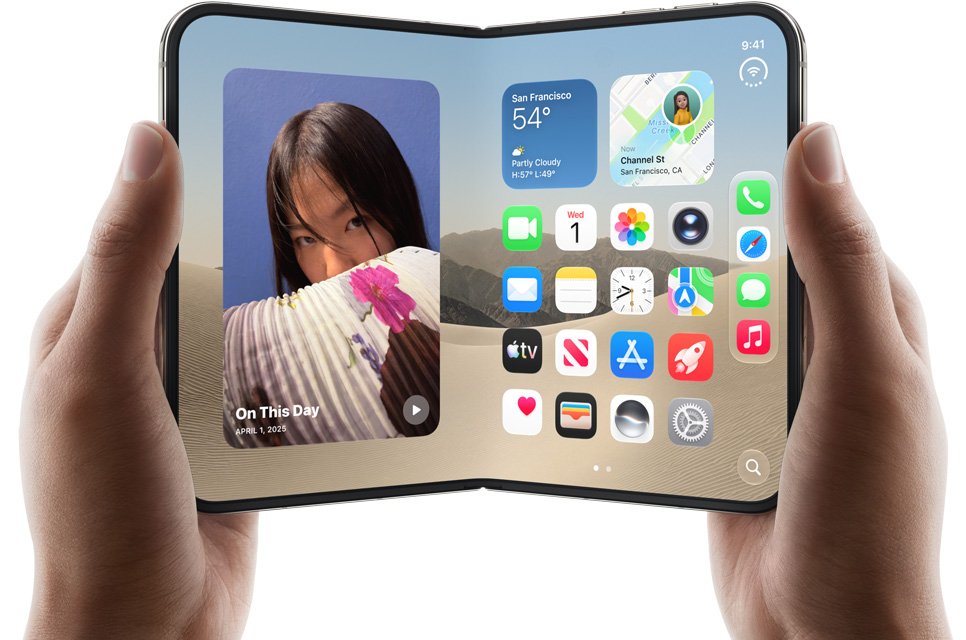
Apple says well over 100,000 apps built for the iPhone Duo are live on the App Store, two weeks after the folding phone went on sale, and thousands more are landing every day.
It was the loudest complaint in the launch reviews, and at $1,999 the main reason our buy-or-wait guide told readers to think hard.
Plenty of everyday apps opened with black bars down both sides of the big inner screen, or squeezed their controls into layouts built for a narrower phone, and some hid their tools under overflow menus the wide screen should have made unnecessary.
A 7.6-inch display doesn’t sell itself when the apps treat it like a standard iPhone screen with padding.
What built for iPhone Duo actually means
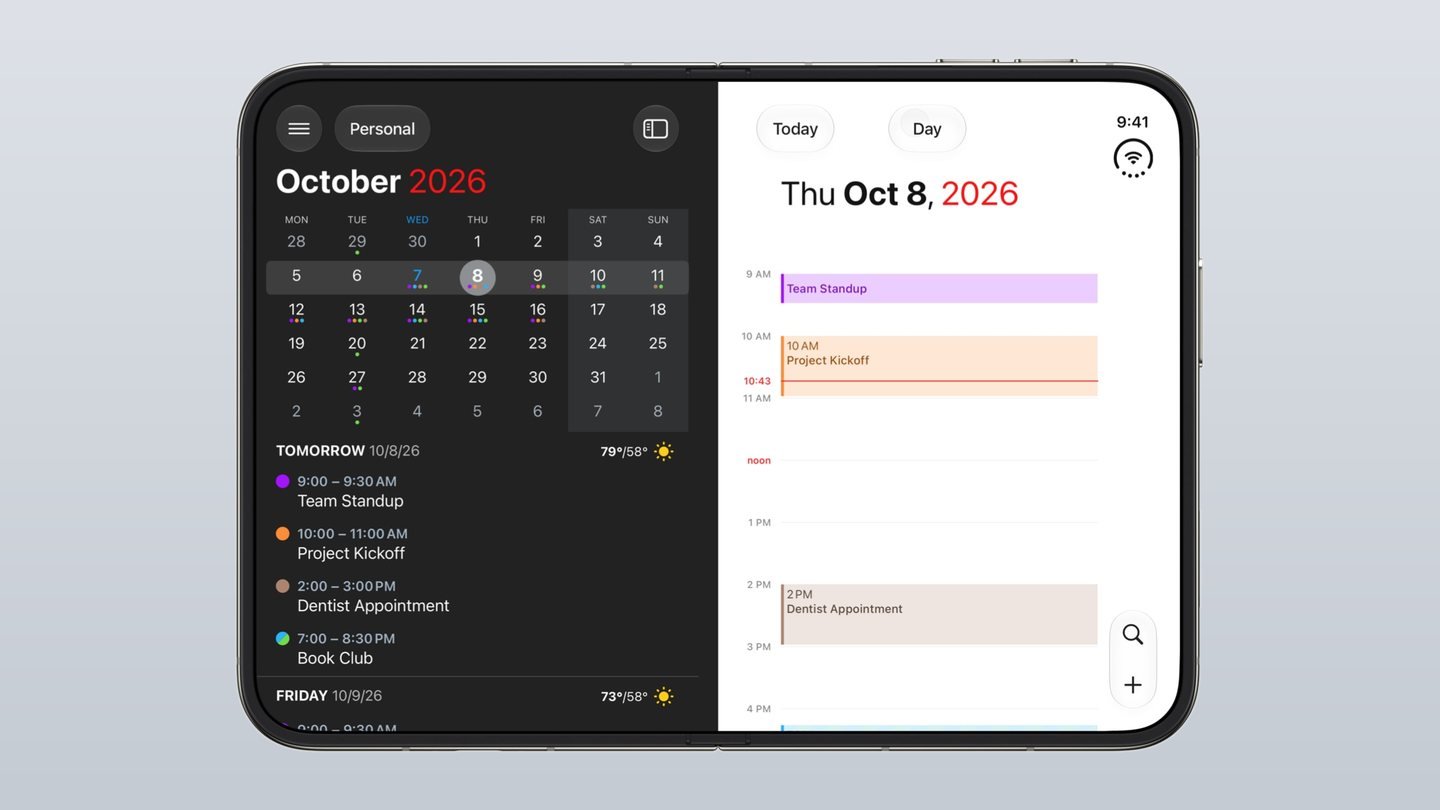
Built for iPhone Duo is a specific thing, not a marketing label: an app built with the iOS 27.1 developer tools or later, filling the full width of both displays and moving its vertical controls into the status bar area.
Those apps carry a Made for iPhone Duo badge on their App Store page, which owners can check before they download.
Older builds behave differently, though. Apps built with the first iOS 27 tools stretch across most of the inner display but keep clear of the status bar edge, and anything built earlier runs centered on the inner screen with black bars on both sides, the exact look reviewers kept photographing in October.
Standard apps built on Apple’s own interface frameworks adjust their layouts on their own. That’s how the count climbed this fast.
Word and Outlook were the holdouts
When Apple previewed the optimized app list in October, Word and Outlook were promised for the coming weeks, so two of the most-used work apps on any phone missed the Duo’s launch entirely. Both are Duo-ready now, joined by Excel, PowerPoint and OneNote.
For a phone pitched on side-by-side work, those two names carried weight out of proportion to the rest of the list, and a Duo with Netflix but no Word was a harder sell than the spec sheet suggested.
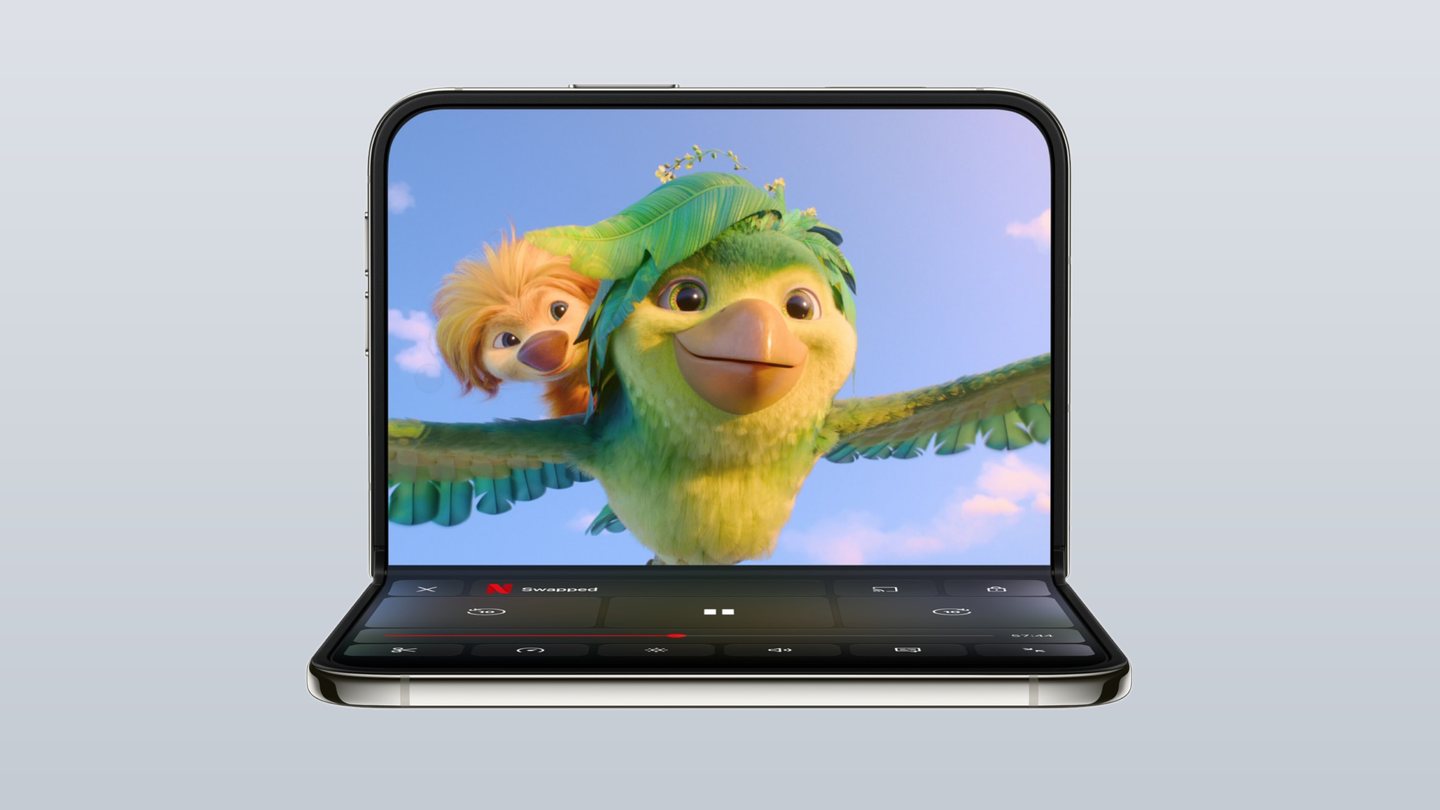
The same wave brought Zoom, the NBA and NHL apps, Etsy, LTK, Goodnotes, Extra and the Halide Mark III camera app, joining a group ready earlier or landed since: Netflix, YouTube, Instagram, WhatsApp, Amazon Prime Video, MLB, Flighty, Fantastical and SmartGym.
One tracker of the rollout puts the 100,000 at roughly one app in eighteen on the store, the right scale for two weeks of work. Work, sports, shopping and video are covered. The holes sit elsewhere.

Apple put 2,000 developers in workshop rooms
The pace didn’t happen on its own. In the last month Apple ran more than 50 in-person workshops in 19 cities, and more than 2,000 developers showed up to work on their apps with the phone in hand and Apple engineers in the room.
That’s a lot of hand-holding for a two-week-old product, and the count suggests it worked.
Susan Prescott, Apple’s vice president of Worldwide Developer Relations, put it this way: “It’s been wonderful to see how quickly developers have embraced iPhone Duo, and we’re grateful for their creativity and innovation.” She added that Apple expects the pace of updates to keep accelerating as more apps optimize for the phone.
The everyday apps still missing
MacRumors published a same-day list of 41 apps still not optimized for the Duo, and the names aren’t obscure: DoorDash, Google Docs, Google Sheets, Google Slides, Microsoft Teams, Starbucks, Venmo, PayPal, Uber Eats and Duolingo.
The full list runs through airlines, banks and delivery services: Delta, Southwest, UPS, FedEx, Wells Fargo, Whole Foods and YouTube Music, and Apple’s own Store app is on it too, which undercuts any claim that every Apple app was ready at launch.
Spotify needs an asterisk of its own. Apple counts it among the updated apps, but TechCrunch’s review unit still showed the black side bar with no update offered, and an owner report from October 31 found the same thing. Apple says the updates are coming; the App Store on that review unit said otherwise, so Spotify belongs on the announced list, not the installed one, until the update actually reaches phones.
What this means if you are still deciding
Both halves of the story are true at once. If your workday runs on Word, Outlook and Zoom, the gap that defined the launch reviews has closed in a fortnight; if it runs on Teams, Google Docs and DoorDash, it hasn’t. September’s launch coverage made the same point: the phone was ready before its apps were.
Nobody has to take Apple’s count on faith, either: the badge sits on each app’s store page, so anyone still deciding can check their own five daily apps before ordering.
Supply is the other half of the wait. Every Duo configuration slipped to January delivery estimates within about half an hour of pre-orders opening in October, and Apple said on this week’s earnings call that when the constraints ease is hard to predict. Apple publishes no current ship date, so treat any January date as an estimate, not a promise. The app complaint is fading on schedule; the line for the phone isn’t.
Love our content?
Sign up for our newsletter today.
No ads, no spam, just links to our latest articles!