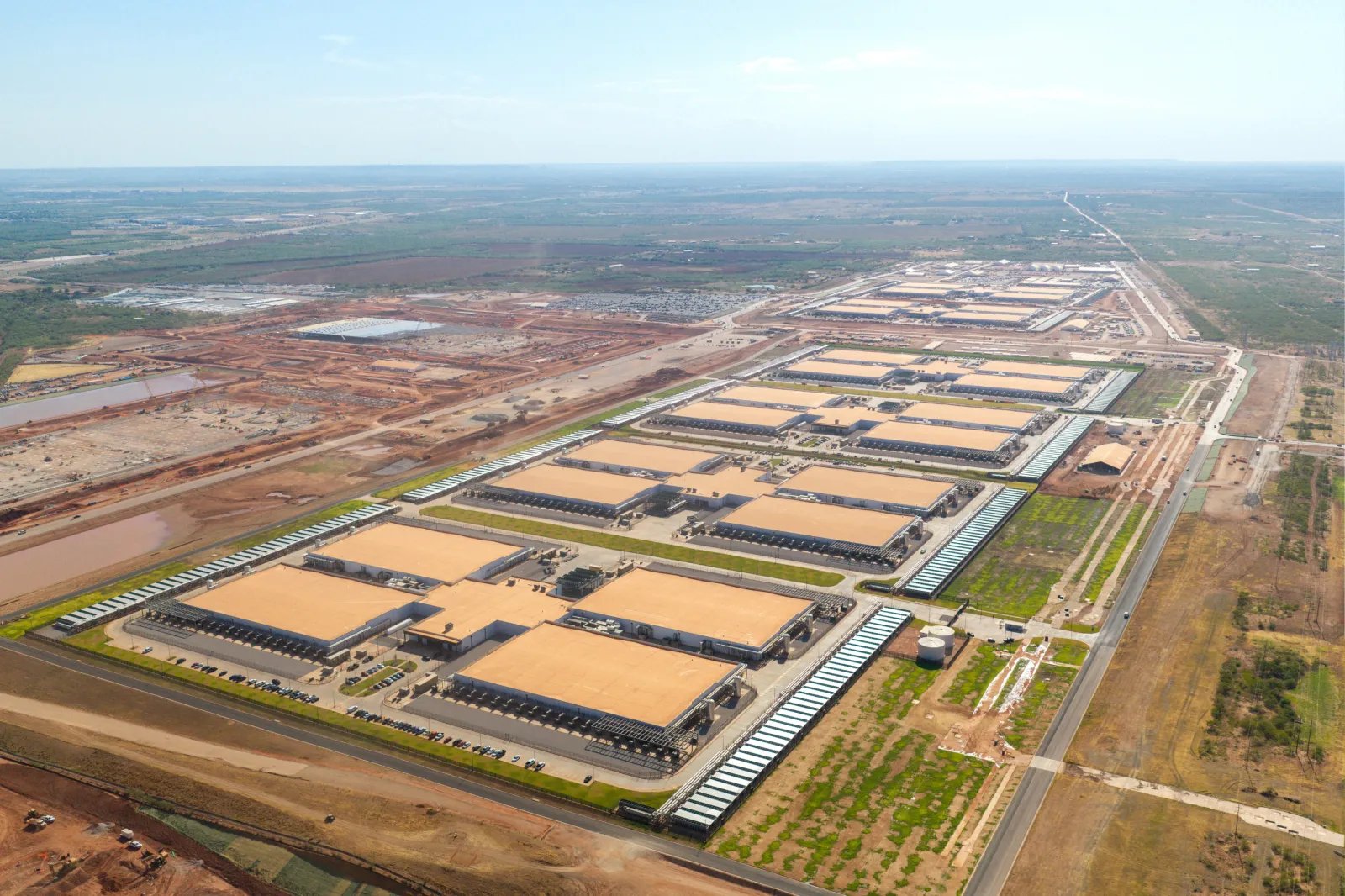

Michael Dell wants to see a specialist cloud provider’s customer contracts before his company agrees to supply the A.I. servers. “And if they don’t have one of those contracts, uninterested,” the Dell Technologies CEO told investors in September. His company ended October with $132.3 billion in A.I. server orders to fill, and it checks the buyer’s finances again before production begins.
On Nov. 26, the Financial Times reported that Dell had told buyers in Malaysia, Singapore, Thailand and Indonesia it couldn’t ship their servers. Nvidia had instructed its partners to hold shipments of machines built with its chips as they worked through new U.S. export rules. Dell hasn’t disclosed how much of its backlog is tied to those orders.
Dell reported record quarterly revenue of $54.9 billion, up 103 percent from last year. For the company’s third quarter of fiscal 2027, which ended Oct. 30, its A.I.-optimized servers brought in $22 billion in revenue, a 291 percent increase from the same time last year. Dell updated its full-year guidance for A.I. server revenue to $78 billion from its previous estimate of $74 billion.
Dell booked $60.2 billion in new orders for A.I. servers during the quarter. That’s a promise of future revenue. Dell checks that buyers have access to capital, land and power, Jeff Clarke, its vice chairman and chief operating officer, said on the Nov. 24 earnings call. Clarke said Dell tests the racks before they ship and can get one running within six hours of delivery. On large installations, he said, that can get a customer’s A.I. model producing its first output four to six weeks faster than competitors can. For a cloud provider that rents out computing time, those weeks are worth money. Michael Dell told the Goldman Sachs audience that a customer can earn more by getting its machines online early than it pays his company in extra charges for the job.
Operating expenses for the overall company declined to 7.5 percent of total net revenue from 12.9 percent this time last year, even as expenses rose 19 percent in dollars. Dell’s Infrastructure Solutions Group, the segment that includes its A.I. servers, traditional servers, networking and storage, earned an operating margin of 17 percent, up from last year’s 12.4 percent.
“We’ve continued to run the company more efficiently as we’ve grown, and that is driving higher profitability,” David Kennedy, Dell’s chief financial officer, said in the Nov. 24 earnings release.
Who pays for the hardware?
Dell generated $4.46 billion in operating cash flow, a third-quarter record and a 280 percent increase from last year. Debt totaled $37.7 billion across short- and long-term obligations by the end of the quarter, up from $31.5 billion in January.
Building those racks takes expensive parts. Dell’s inventory rose to $29.44 billion from $10.44 billion in January, a 182 percent increase across the company. One source of financing is the time suppliers give Dell to pay its bills. Over the same period, the amount Dell owed its suppliers rose to $57.8 billion from $33.6 billion.
“IT equipment eats up a vast majority of the capital on data centers,” Kadan Stadelmann, former chief technology officer of blockchain infrastructure platform Komodo and co-founder of the A.I. and robotics firm Compance, tells Observer. He sees an advantage for Dell in its “power and thermal design” and its ability to manage different workloads in the same data center.
A handful of large buyers
There’s also the question of customer concentration. Dell reported more than 7,500 customers for its A.I. Factory offerings. But the company said in its previous quarterly filing that most of its A.I. server revenue had come from “a relatively small number of large customers and cloud service providers.” Those purchases generally involve larger amounts of credit.
Dell has outlined partnerships with Eli Lilly, Samsung Electronics and Honeywell Technologies. In October, Honeywell described how it uses Dell’s PowerEdge XE servers and storage for software that helps run buildings. At Nvidia’s Voyager building in Santa Clara, Calif., the software sifted through building alarms to flag the ones that needed a response. Honeywell reported on the pilot without disclosing what it paid for the equipment.
Dell hasn’t disclosed how much of its A.I. server backlog each buyer accounts for. Kennedy said Dell asks to see the end customer’s contract without redactions and talks to large buyers about the payments it can expect week by week. For some, Dell offers short-term financing to cover the stretch between placing an order and getting the servers online.
On Nov. 24, Clarke said no customers had asked to reschedule. Kennedy put A.I. server revenue for the current quarter at about $23.5 billion. The real test for Michael Dell is whether his company can turn that backlog into sustained cash. The orders stretch across several quarters and nearly 100 sites, each of which needs power and cooling before it can take delivery.