With nearly 8,500 miles of coastline, Florida has no shortage of diving spots around the state, and the sinking of the SS United States just put another one on the map.
The Professional Association of Diving Instructors (PADI), which is the largest diving certification agency in the world, says that Florida has 71 top diving spots dotted around the state.
That list consists of 34 ocean dives, 26 reef dives and 25 wreck dives. The majority of those diving spots are consolidated around West Palm Beach, Miami and the Keys in South Florida, but the Florida Panhandle has some pretty serious claims to fame that put it on the map.
The SS United States, now the world’s largest artificial reef, and the USS Oriskany, the second-largest artificial reef in the world, are located just 25 miles south of the Florida Panhandle’s Gulf shores – and within 15 miles of each other.
So which part of Florida should you visit if you want the best diving experience? Well, that depends on what sort of diving you want to do. Here’s where you’ll find some of the best diving spots throughout the state.
Florida Panhandle Shipwreck Trail
With more than 20 featured wreck sites, including the USS Oriskany, the Florida Panhandle Shipwreck Trail already had more than enough diving spots to fill up a diving itinerary. Now that it has been bolstered by the 990-foot SS United States, the trail is cemented as Florida’s best wreck diving spot.
Most of the wrecks are within 25 miles of the Gulf coast between Pensacola and Destin. The other sites are peppered around Panama City Beach and toward Port St. Joe.
If you don’t have the time to explore nearly two dozen shipwrecks, Candice Landau listed these six sites as “must dives” in a story she wrote about diving in the area for Scuba Diving Magazine: USS Oriskany, Avocet, Pete Tide II, Ocean Wind, Brass Wreck and YDT-1. The SS United States hadn’t sank yet, but it’s probably a safe seventh inclusion.
Wreck Trek
Fort Lauderdale has a smaller group of ships that sank between the ’80s and ’90s called the Wreck Trek. It is a drift dive with a depth between 55 and 72 feet. South Florida Diving says that it’s a good dive for open water divers or equivalent experience.
The group consists of three ships: the Jay Scutti, Tracey and Merci Jesus. Starting at either end of the line of wrecks, divers should be able to easily explore the first vessel in line and the Tracey. The third vessel can be covered if the current is right. Rebar stakes stick up from the sand between the wrecks to guide divers along the trail, which lets divers see plenty of marine life and tests their navigational skills.
Maritime Heritage Trail
Biscayne National Park’s Maritime Heritage Trail is an underwater trail that weaves between 40 officially documented and countless undocumented shipwrecks south of Miami and north of Key Largo. A majority of the sites sit at depths ranging from 10 to 30 feet, which makes the trail a popular spot for snorkeling. The Mandalay, a steel-hulled schooner, is among the “youngest” ships divers can see, with other ships dating back to the 1800s.
Blue Heron Bridge
Blue Heron Bridge in Riviera Beach earns its place by showing that a memorable Florida dive doesn’t require a long boat ride or a massive shipwreck. Divers can enter from shore at Phil Foster Park and explore a shallow underwater world known for seahorses, octopuses, frogfish, batfish and colorful nudibranchs, which are small sea slugs that underwater photographers love to snap photos of.
There’s one important rule about diving at Blue Heron Bridge: Only dive around high slack tide, which is generally around an hour before to an hour after high tide. This is when visibility is the best.
Deep wrecks in the Florida Keys
The Florida Keys also has a number of wreck dives, nine of which are included within the Florida Keys National Marine Sanctuary. Many of these wrecks lie in shallow waters, but there are a few notable ships that are deeper dives.
Off Key Largo, the 510-foot Spiegel Grove offers the scale of a former Navy dock landing ship, while the 327-foot Coast Guard cutter Duane rests upright nearby. Farther down the island chain, the 524-foot Vandenberg, a former missile-tracking ship, adds another major wreck off Key West.
Venice Beach fossil dives
Recreational divers visiting Venice Beach can get a fairly different experience from the typical: fossil diving. Offshore fossil beds contain shark teeth, including those of the extinct megalodon, along with other ancient remains, giving divers an opportunity to look for fossils on the seafloor rather than the usual reef sightseeing. Most charters will take divers to spots that are around 10 to 30 feet deep.
Molasses Reef
The Molasses Reef in the Florida Keys is home to large coral formations and more than 600 species of marine life. The reef is known for having clear water, which allows divers to get a good look at its boulder corals and fish populations. Depths range between 6 and 90 feet, which makes it a great dive for snorkelers and open water divers.
Devil’s Den
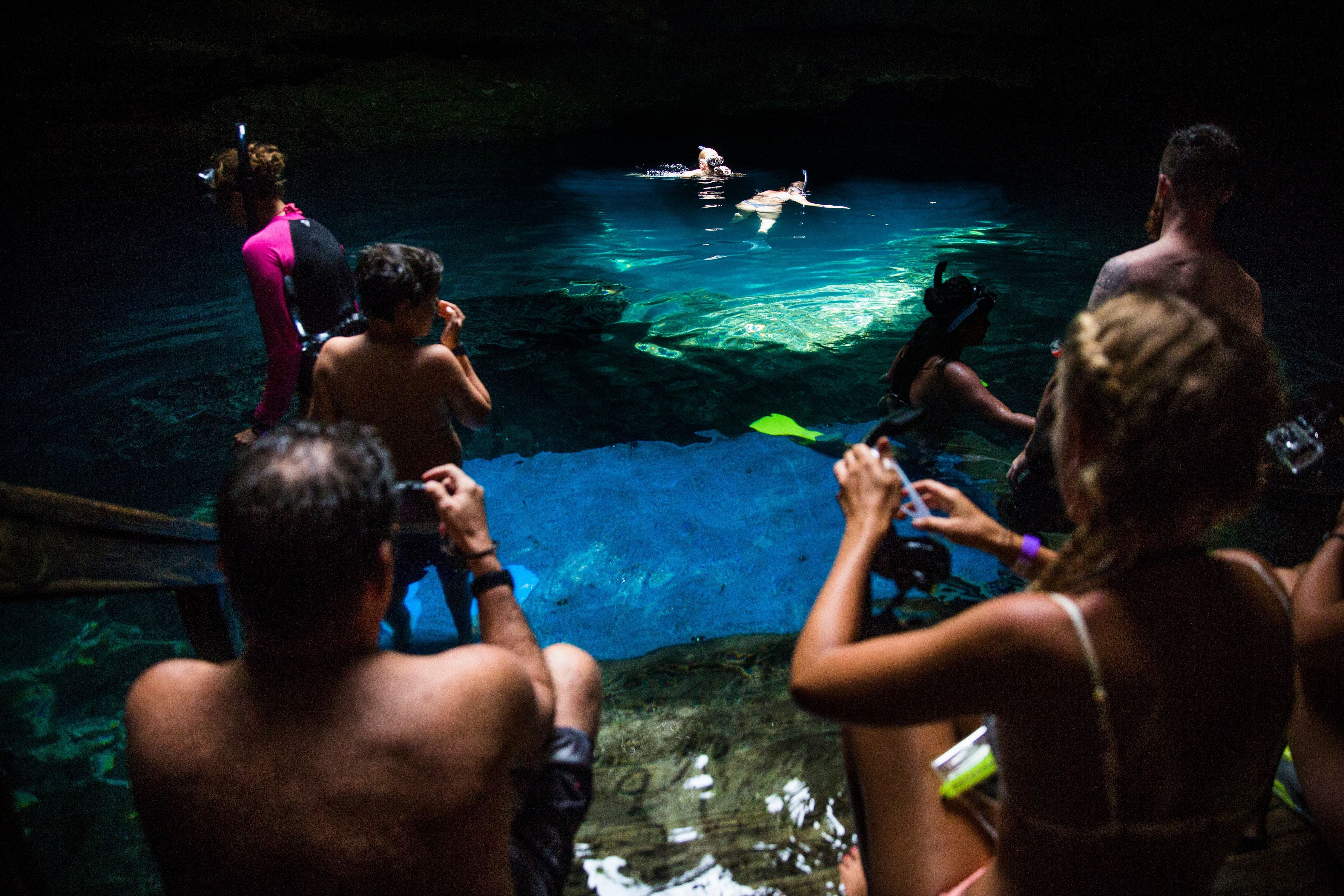
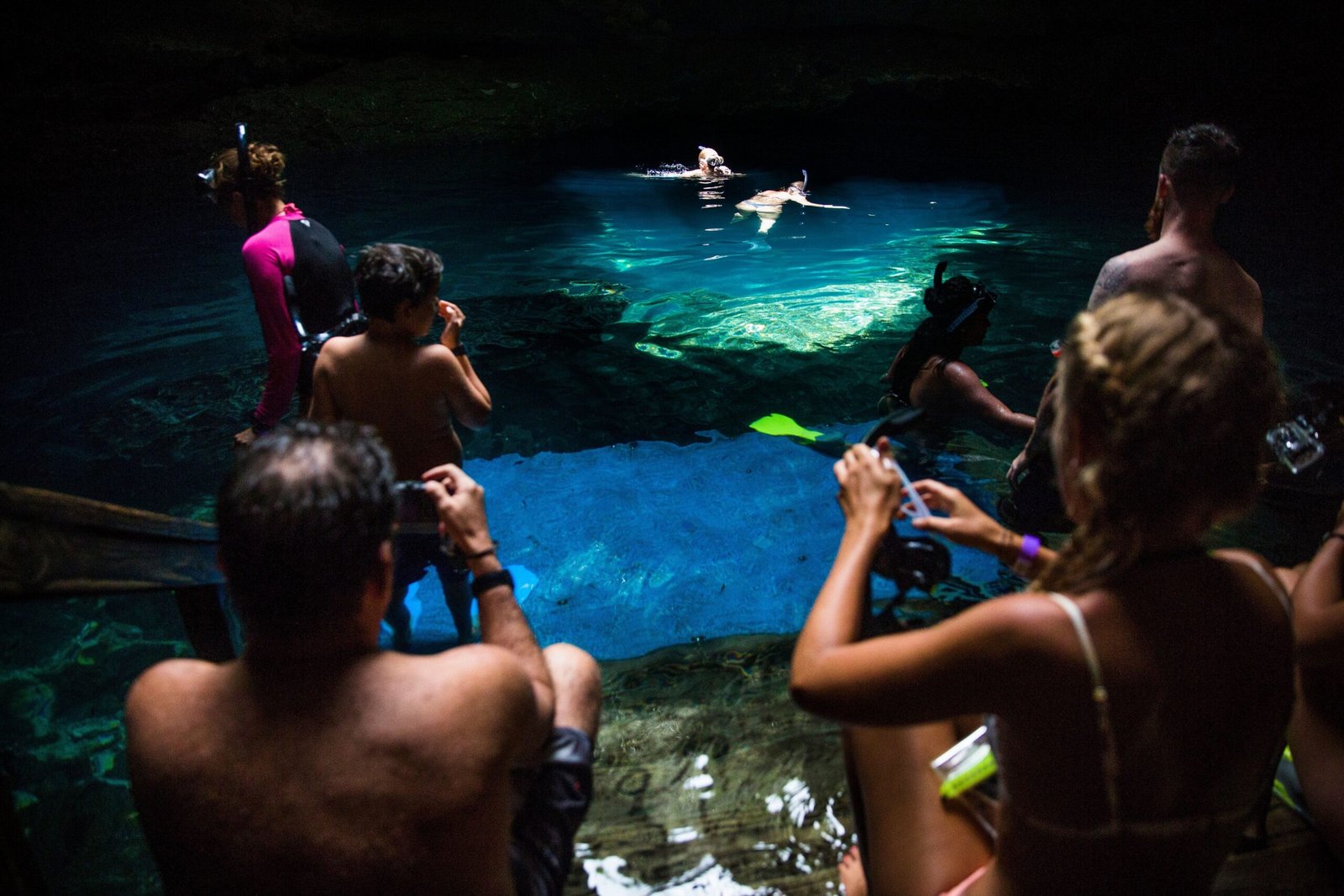
Devil’s Den in Williston is one of the most geologically distinct springs. It sits inside a large underground chamber, and a single opening let’s daylight shine through the freshwater spring’s waters. Its combination of rock walls, filtered sunlight and prehistoric fossils gives it a different atmosphere from most of the other sites on the list. The spring has been featured as one of the National Geographic’s top 100 dives in the world.
Paradise Springs
Paradise Springs near Ocala is a privately owned cavern that offers a freshwater dive where divers can see prehistoric marine fossils embedded in the limestone walls. Divers can expect to see sand dollars, sea biscuits and the remnants of other ancient sea life while exploring the spring’s large cavern. Cave-certified divers with the proper equipment can explore Paradise Springs’ deeper passages.
Explore the list yourself
Padi’s website offers a map and an extensive list of dive sites around the state. You can also browse through local diving shops, courses and professional activities. It’s a great resource if you want to plan a diving trip, too. You can filter spots by dive type, water entry, marine life and maximum depth.
This article originally appeared on Pensacola News Journal: SS United puts Florida Panhandle among the state’s best diving spots