Want to bookmark your favourite articles and stories to read or reference later? Start your Independent Membership today.
Already a member?
Log in
The arrival of a new Grand Theft Auto game is about more than just a few hours in front of a screen. With millions of players preparing to immerse themselves in Rockstar Games’ sprawling virtual world, the launch of GTA 6 is expected to be one of the biggest entertainment events of the year.
First released in 1997, the franchise has become one of the most successful in video game history, known for its vast open worlds, high-speed pursuits and criminal storylines. The latest instalment arrives 13 years after its predecessor, with anticipation reaching fever pitch among fans.
But as players prepare to lose themselves in Vice City, what is actually happening inside their brains when they play video games – and what are the potential effects of spending hours immersed in a virtual world?
We spoke to Dr Steve Allder, consultant neurologist at Re:Cognition Health, who explained what regions of the brain can be engaged during gaming, and the potential short- and long-term effects it can have on our brain chemistry.
What regions of the brain are engaged during gaming?

Allder explains that gaming can engage several interconnected brain areas, depending on the type of game and the skills required.
“Gaming is a complex cognitive activity that can engage multiple brain networks simultaneously,” says Allder.
“The prefrontal cortex is particularly active, as it supports decision-making, planning, problem-solving, and impulse control. Games that require quick decisions and strategic thinking place significant demands on this region.”
Located in the brain’s temporal lobe, the hippocampus can also be activated while gaming.
“The hippocampus, which plays an important role in learning and memory, is engaged when players navigate virtual environments, remember routes and retain information,” explains the neurologist.
“Also, the parietal lobe supports spatial awareness and visual processing, while the occipital lobe processes what we see on screen.”
Overcoming challenges and reaching new levels can also activate the part of the brain where dopamine is produced.
“The brain’s reward system, particularly the striatum and its connections with the dopamine-producing regions of the midbrain, is also activated,” says Allder.
How does gaming impact our reward system and dopamine levels?
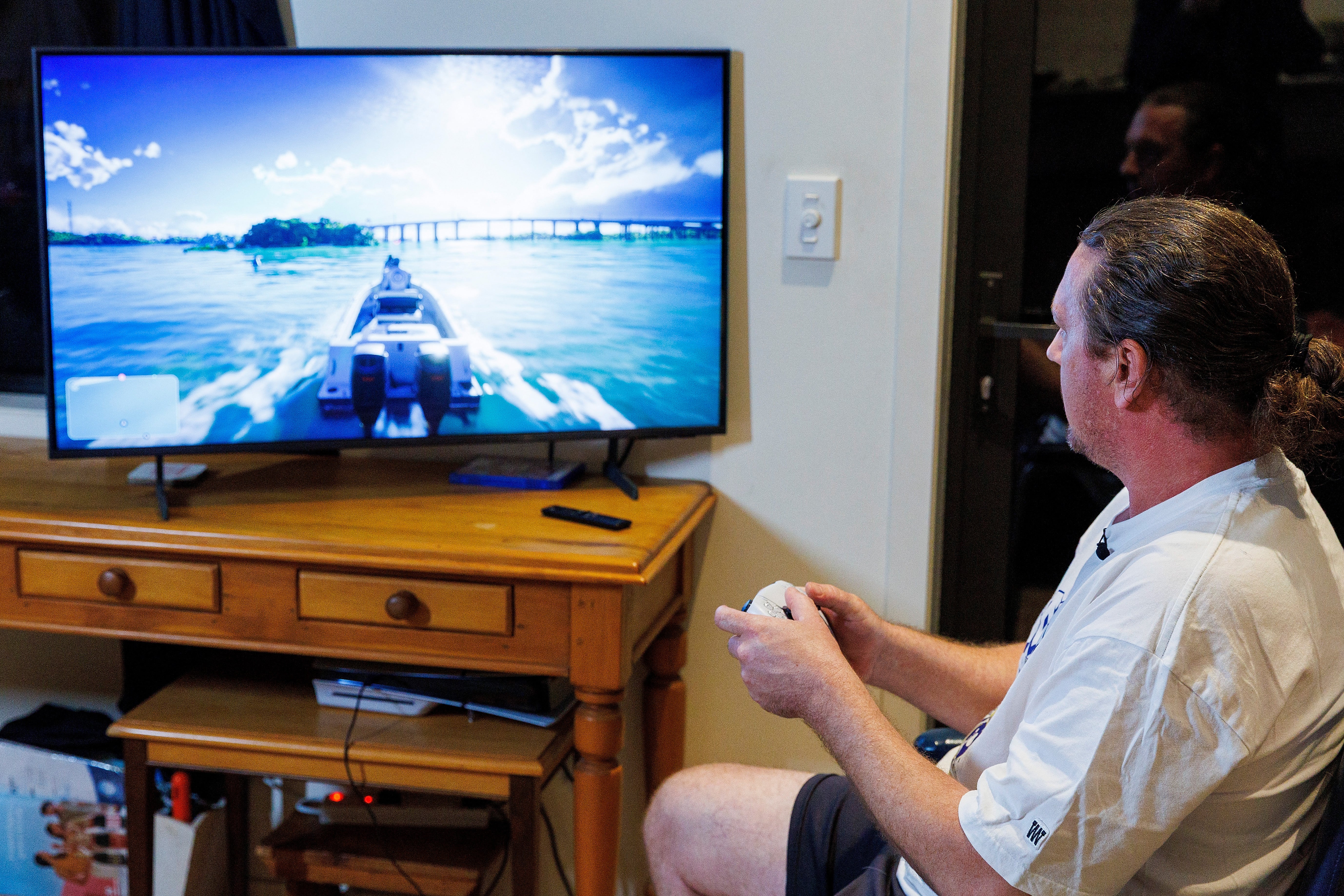
“Dopamine is a neurotransmitter involved in motivation, learning and reward anticipation. So, when a player achieves a goal, wins a challenge or receives an unexpected reward, dopamine signalling can increase, reinforcing the behaviour and encouraging them to play again,” explains Allder.
Gaming can activate this reward cycle before you even start playing.
“The reason you end up playing the game in the first place is because your reward system gets activated. All four of my boys have all independently mentioned Grand Theft Auto to me this week and are excited. This highlights how exposure [to the launch news] has got them excited, which has activated their reward centre before they’ve even started playing,” says Allder.
He highlights how this system is sensitive to surprise and novelty and what makes launches of the new games so popular.
“The reward system is not only sensitive to surprises, but what it loves more than anything is novelty. It wants new, interesting, surprising things,” says Allder. “Therefore, in order to get people to keep coming back to play these games, it needs to have new, surprising, interesting elements.”
What other potential short-term effects can gaming have on the brain?
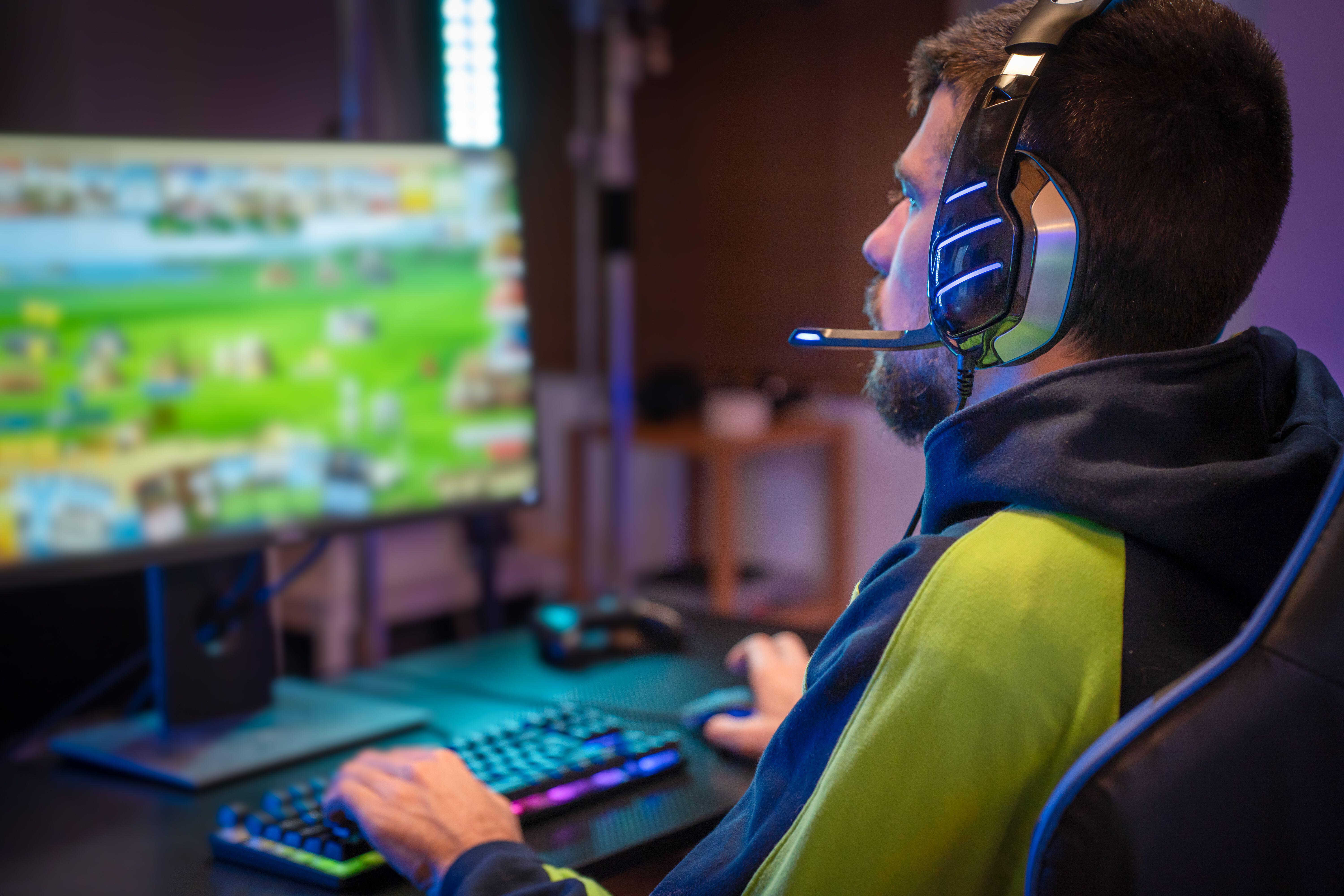
“In the short-term, gaming can increase alertness, concentration and reaction speed, particularly when playing games that involve rapid decision-making, visual tracking and responding to changing situations,” says Allder.
“Gaming can also temporarily improve selective attention, meaning the ability to concentrate on relevant information while filtering out distractions. However, this does not automatically translate into better concentration in everyday life.”
Playing certain games and simulations can also have an impact on decision-making skills.
“Games have subtle challenges built into them that are sometimes unconsciously, sometimes consciously, challenging your decision-making capability by giving you surprising challenges that you need to overcome,” says Allder.
He notes that virtual reality and game simulations are often used by elite athletes and players to help them recognise and cope with different situations.
“For example, ahead of the Ryder Cup in 2025, some used virtual reality headsets to expose the players to the abuse they thought that the New York crowd would subject them to when they were playing – and this massively helped them cope in the actual tournament because of this pre-exposure,” says Allder.
“If you practise grappling with the uncertainty in a gaming situation, that can give you more confidence to do it in reality and in a live performance.”
What are some potential long-term effects of gaming on the brain?
“Long-term effects are an area of growing scientific interest, and research suggests gaming can have both positive and negative associations with brain function,” says Allder.
On the positive side, certain types of gaming may help strengthen cognitive skills such as attention and spatial awareness.
“Action-based games can improve visual attention and the ability to process information quickly and games involving navigation and three-dimensional environments may strengthen spatial processing,” says Allder.
“Meanwhile, strategy and puzzle games can encourage planning, flexible thinking and decision-making and games that require players to remember information, recognise patterns and navigate complex environments can engage memory networks.
“However, we still need more longitudinal research to understand whether these effects persist over time and whether they translate into meaningful benefits outside gaming.”
Are there any potential downsides of gaming on the brain?
Allder notes that the main concern is not gaming itself, but how much time is spent playing and whether it begins to interfere with other aspects of life.
“In some individuals, repeated exposure to highly rewarding gaming experiences may contribute to compulsive patterns of behaviour, making it increasingly difficult to stop playing,” says Allder.
He adds that late-night gaming can interfere with sleep patterns, affecting memory consolidation, concentration and emotional regulation the next day.
“Excessive exposure to rapid stimulation may make less-stimulating activities feel less engaging, although evidence that gaming causes persistent attention problems is not conclusive,” says Allder.
“Some people may also experience increased irritability, frustration or anxiety, particularly when gaming is interrupted.
“Furthermore, when gaming replaces face-to-face interaction, physical activity or other interests, it can affect social development and emotional wellbeing.”
However, he adds that gaming can have positive impacts for socialising for teens in particular.
“During lockdown these team games were beneficial at helping teens stay connected with their peers,” says Allder.
He concludes that gaming, much like gambling, smoking, or drinking, only becomes problematic when it develops into an addiction.
“The vast majority of people integrate it into their day-to-day lives without it being pathological,” says Allder. “However, there’s a consistent percentage of people with all of these activities for whom it becomes problematic.
“It becomes addictive and starts to become destructive, and and in all of those situations what happens is that the dopamine reward system gets maladaptively wired to become addicted to exposure to either the game, the alcohol, the drugs, the gambling.”