Paris – Uruguayan designer Gabriela Hearst celebrated the art of Afghan women in her spring/summer 2027 collection, presented this Monday in Paris. The collection featured traditional prints and embedded craftsmanship.
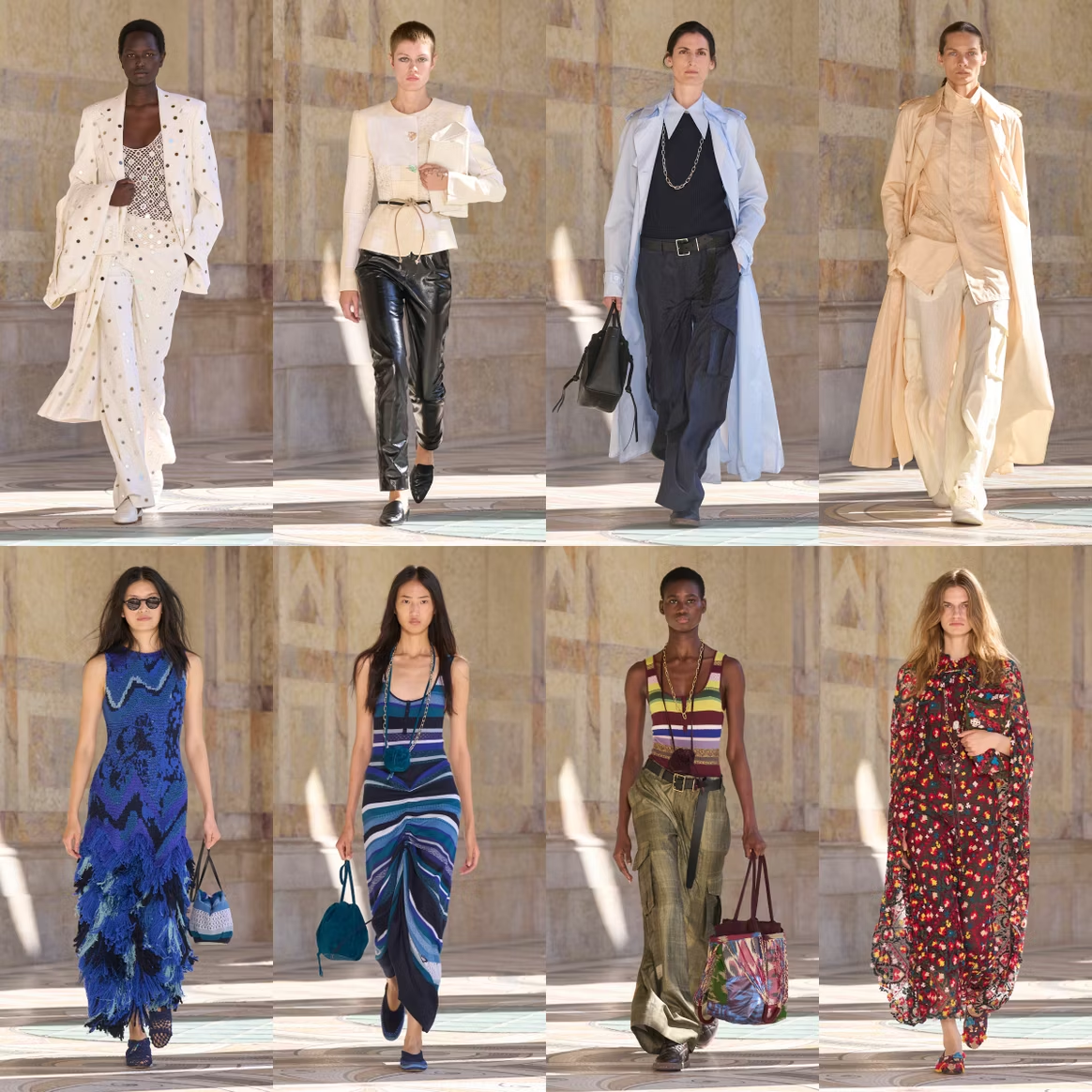
The Afghan inspiration was evident throughout the collection, appearing in white ensembles with small incorporated mirrors; dresses with full skirts and fitted bodices featuring traditional motifs; and pieces covered in floral crochet details.
“The season pays homage to the rich creative and textile traditions of the region, studying their practical and cultural functions, and working directly with the Afghan artisans who continue to preserve and develop this legacy through their craft,” the brand’s press release stated.
In other garments, the inspiration was more subtle, such as the white lace ensemble that closed the show, which concealed delicate pomegranates, the country’s national fruit.
New York-based Hearst also incorporated the Afghan influence into her signature pieces, such as leather jacket and trouser sets trimmed with floral motifs.
The designer “conceives tradition not as something static, but as something kept alive through its use by the women who practise and sustain it,” the note added.
Her new line also includes more of the brand’s signature styles, which often feature leather. These include light trench coats in shades of blue or pale yellow paired with cargo trousers, denim pieces, and elegant jacket and trouser suits.
Hearst, the only Latin American representative on the official Paris Fashion Week calendar, was the artistic director of the French house Chloé from 2020 to 2023.
For a decade, her personal brand has been chosen by celebrities such as Kate Middleton, Julia Roberts and former US first lady Jill Biden.
The designer’s work is based on the concept of sustainable luxury, and the fabrics are often made from leftover materials from previous seasons. For the macramé and crochet pieces, she works with the Bolivian collective Madres y Artesanas.