Two members of Iran’s delegation to the United Nations General Assembly in New York have been expelled from the United States after allegedly ignoring an order to leave the country
Two members of Iran’s delegation to the United Nations General Assembly in New York have been expelled from the United States after allegedly ignoring an order to leave the country, according to Axios.
The move comes as diplomatic efforts to end the conflict between Washington and Tehran remain stuck, with both sides issuing warnings to each other.
A US official, cited in the report, said that the two Iranian diplomats were asked to leave but remained in New York several days after the State Department issued the order.
The officials eventually left the country, with one departing on Friday night and the other on Saturday morning.
The development adds to tensions between the two countries at a time when efforts to find a diplomatic solution to the war have made little progress.
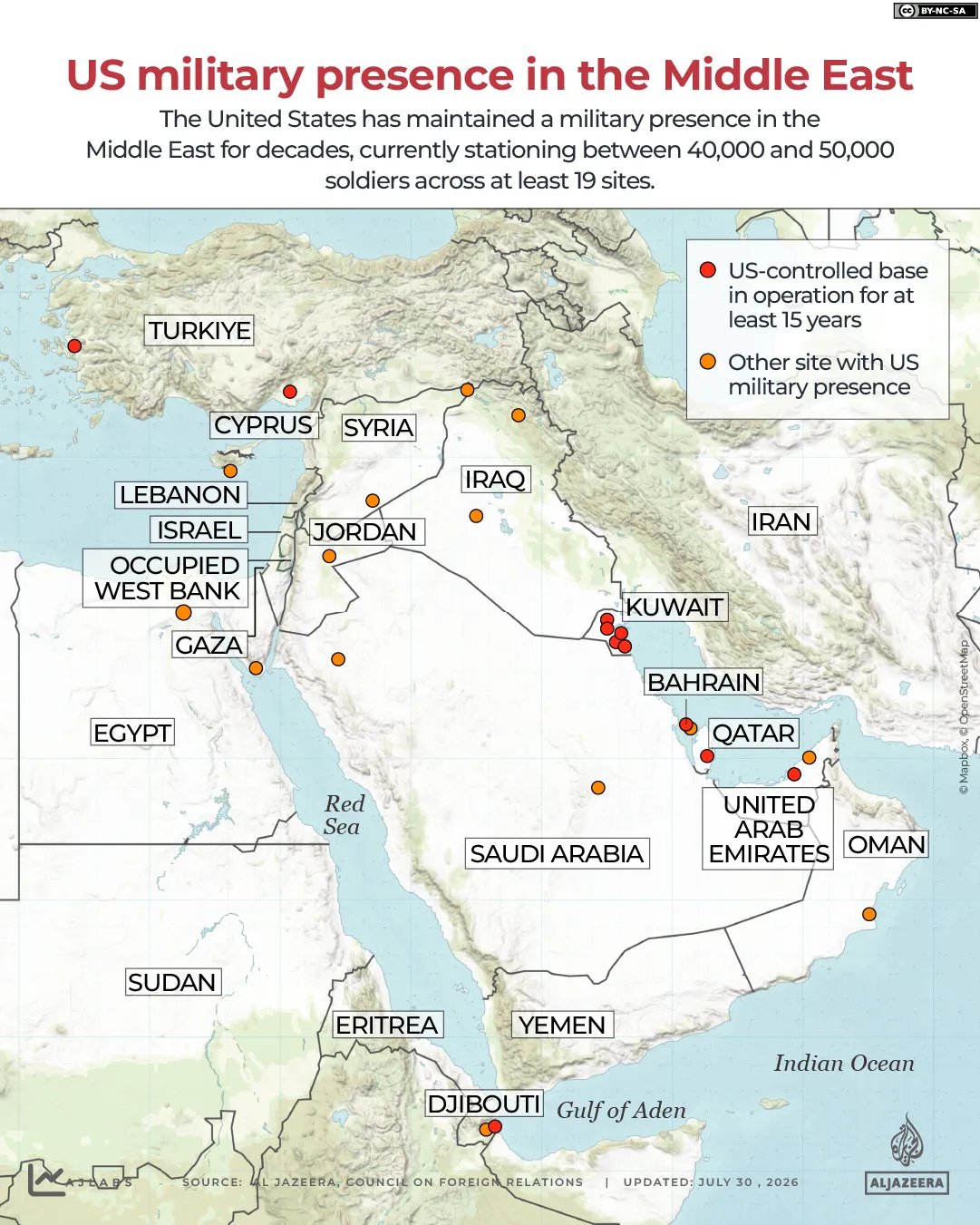
The conflict began with US and Israeli strikes on Iran in late February, followed by heavy fighting and growing tensions around the Strait of Hormuz.
US orders Iranian delegation to leave
According to the report, the State Department on Monday instructed Iran’s mission to the UN to ensure that its entire delegation left the United States immediately.
 More from World
On Friday, Washington informed the Iranian mission that it knew two diplomats were still in New York and repeated its demand that they leave without delay.
A US official described the expulsions as a sign that Secretary of State Marco Rubio was serious about enforcing the order.
The incident comes days after Iranian and US officials held indirect discussions on the sidelines of the UN General Assembly. Those talks have so far failed to produce a breakthrough on ending the conflict.
Iran says war cannot be solved militarily
Meanwhile, Iranian Foreign Minister Abbas Araghchi said that there was no military solution to the confrontation with the US, while warning that Tehran would respond forcefully if Washington and its allies resumed military operations.
“If our enemies again choose the path of military confrontation, our response will be stronger than before,” Araghchi said at a meeting with foreign ambassadors.
He also rejected the possibility of resolving the dispute through additional sanctions, arguing that negotiations based on what Tehran considers fairness and justice were the only way forward.
The comments came as the diplomatic process remains stalled following the collapse of a memorandum of understanding reached in June.
Hormuz remains key sticking point
A major point of disagreement has been the Strait of Hormuz, a strategic route for global energy shipments.
Iran has sought greater control over shipping through the waterway during the conflict and has attacked vessels attempting to pass without its authorisation.
During recent indirect talks, Tehran has reportedly presented seven conditions linked to reopening the strait. US President Donald Trump, however, rejected the proposal but has left open the possibility of further negotiations as well as renewed military action.
The United States has not carried out a strike on Iran since September 1. However, Axios reported that senior members of Trump’s Cabinet met on Friday to discuss the Iran war as well as the conflict in Yemen, where the Tehran-backed Houthis have been fighting government forces and attacking Saudi Arabia.