As Westminster kickstarts plans to shift more money, responsibility, and power away from London and into new regional mayors, scrutinising the local bodies which we trust to deliver our services has never been more important.
This week, writers across the country are reminding readers why journalism matters, and today we have the chance to shout about the Local Democracy Reporting Service (LDRS).
The TV licence fee funds 165 Local Democracy Reporters in the UK whose job is to keep a close eye on councils, police, fire and health authorities.
In Leicestershire, Tess Rushin, Chris Harper, and I have the honour of fulfilling that brief.
I see the role as an essential part of our country’s democratic infrastructure – but with the BBC’s funding currently under review, its future is somewhat up in the air.
It’s only been 10 months on the job for me, but I’ve already found myself amazed with what the team has been able to shine a light on.
Here’s a reminder of the stories which simply would not have been told this year without the LDRS.
In my home patch of Leicester, the city council oversees millions of pounds of spending every year.

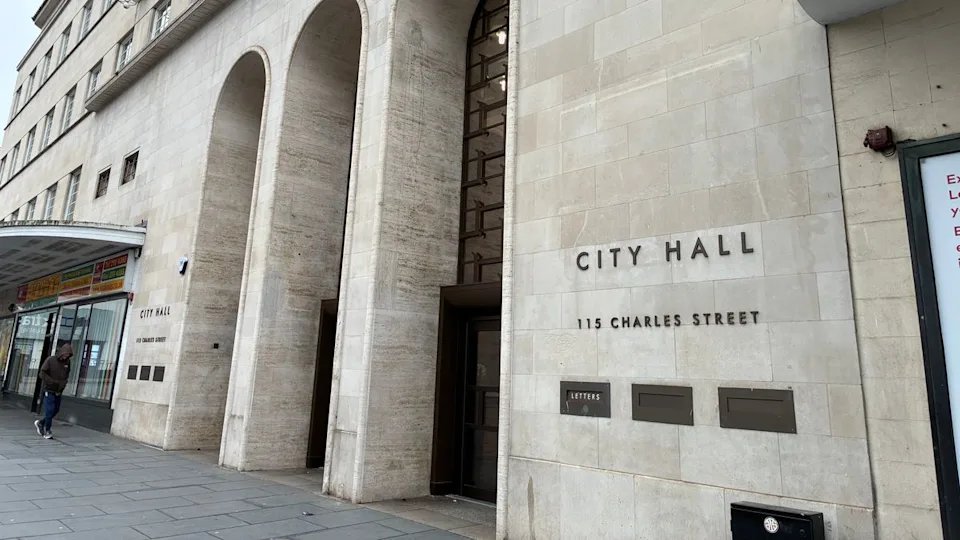
City Hall, in Charles Street, Leicester. -Credit:Caitlin James
In May, we uncovered that Leicester City Council had spent more than £10m on an old student accommodation building to provide accommodation for the homeless – but a year on, it was still empty.
There had been delays in securing the go-ahead from the Building Safety Regulator, and the authority is spending at least £10,000 a month on security for the building in the meantime.
Plans to close New Parks Leisure Centre have also caused uproar this autumn.
The LDRS team have written about how losing the swimming pool will impact some of the most disadvantaged communities in Leicester.
My colleague Tess highlighted how the proposal would completely prevent a quadriplegic man from swimming, as his mother says the specialized hoist he requires is exclusively located at this site.
Up the A6 in the borough of Charnwood, the council’s handling of its sheltered accommodation stock – which houses elderly residents – has also made headlines.
Due to huge repair costs and outdated set-ups, Charnwood Borough Council announced it would be selling five sites.
During a visit to Babington Court in Rothley, 72-year-old Janet Bodycott, told me that moving this late on in life has caused her sleepless nights.
Despite the council’s specialised support officer, Janet had been forced to go through multiple new housing bids, all of which she had been rejected from.
In one of the sheltered accommodation blocks which was still standing, the LDRS uncovered that elderly residents had been using a kettle and bucket to wash for over a week after their boiler broke.
It was fixed the very same day that the LDRS contacted the council.
As for Leicestershire Police, Chris Harper has written about a string of officers disciplined for contacting sex workers.
This year, taxpayers across the county contributed roughly £118m to the police force. Chris is still fighting for full transparency in these cases.
Finally, the LDRS has been working hard to get to the bottom of issues in our local NHS.
I’ve shown how Leicester has some of the worst health outcomes in the country, and in October, we found that the East Midlands as a region was lacking a plan to deal with a certain life threatening condition.
The LDRS was the only media in attendance at the inquest of Malcolm Budd, who died awaiting surgery for an aortic dissection in Glenfield Hospital.
He was passed around various East Midlands hospital departments for more than eight hours on the day of his death.
His case was not an isolated incident.
Without the LDRS, these stories would have stayed buried in the files of publicly funded offices, completely hidden from the people they impact most.
Local journalism still matters, and always will.