Prime Minister Mark Carney’s government on Thursday released Canada’s first national security strategy in more than two decades, a framework that leads with economic security and names eight sectors where Ottawa says Canada must build its own strategic capabilities.
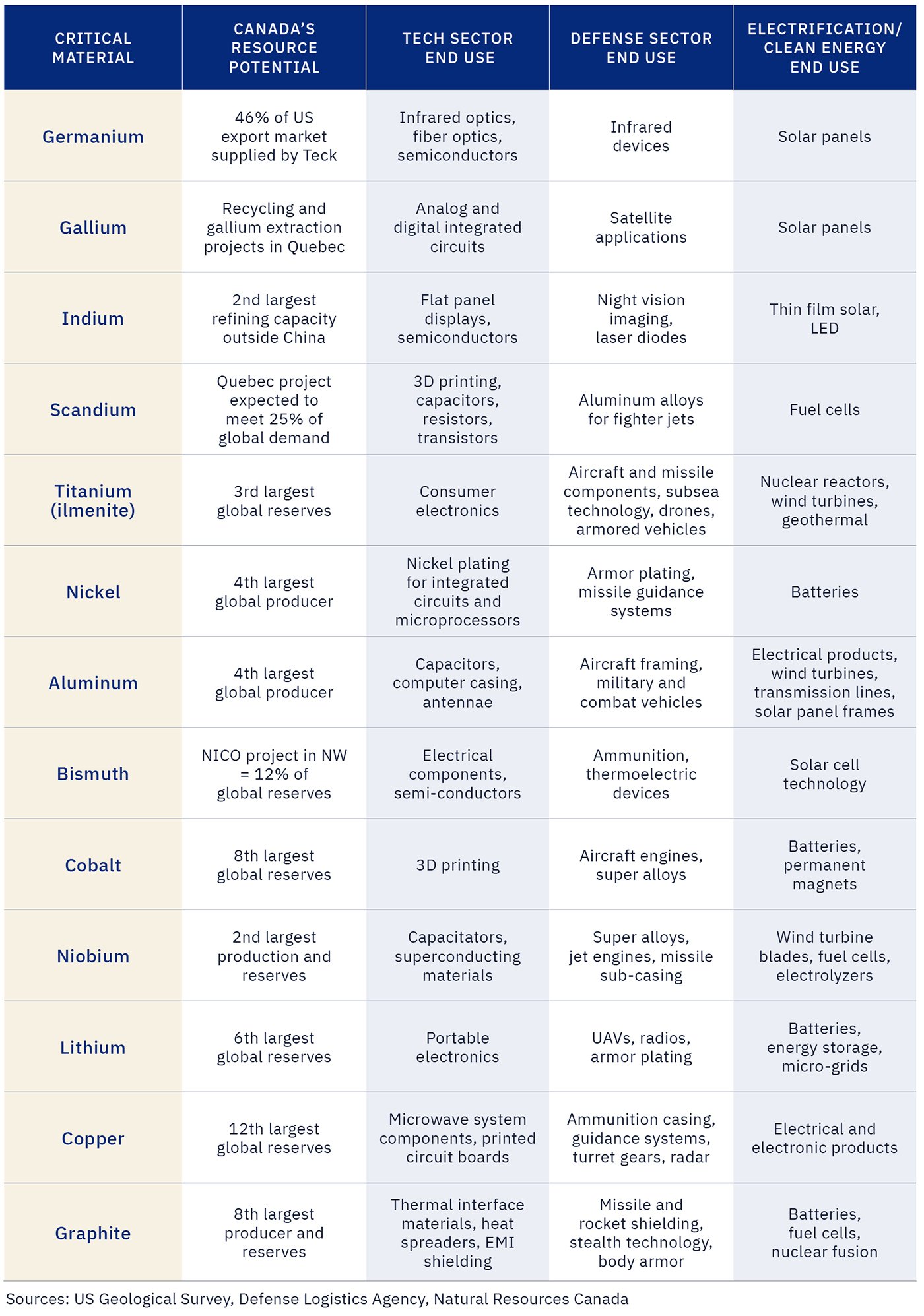
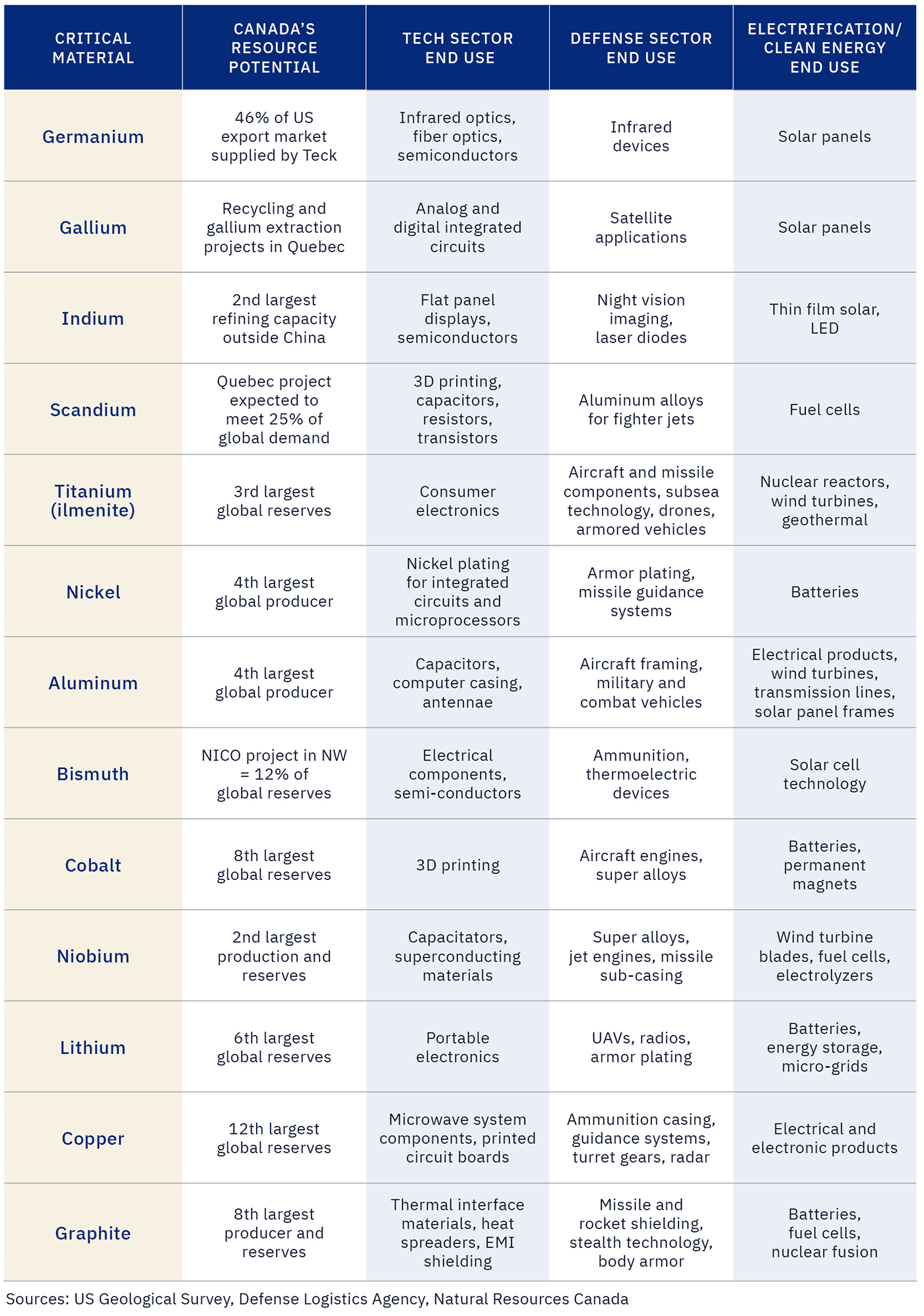
The Plan for a Stronger Canada succeeds Securing an Open Society, the 2004 policy released by Paul Martin’s Liberal government. As The Canadian Press noted, that policy did not lay out a plan to protect the economy. The new strategy’s sectors are emerging technologies, critical minerals, defence, energy, transportation, pharmaceuticals and biotech, food security, and payments, settlement and investment. Emerging technologies, which the document defines to include cloud and AI computing, quantum computing, semiconductors and space-based communications, top the list.
The release comes as the trade war with Washington deepens. U.S. President Donald Trump has repeatedly mused about making Canada the 51st state, and Carney recently told the New York Times that he had studied the “extreme tail risk” of American military action against Canada. At a background briefing, a senior government official described the plan as “preparing for all contingencies in worst-case scenarios up to war.” The official added that Canadian businesses and academics need to become more aware of external threats.
The U.S. is the only country the strategy treats as a bilateral priority. It commits Ottawa to a co-operative relationship with Washington and to building a new partnership with the U.S. Elsewhere, the document speaks largely in regional terms, covering Europe, the Indo-Pacific, the Arctic and the Americas, the Middle East and Africa.
What the document promises
In a message attached to the strategy, Carney writes that “Canada stands at a hinge moment in history.” He argues that geography, global integration and a rules-based international order can no longer substitute for Canada’s own capacity to protect itself.
The plan rests on five foundations: economic security, foreign policy, defence policy, public safety, and intelligence. The government has committed to a detailed plan for each. A new foreign policy comes first and is expected in about a month, with the defence, public safety, economic security and intelligence plans to follow.
The strategy restates Ottawa’s path to NATO’s pledge of defence spending equal to 5 percent of GDP by 2035, up from 2 percent in 2025–26. Carney will convene the premiers for a first ministers’ meeting dedicated to national security, which CP reported is likely to take place next year, and the subject is to become a regular item at those meetings. Proposals to modernize national security law are due within the plan’s first year, and the government says it will update the strategy every four years.
Economic security and state capacity
The document opens deliberately with economic security, arguing that Canada must be able to absorb foreign threats and economic shocks without sacrificing growth. It points to existing programs such as the Strategic Response Fund, the Canada Strong Diversification Fund and the Buy Canadian Policy. It also promises stronger enforcement tools against hostile foreign economic activity.
That ambition raises a question Riaz J. Kara, president and CEO of Pathfinder Policy Group, posed in a DeepDive for The Hub in May: does Ottawa have the capacity to deliver? Kara argued that infrastructure, industrial policy and defence spending have effectively merged into one national economic project. He cited the Canadian Critical Minerals Strategy, national security reviews of foreign investment under the Investment Canada Act and the stockpiling of essential goods. He also noted that Ottawa intends to shrink the public service at the same time. Asking the federal government to take the lead on every front, he warned, “risks spreading scarce state capacity too thin and undermining results.”
Richard Shimooka, a Hub contributing writer and senior fellow at the Macdonald-Laurier Institute, made a related point about the defence industrial strategy Ottawa released in February. In his view, it tries to maximize economic returns at the expense of more urgent military needs. He also argued that the current defence policy, Our North, Strong and Free, “is already viewed as obsolete,” leaving industrial planning without a broader strategic anchor. The forthcoming defence plan is Ottawa’s opportunity to supply one.
What comes next
For now, the strategy is largely a statement of intent. It sets priorities and names some existing programs. However, it leaves the hard choices to plans and bills that have yet to appear: budgets, mandates and the substance of new legislation. Those later documents will show whether economic security changes Ottawa’s priorities or simply relabels them.
The Hub’s mission is to create and curate news, analysis, and insights about a dynamic and better future for Canada in a…