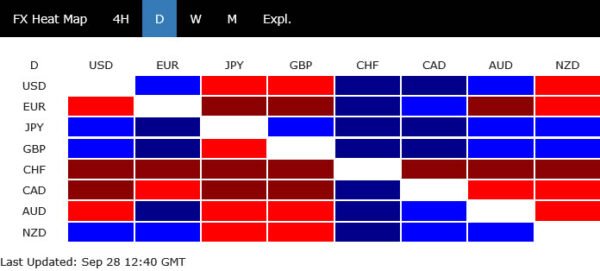
What’s happening: Yen surged broadly Monday, pushing USD/JPY through 157, after Japan’s Vice Finance Minister Atsushi Mimura sharpened Tokyo’s intervention warning, saying markets should take the coordinated Japan-US message on Yen weakness “at face value.” At the same time, Brent rose 2.49% to $106.92 and WTI gained 2.25% to $94.49 after Trump rejected Iran’s latest Hormuz-reopening proposal, keeping the 10-year Treasury yield above 5.2%, the 2-year near 4.9%, and the 30-year above 5.5%. Gold broke below its 4,234.68–4,230.70 support area under that same pressure.
Why it matters: Yen’s move came from a direct intervention threat, not a shift in the US-Japan rate gap, which is why elevated US yields remain an obstacle to a sustained Yen recovery unless the rate differential itself narrows. The same oil-driven yield backdrop that’s capping Yen is also underpinning Dollar broadly, pushing Gold through key support, and setting an unusually high bar for Tuesday’s near-certain RBA hike to actually lift AUD.
Tokyo Finally Gets Yen Traders’ Attention
Yen delivered Monday’s clearest FX surprise, surging broadly across the major-currency complex and driving USD/JPY through 157 after Japan’s top currency diplomat sharpened Tokyo’s intervention warning. Vice Finance Minister for International Affairs Atsushi Mimura told Reuters that Japan’s prime minister, finance minister and the United States had sent a “very clear message” on Yen weakness and that markets should take it “at face value.” He declined to say whether Japan would intervene again, saying “I have nothing to comment on how we could act,” but rejected concerns that Tokyo might lack the capacity for another operation: “I have absolutely no such concern.”
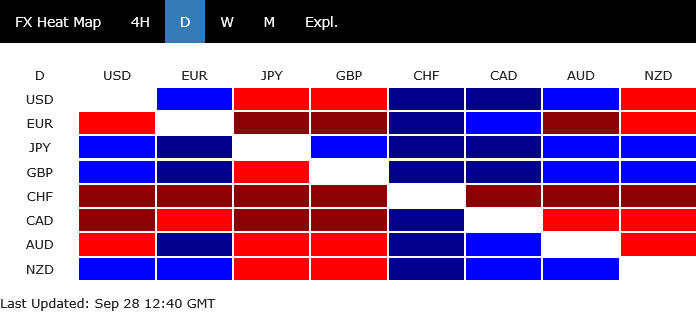
The move was notable because Yen weakness had persisted even after the BoJ raised its policy rate to 1.25% earlier this month. Monetary normalization is narrowing the U.S.-Japan rate gap only gradually, while U.S. yields remain exceptionally high. Monday’s reaction therefore came less from another change in the rate differential than from a renewed belief that authorities are prepared to resist further currency depreciation directly. The warning also carried more weight because Tokyo and Washington have maintained a shared concern over Yen weakness, with Finance Minister Satsuki Katayama and U.S. Treasury Secretary Scott Bessent reaffirming that Yen undervaluation was an issue in talks on Friday.
Mimura’s Warning at a Glance
- Vice FinMin Mimura (Reuters): Japan’s PM, finance minister and the US sent a “very clear message” on Yen weakness; take it “at face value.”
- Declined to confirm future intervention: “I have nothing to comment on how we could act.”
- Rejected capacity concerns: “I have absolutely no such concern.”
- Context: Yen weakness persisted even after the BoJ’s hike to 1.25% earlier this month, as the US-Japan rate gap narrows only gradually.
- Friday: FinMin Katayama and US Treasury Secretary Bessent reaffirmed Yen undervaluation was discussed in talks.
Oil Rebounds as Iran Diplomacy Stalls Again
The broader macro backdrop remained dominated by the Middle East. Brent rose 2.49% to $106.92 and WTI gained 2.25% to $94.49 after U.S. President Donald Trump rejected Iran’s latest proposal to end the conflict and reopen the Strait of Hormuz. The setback does not mean diplomacy has collapsed. Trump separately said he expects “more talks with Iran” this week, while Qatari mediators continue efforts to narrow the gap between the two sides.
The oil move also should not be read simply as another physical-supply panic. Middle East crude exports recovered substantially through September as flows through Hormuz improved, yet the oil market remains tight enough that disappointment on diplomacy can still rebuild a geopolitical premium quickly. That distinction matters for the rest of the market: oil does not need another major supply outage to keep inflation concerns elevated. It only needs to stay high enough for the energy shock to continue feeding into costs and monetary-policy expectations.
Monday’s Oil Move
- Brent: +2.49% to $106.92.
- WTI: +2.25% to $94.49.
- Trigger: Trump rejected Iran’s latest Hormuz-reopening proposal.
- Not collapsed: Trump expects “more talks with Iran” this week; Qatari mediators continue efforts.
- Context: Middle East crude exports recovered substantially through September as Hormuz flows improved, but the market stays tight enough that a diplomatic setback alone can rebuild the premium.
Elevated Yields Remain the Macro Hinge
That is why Treasury yields remain the connective tissue across Monday’s markets. The 10-year yield is holding above 5.2%, the 2-year near 4.9%, and the 30-year above 5.5%, leaving the U.S. curve close to multi-decade highs after last week’s surge. The Fed has already raised its target range to 3.75–4.00%, and officials continue to emphasize the risk that persistent inflation may require further tightening.
For FX, that leaves Dollar broadly supported even as Yen temporarily breaks away from the rate-differential story. Tokyo’s warning was strong enough to trigger a positioning adjustment, but elevated U.S. yields remain an obstacle to a sustained Yen recovery unless the interest-rate gap starts narrowing more decisively. The same rates backdrop also continues to pressure assets with no yield, particularly Gold.
Monday’s Yield Levels
- 10-year Treasury yield: above 5.2%.
- 2-year Treasury yield: near 4.9%.
- 30-year Treasury yield: above 5.5%.
- Fed funds target range: 3.75–4.00%.
Gold’s Macro Headwind Becomes a Technical Break
Gold extended its decline on Monday and broke below the 4,234.68–4,230.70 support area, marking a more important technical deterioration after weeks of rate-driven pressure.
There is little need to reinterpret the lack of a geopolitical bid. Since the Iran war began in late February, Gold has repeatedly traded through the energy-inflation-rates channel, with higher oil feeding inflation expectations and tighter Fed pricing rather than producing a sustained geopolitical premium in bullion. Monday’s difference is that the same mechanism has now pushed Gold through an important support cluster.
As long as Treasury yields remain elevated and another Fed hike remains a live possibility, Gold’s near-term downside risk stays prominent. The technical break therefore reinforces rather than changes the macro story.
Tuesday’s RBA Hike Is Almost the Least Interesting Part
Attention now shifts to Australia, where the RBA announces its decision Tuesday at 2:30pm AEST, followed by Governor Michele Bullock’s press conference at 3:30pm. Markets are pricing roughly a 90% probability of a 25bp hike to 4.60%, while all 29 economists in Bloomberg’s survey expect the same move.
That makes the hike itself unlikely to settle the direction of AUD. The more useful information will come from the vote, statement and guidance on what follows. Expectations beyond September are far less settled, while sell-side forecasts are divided over whether the Board will deliver a unanimous decision or show internal disagreement.
AUD entered the meeting after being the weakest major currency last week and has traded mixed on Monday. That should be read primarily as position lightening ahead of uncertain guidance, rather than skepticism that the RBA will hike at all.
The most revealing outcome would be a clean, hawkish hike that still fails to lift Aussie. Such a reaction would suggest that broad Dollar strength, positioning and the global yield backdrop are overpowering the rate-differential support from the RBA itself.
RBA Setup at a Glance
- Decision: Tuesday 2:30pm AEST; Bullock press conference 3:30pm.
- Priced probability: around 90% for a 25bp hike to 4.60%.
- Bloomberg survey: all 29 economists expect the hike.
- What’s uncertain: vote unanimity versus a split, statement tone, and guidance beyond September.
- AUD: weakest major currency last week, traded mixed Monday, read as position-lightening rather than doubt about the hike.
Yen Was the Surprise; Oil and Rates Still Define the Regime
Tokyo succeeded in getting Yen traders’ attention on Monday. Whether it can keep it is another matter.
The broader market remains organized around an oil shock that continues to feed inflation concerns and keep global yields elevated. That backdrop is supporting Dollar, driving Gold through important support and setting a high bar for Tuesday’s RBA decision to generate sustained AUD strength.
Yen was Monday’s surprise, but oil and rates still define the macro regime.
Monday’s Regime Check
| Asset | Moved With the Oil/Yields Regime? | What Happened |
|---|---|---|
| Dollar | Yes | Broadly supported by elevated US yields |
| Gold | Yes | Broke below key 4,234.68–4,230.70 support under rate pressure |
| Yen | No, tactically | Surged on a direct intervention warning, not a rate-differential shift |
| AUD (into Tuesday) | Still to be tested | Near-certain RBA hike already priced; real test is whether it can overcome the regime’s pull |
Related Coverage
Gold & Cross-Asset Watch
Gold’s Rate Problem Turns Technical as 4,230 Support Gives Way — more on today’s break and why 3,942 is now the key level deciding whether Gold’s larger decline resumes.
Bitcoin Faces a Five-Wave Reckoning at 85,132, but 100K Is Still in Play — another rate-sensitive asset facing its own technical test under the same yield backdrop.
BoJ & Japan Deep Dive
BOJ July Minutes Reveal the Policy Shift That Led to September’s Hike — the policy groundwork behind this month’s hike, and why October 1’s Summary of Opinions is the next real signal.
Japan’s Service Inflation Accelerates to 3.7%, but Freight Distorts the Headline — the inflation backdrop still shaping how far the BoJ needs to go from here.
Global Central Bank Watch
Ramsden Says Rate Holds Already Tightened Policy as BoE Pushes QT Into Background — another central bank weighing the same inflation-versus-restraint tradeoff as the Fed.
Swiss Inflation Rises, but SNB’s Schlegel Still Sees No Need for Rate Hikes — a central bank explicitly choosing not to join the global hiking cycle despite its own inflation uptick.
FAQ
Why did Yen surge if the BoJ’s rate hike earlier this month didn’t help it?
Monday’s move came from Tokyo sharpening its intervention warning, not a further move in the BoJ’s rate path. Vice Finance Minister Mimura said Japan’s PM, finance minister and the US had sent a “very clear message” on Yen weakness and that markets should take it “at face value,” a more direct signal than gradual rate-differential narrowing.
Is oil’s rise a sign of a fresh supply crisis?
Not necessarily. Middle East crude exports had recovered substantially through September as Hormuz flows improved. Monday’s rise followed Trump rejecting Iran’s latest proposal, showing the market stays tight enough that a diplomatic setback alone can rebuild the geopolitical premium without a new physical disruption.
Will Tuesday’s RBA hike actually lift AUD?
Not necessarily. The 25bp hike to 4.60% is priced at around 90% and expected unanimously by all 29 economists in Bloomberg’s survey, so it offers little fresh information on its own. The real test is whether the vote, tone and guidance beyond September can overcome the same Dollar and yield backdrop currently dominating every other asset.
Key Takeaways
- Yen surged broadly Monday, pushing USD/JPY through 157, after Japan’s Vice Finance Minister Mimura sharpened Tokyo’s intervention warning and said markets should take the coordinated Japan-US message on Yen weakness “at face value.”
- Brent rose 2.49% to $106.92 and WTI gained 2.25% to $94.49 after Trump rejected Iran’s latest Hormuz-reopening proposal, even though Middle East crude exports had recovered substantially through September.
- The 10-year Treasury yield held above 5.2%, the 2-year near 4.9%, and the 30-year above 5.5%, keeping the same energy-inflation-rates channel that has pressured Gold all month; Gold broke below its 4,234.68-4,230.70 support area Monday.
- Yen’s move came from a direct intervention threat rather than a shift in the US-Japan rate gap, so elevated US yields remain an obstacle to a sustained Yen recovery unless the rate differential itself narrows.
- Tuesday’s RBA decision, a 25bp hike to 4.60% priced at around 90% and expected by all 29 Bloomberg-surveyed economists, is unlikely to settle AUD’s direction on its own; the real test is whether the vote, tone and guidance can overcome the same Dollar and yield backdrop dominating every other asset.
What to Watch Next
Whether Tokyo’s warning needs to be followed by actual intervention to keep USD/JPY contained, or whether words alone hold it. Tuesday’s RBA vote, statement and guidance for whether AUD can finally break from the broader Dollar and yield backdrop. And whether Trump’s expected “more talks with Iran” this week produce any concrete movement on Hormuz, or whether oil’s geopolitical premium keeps rebuilding on stalled diplomacy alone.