Set Trending Topics as a preferred source on Google.
Xiaomi has been taking its design cues from Apple for years, but when it comes to A.I., the Chinese company is now a step ahead: On the new Xiaomi 18 Pro, users simply program their own apps.
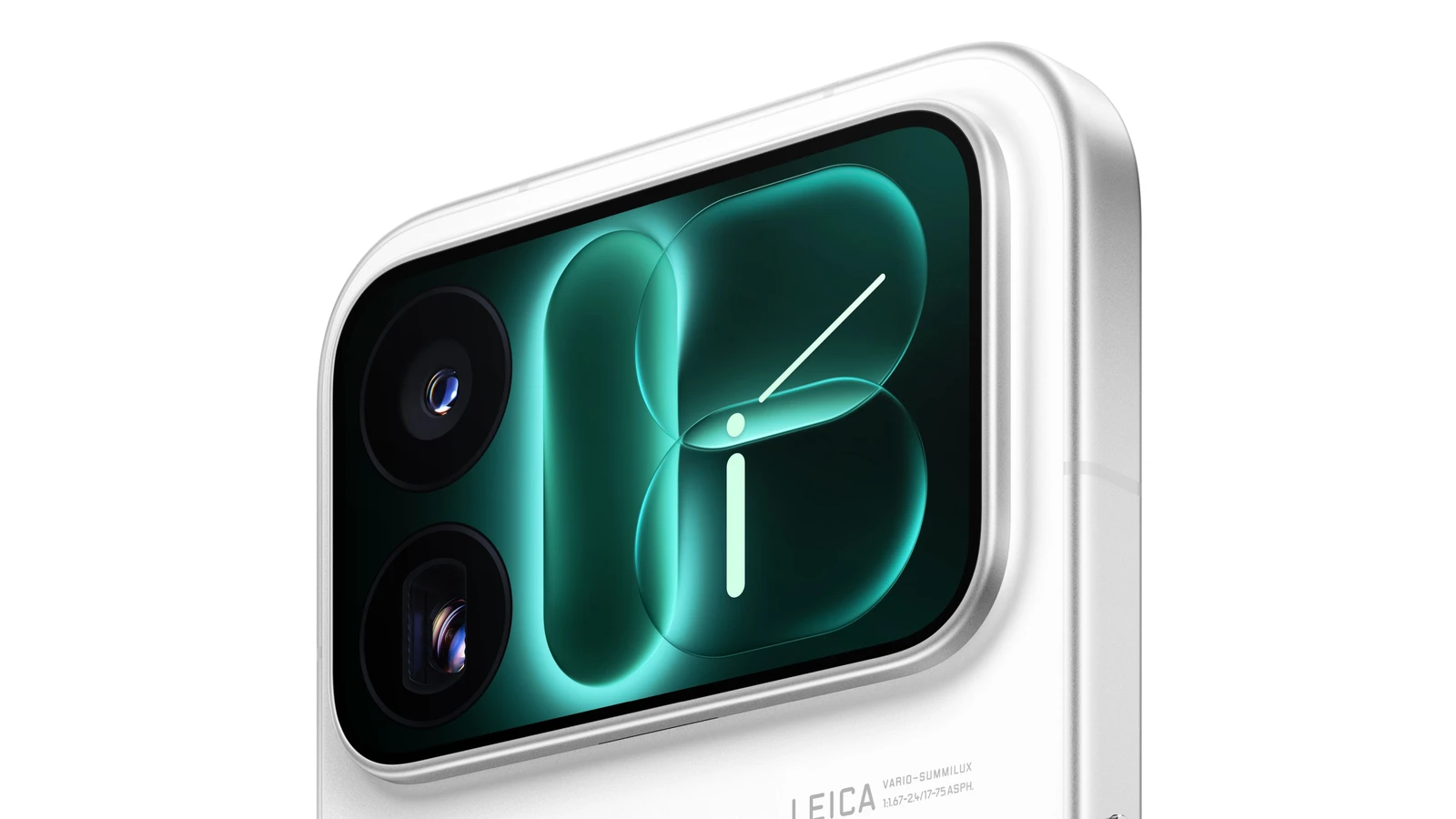
Xiaomi has just unveiled the Xiaomi 18 Pro series for the global market in Paris. The Xiaomi 18 Pro starts at €1,399.90 in Europe, and the larger Xiaomi 18 Pro Max at €1,599.90. The phones have been available in China since September. Unlike the previous generation with a rear display, which remained exclusive to China, the Pro series is now coming to Europe for the first time. Both models have a second display on the back, 2.7 inches on the Pro and 2.9 inches on the Pro Max, built into the camera module.

Mini Apps by Voice and Text
That rear display is home to the most interesting new feature. With “GenAI Apps,” Xiaomi says it is bringing the concept of vibe coding to smartphones: Users describe what they need in everyday language, and the phone builds a small app from it. Typical examples include a Pomodoro timer, a water intake tracker or an egg timer. More than 50 preset templates, from tools to mini games, serve as starting points. Users with little prompting experience can have a second A.I. refine their idea at the push of a button.
The apps are built with Google Gemini rather than Xiaomi’s own language model. At the international launch, Xiaomi itself named “Gemini 4 Argon” on Weibo as the engine behind GenAI Apps. In China, by contrast, Xiaomi relies on its in-house MiMo model family, which powers its Super XiaoAI assistant there. Creating apps requires an internet connection, but the self-built apps have no access to messages, calendars or other personal data.
What Vibe Coding Costs
Xiaomi has not announced a price for GenAI Apps. According to a Xiaomi footnote, however, there are monthly usage quotas whose size the company does not disclose, as inside-digital reported in its first test. With the purchase, Xiaomi includes three months of Google AI Pro with 5 TB of cloud storage, plus trial subscriptions to YouTube Premium and Spotify Premium. Anyone who does not cancel the Google subscription in time will keep paying the regular price afterward.
In everyday use, the feature is not yet mature. In inside-digital’s test, it took about six minutes for an app to be ready, and some text ran past the edge of the display. Its verdict: The GenAI Apps still feel unfinished. In its hands-on, Engadget described generation and refinement as sluggish, and requested changes did not always stick. The feature is meant for simple, single-purpose widgets anyway, not full-fledged apps.
Apple Relies on Shortcuts, Not Apps
The comparison with Apple is unavoidable. With the Xiaomi 17, the company skipped the number 16 to match the iPhone 17, and the camera module is strongly reminiscent of the iPhone 17 Pro. When it comes to A.I., however, Xiaomi is taking a different path from its role model.
Apple now also lets users program by voice, but only shortcuts. With iOS 27, users describe an automation in the Shortcuts app, such as a routine that switches the screen to grayscale in the evening, and Siri puts the workflow together. This requires an iPhone 15 Pro or newer and participation in the Siri A.I. beta, which has a waitlist. Standalone apps with their own interface cannot be built this way.
In the App Store, Apple has even cracked down on vibe coding providers. This spring, the company blocked updates to apps such as Replit and Vibecode and removed the app Anything from the store entirely, according to 9to5Mac. Apple cites a rule that apps may not download or execute code that changes their functionality. The company stressed that the problem is not vibe coding itself but violations of its guidelines.
A Toy With a Safety Net
Xiaomi sidesteps this problem because the mini apps run within its own operating system, HyperOS 4, and are sealed off from the rest of the phone. Whether this becomes more than a gimmick for the small rear display remains to be seen. The industry has had mixed experiences with generated apps: Thousands of apps built with Lovable recently exposed sensitive data because no one had checked their security. Then there is the dependence on Google: Without Gemini and an internet connection, there are no new apps, and it is unclear how generous the quotas will be after the three free months.
Xiaomi is not alone with the idea. The London-based manufacturer Nothing also lets users generate small widgets with A.I. through its Playground platform. And with tools like Lovable or Claude, individuals have long been building apps that used to require a team, as Trending Topics described in its piece on the solopreneur gold rush. Xiaomi is now bringing the principle to a flagship phone for the mass market.