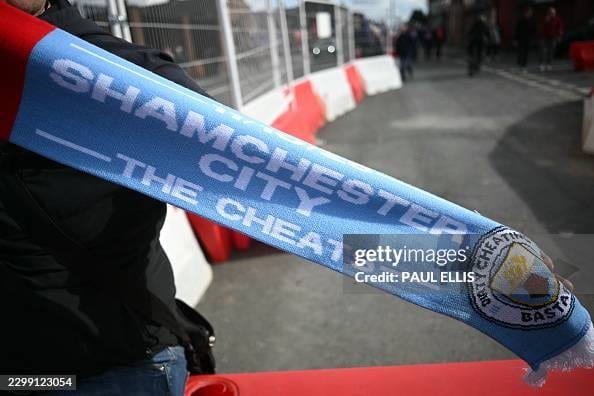
The Premier League has advertised itself as the world’s best league, with the best players, teams, and games. However, on September 25th, news broke that the independent commission found Manchester City guilty on more than 100 charges under the League’s financial rules.
An unexpected reckoning that nobody saw coming, particularly from the League, which had looked the other way and allowed it to happen under their watch.
To keep the league competitive, it has now stained the integrity of England’s biggest league.
Trying to keep the spirit of competition alive
Since its inaugural season in 1992/1993, when it became known as the Premier League, Manchester United dominated until Arsenal, under Arsène Wenger, began to challenge from 1998 onwards.
For many years, it was a two-team league, with Arsenal and Man Utd trading blows until Chelsea had money come in when Roman Abramovich bought the club, and all of a sudden Chelsea broke the mould, winning the league in 2005 with José Mourinho.
Three years later, Sheikh Mansour and Abu Dhabi took over Manchester City. The system broke because Arsenal and Utd couldn’t keep up with the heavy financial backing.
The League accepted this because of the competitiveness it would bring, making it even more marketable globally. It separated itself from the Bundesliga, Ligue 1, and La Liga, where the same teams have always dominated.
City won their first league title in 2012 and their second two years later, in 2014; then, under Pep Guardiola, they dominated the league, reaching 100 points in his second season.
Lack of governance
The League introduced its APT (Associated Party Transactions) rules after the Saudi-led takeover of Newcastle United in 2021. This has put Newcastle in a position to grow their revenues traditionally and has prevented them from using any ownership-related sponsors.
That wasn’t the case for City after their 2008 takeover, as the independent commission’s findings showed its owners used their own companies and investments to fast-track City’s revenues.
That’s why transfer fees have grown so much, and why they’ve been able to spend large sums on players: they used their own sponsorships, such as Etihad.
In their first full season under the Abu Dhabi United group, revenue finished at £27M, then jumped to £41.25M in 2010/11, and again to £86.75M in 11/12, with a huge increase to £127.5M in 13/14. The numbers keep accelerating as the seasons go by.
But as much as City have been caught cheating and “financially doping”, the League also has to answer for not scrutinising City’s sponsorship deals or questioning their legality.
Instead, more competition makes the League look better, but it now faces questions of hypocrisy and fairness, given that restrictions keep some teams from closing the gap on the elite.
Falling asleep at the wheel? Or not paying attention? The League has looked the other way for years and now finds itself in a situation it ignored.
Premier League’s governance will be tested again
City have appealed the independent regulator’s guilty verdict, claiming they have “irrefutable evidence” and are trying to prove their innocence.
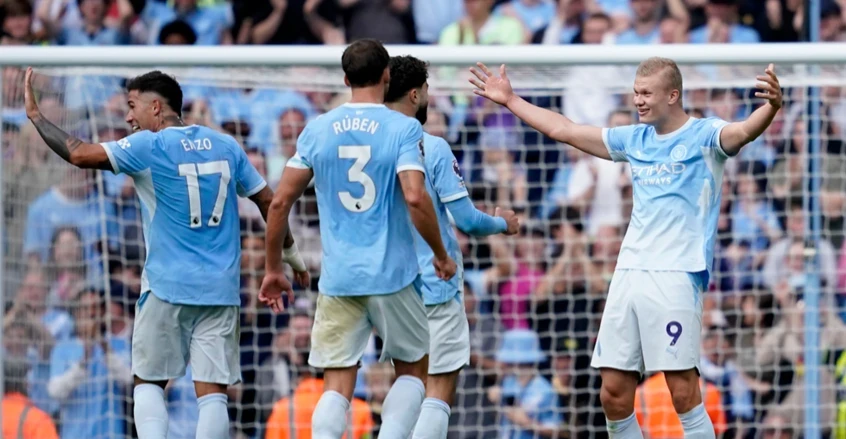
While the appeal process continues, Man City have maintained their 100% record on the pitch, winning six out of six and sitting top of the League.
That leaves a bad taste, given the situation in the background, and it will test the League’s governance again. Nottingham Forest and Everton were given points deductions for breaching PSR.
Man City’s case is much bigger, given how many years it has been going on and the League’s mistake of not acting during any of those years.
If the appeal falls through, the League will have to consider appropriate sanctions, which means it takes its rules seriously and can provide proper governance.
City cheated the system and broke the rules; they agreed with the League to put measures in place, while the League must restore its legitimacy and seriousness after suffering serious harm in the wake of City’s guilty verdict.