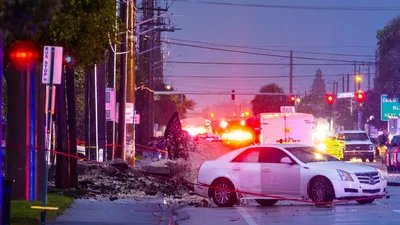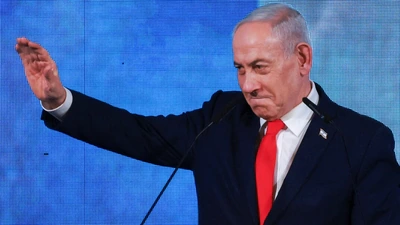
The United States struck Iran’s Qeshm Island on Monday after US President Donald Trump publicly played down the possibility of renewed war, while also hinting at a diplomatic breakthrough.
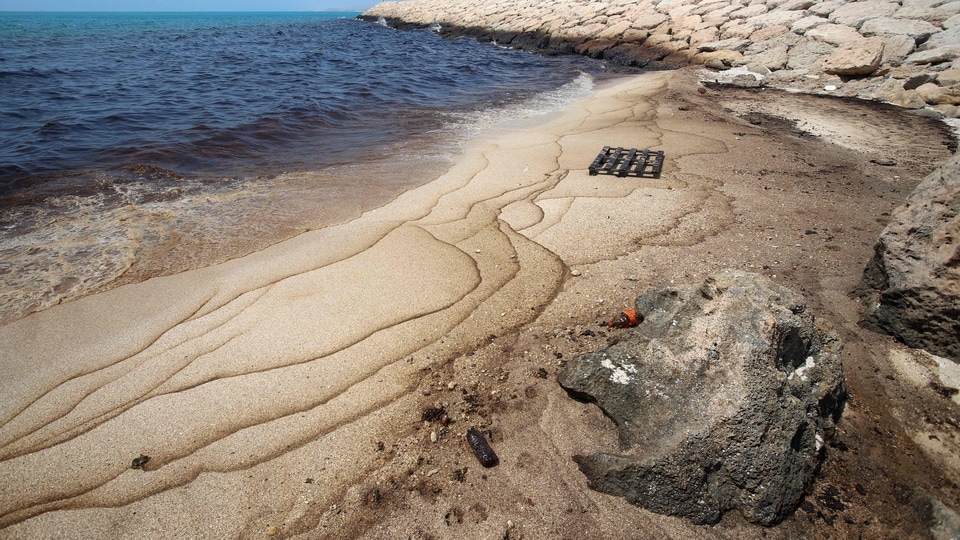
The latest attack on Qeshm is part of a series of covert American strikes conducted over the past few weeks, Wall Street Journal reported citing US officials. A US official also told the Associated Press that America had conducted defensive strikes on some Iranian targets in the Strait of Hormuz. The WSJ report came even as Iran’s state-run news agency IRNA said several explosions were heard on Qeshm Island, which is located at the mouth of Strait of Hormuz.
Significantly, the island houses a large underground missile, a naval base and a major desalination plant. The US has earlier struck the island in previous rounds of fighting, with offiicials also discussing seizing it.
While IRNA did not make the cause of the explosions clear, there was also no confirmation from the Iranian side on the source.
The alleged strikes come amid America’s recent diplomacy and Trump’s toned down rhetoric before Tuesday’s midterm elections. In remarks made on Monday, Trump had said he was not considering striking Iran following the midterms, while also highlighting that the two sides had not been “fighting for weeks” now.
The American side had also expressed optimism that a deal could be made to prevent Trump on following through on his earlier threat of strikes on Iran after the midterm elections.
The conflict began with US-Israeli strikes on Iran in February earlier this year, with America citing Tehran’s nuclear program as the reason. i. Tehran retaliated with attacks on US interests and bases in Gulf countries, and effectively blocked navigation in the Strait of Hormuz. The US countered with a naval blockade on Iran.
While both sides had agreed to a ceasefire framework in June which gave them 60 days to negotiate a final truce, it unravelled quickly over sticking points, including the Strait of Hormuz and Iran’s nuclear program.
Trump-Vance diplomacy before midterm elections
In a speech in Washington on Monday, Trump had noted the drop in oil prices, which had dropped sharply, while seeking to allay fears over renewed fighting. “I don’t know if you even call it a war, because we haven’t been doing any fighting for months,” he said, according to the Associated Press. When asked by reporters on whether he was considering strikes on Iran after the midterm elections, Trump, in a brief response, said, “No.”
Meanwhile, US Vice-President JD Vance had also on Monday said the American side had held a “number of good conversations with the Iranians.” Vance said that both Trump and him “feel pretty good” about the prospects of a negotiated settlement with Iran. “We’re going to keep on working at it,” AP cited Vance as saying.
Vance had also sent a letter to Iran’s security chief, Mohsen Rezaei, last week. While the White House has not elaborated on its contents, the letter had r allegedly proposed direct US-Iran talks under Vance’s leadership, with the Iranian nuclear program being a part of discussions from the beginning, the New York Times reported.
A Wall Street Journal report citing a source said the letter had outlined a “framework for negotiations”, adding that it was sent out at US President Donald Trump’s directive.
Also Read | ‘Would I tell you?’ Trump snaps at reporter when asked about possible fresh US strikes against Iran
Iran says US ‘completely shifted tone’ in Vance letter; Mojtaba warns of attacks without ‘geographic limits’
Iran’s security chief, Mohsen Rezaei, told state television that “the tone has completely changed” from the US side in Vance’s letter, while calling it a “good sign.” At the time, Rezaei said he had not responded to the letter and did not elaborate on its details.
Iran’s Supreme Leader Mojtaba Khamenei, meanwhile, warned of an immediate response to any “kind or level of threat” from America in the future, saying it would be one without “geographical limits”. Khamenei, who has not been seen publicly since the war began in February this year, reportedly made these remarks in a meeting with military chiefs. The Iranian Supreme Leader also called for an updated list of potential US and Israeli targets, Iran’s state media reported.