The United States is preparing to order some diplomatic personnel and their family members to leave American embassies across the Gulf amid growing concerns about a possible resumption of hostilities in the Middle East, particularly involving Yemen’s Iran-backed Houthi rebels, three U.S. officials told Reuters on Wednesday.
The State Department is preparing to issue what is known as an “ordered departure,” a mandatory security measure requiring designated personnel and eligible family members to leave their diplomatic posts. Unlike a voluntary departure authorization, such an order obliges those affected to relocate while essential embassy operations generally continue.
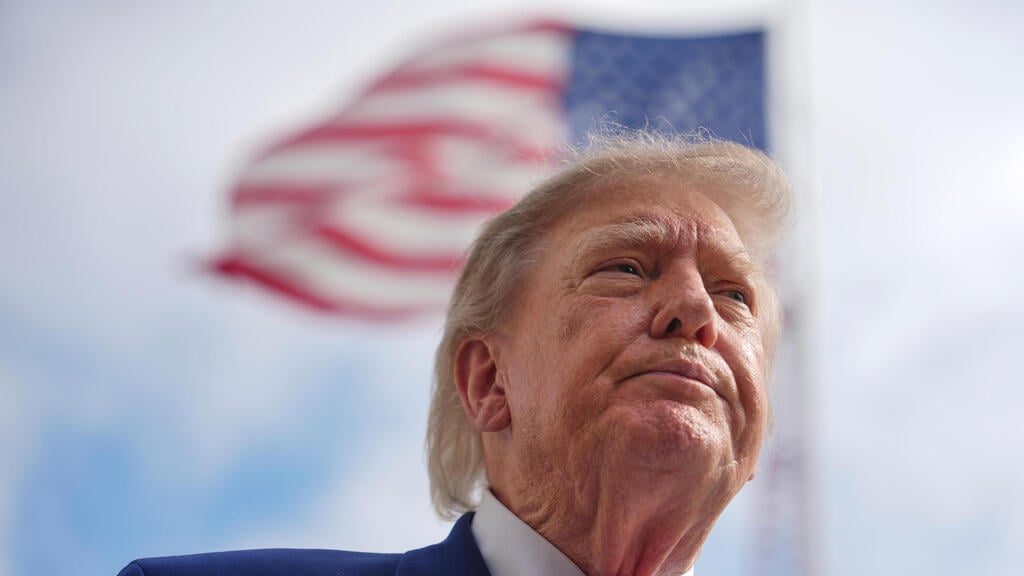
US prepares Gulf embassy staff departures over fears of renewed fighting
(Photo: AP/ Julia Demaree Nikhinson)
Two of the officials said the preparations were prompted by concerns that fighting could resume or escalate, especially involving the Houthis, whose missile and drone attacks on Saudi Arabia have intensified in recent weeks.
Reuters did not identify which embassies would be affected, how many personnel could be required to leave or when the order might take effect. The preparations do not mean that departures have already begun.
Washington warns of widening Houthi threat
The reported preparations follow an unusual wave of security alerts issued by American diplomatic missions across the Middle East on Sunday, warning U.S. citizens that fighting involving the Houthis could spread rapidly beyond areas already affected by the conflict.
Embassies in Bahrain, Kuwait, Qatar, the United Arab Emirates and several other countries issued coordinated warnings, according to ABC News. The alerts urged Americans to remain vigilant and prepare for possible disruptions to air travel and other services.
The Trump administration increasingly views Houthi attacks as a broader threat to Americans throughout the region, rather than one confined to Saudi Arabia and Yemen, U.S. officials told ABC News earlier this week.
The warnings followed a series of attacks on Saudi airports and energy infrastructure, including an October 10 strike on King Khalid International Airport in Riyadh that killed 13 people, among them an American citizen. The attack also left hundreds injured and forced the airport to suspend operations.
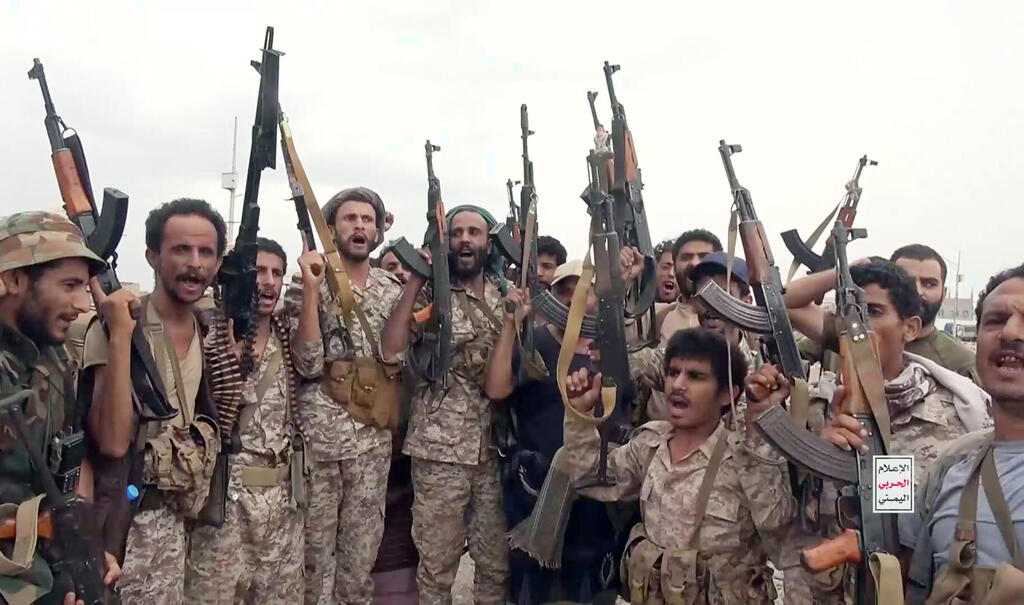
Houthis
(Photo: Mohammed Hamoud/Getty Images)
The airport resumed limited domestic flights on Wednesday, although international services remained severely disrupted. Saudi-led coalition forces also reported intercepting five Houthi drones targeting the city of Medina the same day.
The escalating violence has prompted Saudi Arabia to seek additional military support from regional and Western partners. On Tuesday, Britain announced that Royal Air Force Typhoon fighter jets would conduct defensive missions over Saudi Arabia to help protect cities and critical infrastructure from Houthi missiles and drones.
The British deployment will also include an A400M transport aircraft and military advisers. London stressed that its fighter jets would operate defensively and would not carry out offensive strikes against Houthi targets in Yemen.
The Houthis, who control Yemen’s capital, Sanaa, and large parts of the country’s north, have been engaged in renewed fighting with Saudi-backed Yemeni forces since July. The group has used missiles and drones against targets in Saudi Arabia while continuing attacks against government-aligned forces inside Yemen.
For Washington, the latest security concerns come just weeks after American diplomats and their families began returning to some Middle Eastern postings following an earlier round of departures linked to the war with Iran.
The United States withdrew personnel from several embassies after U.S. and Israeli strikes against Iran began on February 28, amid fears of Iranian retaliation against American diplomatic and military facilities across the region.
By late August, the State Department had begun easing some of those restrictions, allowing personnel to return to diplomatic missions in countries including Saudi Arabia, while family members were permitted to return to several Gulf postings.
A new ordered departure would therefore represent another tightening of security measures after Washington had only recently begun restoring its diplomatic presence in the region.
The reported preparations underscore growing concern that the conflict involving the Houthis could expand beyond Yemen and Saudi Arabia, potentially placing American diplomatic personnel across the Gulf at greater risk.