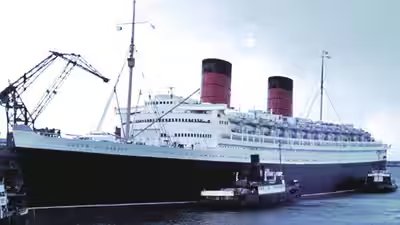
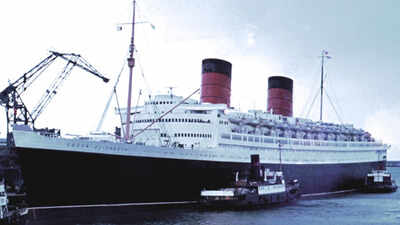
A change of purpose can give an old enterprise a second life. But not every transformation reaches completion. During the Second World War, the former RMS Queen Elizabeth had crossed the Atlantic, carried troops and returned to passenger service. By January 1972, it was moored in Hong Kong under a new name and being converted into a floating university.However, just five days shy of its scheduled sea trials, a fire swept through the vessel. Hundreds of people were rescued from the engulfing flames, but the ship itself was lost.A Royal Liner’s second actAccording to HISTORY, the vessel was named after King George VI’s wife, Queen Elizabeth, and launched on 27 September 1938. At the time, it was regarded as the largest steamship known to have been built. At the outbreak of the war, it was sent to New York to protect it from German bombing. It then served its purpose as a troop transport, carrying nearly one million soldiers. After the war, it resumed its duties as a transatlantic passenger liner.The Cunard Steamship Company subsequently sold the liner in 1968 to a company whose plans included turning it into a tourist attraction and hotel in Philadelphia, HISTORY noted. But the proposal did not pan out because the ageing vessel was deemed a fire hazard. In 1970, a businessman from Hong Kong named C.Y. Tung bought it for use as a floating college. It was renamed Seawise University and taken to Hong Kong for refitting.A Sunday blaze before sea trialsAccording to the South China Morning Post, over HK$30 million had been spent on the work and the sea trials which were scheduled. The 83,000-ton vessel boasted 11 decks. The fire started shortly before noon on Sunday, 9 January 1972.The flames went through much of the ship, and damaged cabins, public rooms, kitchens and restaurants in their wake. Throughout the afternoon and evening, smoke was seen hanging over Hong Kong’s western skyline, the South China Morning Post reported. After dark, the burning liner remained visible across the harbour.Escaping the burning decksFollowing the account of witnesses reported by the South China Morning Post, some workers had gone ashore for lunch before the fire had spread. Other workers were completing the refit, and the visitors were also aboard, having been invited for a buffet meal. A crew member employed as a fireman told the outlet that smoke had emerged from A deck at about 11:40 am. An engine-room technician claimed the electricity had failed and he climbed to the deck and used a rope to reach a nearby lighter. Other workers had abandoned attempts to stave off the flames because the smoke and heat made it impossible to continue.People escaped by different routes. Some climbed down ropes to boats and lighters, while others jumped into the water later to be retrieved by vessels nearby. The master of the launch, named Cynthia, told the South China Morning Post that his crew threw ropes to people aboard. Those unable to reach them used the ship’s anchor chain to get to a buoy, where passing launches picked them up.More than 300 people were saved, including children and visitors. A pleasure boat rescued 25 people, while a police launch picked up another 22, the Post reported. The scene featured attendance in the form of car ferries, pleasure craft, Marine Police launches and the Royal Navy patrol craft. Overhead, the Royal Air Force helicopters kept tabs. Five divers were placed on standby.
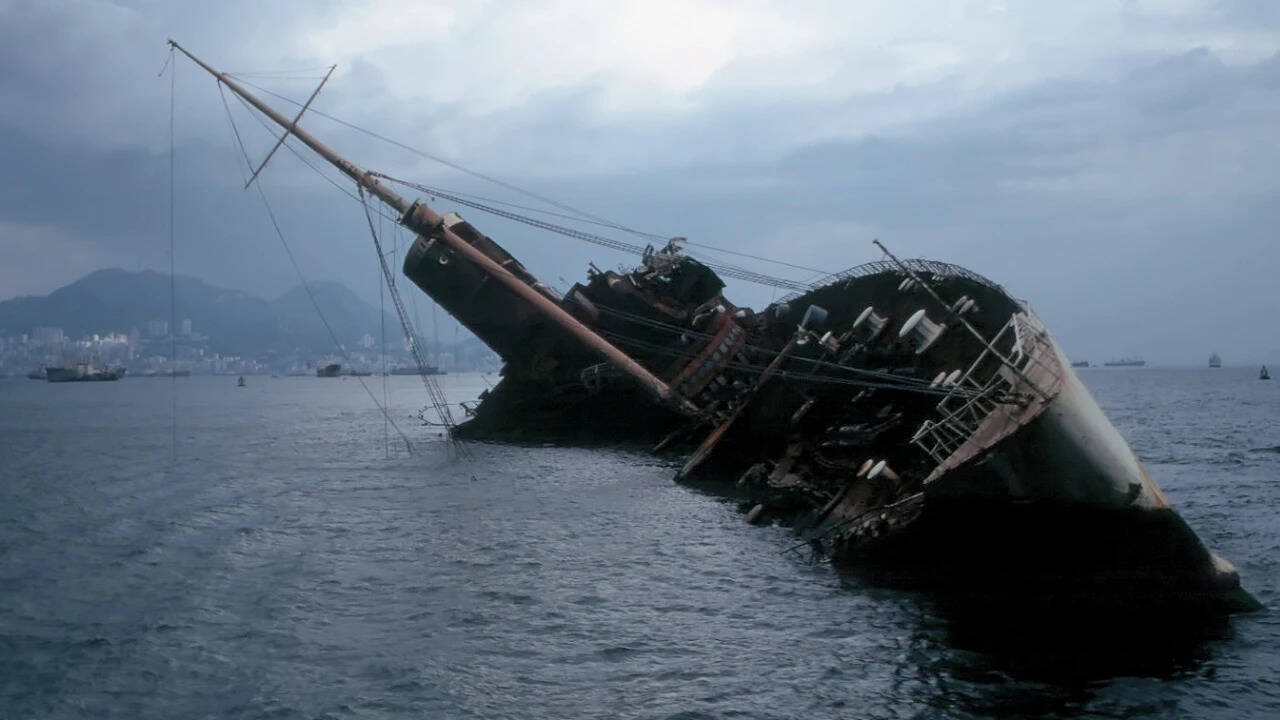
Image of the Wreck of Seawise University. (Image Credits: Wikimedia Commons)
From sunken hull to HollywoodFirefighters confronted the blaze from three fireboats. A fire engine and additional crews were brought alongside aboard a double-deck vehicular ferry in an operation described by the Post as the first situation of its kind. Firefighters wore breathing apparatus and entered the ship, where they checked for trapped people but found nobody.The firefighters’ efforts were aggravated by growing fears over the liner’s stability. By evening, the ship had heeled 17 degrees to starboard, settling at a 15-degree list, the Post reported. By 4:40 pm, officials stopped pumping water aboard out of fear that additional weight could exacerbate the list. An hour later, hoses were used again. A proposal to beach the ship was then abandoned.The South China Morning Post reported no deaths, but the fire left 10 people injured, and two were taken to the hospital. One worker named Ping Lien-to suffered back injuries while descending down the rope. Another man sustained serious stomach injuries. HISTORY records that the vessel eventually turned on its side and sank after the firefighting endeavours. The wreck remained in the harbour for two years before being raised and scrapped, according to the Post. It later found purpose as a filming location in the 1974 James Bond film The Man with the Golden Gun.