Dharamshala:
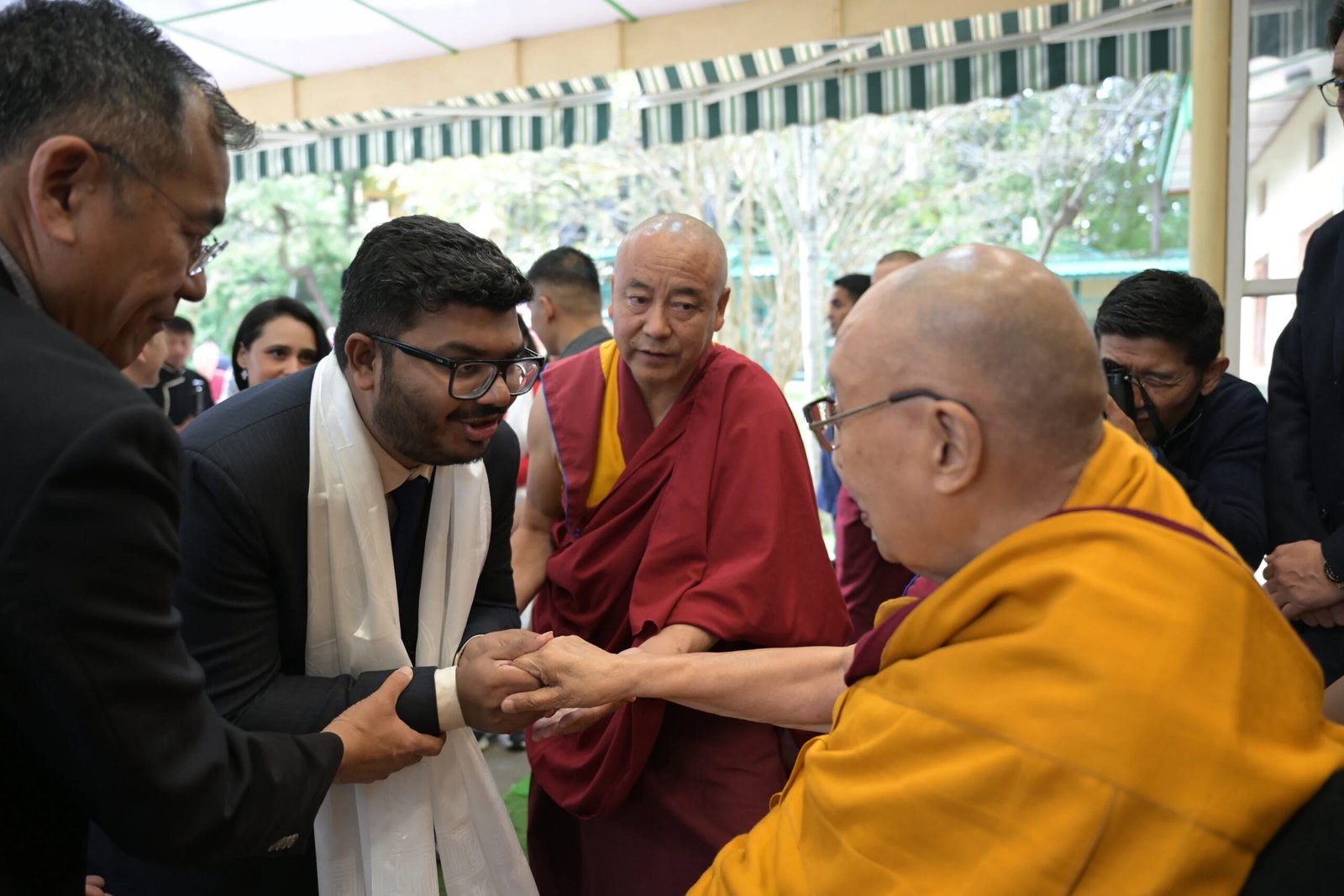
China’s reach is growing, and the world is turning more turbulent, but the Tibetan cause isn’t going anywhere. That’s the Dalai Lama’s message, delivered in an interaction with NDTV.
“The Tibetan issue will remain alive as the culture and religion are deeply rooted,” the Dalai Lama, 91, said when asked what still gives him hope for his people.
But there are two points of concern. The first is how to hold on to a distinct identity under Chinese rule. The second is harder to say aloud: what happens to the movement once the man who has been its face for decades is gone?
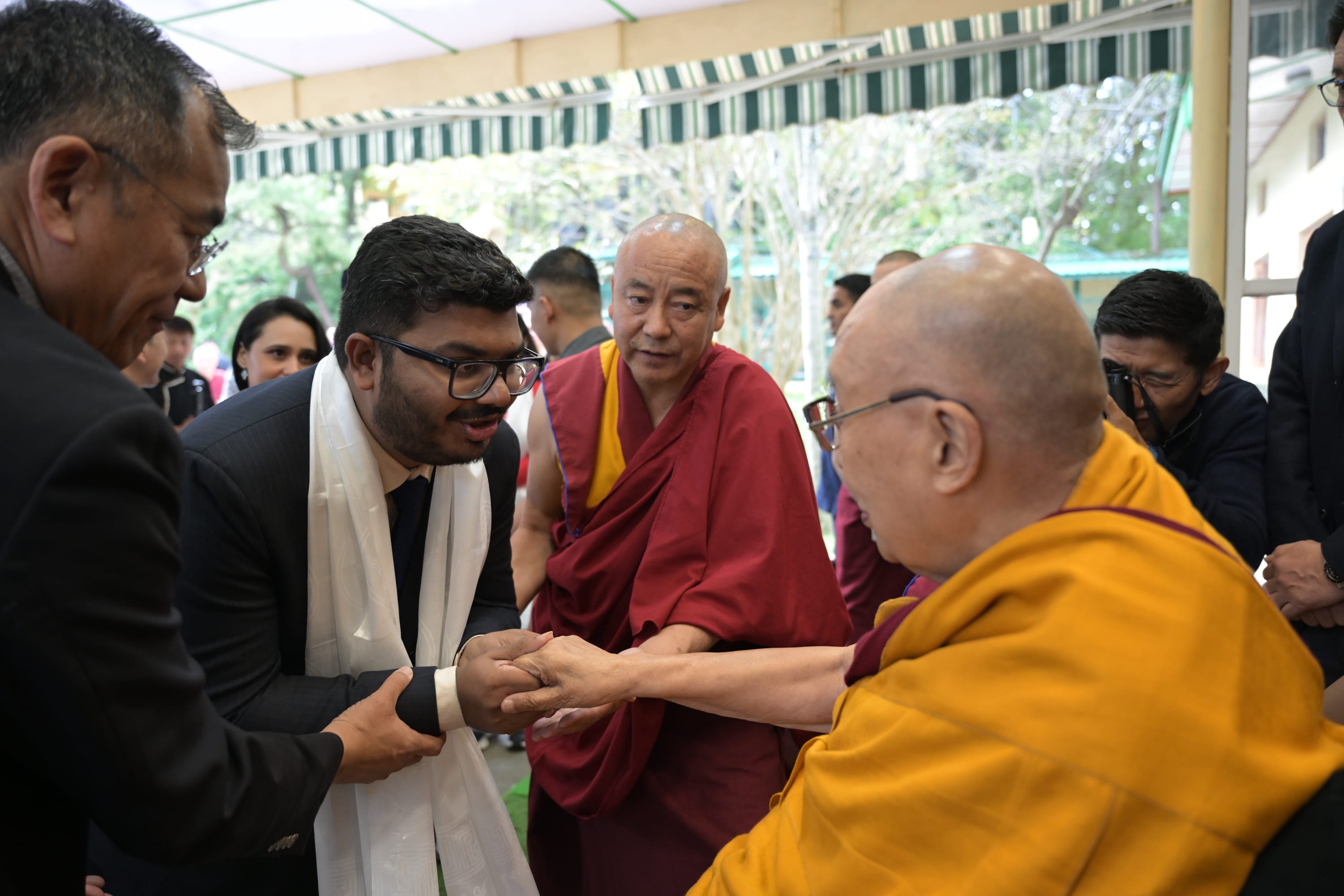
The Dalai Lama fled Tibet in 1959 and made India his base. For most of that time, the Tibetan cause and the leader have been almost the same thing in the public mind. As he ages, the debate over what comes next has only grown louder, and it covers the movement itself, the institution of the Dalai Lama, and Beijing’s push to control the succession.
He has tried to head off that fear. In Voice for the Voiceless: Over Seven Decades of Struggle With China for My Land and My People, published in March 2025, he wrote that the struggle must not hinge on him. It was about “the very survival of an ancient people and their culture, language and religion.”
“Tibetans have spent nearly 75 years fighting for freedom,” he wrote. “Their struggle should continue beyond my lifetime.”
READ | Tibetan Government-in-Exile Tells World: Prepare Now for Dalai Lama’s Succession
Succession And China’s Claim
The succession question got serious in July 2025 when the Dalai Lama said the institution of the Dalai Lama would live on after him.
He was clear about the Gaden Phodrang Trust, tied to his office, picking the next leader. Beijing sees it differently. It says the next Dalai Lama has to be chosen under Chinese rules, with the government’s sign-off.
Since then, the fight has weighed heavily on the leadership in exile. Representatives of the Central Tibetan Administration told NDTV they want Tibetans, Buddhists and foreign governments to start preparing now and to push back against any attempt by Beijing to take over the process. The administration still holds to its Middle Way Policy, which asks for genuine autonomy for Tibet within China.
READ | Tibetan Population In India Shrinks as Fewer Refugees Arrive, Young People Leave
Keeping Tibetan Identity Alive
When the Dalai Lama reached India in 1959, he made a choice that shaped the exile community for decades. Rebuilding meant schools first, and keeping the culture alive came right alongside.
In his memoir My Land and My People, the Dalai Lama wrote that Tibetan refugee children were struggling, and he recognised that they needed schools of their own so that they still feel connected to their roots and one day pass them on to their own.
Now that emphasis on cultural continuity faces mounting pressure from Chinese policy.
Human rights groups are alarmed by Tibet’s state-run boarding schools. Children there spend long stretches away from their families, and the teaching leans hard on a shared Chinese national identity. Beijing says the policies bring development, stability, and ethnic unity.
Chinese authorities say Tibet is an integral part of China and that their policies are about national unity and stability.
For the Dalai Lama, the key issue is whether the community’s cultural and religious roots survive. His latest remarks echo something he has said many times: preserving Tibetan identity has to go on, no matter who leads.