Trade in recycled DRAM for mobile phones rises in China Supply shortages are driving it, but trust in products is eroding

There are indications that memory chips are being removed from used phones, installed in brand-new phones, and sold to consumers. Analysts say Chinese smartphone makers are resorting to workarounds as semiconductor shortages increase the share of costs attributable to semiconductors and make it difficult to meet production targets.
On the 21st, market research firm Counterpoint Research said Chinese smartphone makers had lowered their production targets since the second quarter because of soaring memory prices and weak supply. They also continued to cut staff and reduce spending. However, starting in the third quarter, they began raising shipment targets, particularly for entry-level models.
The electronics industry pointed to increased use of recycled DRAM as the reason. Memory manufacturers are allocating production capacity to server DRAM (DDR5) and high-bandwidth memory (HBM) to boost profitability, reducing the supply of low-power DRAM for smartphones (LPDDR). The supply of LPDDR4, used in entry-level smartphones, is even expected to fall by 40% or more.
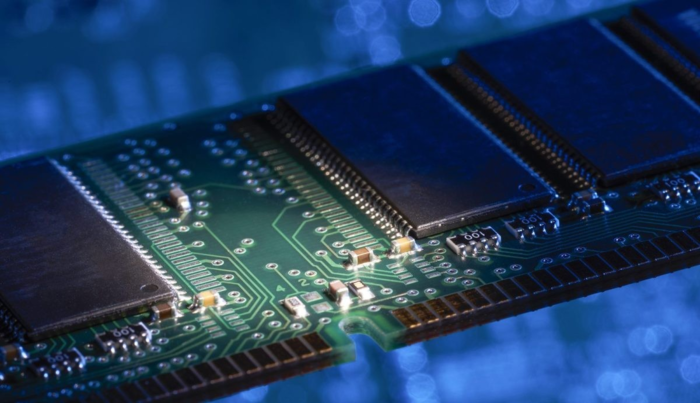
TrendForce noted that memory accounts for 30% to 40% of the total component cost of a smartphone. TechNews reported that the price of smartphone memory had risen by as much as 500 yuan (about 100,000 won) per unit. With new memory becoming difficult to secure, recycled DRAM has emerged as an alternative. The process involves removing DRAM attached to the circuit boards of used smartphones or personal computers (PCs), testing its performance, and soldering it onto new circuit boards. DDR4 modules discarded by data center operators can also enter this recycling supply chain.
Some reportedly even considered using recycled products for all the DRAM in entry-level models. In fact, trading is brisk at Huaqiangbei, China’s massive electronics market, where DRAM is recovered from discarded phones, cleaned, reprocessed, and repackaged. When mixed with new chips, it is difficult for consumers to tell them apart.
A Counterpoint Research representative stressed, “There are cases where DRAM that has already been used for five to six years is recovered and used for another five to six years, which shows just how severe the memory supply shortage is. As memory ages, its components degrade, reducing its ability to retain data and increasing the likelihood of errors.”