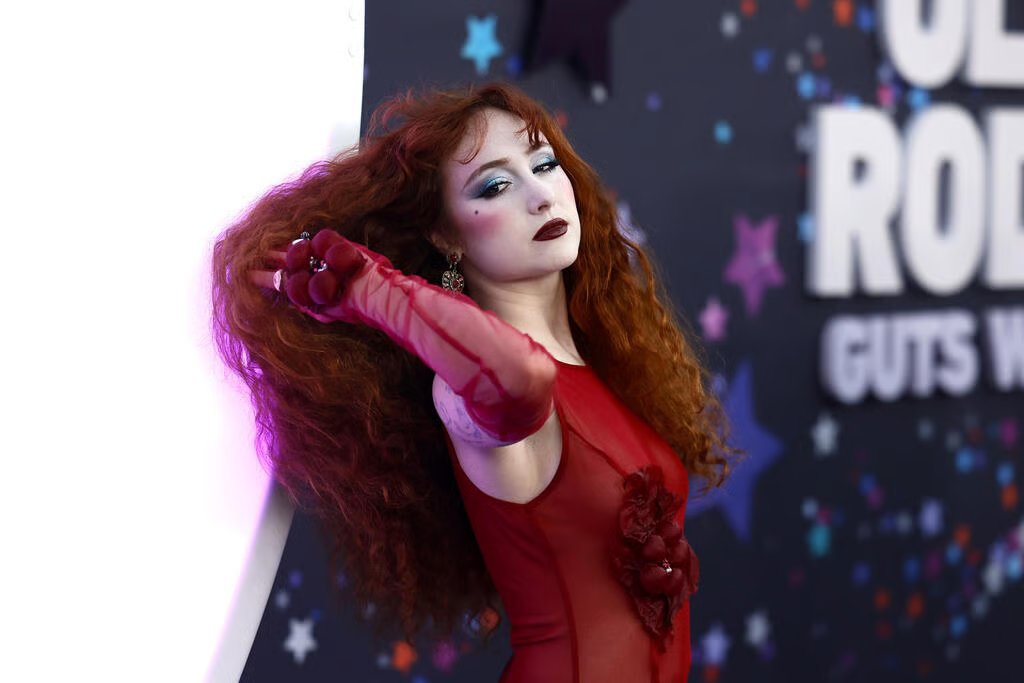
Chappell Roan has become a singer whose presence is impossible to ignore. She established herself as a queer icon, won a Grammy and earned widespread acclaim for her music and the theatrical flair she has brought back to pop. At the same time, she has earned the unflattering title of “the meanest singer in the industry,” and for a moment it seemed her career was ready for its last rites, nearly canceled over allegations of inappropriate and possibly even bullying behavior toward fans.
And yet, she has risen from the dead. Her duet with Olivia Rodrigo is racking up millions of views on YouTube, and she has enjoyed a particularly successful run of shows in Los Angeles. As if that were not enough, last December she was named an ambassador for makeup brand MAC (hardly surprising, considering her makeup expenses probably rival those of an entire continent). In February, she turned the Grammy Awards into an answer to the question: Just how much commotion can one dress cause?
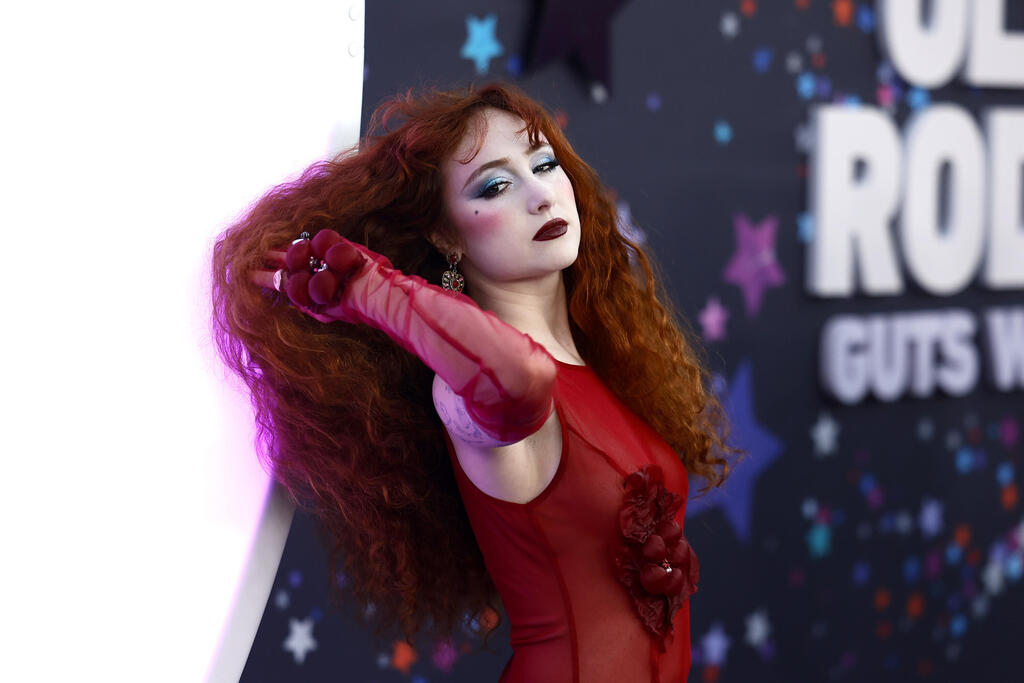
She cannot be confused with anyone else. Chapell Roan
(Photo: Frazer Harrison/Getty Images)
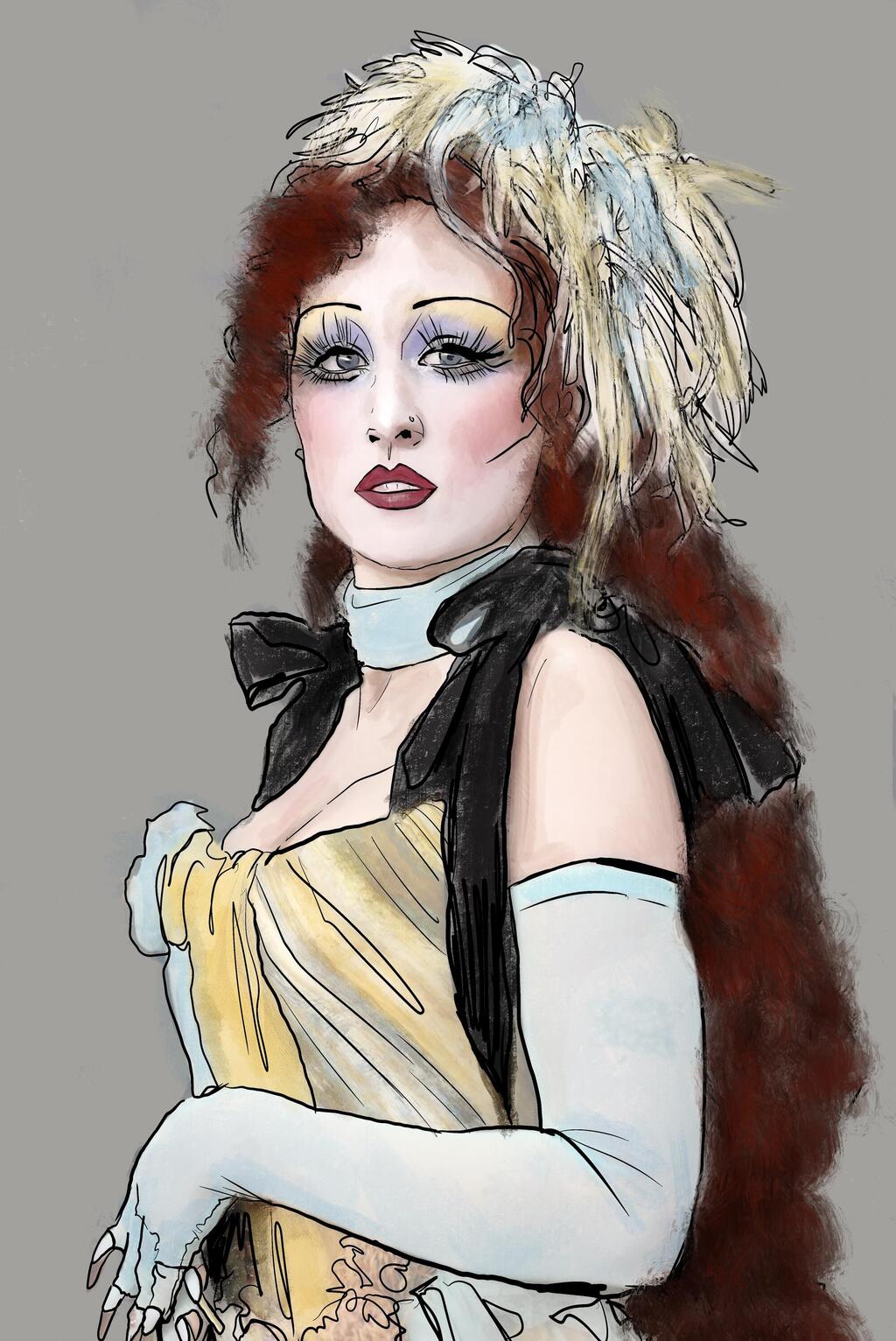
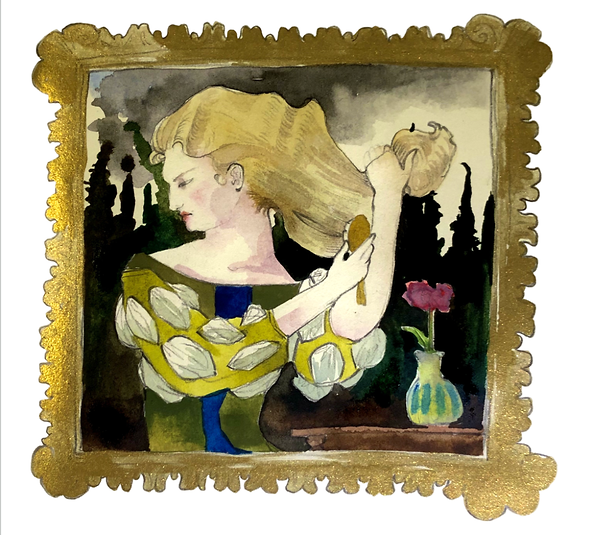
(Illustration: Erez Amiran)
Roan, 28, is not a star dreamed up overnight in a record label’s offices. She spent years trying to break through, failed, was dropped, clashed with people and eventually reinvented herself as the glitter-covered monster she is today. She is an excellent singer and a wonderful performer, but also an example of someone who turned the antagonism she provokes into part of her persona, only to find herself trapped by it.
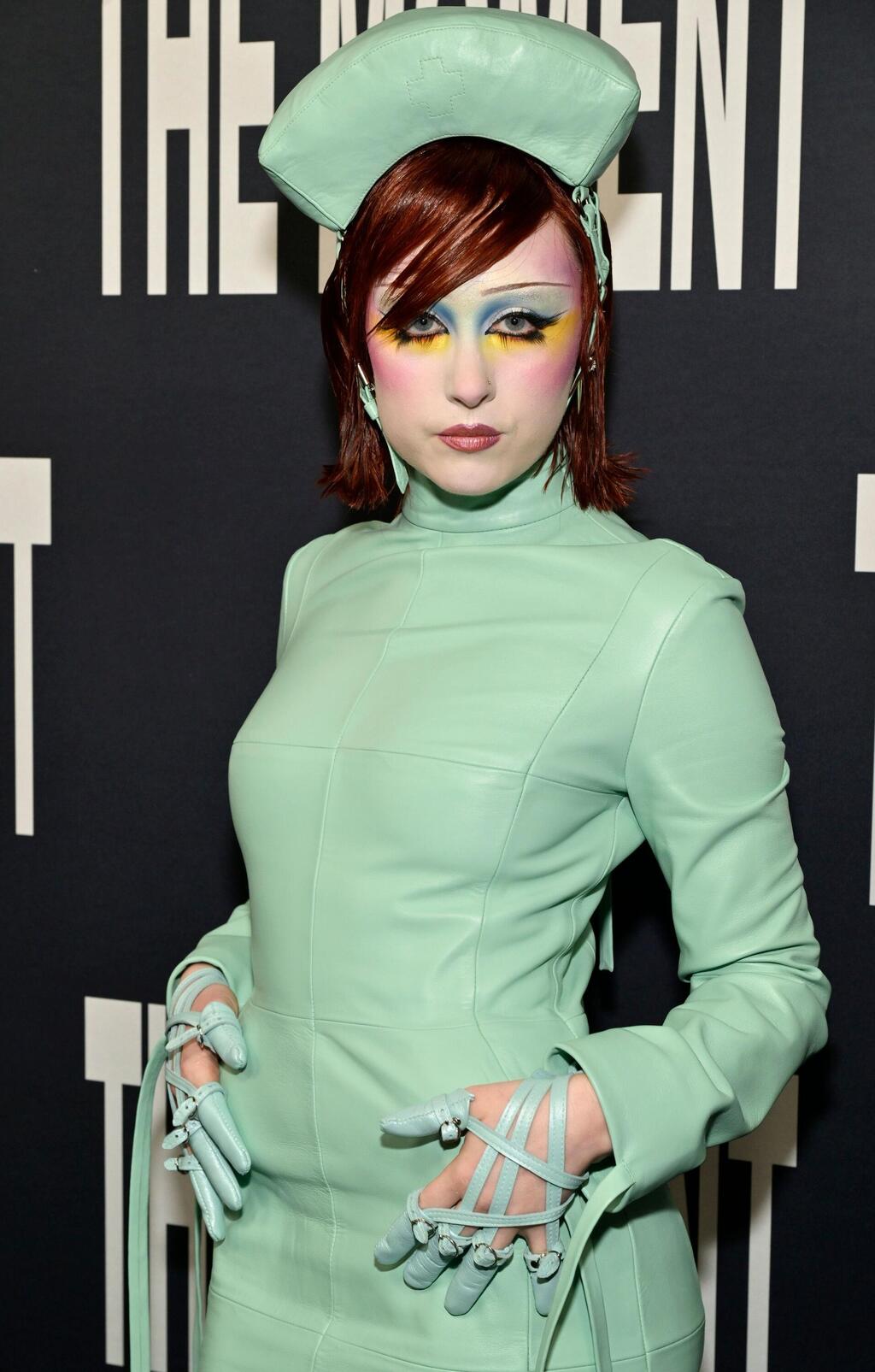
ILONA’s costume at the premiere of ‘The Moment’, 2026
(Photo: John Sciulli/Getty Images)
Scandals? She has them by the truckload: confrontations with photographers that became viral sensations, aggressive statements about the boundaries she expects fans to respect, using award ceremonies to make demands about pay and deliver political speeches, and the most widely publicized controversy of all, involving a security guard she may or may not have sent, depending on whom you ask, to remove an 11-year-old girl who approached her for an autograph.
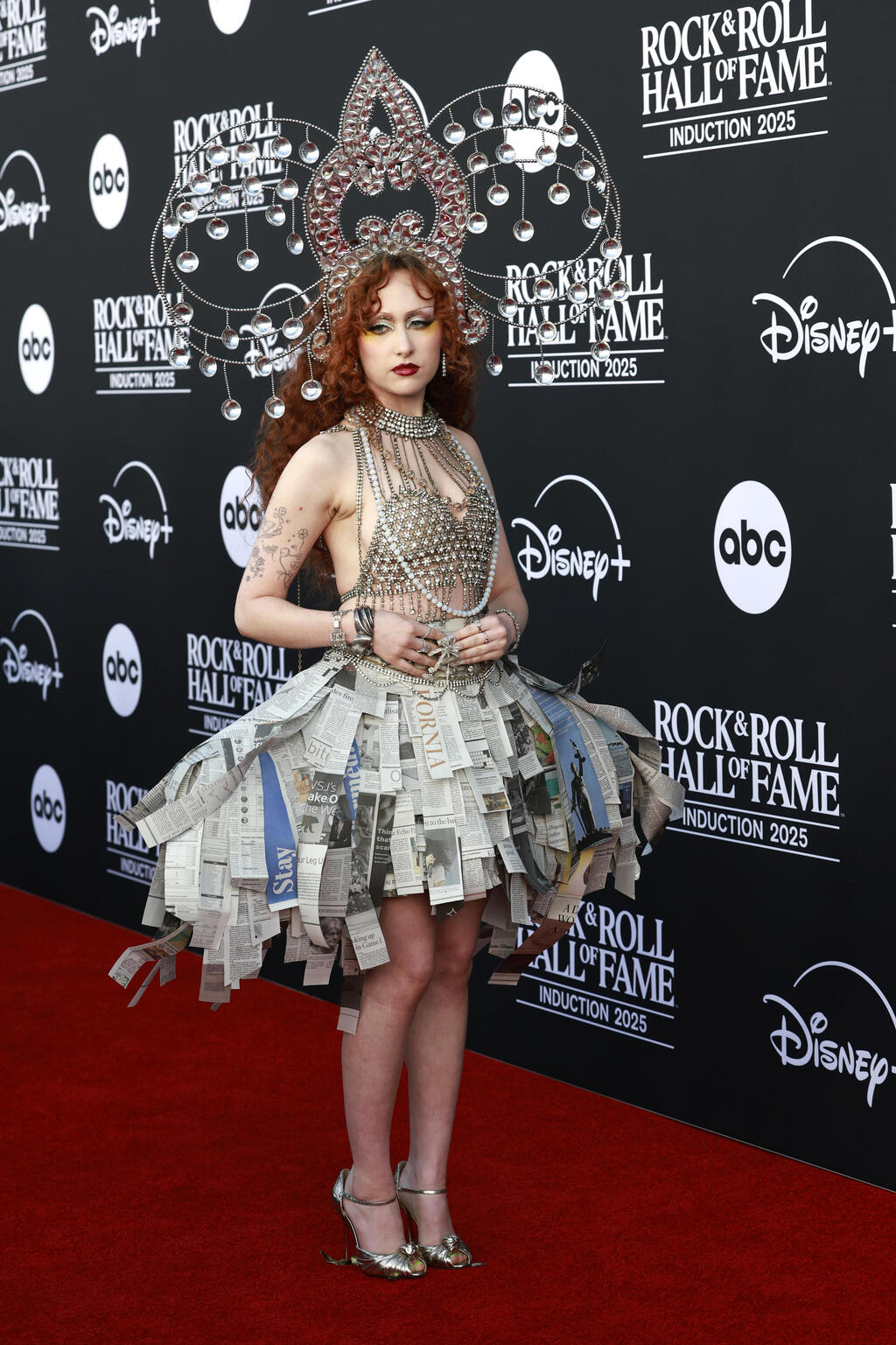
esign by Ephraim Nava and Manny Robertson on the red carpet at the Rock &R oll Hall of Fame, 2025
(Photo: Frazer Harrison/Getty Images for RRHOF)
Like someone with a distinctive visual language who knows exactly what kind of world she wants to inhabit, but has no idea when to stop decorating it.
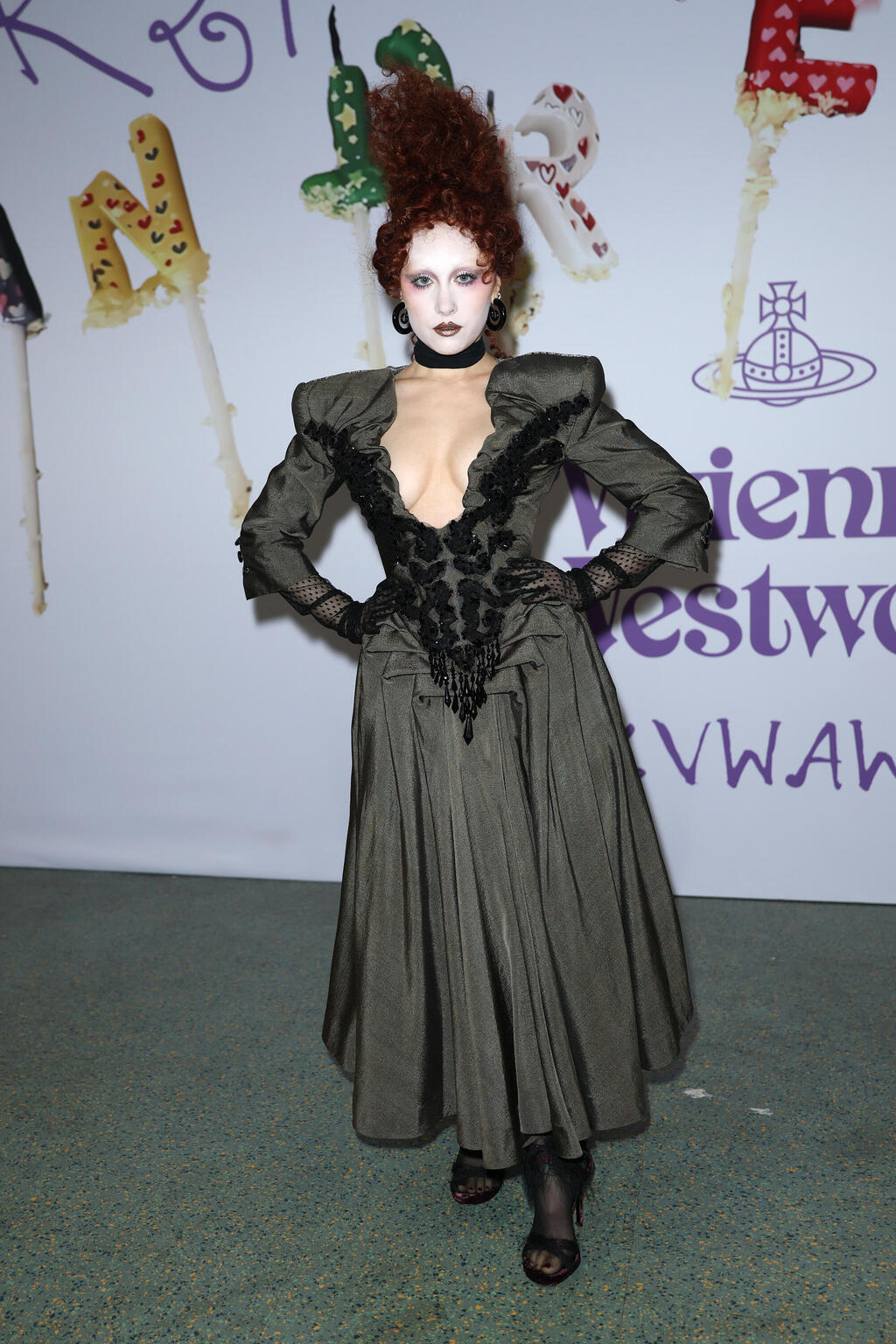
In Vivienne Westwood’s Fall-Winter 2026-27 show
(Photo: Aurore Marechal/Getty Images)
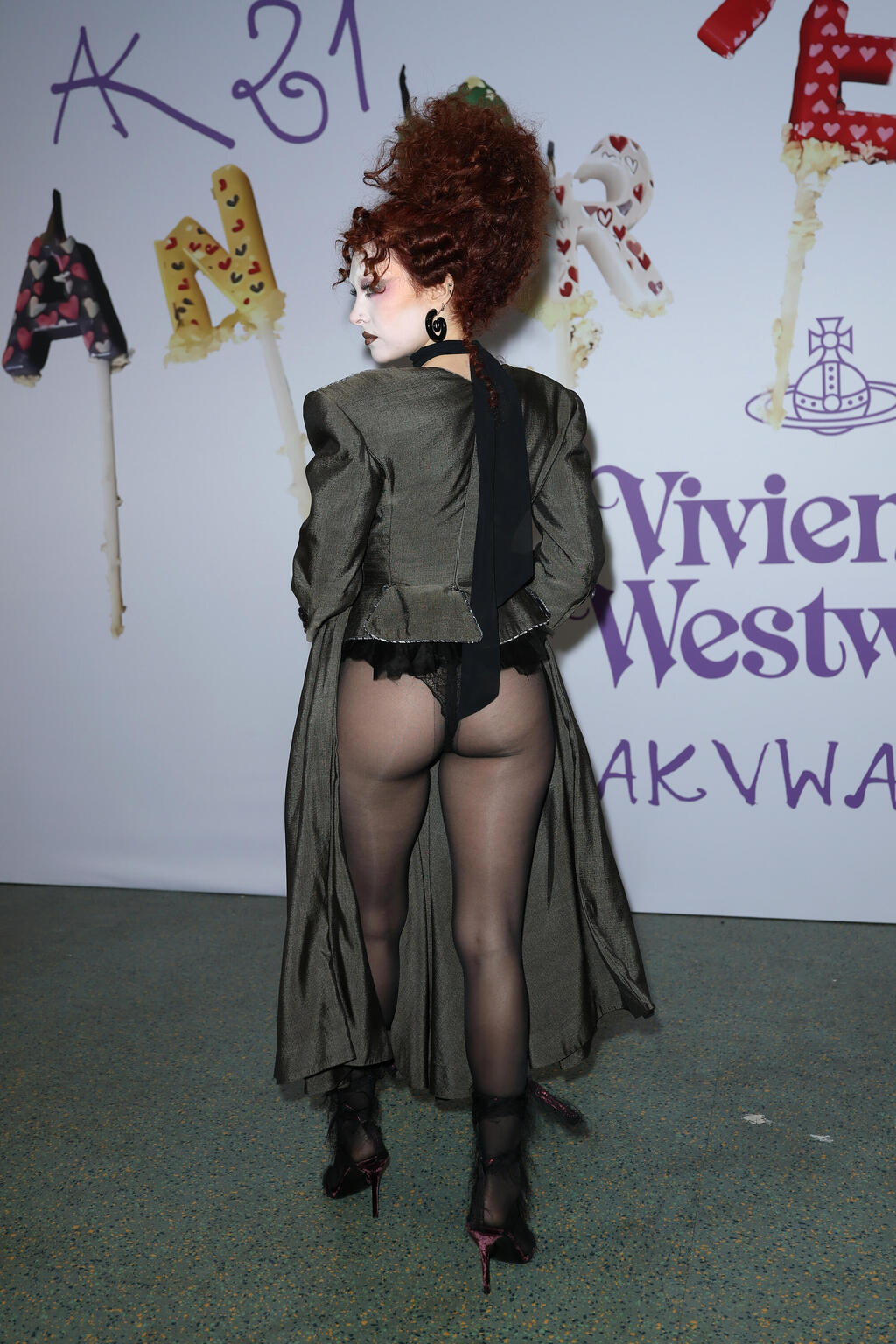
Back view
(Photo: Aurore Marechal/Getty Images)
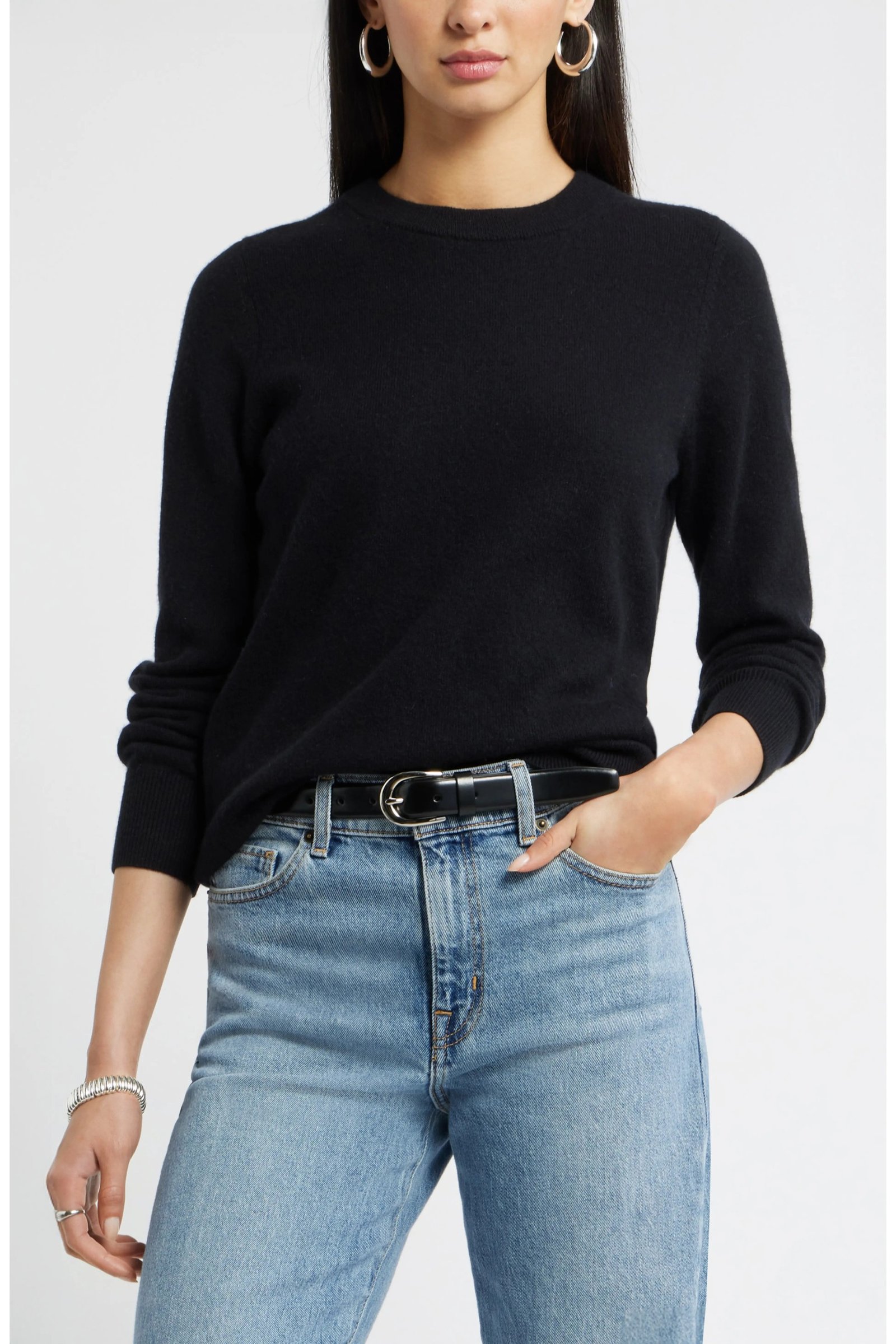
Roan and her devoted stylist, Genesis Webb, have developed a visual universe influenced by drag, burlesque, horror films, historical theater and pop culture. The combination produces magnificent costumes and interesting fashion moments, but not necessarily a personal style that can be separated from her stage persona.
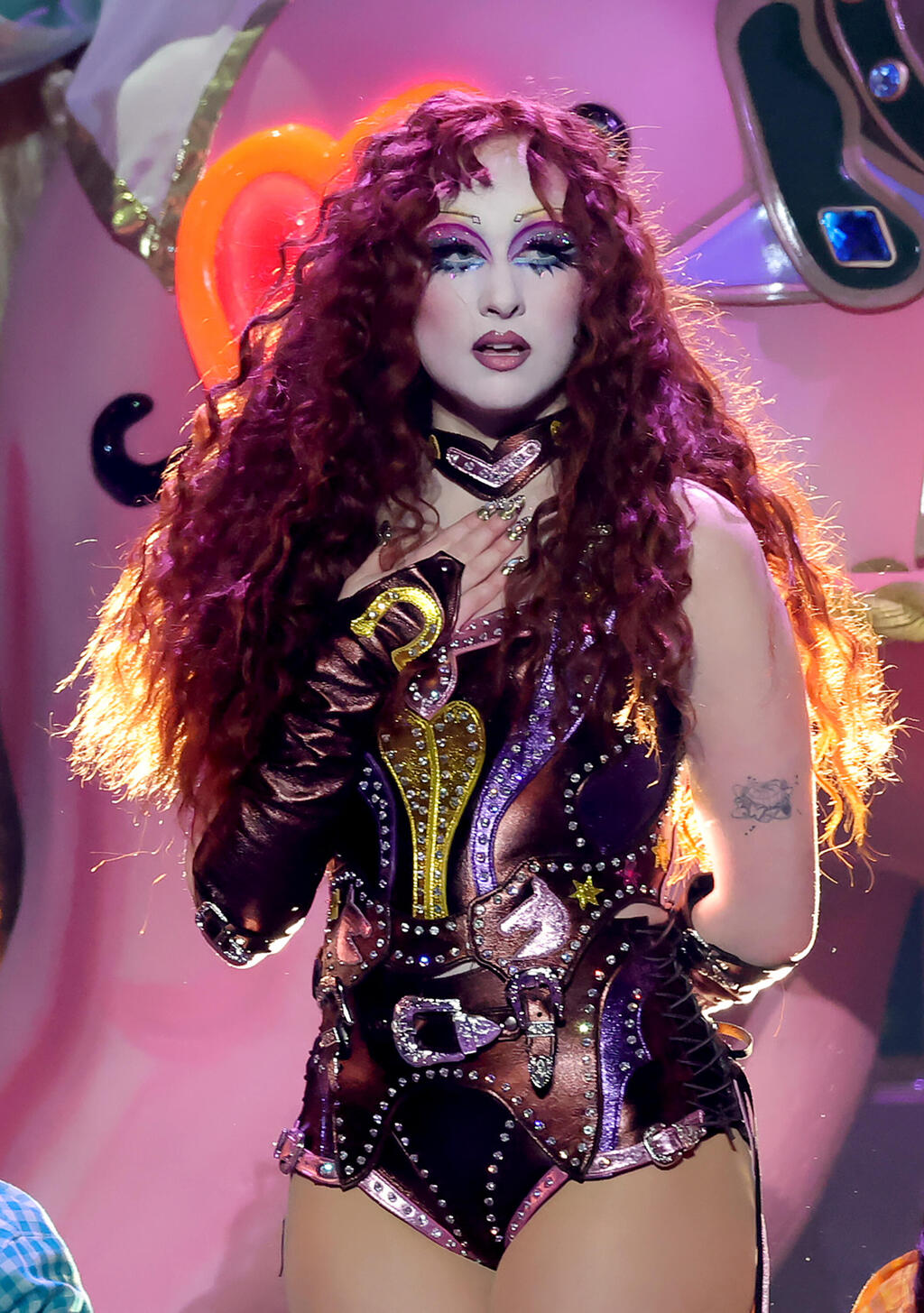
Zana Bayne’s design for the Grammy Awards performance, 2026s performance, 2026
(Photo: Kevin Winter/Getty Images for The Recording Academy)
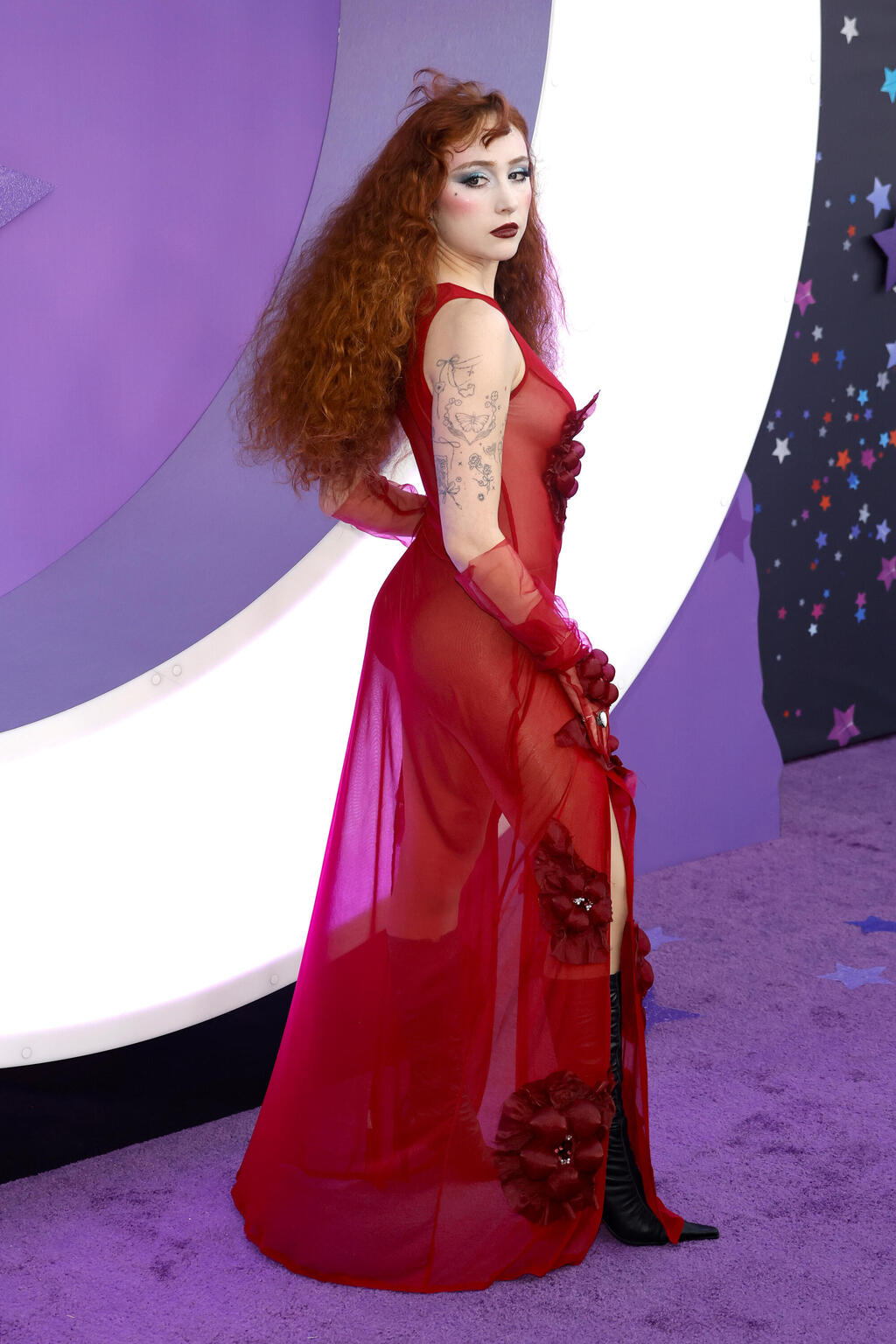
Harper Collective dress on the red carpet, 2024
(Photo: Frazer Harrison/Getty Images)
At the MTV Video Music Awards in September 2024, for example, she arrived on the red carpet wearing a sheer black Y/Project dress designed by Glenn Martens, accessorized with a sword. Onstage, meanwhile, she appeared in knight’s armor designed by Zana Bayne. In other words, Joan of Arc meets the drag queen of the Middle Ages.
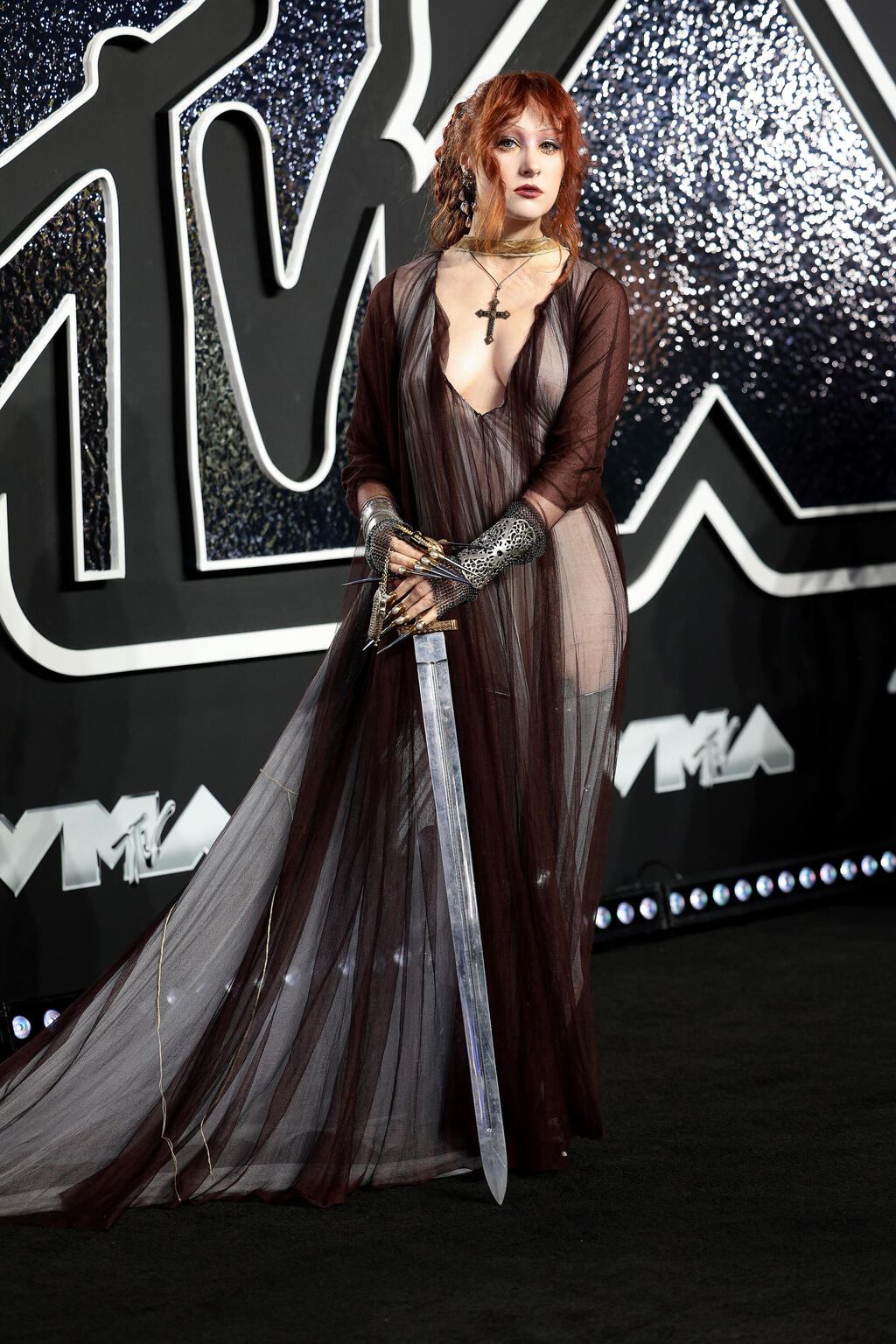
Armor designed by Zanna Bayne performing on stage at the 2024 MTV Video Music Award
(Photo: Dimitrios Kambouris/Getty Images)
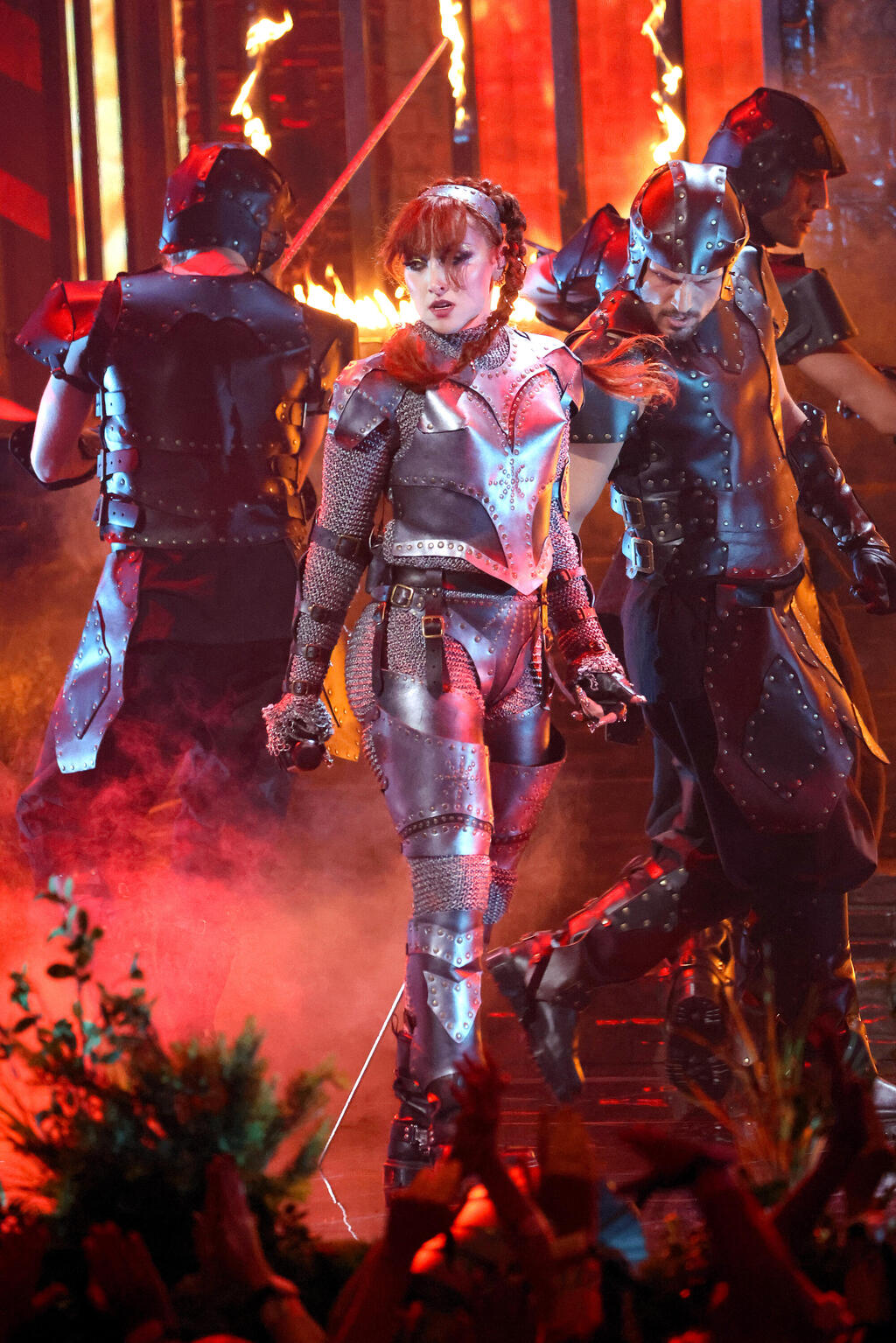
Armor designed by Zannah Bain performing on stage at the 2024 MTV Video Music Awards
(Photo: Mike Coppola/Getty Images for MTV)
For the Grammy Awards in February 2025, she chose a couture gown from Jean Paul Gaultier’s spring 2003 collection, featuring a print of dancers inspired by a Degas painting, paired with mint-colored gloves. The result was both impressive and cluttered. Presumably, that’s what happens when you let the dress do the talking, only for the hairstyle and makeup to insist on joining the conversation.
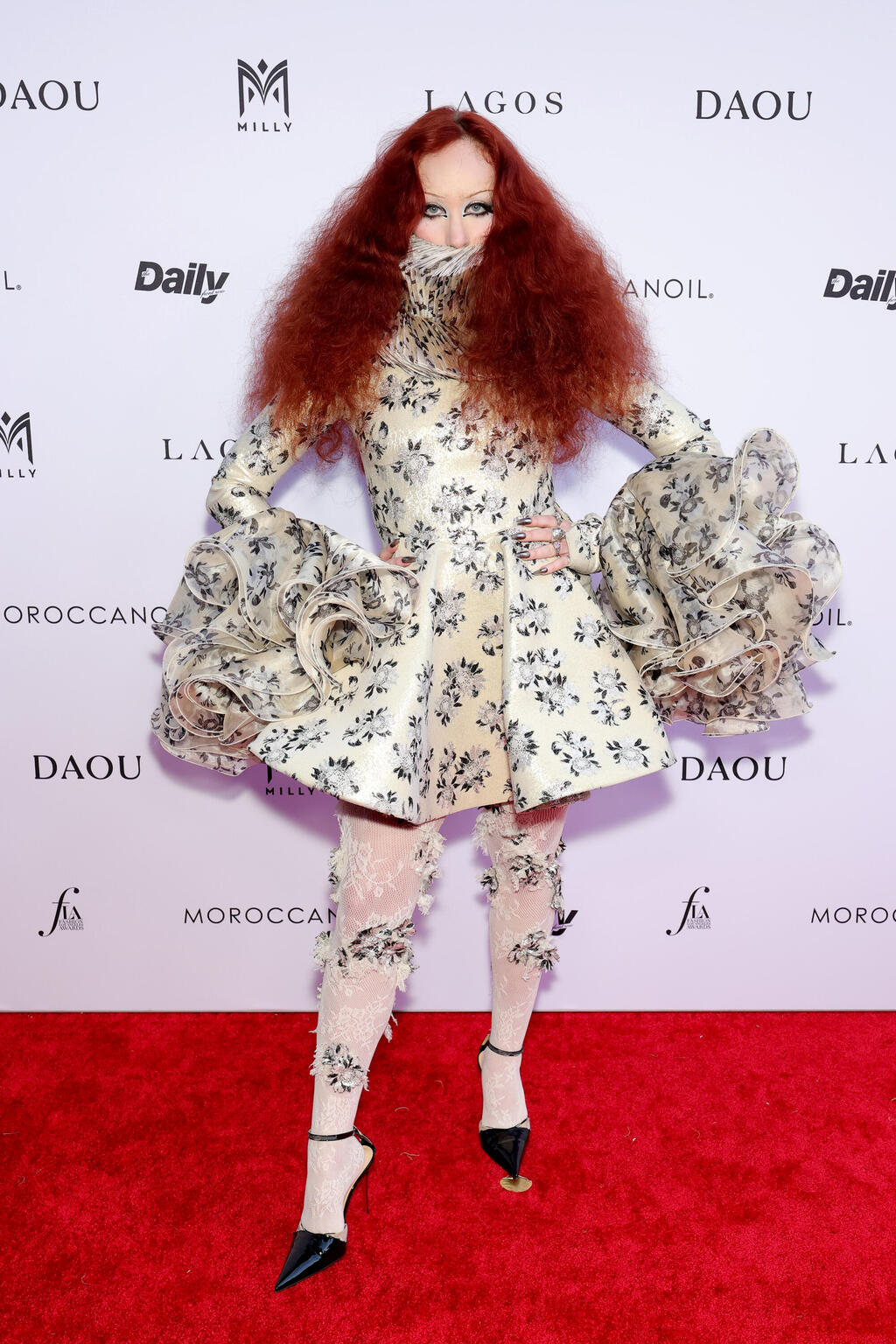
Alexander McQueen dress at the Los Angeles Fashion Awards, 2025
(Photo: Monica Schipper/Getty Images for Daily Front Row)
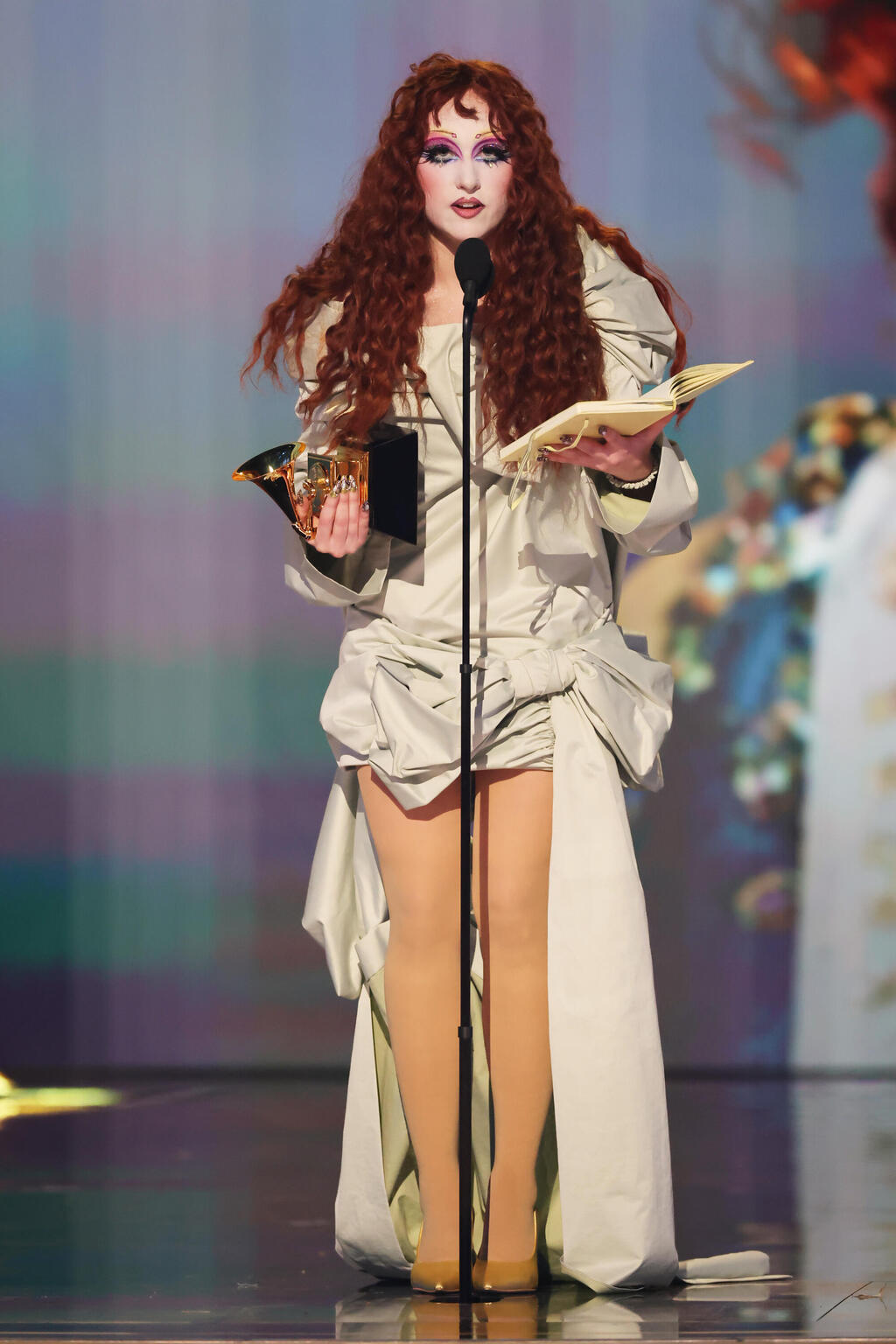
An outfit by the brand Acne Studios on stage at the Grammys, 2025
(Photo: Kevin Winter/Getty Images for The Recording Academy)
For Valentino’s fashion show in March 2025, she wore a ball gown with a black corset, red bow and voluminous white skirt. It was almost elegant. At the Metropolitan Museum of Art’s Met Gala that May, she appeared in a shimmering pink patchwork suit made from secondhand materials purchased on eBay. Designed by Paul Tazewell, the costume designer behind “Wicked,” it paid tribute to disco and Black culture of the 1970s.
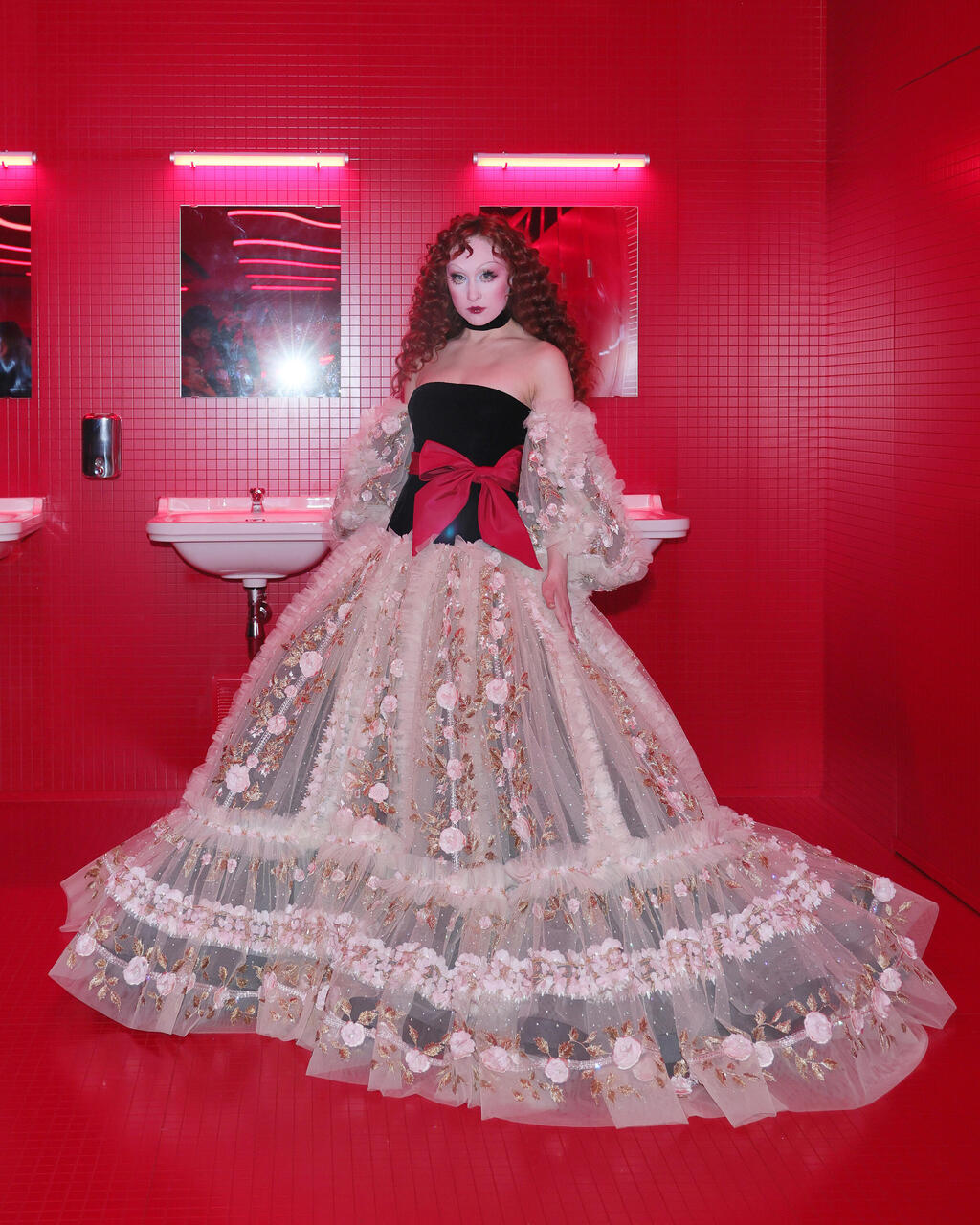
At Valentino’s Fall-Winter 2025-26 show
(Photo: Vittorio Zunino Celotto/Getty Images for Valentino)
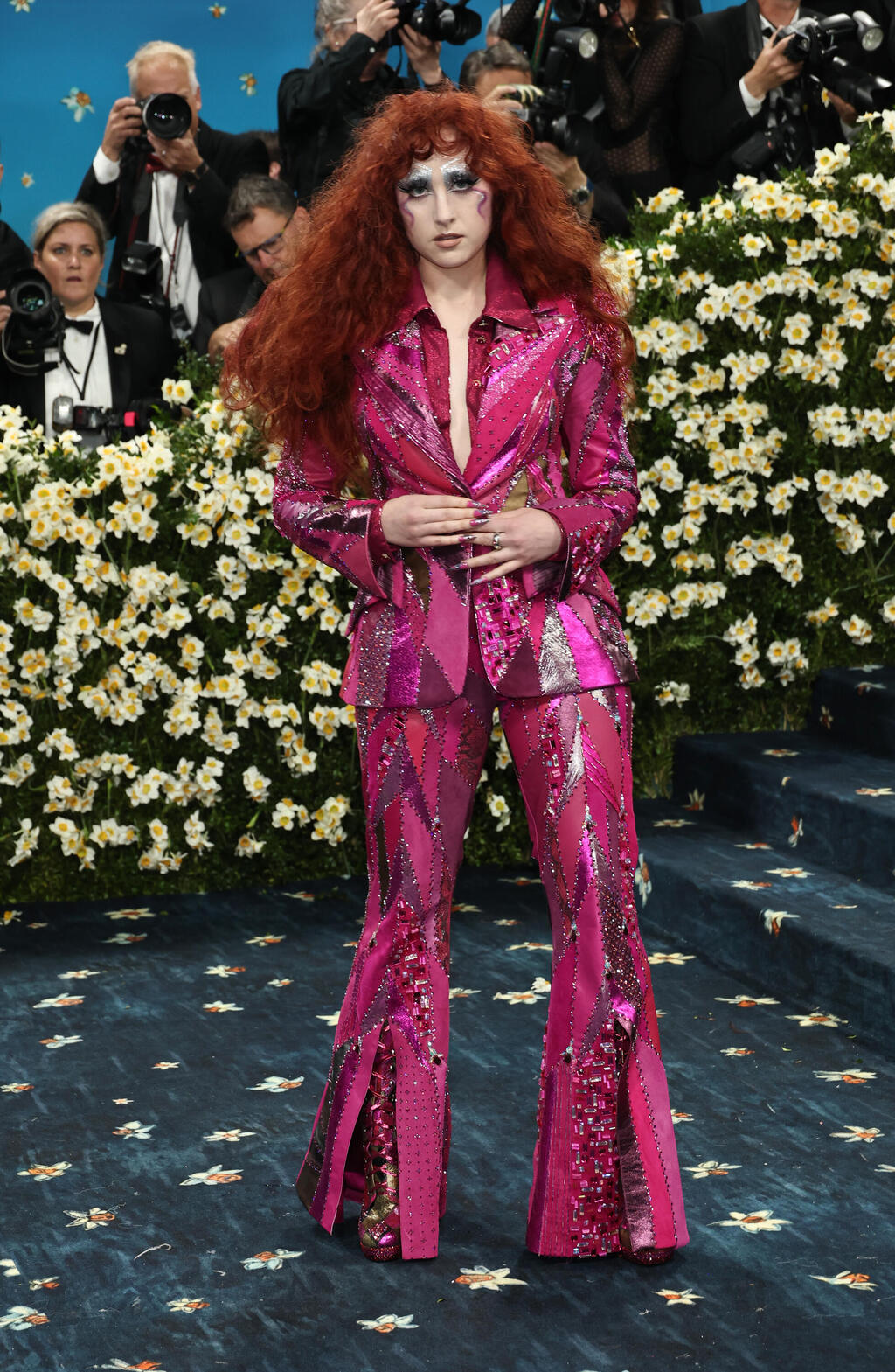
A suit designed by Paul Tazewell at the Metropolitan Opera Gala, 2025
(Photo: Jamie McCarthy/Getty Images)
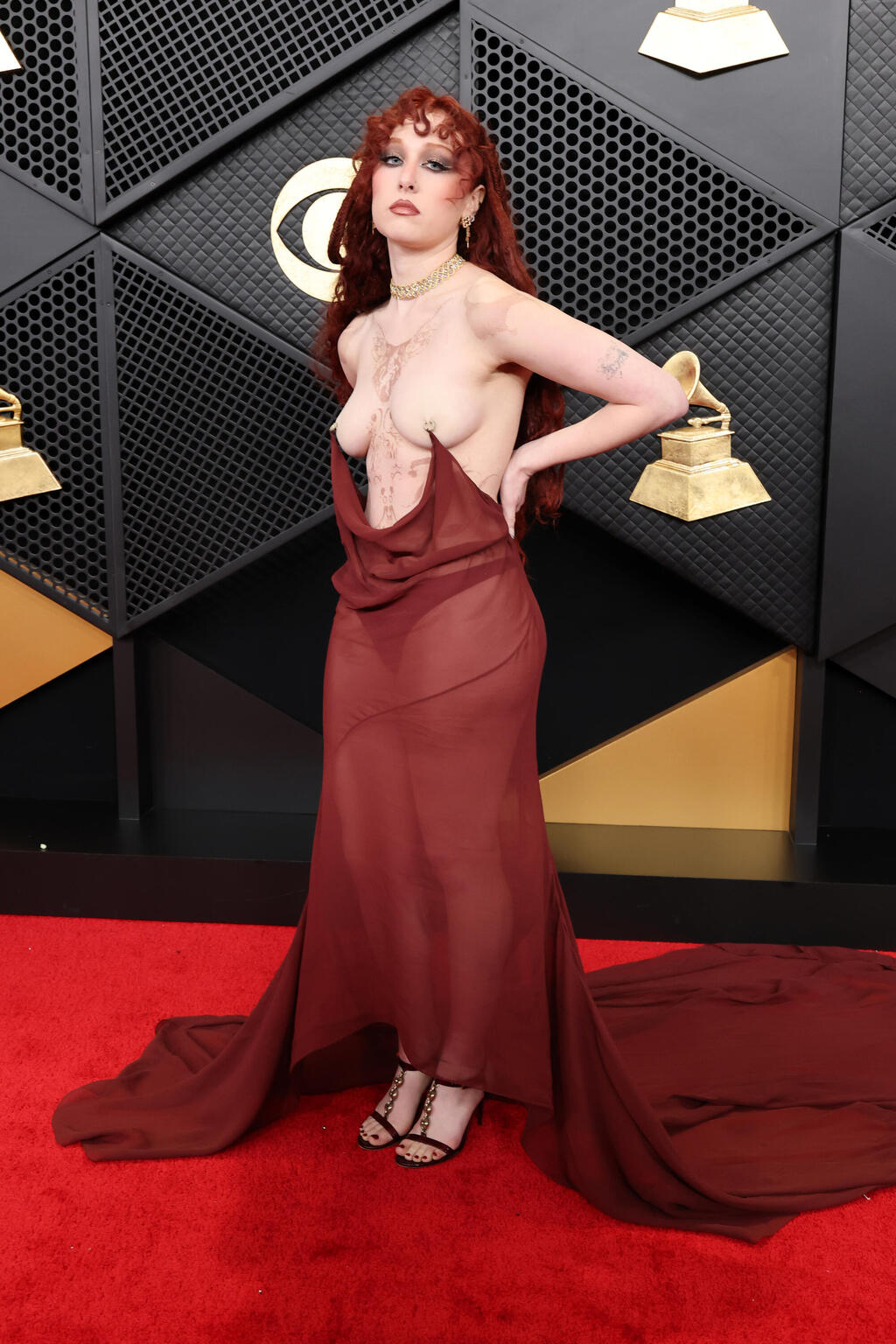
Mugler dress with fake nipple piercing at the Grammys, 2026
(Photo: Amy Sussman/Getty Images)
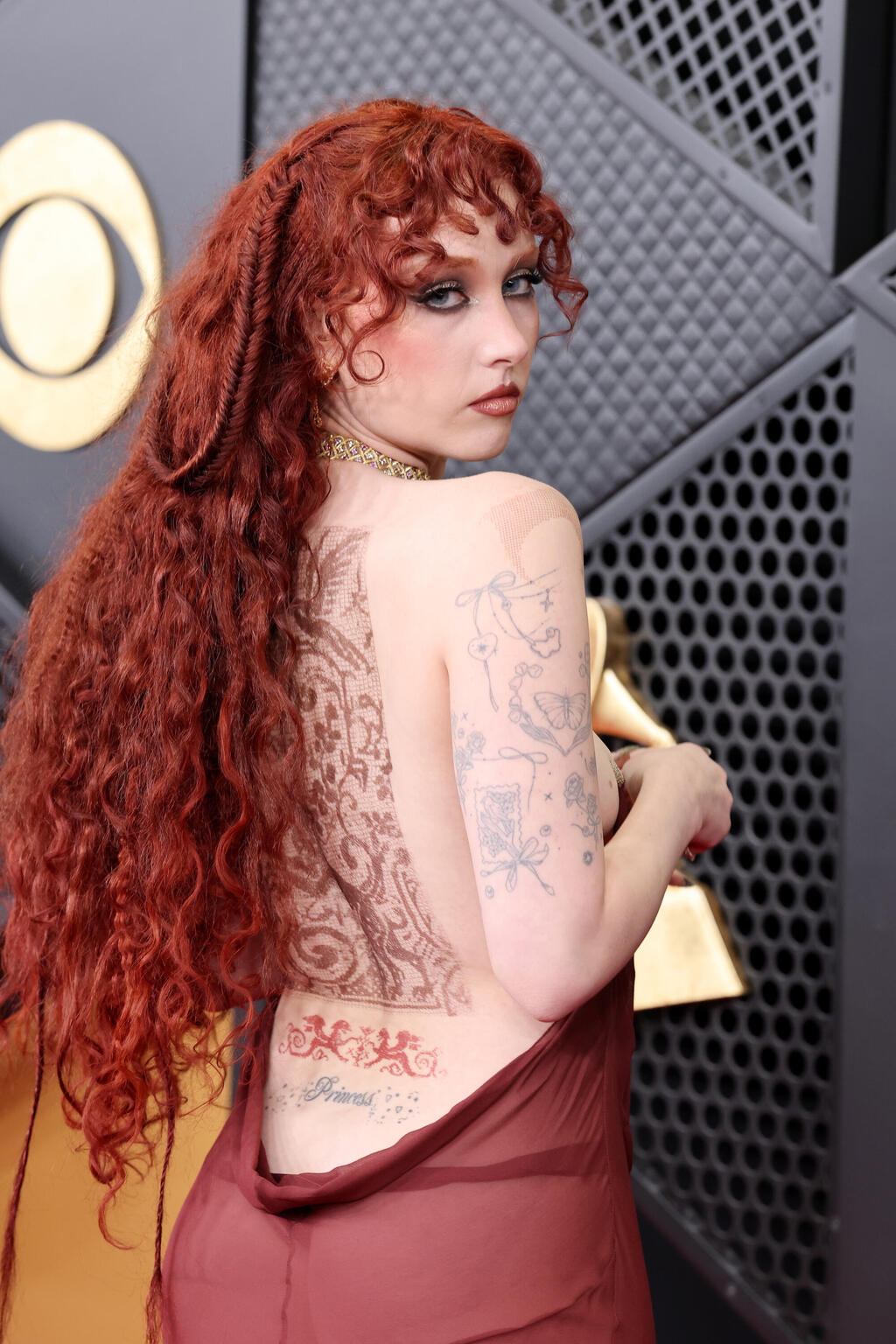
Body makeup that simulates tattoos at the Grammys, 2026
(Photo: Amy Sussman/Getty Images)
A month later, she arrived at Paris Fashion Week in a black Vivienne Westwood dress featuring an embroidered corset, plunging neckline and puffed sleeves, completing the look with white makeup. It was rather like Marie Antoinette attending her own funeral, but the outfit did the job within Roan’s beloved “beautiful and frightening” aesthetic.
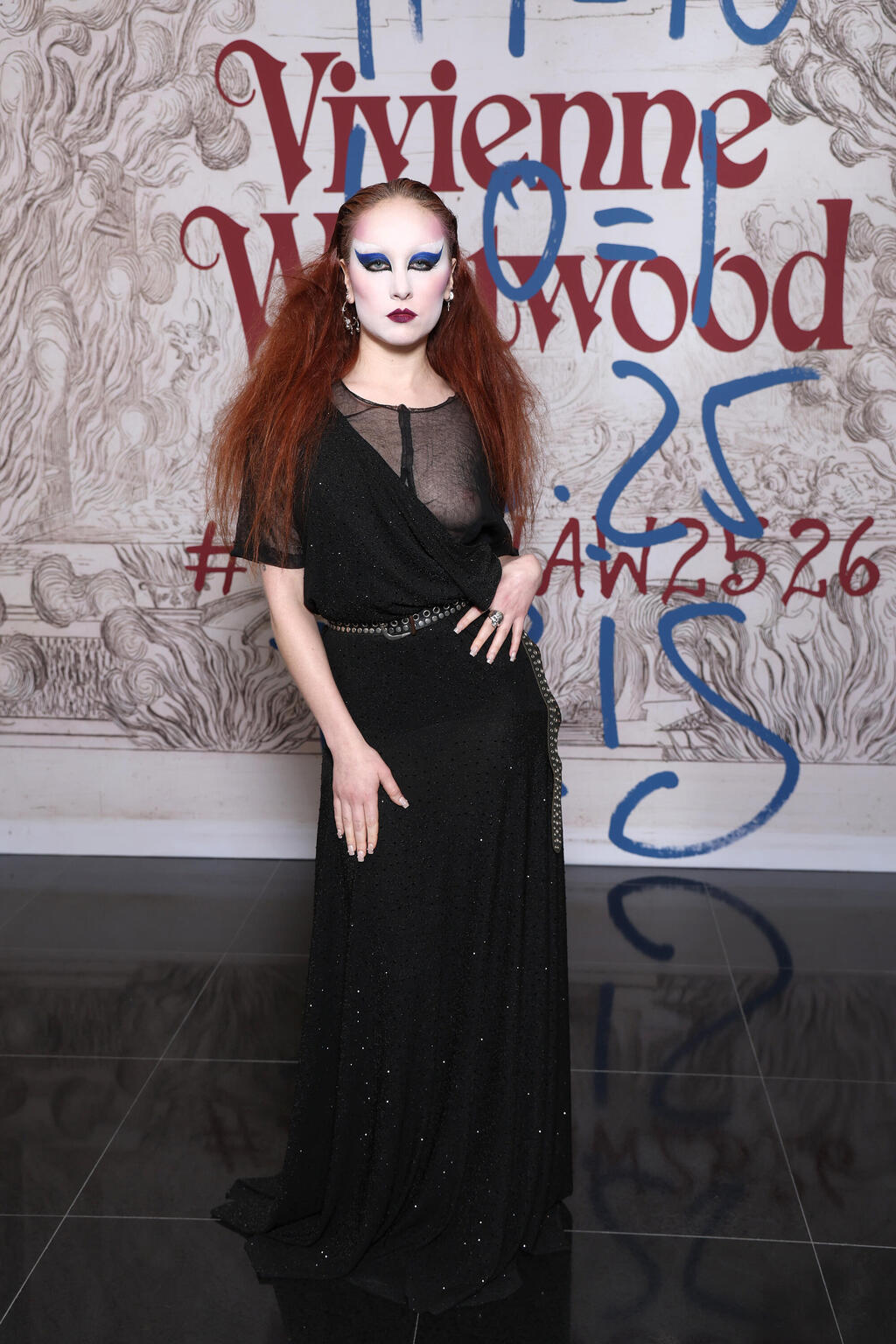
At Vivienne Westwood’s Fall-Winter 2025-26 show
(Photo: Pascal Le Segretain/Getty Images)
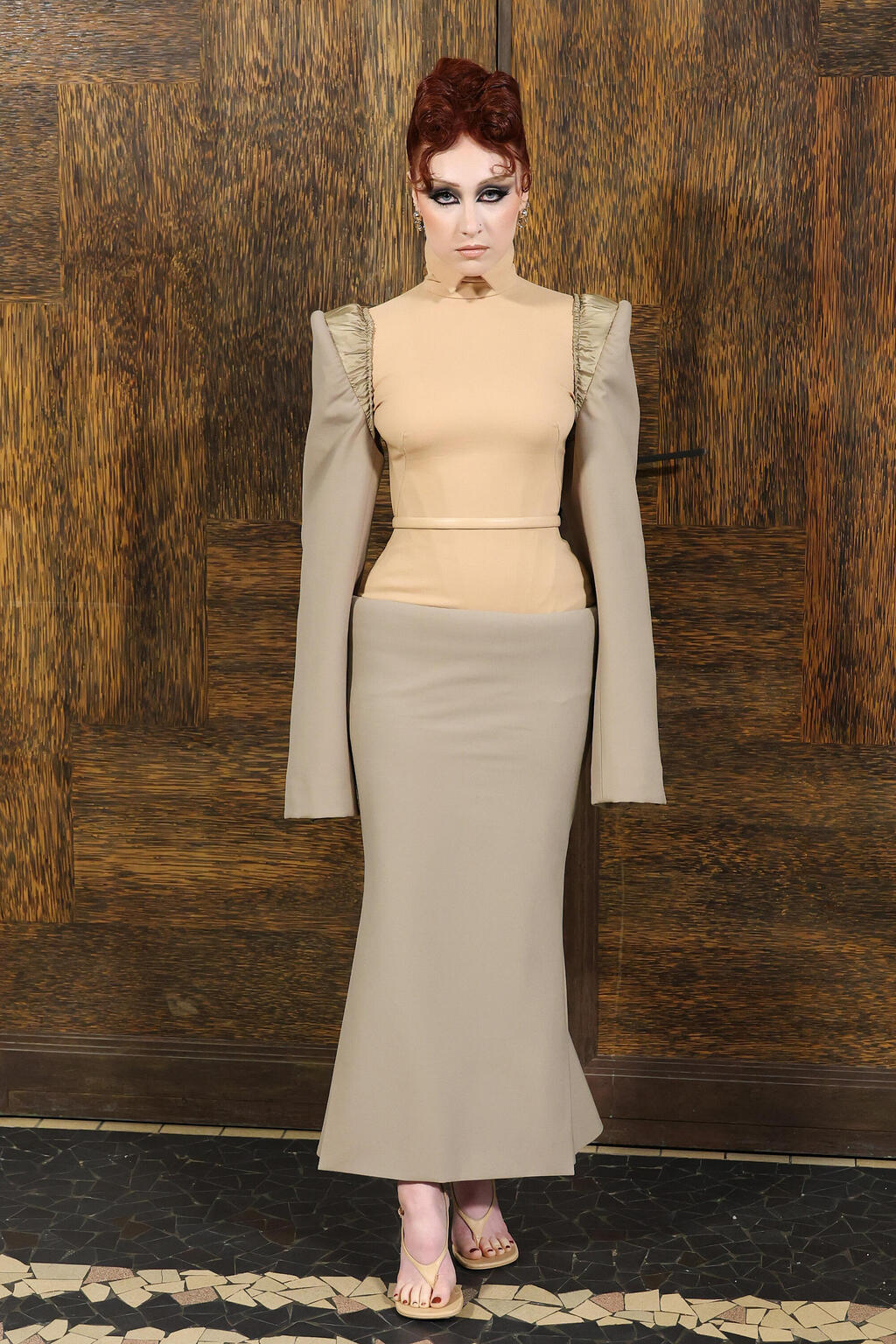
At Mugler’s Fall-Winter 2026-27 show
(Photo: Aurore Marechal/Getty Images)
At the same Paris Fashion Week, she was also spotted in more restrained looks that still ventured into the bizarre but offered hope that she might be moving toward something more fashionable and less costume-like. One was a nude-and-khaki Mugler ensemble featuring a fitted corset, structured shoulders and a relatively understated mermaid skirt. Another was a gray organza dress with a long skirt by Rick Owens, paired with a braided, sculptural hairstyle.
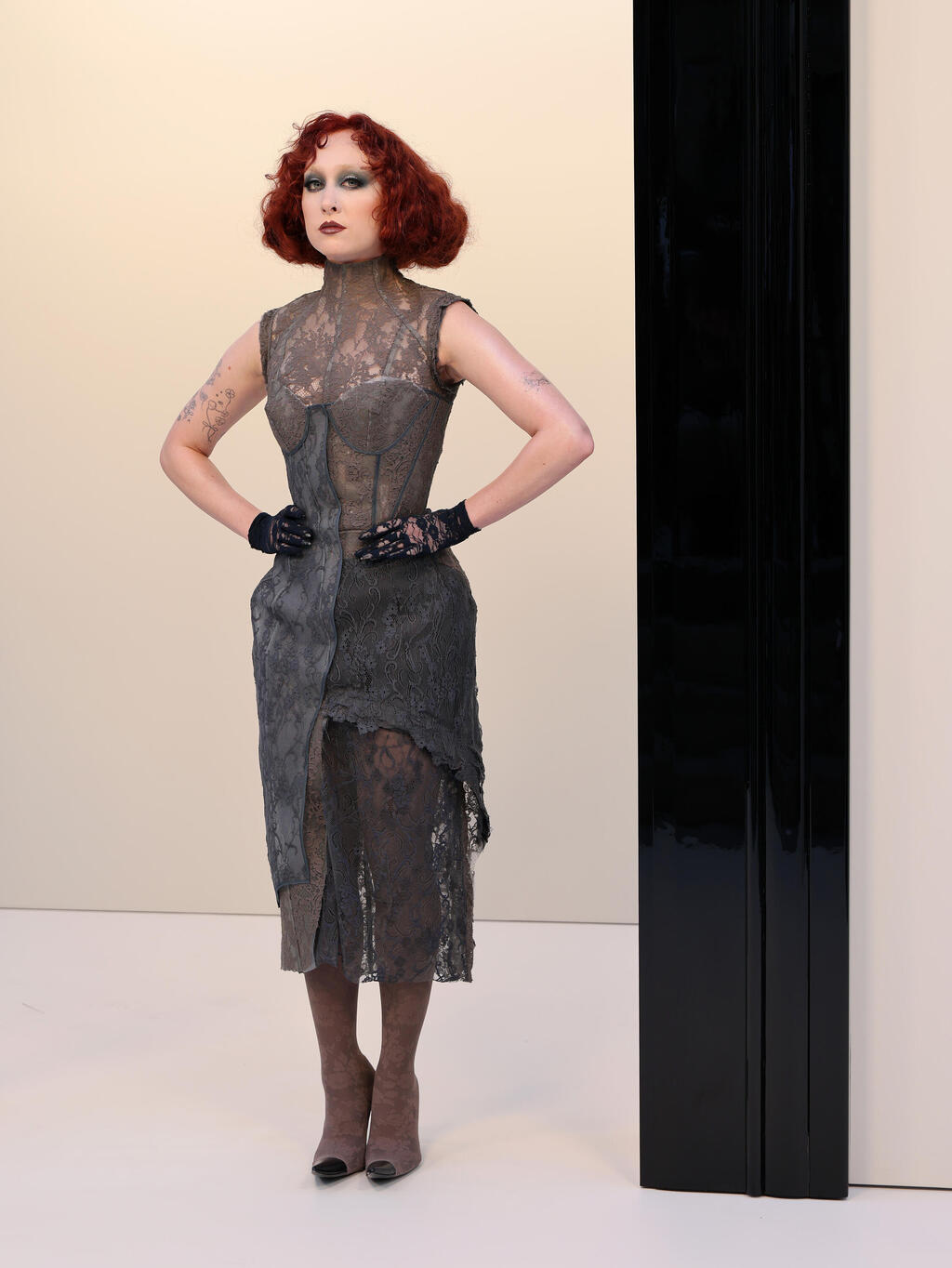
At the Acne Studios Fall-Winter 2026-27 show
(Photo: Arnold Jerocki/Getty Images for Acne)
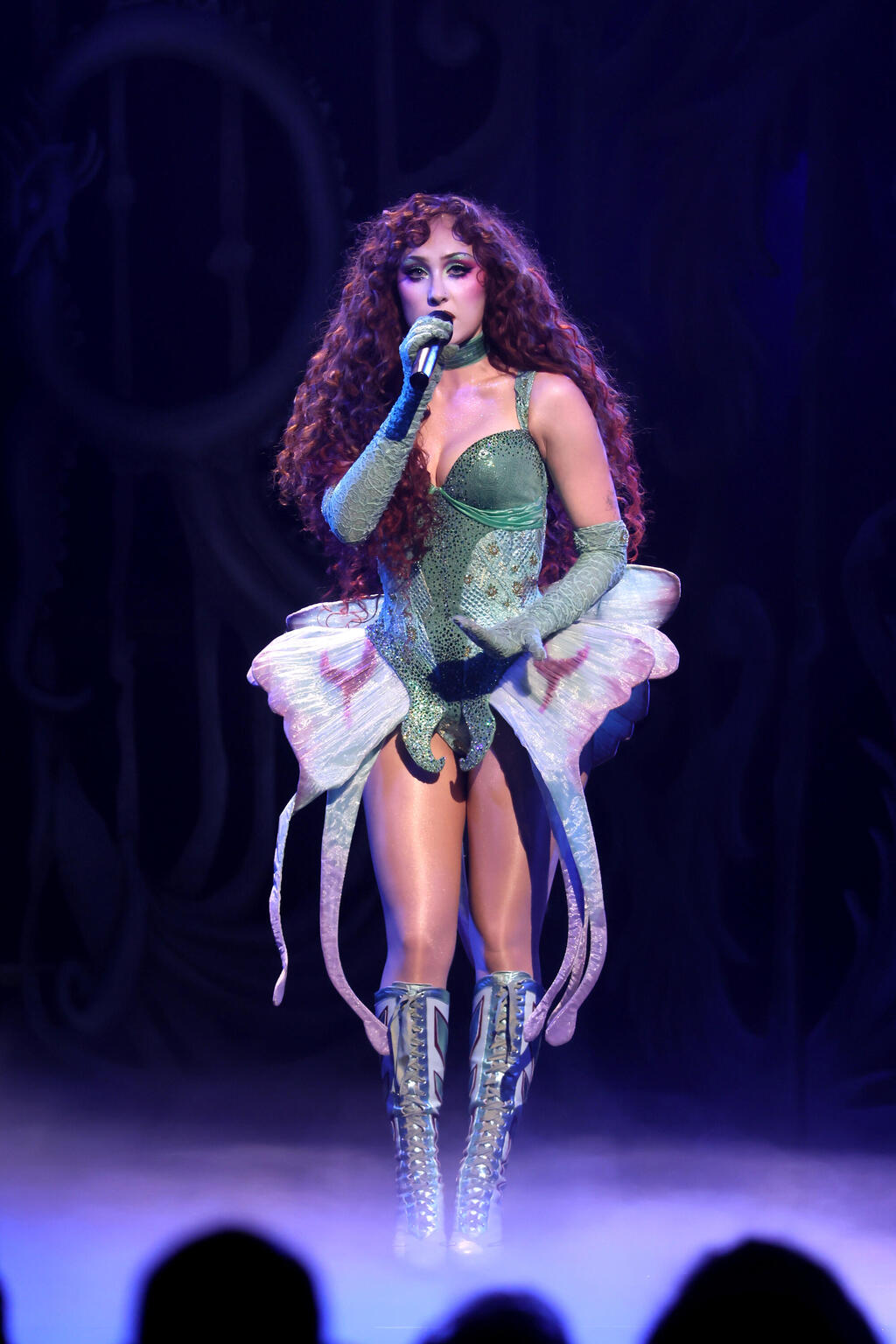
Performing at a YouTube event, 2026
(Photo: Mike Coppola/Getty Images for YouTube)
Over the past month, during her Super Graphic Spectacular tour, she also offered a moment of surprise in a beautiful yellow-and-pale-blue Erdem lace dress adorned with flowers. This time, she abandoned her signature white face makeup and opted for a soft, wavy hairstyle.
Roan probably will not follow in Nicki Minaj’s footsteps and become Donald Trump’s new best friend. But before long, she will have to choose between remaining the bad girl of the pop industry and maintaining her independence without turning every human interaction into a miniature world war.
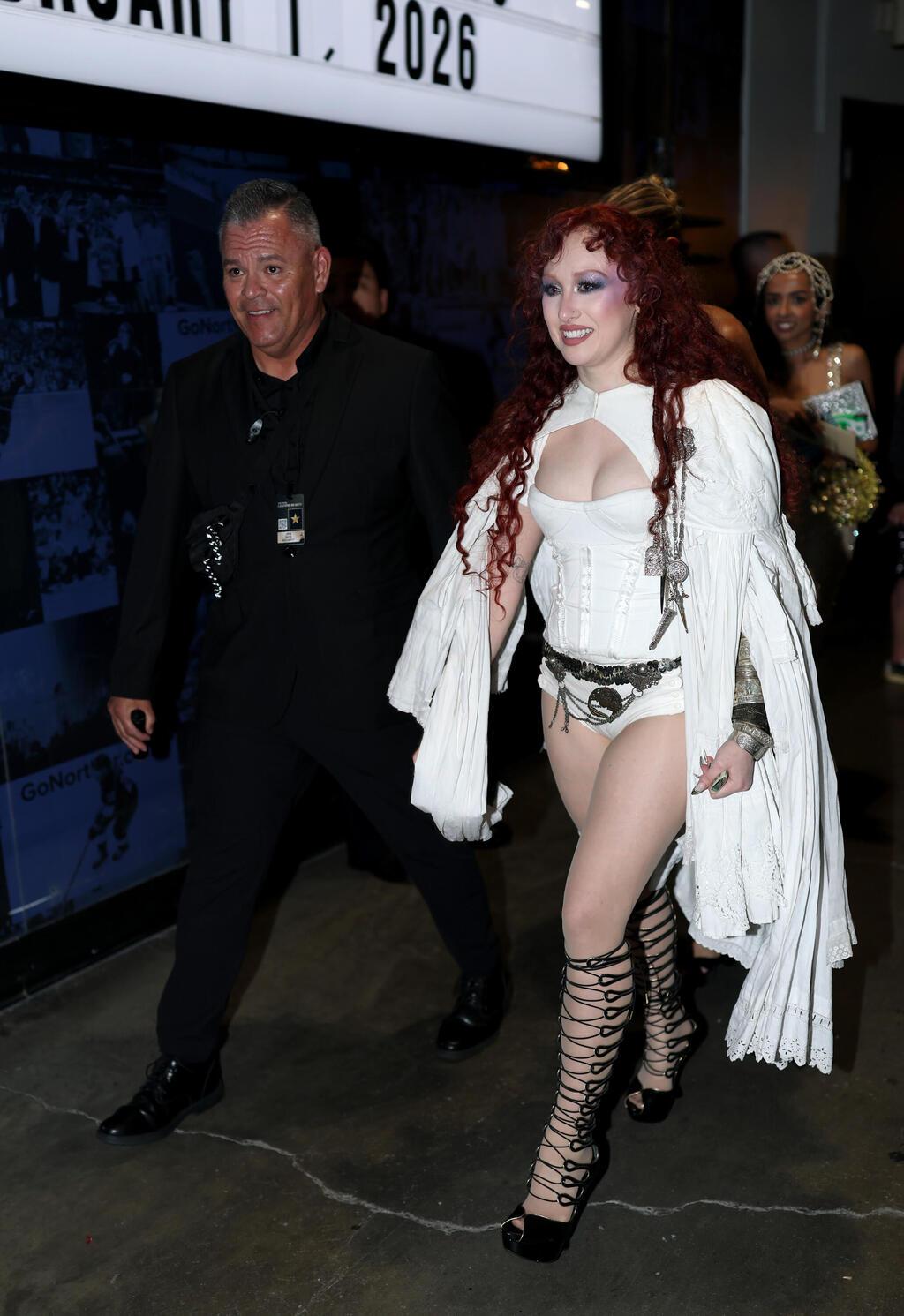
Backstage at the Grammys, 2026
(Photo: Matt Winkelmeyer/Getty Images for The Recording Academy)
Chappell Roan has courage, originality and a brand of theatrical madness that certainly makes her interesting. On the other hand, for someone who talks endlessly about authenticity and insists so strongly on being seen for who she really is, Roan does almost everything possible to prevent anyone from seeing her beneath the overwhelming layers she piles onto herself.
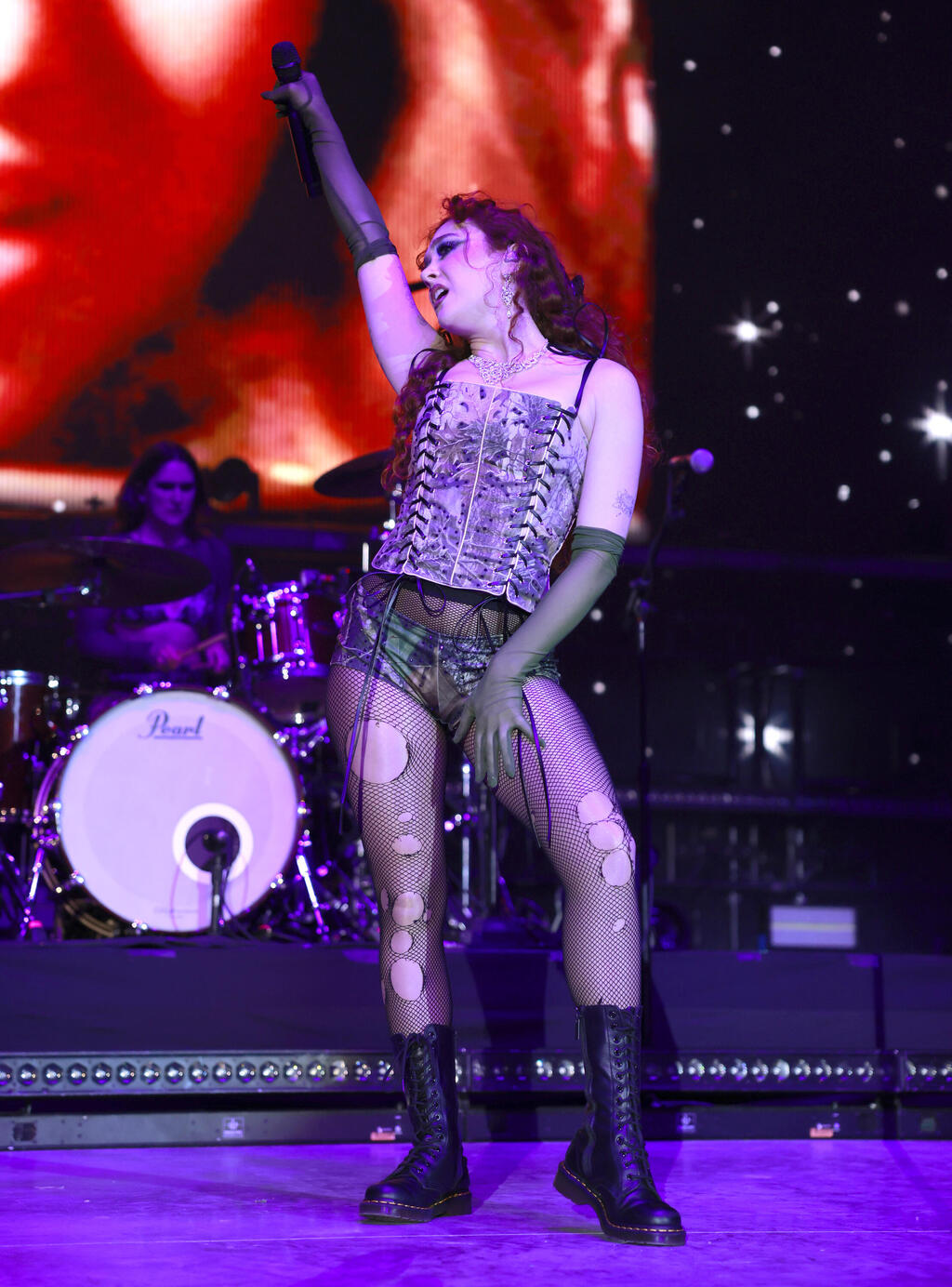
Military” look at a performance, 2024
(Photo Jason Kempin/Getty Images)
Unlike pop chameleons such as David Bowie and Lady Gaga, with Roan it is difficult to know who the woman hiding beneath the loud aesthetic really is. Still, in an era when far too many female pop stars look as though they have emerged from the same dressing room, Roan is at least a fashion disaster who could never be mistaken for anyone else.
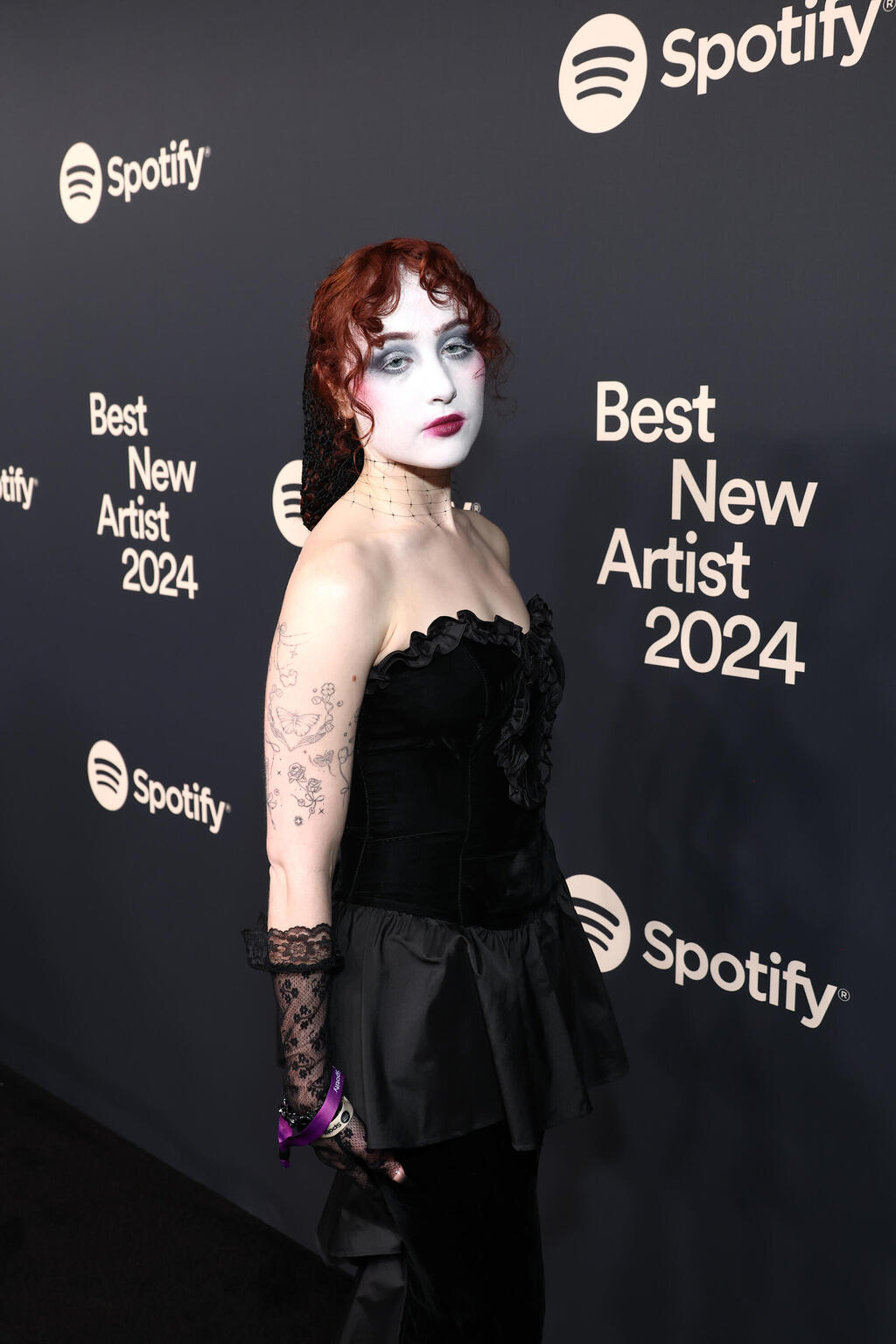
Strapless and white face on the red carpet, 2024
(Photo: Matt Winkelmeyer/Getty Images for Spotify)