Athletes and musicians have drawn from each other’s cultural spaces, contributing particularly to the global visibility of Black popular culture.
By Tuka Letura
Contemporary music significantly influences the fashion choices of Black athletes across sports and regions worldwide. If you look around sporting environments today, you will find many athletes, particularly African and Black athletes, dressing in styles that closely resemble those of R&B, Pop, and Hip-Hop artistes.
For men, this is most obvious in the type of jewellery they wear. While the influence is evident in other ways, it is particularly noticeable in their jewellery, from neck chains and pendants to diamond-encrusted watches and other forms of conspicuous jewellery, which have become familiar features of athletes’ off-field appearances.
Beyond jewellery, there are also similarities in their clothing choices, hairstyles and how they present themselves. Many of these styles have long been associated with Black music culture, particularly the visual identities portrayed by American Hip-Hop and R&B artistes.
These fashion choices are also visible among athletes on the African continent, Black athletes in Europe, across North America and elsewhere in the world. What makes this particularly interesting is how much these styles reference cultures beyond American music, further emphasising the relationship between music and fashion. This also demonstrates that the relationship is becoming increasingly transnational, with African music, for example, increasingly influencing athletes’ fashion and lifestyle choices.
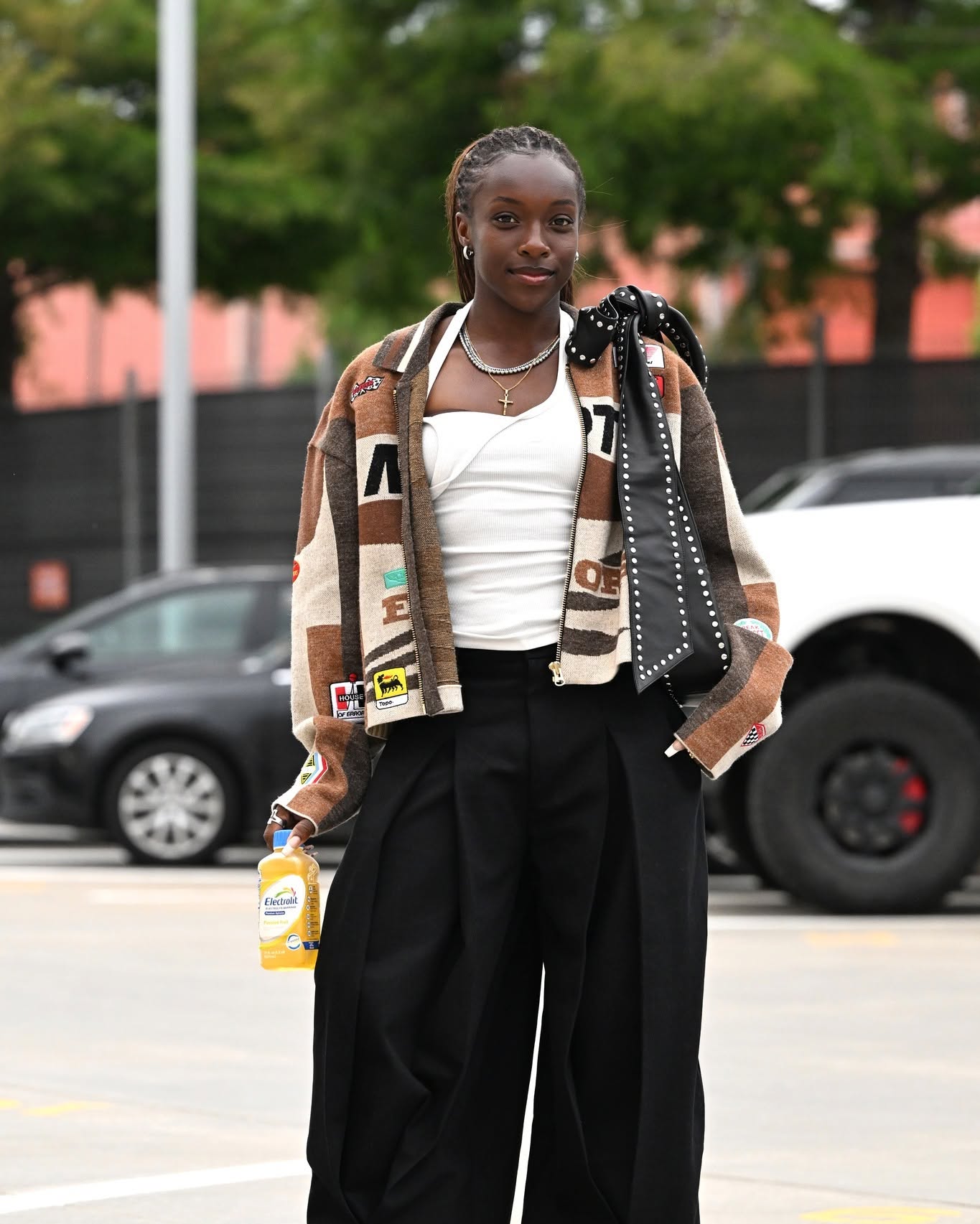
This influence is not exclusive to men. It is also evident among women athletes, albeit in ways that differ from the male experience. Their fashion choices, from pre-game outfits to designer clothing, hairstyles, accessories and jewellery, increasingly reflect contemporary visual cultures associated with Black music. The overlap between the two has reached a point where the public appearances of professional athletes and musicians can be difficult to distinguish if you are unfamiliar with who they are.
Even more significantly, this phenomenon extends beyond the current generation. It predates the social media era and was also prevalent in earlier decades.
For men, basketball was the most recognisable sport in which music-inspired fashion became prominent in off-court attire, particularly in the early 2000s and, more specifically, in the United States. However, the foundations of the relationship between fashion and sport were already visible before the 2000s, particularly in the 1990s.
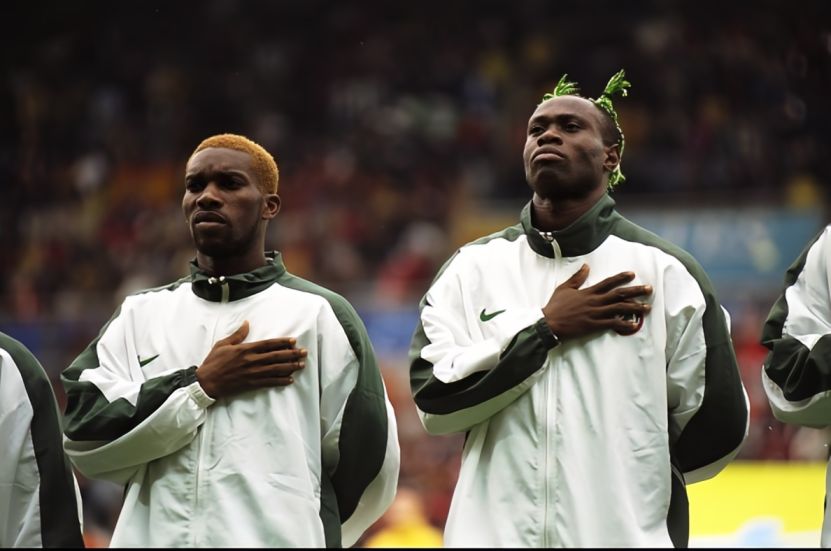
During the 1998 FIFA World Cup in France, for example, Nigerian footballers JJ Okocha and Taribo West had particularly interesting fashion presentations, both on and off the pitch. West incorporated green, white and green loops and threads into his braids, while Okocha took to the pitch with his hair dyed blonde. These looks attested to a culture that was popular in Nigeria at the time, but also reflected the growing influence of Black American music and fashion.
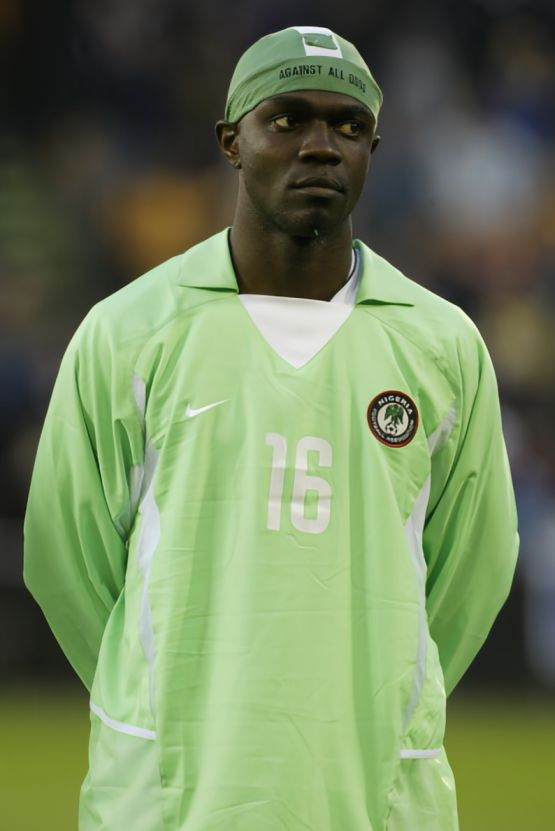
It is important to make this distinction because they were not the only footballers embracing such styles during this period. At the 2002 World Cup, which followed the 1998 tournament, Efe Sodje was easily recognisable for his frequent use of a durag.
This was also a theme that carried into matches. Durags were common and popular at the time, rooted in Black American culture and, by extension, Black music culture.
By the early 2000s, as celebrity culture, pop culture, luxury fashion and Hip-Hop increasingly intersected, more athletes began adopting clothes and styles that closely mirrored those worn by Hip-Hop artistes.
Dennis Rodman, for example, was an extraordinarily interesting figure in basketball, not only for his achievements on the court but also for his hairstyles, jewellery, clothing and unconventional approach to personal presentation. His style drew from various musical and subcultural influences, from R&B to Hip-Hop. He was perhaps one of the most recognisable fashion personalities in basketball during that period.
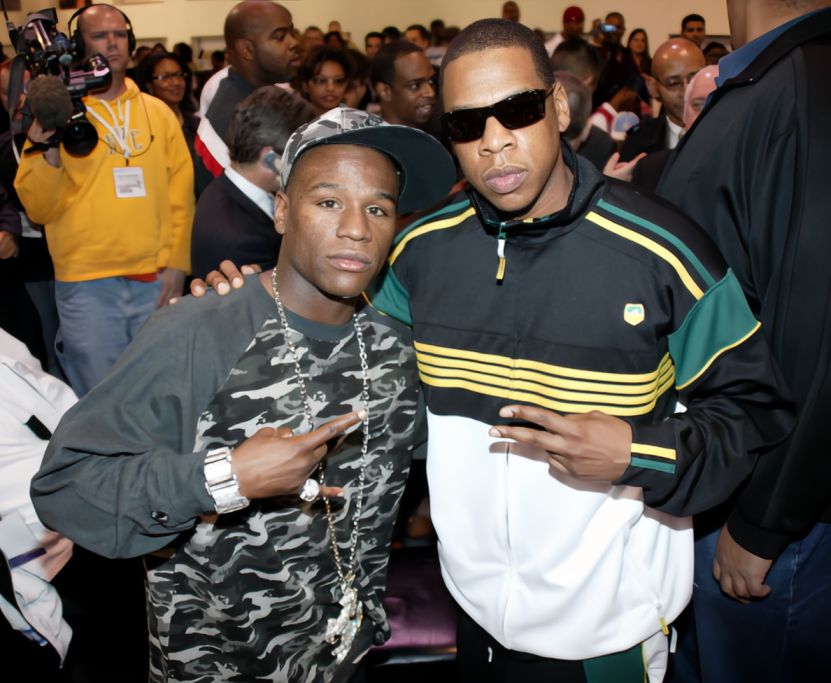
The relationship between fashion and sport extended beyond basketball, too. One of Floyd Mayweather Jr’s signatures was arriving at boxing matches dressed to the nines, adorned with expensive jewellery, including gold and diamond-encrusted pieces, and often sporting luxurious neckpieces.
In February 2005, a photograph captured Mayweather standing alongside Jay-Z at the Rocawear booth at the MAGIC trade show in Las Vegas. Mayweather wore a camouflage T-shirt, a long chain with a heavy pendant and a chunky silver watch. Jay-Z, meanwhile, appeared in a striped track jacket and dark sunglasses.
The photograph is particularly interesting because it captures two celebrities sharing a space while sporting remarkably similar fashion styles. Jay-Z was wearing his Rocawear collection, while Mayweather, although not particularly wearing his own brand, demonstrated how he could present himself as a recognisable and commercially viable figure associated with Hip-Hop culture.
A few days later, Allen Iverson offered another particularly recognisable example of this relationship. At the NBPA All-Star Ice Gala in Denver on 19 February 2005, Iverson appeared in an oversized white T-shirt, baggy jeans, a red cap, layered chains, bracelets and other accessories closely associated with the Hip-Hop fashion of the period. His appearance was not particularly different from what one might have expected from a contemporary rapper attending a similar event.
The similarities were even more apparent in October 2005, when Iverson attended an after-party for Young Jeezy alongside Styles P of The LOX. The basketball player wore another oversized T-shirt, a Minnesota Twins cap over a white headband, a long chain with a cross pendant, an iced-out watch and diamond earrings. His tattoos were also visible. Standing alongside Styles P, whose appearance also reflected the fashion of the Hip-Hop scene, the distinction between the two men’s public presentations was not particularly obvious.
Interestingly, this was also around the time the NBA introduced its dress code for the 2005/06 season, restricting certain forms of casual and streetwear associated with Hip-Hop culture. The policy generated considerable discussion about the relationship between professional sporting institutions, Black cultural expression and the expectations placed on athletes’ public appearances. Iverson, in particular, became one of the most recognisable faces of that conversation.
The development demonstrated that the influence of music on sporting fashion was no longer simply a matter of personal preference. The conversation had expanded to include identity, culture and the expectations placed on Black athletes regarding their public presentation.
One thing to note, however, is that it would be misleading to describe this relationship as athletes simply imitating musicians’ looks. The influence is reciprocal, in the sense that Hip-Hop and R&B have helped shape how athletes present themselves. Athletes, in turn, have contributed to the visibility, commercialisation and acceptance of fashion cultures associated with the music industry.
On the women’s side, there has also long been a relationship between the music scene and women athletes. This connection is evident in several ways, including the establishment of clothing brands that align with contemporary fashion trends associated with music culture.
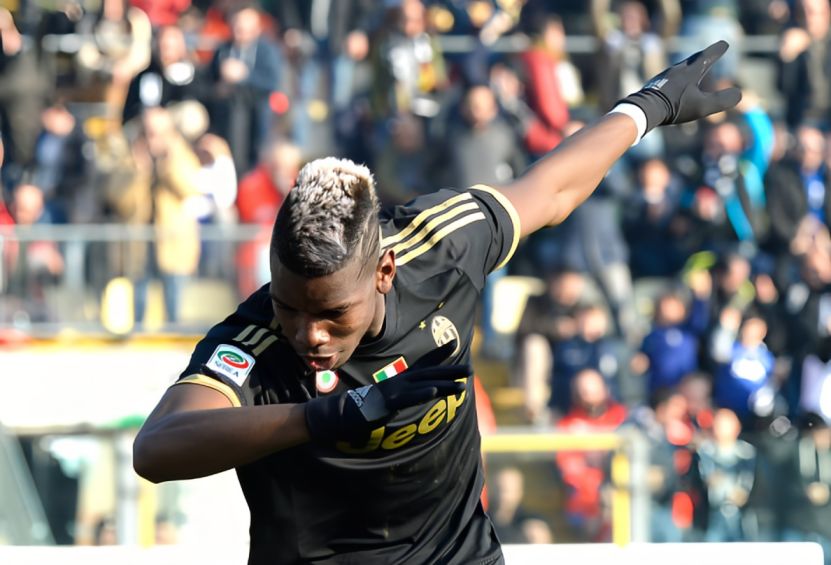
By 2016, the influence of pop had become visible in other forms of sporting expression beyond fashion. For example, that year, Paul Pogba popularised his dab gesture in sports, although artists like Migos had originally created it in Atlanta’s Hip-Hop scene. This illustrated how football and music could be linked through modern expressions beyond fashion.
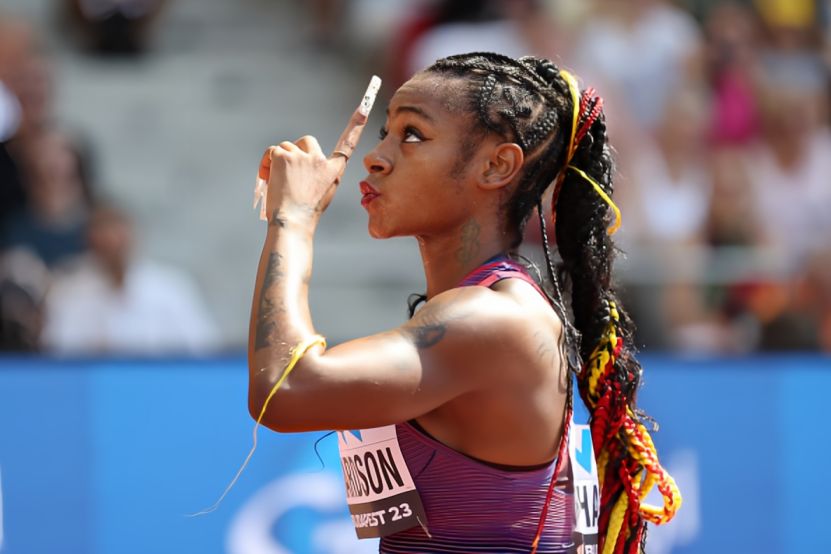
More recently, on the women’s side, we’ve seen Sha’Carri Richardson’s appearance at the 2021 Olympic trials and subsequent events. She’s turned up at events with brightly coloured wigs, long nails and a distinctive representation of a wider identity particularly associated with conventional expressions by Black music stars. This somewhat challenges the expectations of the regular or average female athlete, particularly Black female athletes.
Now, it’s also important to recognise that the relationship between the two works both ways. It’s not just a one-directional process in which sports and athletes are influenced by the music scene. Fashion has also influenced the music scene within the sporting world. For example, you’d see basketball shirts, football jerseys, baseball jerseys, caps, baseball hats, sports tracksuits and many other sports-related items, including footwear, being casually worn by music stars, sometimes in combination with what they would originally wear.
These examples show that the relationship between contemporary Black music and sporting fashion has become intertwined over time. It has moved beyond the adoption of particular clothes or accessories to encompass hairstyles, jewellery, gestures, personal presentation and, overall, the way athletes construct their public identities.
More importantly, this relationship is not limited to American music or American sporting culture. It’s transnational; it has spread around the world. Athletes and musicians have drawn from each other’s cultural spaces, contributing particularly to the global visibility of Black popular culture.
This relationship continues to develop and will continue to strengthen, with music influencing how athletes present themselves, just as sports continue to influence the fashion and visual identities of musicians. It’s something that will never really end, provided both parties continue to exist, because entertainment has always brought different forms of expression together. Sports and music, as separate parts of entertainment, make it a never-ending cycle.
Tuka Letura is a sportswriter and researcher with over five years of experience in sports journalism. He explores the personalities, performances, culture and wider narratives that shape the sporting world, combining analytical insight with engaging storytelling. You can find him on X (formerly Twitter) at @TukaLetura