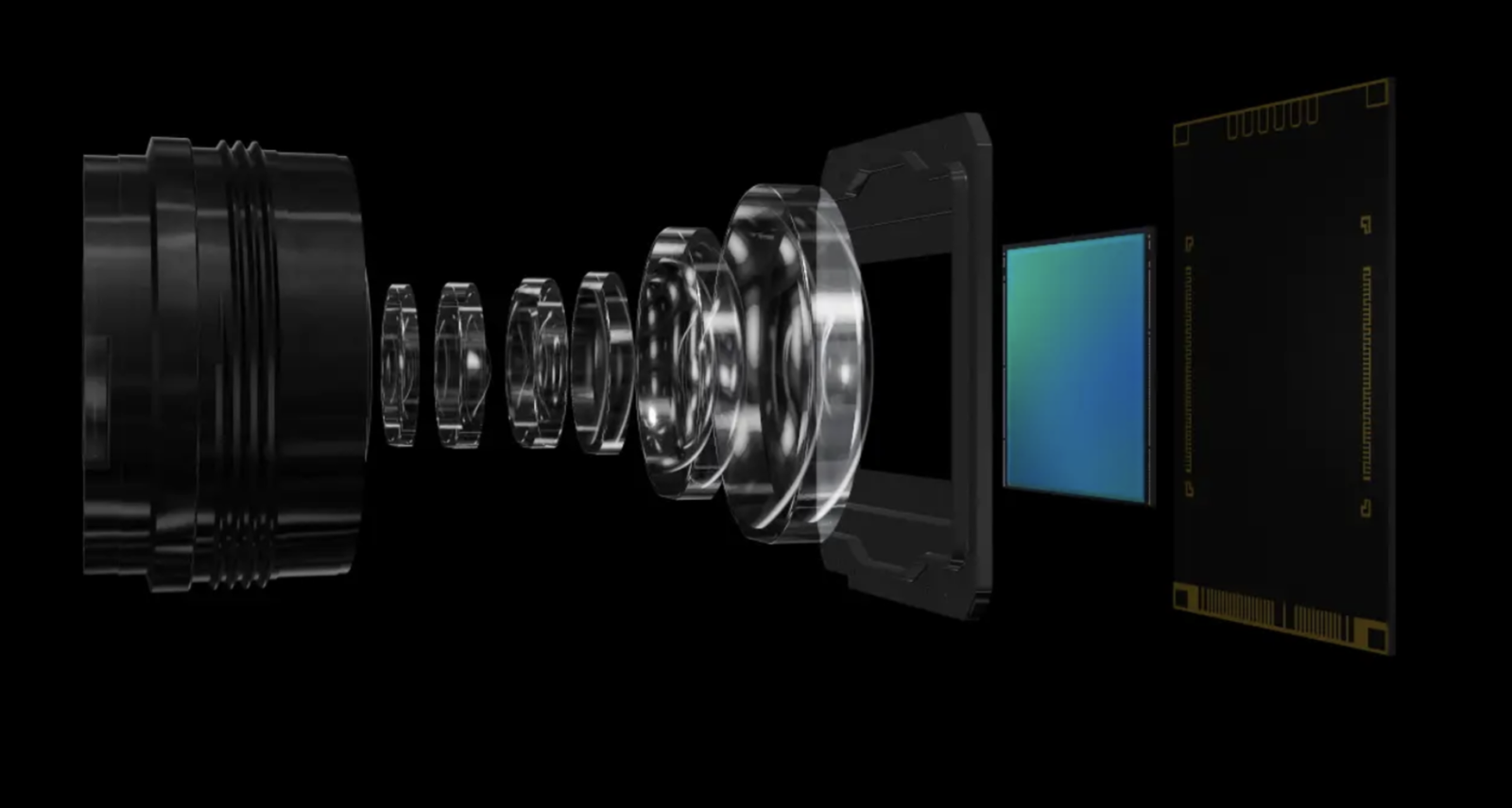
Sony Semiconductor Solutions has announced the development of the LYTIA 720, a new 50-megapixel 1/1.56-inch mobile image sensor designed to significantly boost low-light performance and bring full-pixel autofocus 4K 60fps HDR video capabilities to modern smartphones. This new sensor s essentially, a successor to the 1/1.56-inch, 50-megapixel LYTIA 700 series.
As a comparison, the main (Wide) sensor used in the latest iPhone Pro series is a 1/1.14-in 48MP Sony IMX905 with a 1.4 μm pixel pitch. Sony’s LYTIA 900 which is used in the Xiaomi Ultra flagship phones is a 1-inch, 50 MP sensor, with a 1.6 μm pixel pitch. The Samsung ISOCELL HP5 which is a high-performance 200-megapixel mobile image sensor features a 0.5μm pixel pitch.
UHCG Technology
One of the biggest issues with small mobile sensors has always been the structural random noise and digital grain that creeps into your image the second the ambient light drops. To overcome this, Sony has brought its UHCG (Ultra High Conversion Gain) circuit technology down from its flagship line into this new 1/1.56-inch sensor. According to Sony, this architectural shift improves the efficiency of converting charge to voltage, which they claims, results in a 50% reduction in low-light random noise compared to their previous-generation LYTIA 700 sensor. In the real-world that should mean cleaner shadow areas, better color fidelity, and less muddy footage when shooting at night or in poorly lit environments.
4K 60fps HDR Video with Full-Pixel Autofocus
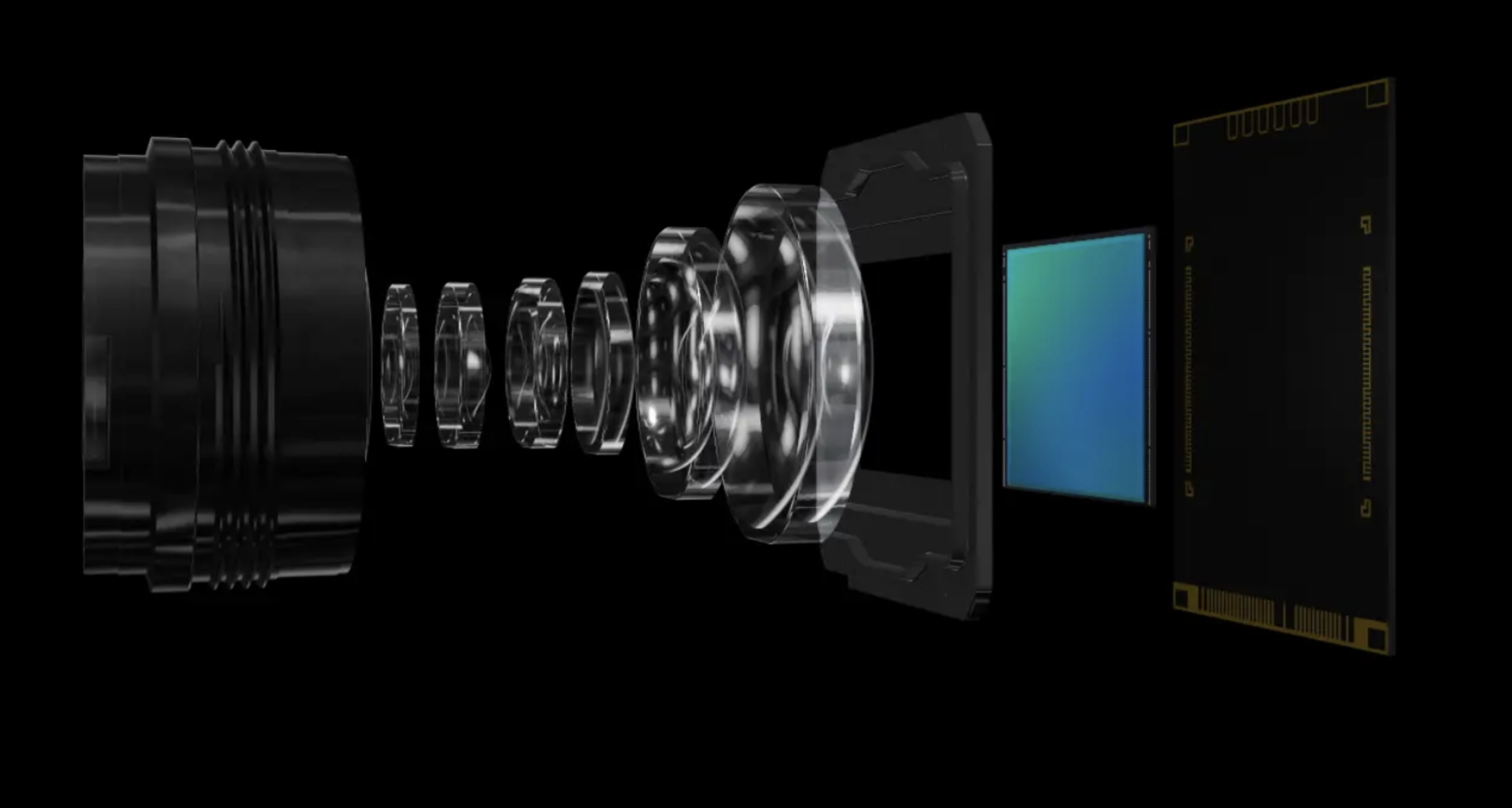
Sony has optimized of the sensor’s AD (Analog-to-Digital) conversion circuitry. By speeding up the conversion processing times, Sony has managed to reduce internal power consumption while unlocking 4K 60fps HDR video capabilities alongside continuous full-pixel autofocus. This marks the first time Sony has achieved this specific performance matrix on a 1/1.56-inch LYTIA sensor with 1.0μm pixels.
The 4K 60fps HDR mode utilizes a single-frame HDR method. This is critical for video because traditional multi-frame HDR methods can introduce nasty motion artifacts, ghosting, or edge blurring on moving subjects. A single-frame approach is better for clean motion cadences while maintaining adequate exposure times to keep noise low.
Hybrid Frame-HDR & 100dB Dynamic Range
To handle difficult lighting environments, the LYTIA 720 introduces a technology called Hybrid Frame-HDR (HF-HDR). This combines Dual Conversion Gain (DCG-HDR), which handles low-to-mid tone ranges in a single exposure, with a secondary short-exposure frame capture to extract high-light highlights. The data is stitched together in real time to achieve 100dB (16.6 stops) of claimed dynamic range.
LYTIA 720 Sensor Specifications
- Sensor Size: 1/1.56-inch type (10.24mm diagonal)
- Effective Resolution: Approx. 50 Megapixels
- Pixel Size: 1.0 μm × 1.0 μm
- Color Filter Array: Quad Bayer Coding
- Frame Rates (Full-Pixel AF):
• 50MP (4:3) at 30 fps
• 12.5MP (4:3) at 90 fps / 30 fps (DCG-HDR)
• 4K/2K (16:9) at 120 fps / 60 fps (DCG-HDR) - Output Interfaces: MIPI C-PHY / MIPI D-PHY
Availability
Sony plans to begin mass shipping the LYTIA 720 sensor to smartphone manufacturers in early November 2026. I would probably expect to see it implemented as the primary wide-angle main camera module in a wave of upcoming mid-to-high-tier smartphones over the next year or so.
