The Israeli military said on Sunday that it had carried out a strike targeting a senior commander in Hamas’ military wing in the southern Gaza Strip. Hamas sources told Reuters that the attack killed Samir Abu Younis, who led the group’s Rafah brigade.
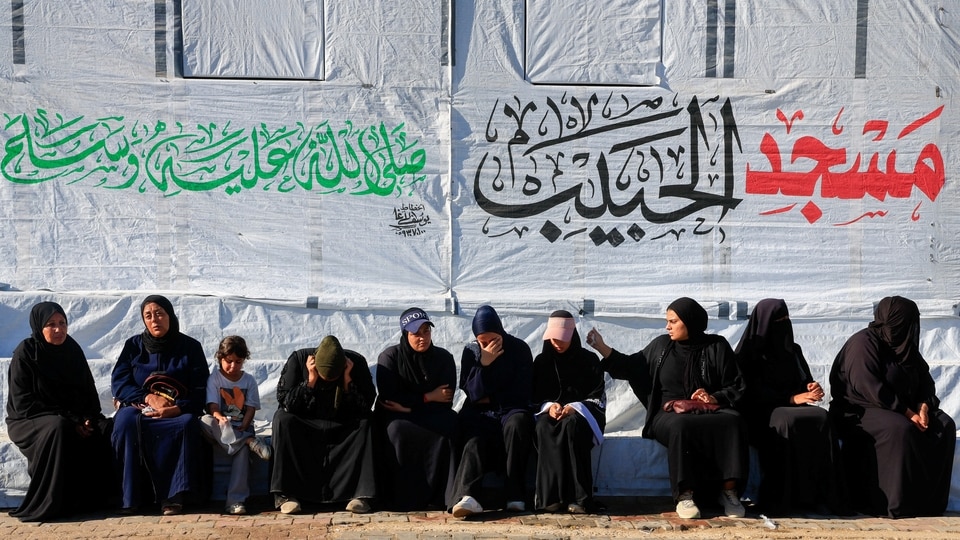
Hamas subsequently acknowledged the commander’s death and said a funeral service would be held in Khan Younis on Sunday afternoon. Abu Younis, 53, had joined the Al-Qassam Brigades in 1991 and went on to serve in several senior operational positions in Rafah, Reuters reported.
According to the sources, Abu Younis was among the senior figures in Hamas’ armed wing. The strike took place in the Mawasi area of Khan Younis, where medics confirmed that Abu Younis had been killed and several other people wounded.
The Israeli military did not identify the commander in its initial statement but said it had targeted a senior Hamas military figure. The identity of the person killed was reported by Hamas sources speaking to Reuters.
Also Read: Israeli drone strike kills 2 Palestinians in Gaza, and other Mideast news
Ceasefire has not ended attacks in Gaza
The strike comes despite a ceasefire that took effect in October 2025 and brought an end to major fighting between Israel and Hamas. However, the agreement has not stopped Israeli military attacks in Gaza or resulted in Hamas disarming.
Gaza health authorities say at least 1,600 Palestinians have been killed since the ceasefire came into effect. Five Israeli soldiers have also died during the same period.
Trump pushes for progress on Gaza peace plan
The latest strike comes as US President Donald Trump seeks to move forward with his plan for Gaza, which has struggled to advance beyond the initial ceasefire.
Trump raised the issue with Israeli Prime Minister Benjamin Netanyahu during a phone call on November 5, urging him to take steps towards implementing the agreement, Axios reported on November 8.
Also Read: Israeli spy chief visits US as Netanyahu seeks to build pressure on Trump to resume Iran war
The broader proposal calls for Hamas to disarm, Gaza to come under a new Palestinian technocratic administration and Israeli forces to withdraw in stages. It also envisages an international force to help maintain security in the territory.
However, disagreements over disarmament and the timing of an Israeli withdrawal have delayed progress.
Netanyahu has maintained that Israeli troops will not pull back until Hamas gives up its weapons. Hamas, meanwhile, has said Israel must fulfil its ceasefire commitments, including halting attacks and withdrawing forces, before it proceeds with the proposed arrangements.