A couple of years ago the British high commission hosted a reception with a rather unusual guest of honour. Curiously, it was not human; nor was it a robot or even the Bayeux Tapestry, the Elgin Marbles or the Mask of Tutankhamun.
Perched on a plinth at the end of the darkened room under a spotlight like a Damien Hirst work, studiously guarded by two buff security men, it was in fact a large cup: the English Premier League (EPL) trophy.
It has come to this, was my first reaction at the time. But on further thought the “Prem” is England’s greatest soft power, alongside Fawlty Towers and Monty Python. This season the turnover of the 20 clubs that compete in the EPL will surpass £7bn; the wage bill alone comes to over £4bn; close to 2-billion people “follow” the competition — around 37% of the world’s population — and television coverage is available in 189 countries.
Broadcast exports alone are worth about £1.8bn annually. On the streets of Kampala, Nairobi, Lagos and Accra you see far more Arsenal, Chelsea and Manchester United replica shirts than local ones.
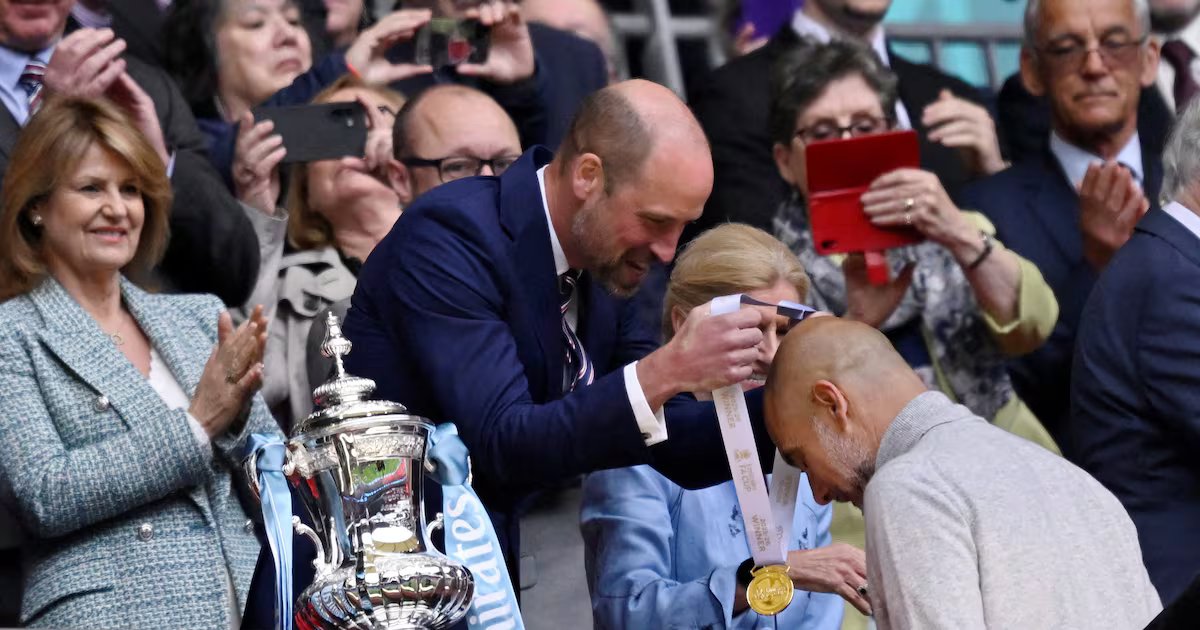
It is a huge success story with a vast global reach. But now this grand edifice is on the cusp of cracking, pressed down by the weight of its own hubris and avarice. At the high commission reception the trophy was adorned with sky blue ribbons, and the burly henchmen wore Manchester City FC blazers — because it was City that had recently won the trophy for the sixth time in seven seasons, a period of unprecedented dominance.
At the time it was obvious why; City had the best manager of his generation, Pep Guardiola, and an expensively accumulated squad of players. Money was no object for the owners of the club, the City Football Group, which is majority owned by the Abu Dhabi United Group and led by Sheikh Mansour bin Zayed Al Nahyan. It was “sports-washing” on the grandest of scales.
The full detail of Manchester City’s racket is now emerging — firstly, as a result of the report of the independent commission appointed by the Premier League to investigate 115 charges brought against City in the wake of leaks by whistleblower Rui Pinto; and secondly, from the response to the report’s damning conclusion — that City are guilty of all but one of those charges through a scheme of sham contracts, including from the UK’s new prime minister, former Manchester mayor Andy Burnham.
After City’s first league title in 2013/14, and seeing how their owners were throwing endless cash at the project, the league introduced “profitability and sustainability rules” to try and govern finances. These were designed to limit the extent to which clubs could finance sporting ambition through sustained losses.
‘Red Cartel’
It is now said by Manchester City’s defenders that this was a result of pressure from an existing oligarchy — the “Red Cartel” of Arsenal, Liverpool and Manchester United — which feared City’s rise; one of myriad interesting angles to this complex story concerns anti-competitive behaviour and a worry that the EPL will no longer be investable.
One of the many ripple effects is the perceived threat that the UAE may reverse investment into the UK at a time when its parlous fiscus needs it most. Burnham’s initial reaction asked people “not to jump to conclusions”, even though the independent commission’s impressively drafted report does exactly that, inviting suggestions that Burnham’s time as Manchester mayor had benefited greatly from Abu Dhabi’s largesse.
Contaminated by this corruption, the EPL may now start an irreversible decline, much like Serie A did after corruption findings against Juventus in 2006. In the meantime, Manchester City are doubling down and, like Jacob Zuma’s Stalingrad strategy, preparing for a legal war of attrition.
The league is caught on the horns of a dilemma: give City the harsh penalty they evidently deserve, or agree to a softer penalty to protect the product.
• Calland is emeritus associate professor of public law at the University of Cape Town and visiting adjunct professor at the Wits School of Governance.