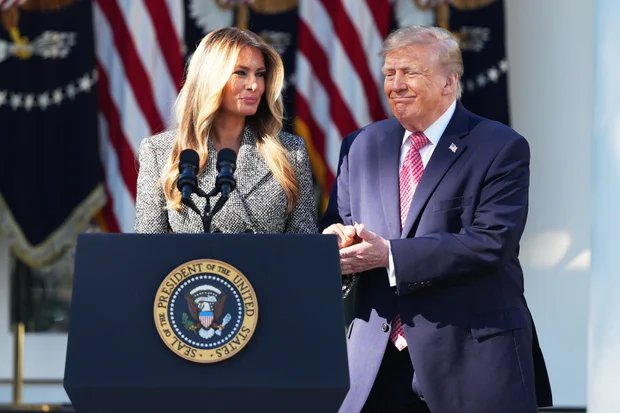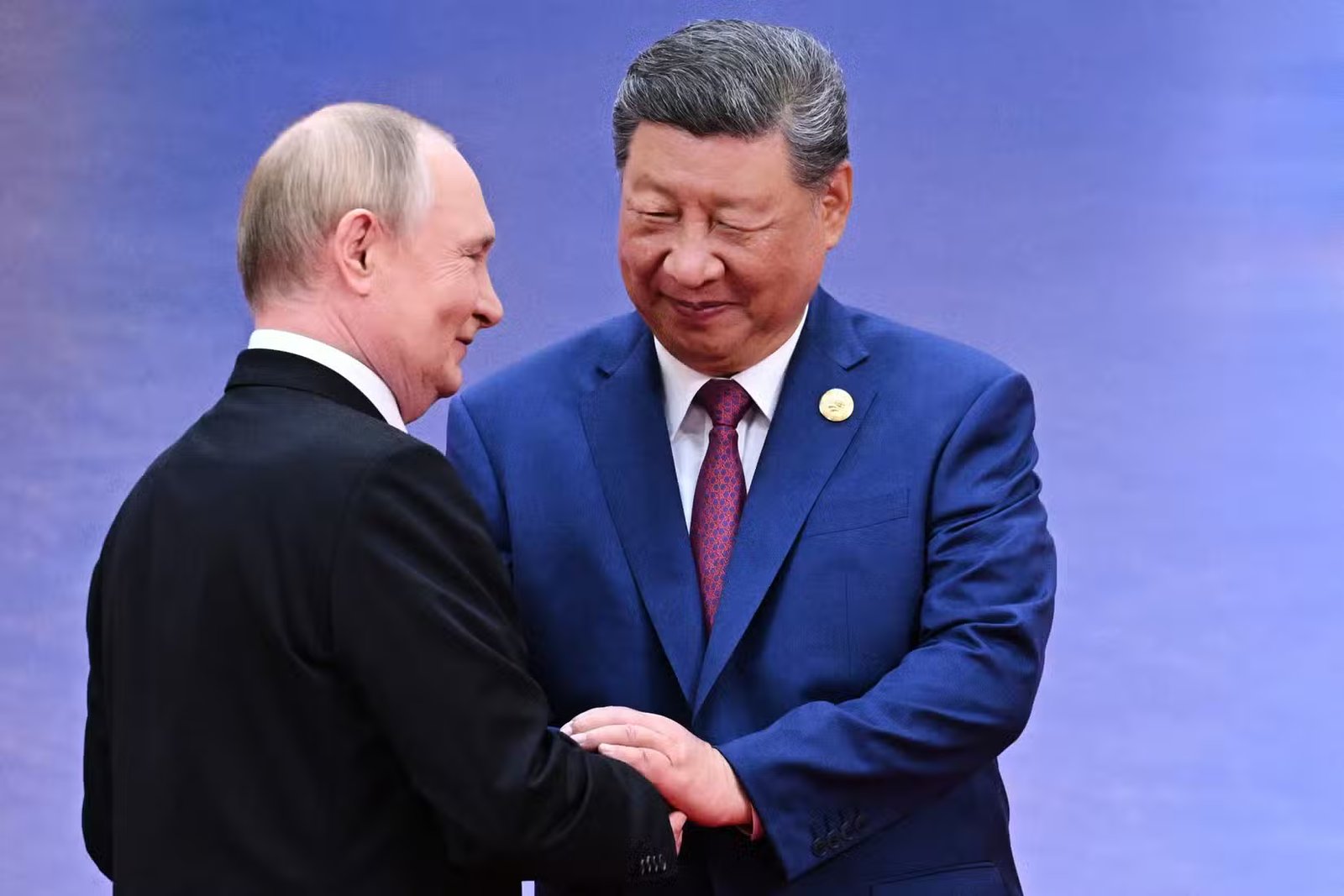
Russian President Vladimir Putin has proposed discussing the war in Ukraine with President Donald Trump and Chinese President Xi Jinping, as part of an arrangement that would put three major powers at the table without the country whose territory and future would be up for negotiation.
The Wall Street Journal first reported that Putin raised the idea during an Oct. 9 telephone call with Trump. The proposed gathering would take place alongside the Nov. 18–19 APEC summit in Shenzhen. A senior U.S. official told the Journal that Trump had not yet agreed to participate but might be receptive.
The Kremlin confirmed Oct. 19 that a possible three-way meeting had come up in discussions surrounding next month’s Asia-Pacific Economic Cooperation (APEC) summit in China.

Kremlin spokesperson Dmitry Peskov said there were no specific agreements on a meeting or its agenda, also acknowledging that Ukraine would have to participate in a final settlement.
The proposal remains preliminary, but Ukraine has already challenged the participants and the purpose of such a meeting.
Ukrainian President Volodymyr Zelensky, in an interview with Bloomberg, accused Trump of trying to force Ukraine’s surrender more than four years after Russia invaded the nation and annexed four regions.

“I believe steps have been taken to convince Ukraine to capitulate,” Zelensky said. “I am not saying that this is the goal our partners are pursuing. I don’t want to think that our American partners believe the war” against Russia “could be ended sooner at Ukraine’s expense. But that’s how it looks.”
Ukrainian Foreign Minister Andrii Sybiha argued that talks involving Ukraine, the U.S. and Russia could accelerate an end to the war, while substituting China for Ukraine would encourage Putin to continue fighting.
Trump Eases Pressure on Moscow
The proposal follows Trump’s agreement to purchase Russian diesel and his Oct. 16 decision to waive key sanctions against Moscow.
Zelensky criticized those decisions, warning they would strengthen Putin’s position and prolong the war.

Trump has defended easing pressure as a way to keep Russia engaged in negotiations. Washington has also pressed Ukraine to suspend attacks on Russian oil refineries.
Kyiv considers those facilities legitimate targets because of their contribution to Moscow’s war effort.
A Historical Comparison from World War II
The proposal invites comparison with the February 1945 Yalta conference, where President Franklin D. Roosevelt, British Prime Minister Winston Churchill and Soviet leader Josef Stalin negotiated questions affecting other countries as World War II approached its end.
According to the State Department’s historical account, the leaders discussed Germany, Eastern Europe and Soviet entry into the war against Japan. Their agreements included a large Soviet sphere of influence in Manchuria, and a pledge from the Soviets to allow free elections in territories liberated from Nazi Germany.
The conference offers a precedent for powerful countries negotiating other nations’ futures without those nations at the table.
Existing Defense Commitments Still Apply
For U.S. military planning, any proposed settlement would need to be assessed against existing commitments.

NATO’s July Ankara declaration reaffirmed collective defense under Article 5, described Russia as a long-term security threat and pledged continued support for Ukraine’s sovereignty and territorial integrity. Allies also committed to military assistance and training for Ukraine.
Any broader deal with Beijing would also have to account for U.S. law concerning Taiwan. The Taiwan Relations Act calls for providing Taiwan with defensive arms and maintaining the U.S. capacity to resist force or coercion threatening its people. It does not automatically commit U.S. troops to defend the island.
International law supplies another limit. The U.N. charter recognizes members’ sovereign equality and prohibits threats or force against a state’s territorial integrity or political independence. A meeting among powerful leaders does not itself displace those obligations.
The immediate questions remain concrete: whether the summit happens, whether Ukraine participates in discussions about its future, and what conditions Moscow would accept.