Quick overview
- Oracle Corporation’s stock fell 5.5% to around $135.69 amid concerns over OpenAI’s financial metrics.
- A report revealed OpenAI’s actual annualized recurring revenue is closer to $50 billion, significantly lower than the previously rumored $68 billion–$70 billion.
- Oracle’s long-term debt has exceeded $160 billion, raising valuation pressures as market expectations for cloud customers are revised downward.
- Operational challenges and external factors have added volatility to Oracle’s stock, which is now trading at a significantly lower valuation compared to its peaks.
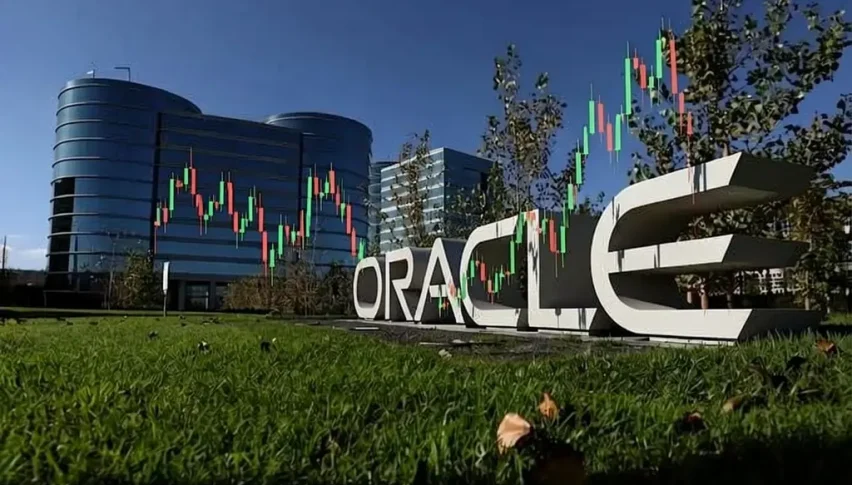
Oracle Corporation (NYSE: ORCL) fell 5.5% (closing around $135.69) following reports surrounding OpenAI’s financial metrics. The sell-off extended across other major AI infrastructure players, including Nvidia, Broadcom, and CoreWeave.
Wall Street had recently been pricing OpenAI on a rumored $68 billion–$70 billion annualized revenue run-rate. However, a report by the Financial Times clarified that OpenAI’s actual annualized recurring revenue (ARR) run-rate is closer to $50 billion.
The $68B+ figure included gross revenue generated through cloud partners (giving an apples-to-apples comparison with competitors like Anthropic), whereas the $50B figure reflects OpenAI’s net annualized run-rate. While underlying fundamentals remain strong—with Q3 run-rate up ~77% year-over-year and enterprise growth exceeding 100%—the downward adjustment spooked investors.
Oracle’s rapid capital expansion for AI infrastructure has elevated its long-term debt levels (exceeding $160 billion). When market expectations for major cloud customers get revised downward, heavily leveraged infrastructure providers face the most immediate valuation pressure
Power-supply and infrastructure constraints at major data center sites have added operational friction to how quickly Oracle can convert its backlog into live, revenue-generating compute capacity.
Wall Street is shifting from rewarding pure infrastructure spending numbers to demanding proof that end-use customers can monetize AI fast enough to support multi-billion-dollar compute commitments
Ancillary factors—such as compliance/security adjustments required following health unit data breach disclosures and personal financing/legal overhangs tied to executive-level guarantees (e.g., Larry Ellison’s involvement in media deal guarantees)—have added unnecessary volatility and headline risk.
Trading at a forward P/E ratio shifting toward the upper-teens/low-20s depending on the fiscal horizon, Oracle’s valuation has reset significantly from its peaks. Proponents argue the underlying multi-billion-dollar backlog makes the stock heavily discounted if execution goes smoothly, whereas bears argue the heavy debt load justifies a lower multiple. Price action has dipped below major daily and weekly moving averages, keeping the short-term trend under pressure with sellers dominating recent sessions.

Olumide Adesina
Financial Market Writer
Olumide Adesina is a French-born Nigerian financial writer. He tracks the financial markets with over 20 years of working experience in investment trading