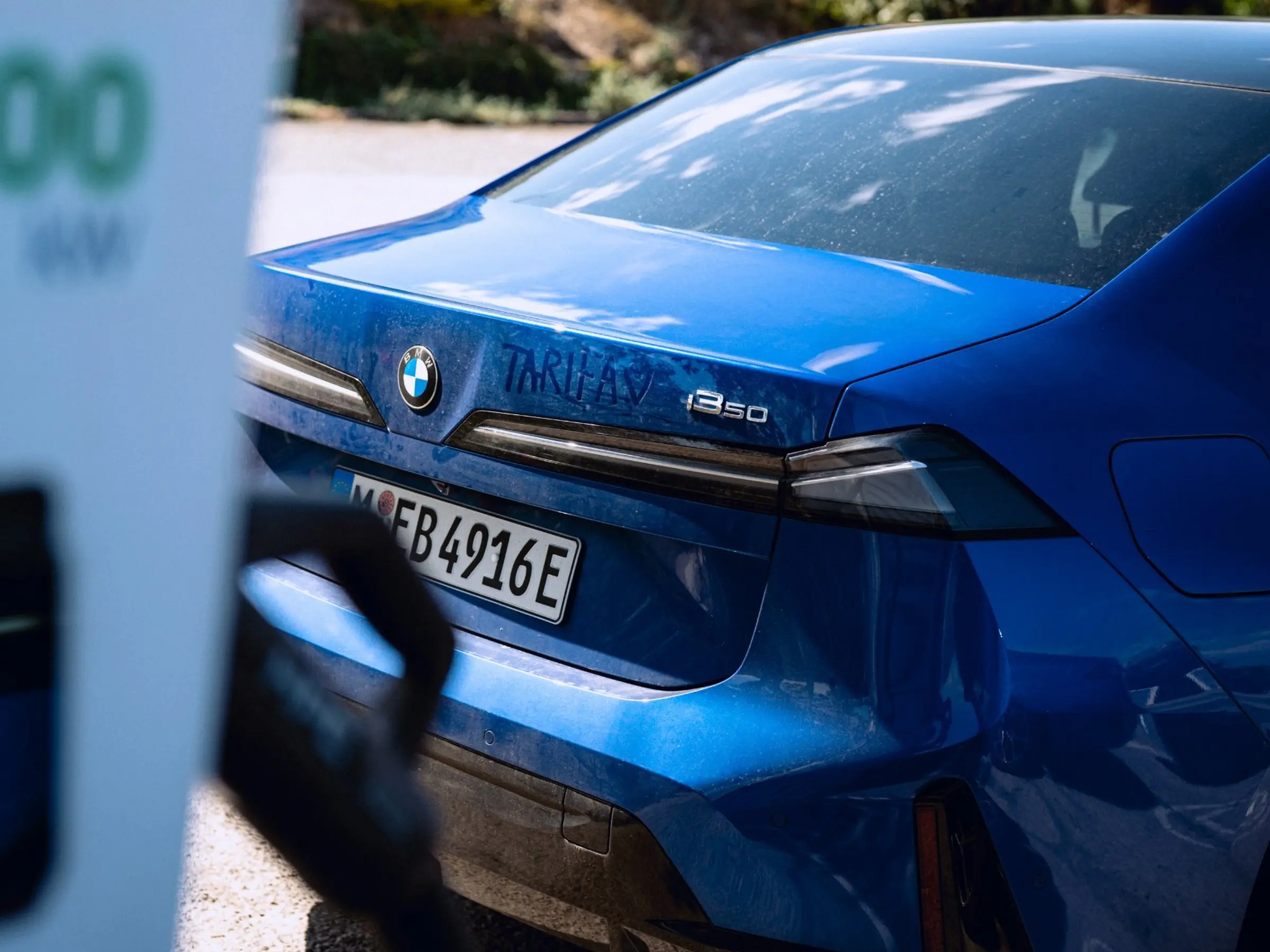
Fast Facts | 2027 BMW i3 50 xDrive
- Record: 3,658 miles with 2 hours 46 minutes of total charging
- Battery: 108.7 kWh, with DC fast charging up to 400 kW
- Range: Up to 567 miles WLTP
- Output: About 463 horsepower and 476 lb-ft from two motors
- Efficiency: About 5 miles per kWh on the run (12.5 kWh/100 km)
BMW Turns a 3,658-Mile Road Trip Into a Charging Test
The new BMW i3, the first fully electric 3 Series, just took a nearly 3,700-mile road trip across Europe and spent less than three hours plugged in. It set the record, and it’s headed to the U.S. early next year. Here’s what you need to know.
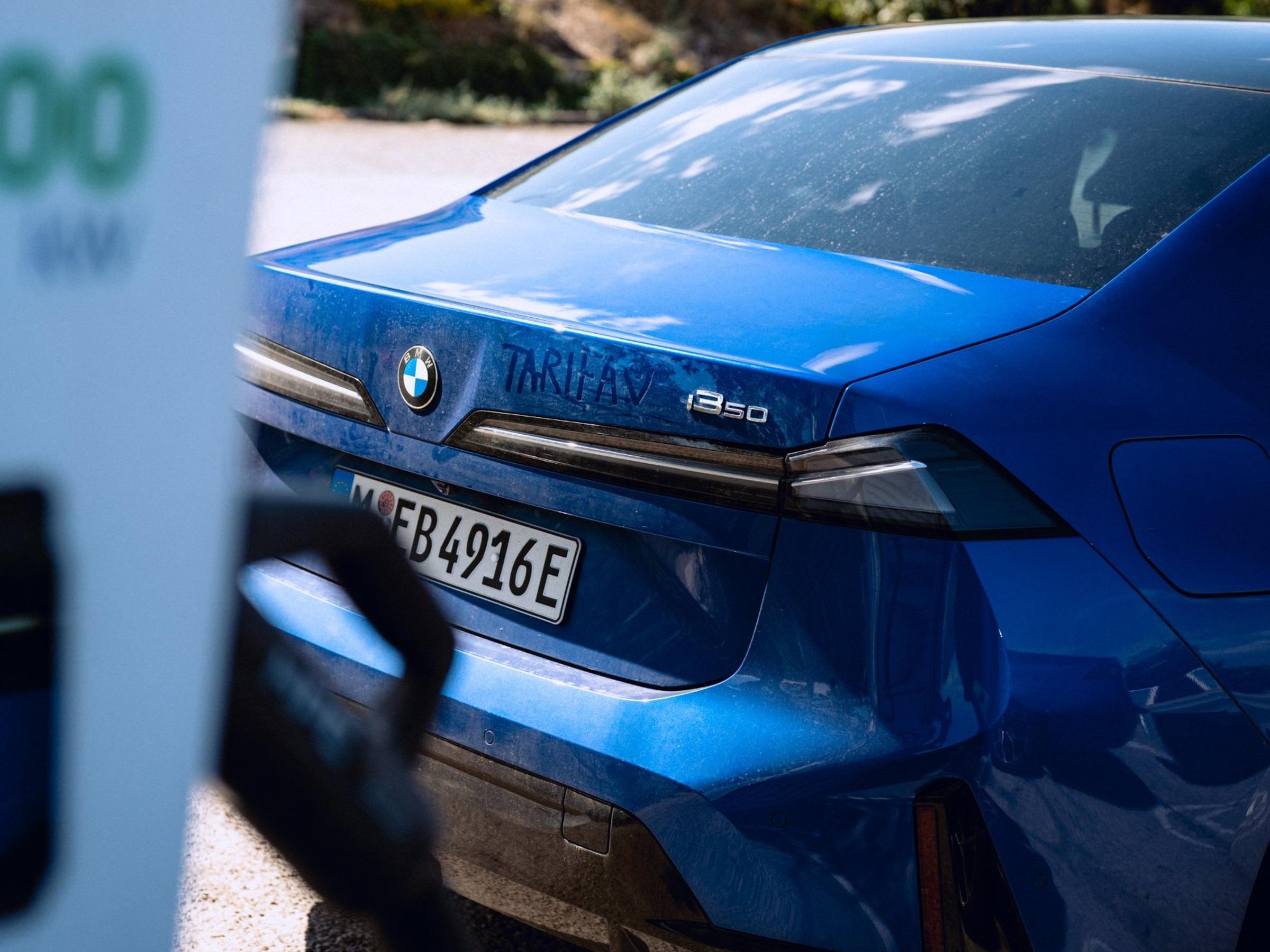
A European EV Challenge Built Around Charging Time
The Paneuropeana runs from the North Cape in Norway, the northernmost point you can drive to in Europe, to Tarifa, Spain, the southernmost point of mainland Europe. It covers nearly 3,700 miles and crosses through eight countries. Rafael de Mestre created the challenge as a benchmark for an EV’s efficiency, charging speed, and long-distance capability. The winner is decided by total charging time, not driving speed.
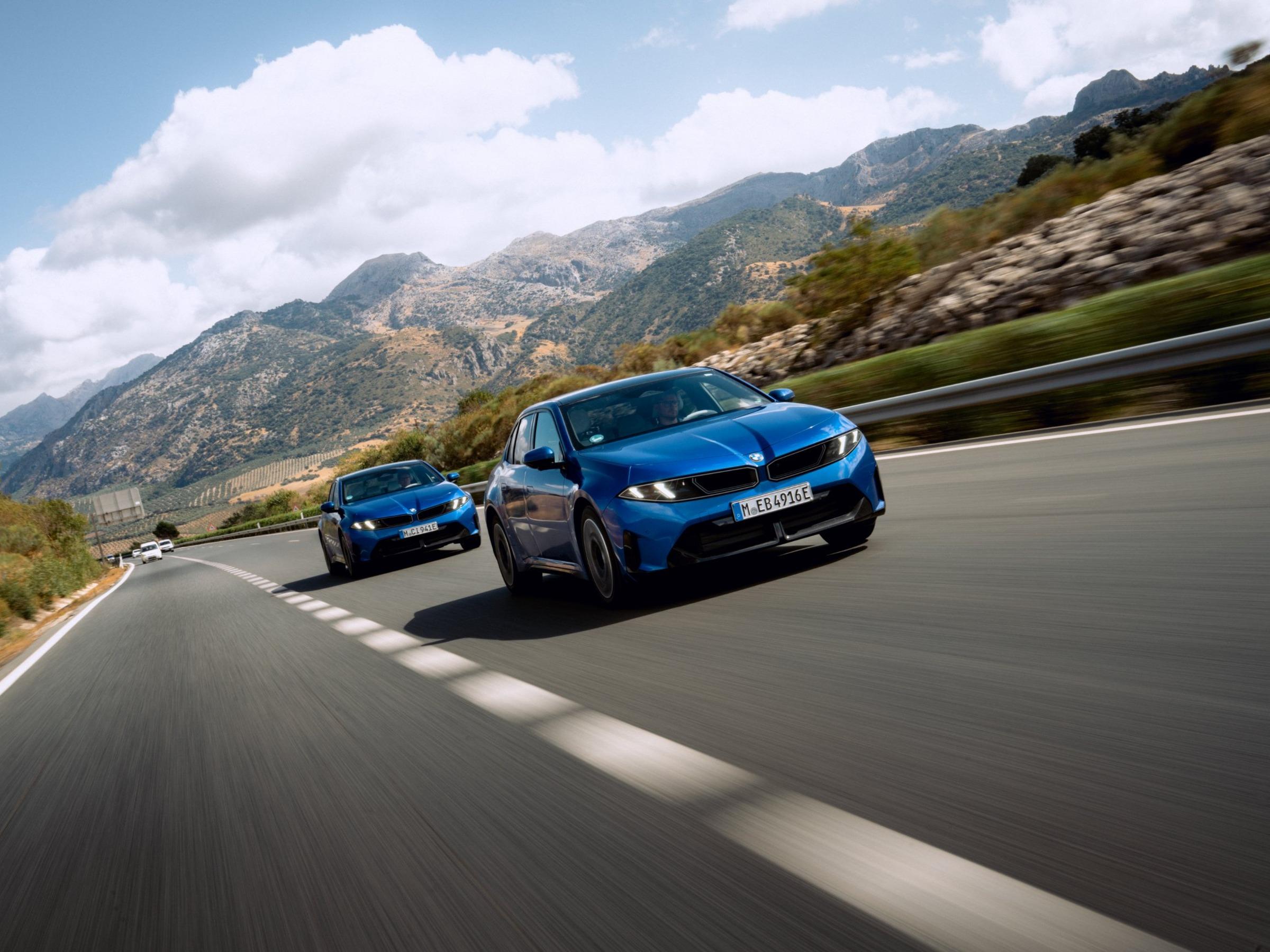
Drivers on the Paneuropeana share the country roads, motorways, and town streets with everyday travelers. The charging points aren’t predetermined. Instead, each driver plans a route around the chargers available and adjusts for weather, traffic, and other factors they run into.
BMW optimized its route around available high-power chargers, which is exactly what makes or breaks a long EV trip, so see how to plan charging stops, range buffers, and backup options before hitting the road ➜
3,658 Miles, 275 kW Average Charging
A single BMW engineer drove the i3 the whole way. BMW says the car matched the standard production specs customers can buy. The trip took three days, two hours, and 41 minutes of driving at an average speed of nearly 50 mph, and the i3 charged only at public stations.
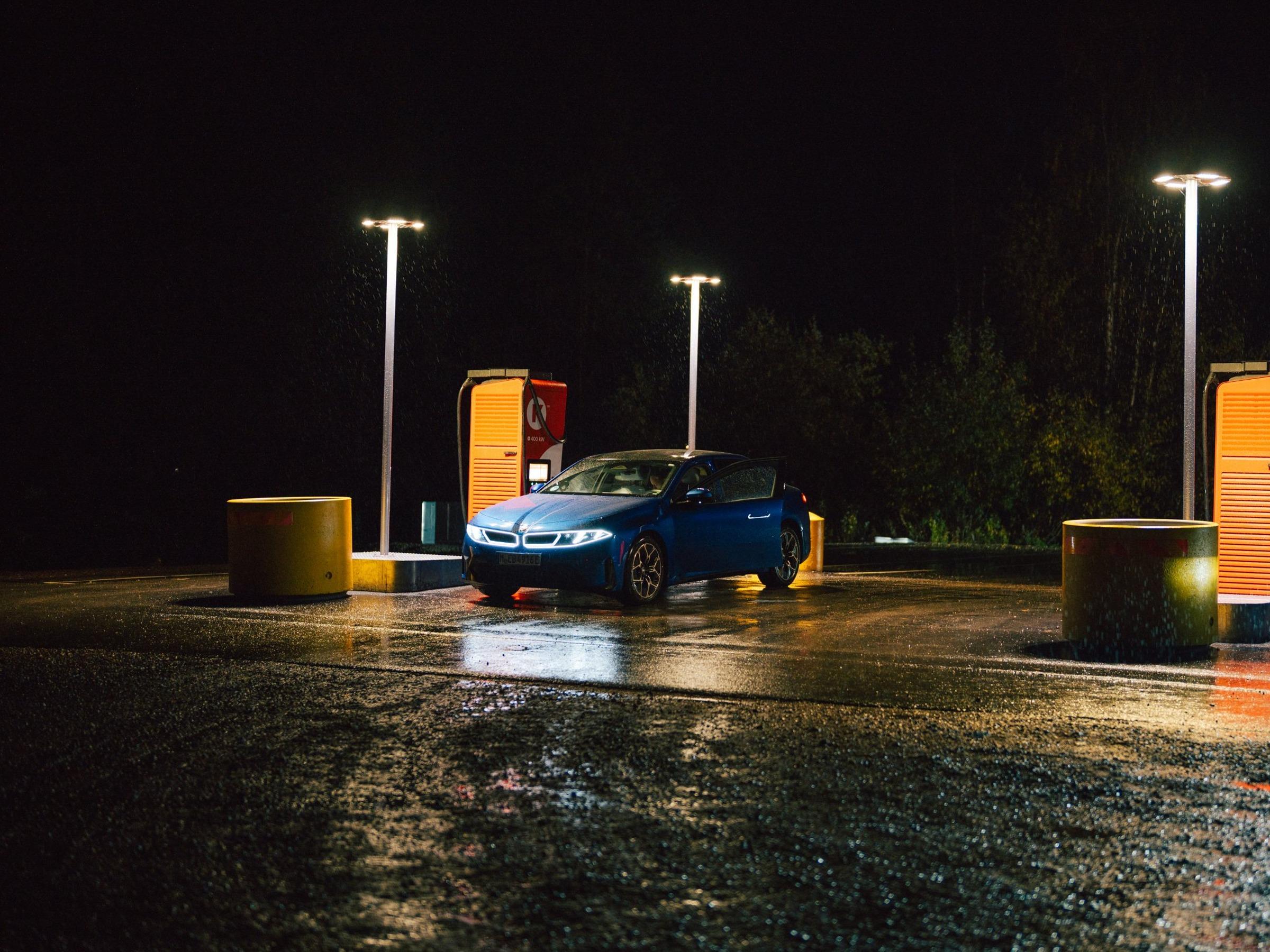
Over 3,658 miles, the i3 spent a total of 2 hours and 46 minutes charging at an average rate of 275 kW. That beat the previous record, set in 2017, by more than seven hours.
A 400-kW peak matters less than how much power the battery can sustain throughout a stop, so see why temperature, state of charge, charger output, and the charging curve determine real charging speed ➜
Why It’s So Efficient
First, the i3 is the most aerodynamic BMW to date, with a drag coefficient of 0.21. For the run, it rolled on 19-inch M Aerodynamic Polygon 1061 wheels with low rolling resistance tires, which helped efficiency.
Next, the new Gen6 motors reduce energy losses by 40 percent compared to Gen5. The new cylindrical cells increased energy density by 20 percent compared to the prismatic cells of the Gen5. And BMW’s high-performance “Heart of Joy” computer controls more than 95 percent of all braking through the electric motors, which helps with energy recuperation.
Gen6 also uses 800-volt charging technology for DC fast charging at up to 400 kW. According to BMW, 10 minutes at a fast charger adds about 263 miles of range.
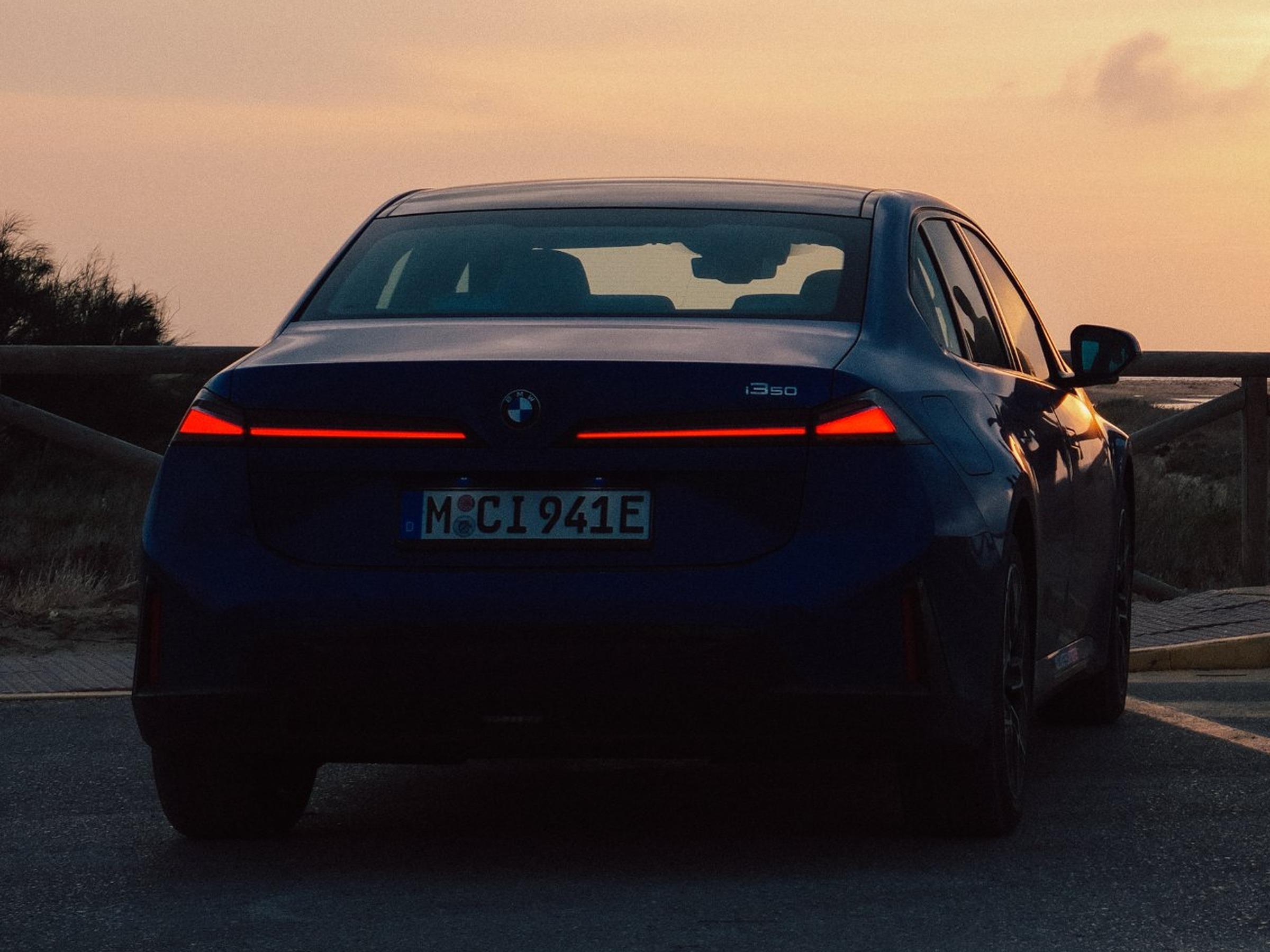
No Match for Range Anxiety
This road trip is great news for anyone who’s put off buying an EV because of range. The i3 crossed an entire continent with less than three hours of charging. It adds hundreds of miles in about 10 minutes, about as long as a stop for snacks or a bathroom break. BMW’s Gen6 tech takes many of the biggest objections to EVs head-on.
Even better, the new i3 arrives in the U.S. in early 2027. If you want an EV that broke the Paneuropeana record, you can soon.
More BMW EVs Built for the Long Haul
2026 BMW i4 M60 xDrive Review: Your Almost-Wagon Road Trip Champ
BMW’s outgoing EV generation provides a useful benchmark, with a 1,000-mile road trip showing how range, speed, and charging affect real travel time.
Read More ➜
2026 BMW i5 xDrive40 Review: Luxury, Handling, and a Range Trade-Off
The larger i5 shows where BMW’s current-generation sedan technology stands before Neue Klasse brings much longer range and 400-kW charging.
Read More ➜
A 1,700-Mile EV Road Trip With a Mission: What We Learned
A real-world U.S. road trip shows why charger reliability, weather, speed, route planning, and charging power all matter beyond a vehicle’s peak specification.
Read More ➜