What has happened to Manchester City?
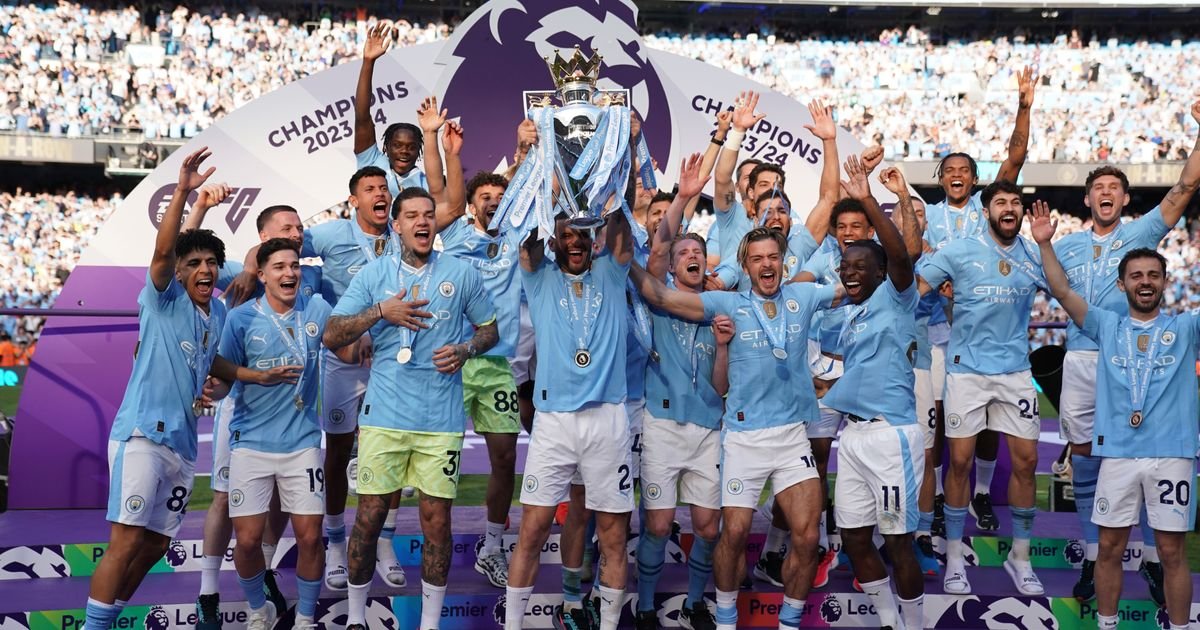
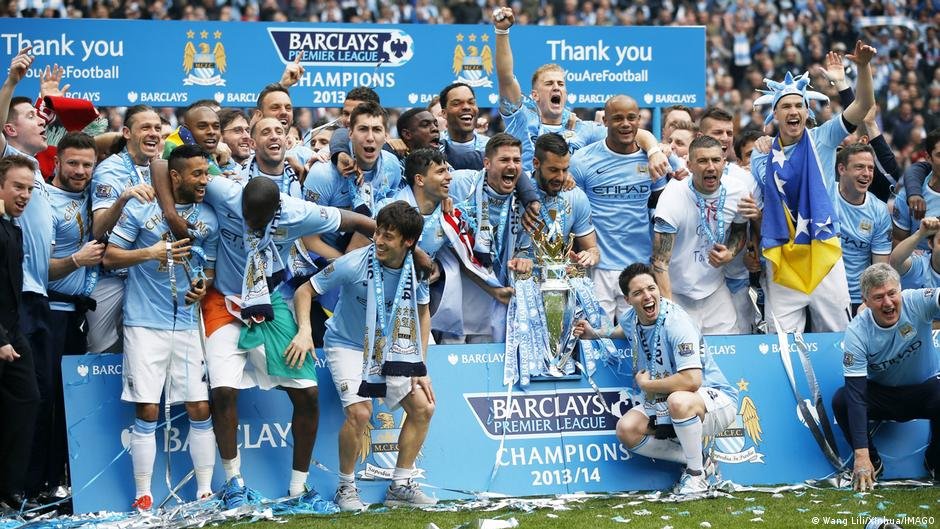
Manchester City have reportedly been found guilty on 114 of the 115 Premier League charges over alleged breaches of financial regulations. They relate to a period between 2009 to 2018 and include allegations around financial reporting, disclosure of player and manager payments, compliance with UEFA and Premier League financial rules, and cooperation with the investigation. The Premier League has yet to comment, with the news having first been reported by The Athletic.
The process started when the charges were brought in February 2023. The review was started in 2024 before the reported verdict of guilty on almost all charges arrived on September 25, 2026.
The English champions, owned in practice by the United Arab Emirates’ ruling family, deny all charges and insist their case is supported by a “comprehensive body of irrefutable evidence.”
Has this happened before?
The Premier League has long had a reputation for rampant capitalism, but it has started to enforce financial regulations that control spending in recent years.
In 2026, Chelsea were fined €11.6 million ($13.8 million) and given a suspended ban from registering new players for two transfer windows for breaching rules relating to payments to agents between 2009 and 2022. The club did avoid a six-point deduction though. In the recent years before, Everton and Nottingham Forest were docked Premier League points for breaking profit and sustainability rules (PSR).
City previously won, for the most part, a similar battle with UEFA. The 2023 UEFA Champions League winners were hit with a huge fine by UEFA in 2014 over a breach of the organization’s FFP (Financial Fair Play) rules. Then, in February 2020, UEFA handed City a €30-million fine and banned the club from competing in the Champions League for two years for falsely inflating sponsorship revenues between 2012 and 2016. But in July of the same year, the Court of Arbitration for Sport (CAS) overturned the ban and reduced the fine to €10 million. City denied all charges and did not miss a game in Europe’s premier club competition.
The key difference in City’s current case to Chelsea’s earlier in the year is that Chelsea self-reported and admitted guilt, which allowed them to negotiate with the Premier League over the sanction. City have stressed that they are innocent throughout.
Has something like this happened in Germany before?
German football is by no means immune to scandals or corruption. The most prominent examples are the 1971 match-fixing scandal in which players took bribes to throw matches, and the 2005 match-fixing scandal involving referee Robert Hoyzer, who confessed to fixing and betting on matches in the second division and German Cup.
The majority of financial breaches have come from clubs not being able to prove they were financially viable. Both 1860 Munich and Uerdingen are examples of this, but major systematic abuses or breaches have not happened because the structure of German football is designed to prevent it.
Why is something like this not possible in Germany?
Mainly because of the 50+1 rule. In place since 1999, the rule stipulates that the parent club, for example Bayern Munich, must hold at least 50% plus one vote in its spun-off professional football company – in this case, FC Bayern München Fußball AG. This ensures that the majority of voting rights always lie with the club and its members.
The rule prevents external investors from taking complete control of a club and managing it solely according to financial criteria. It is also meant to ensure a certain level of equality, as it is not possible for a club to invest disproportionately more money than other clubs thanks to its powerful investor with a controlling stake.
The vast majority of organized fans in Germany oppose the commercialization of football. The 50+1 rule makes many fans in Germany not just paying spectators but active club members who can, for example, have a say inimportant club decisions.
Critics argue that the rule puts German football clubs at a financial disadvantage. Spending in the Premier League proves that to be true, but City’s reported offenses are also proof of why the league’s sustainable structure matters. The Bundesliga has been approached by DW for comment.
Do these charges have an impact in Germany?
Not until the ruling and punishment are final. However, one of the main talking points is what City’s success prevented other teams from claiming, whether it be prize money, Champions League places or transfer opportunities. These are compensatory claims that might be explored should the charges remain after appeals.
What happens next?
Manchester City face possible points deductions, expulsion, financial penalties or the stripping of their titles. It is unclear when the decision on what the punishment will be will come, especially given that City are expected to appeal.
The outcome also has significant impacts for the Premier League. In taking on one of its biggest clubs, having successfully punished two smaller ones, they risk appearing toothless. Certainly the eyes of European football will be on them as the impact of the decision will put the integrity of the competition into focus.
It may also see more English fans call for a model like the 50+1 rule to be integrated. Some voices were raised in England after the Saudi sovereign wealth fund PIF took over Premier League club Newcastle United in 2021, and others continued during the attempted establishment of a European Super League in 2021.
Edited by: Chuck Penfold