
 |
|
Jeff Bezos predicts a future where workers can earn enough money to cover their living expenses with fewer working hours. Photo: Spencer Lowell/Fortune . |
In an interview with Fox News last week, Jeff Bezos argued that increased economic productivity thanks to AI allows more people to make ends meet with fewer working hours. In that scenario, work is no longer a mandatory obligation for everyone.
He predicted that artificial intelligence (AI) could shorten the working week for workers to just three days. According to Bezos, the abundance of assets and resources in the AI era could even lead to labor shortages. When one person can earn enough money to support their family, the other doesn’t necessarily need to work, according to Fortune .
AI helps shorten working time.
Jeff Bezos argues that increased productivity makes it harder for businesses to recruit, because workers no longer need to work multiple jobs to make ends meet. If a job provides sufficient financial security for their family, they may choose to work less.
Bezos isn’t the only tech leader who believes AI can change the way people work. However, predictions about the extent of that change vary, from a four-day work week to a future where humans don’t need to work to earn a living.
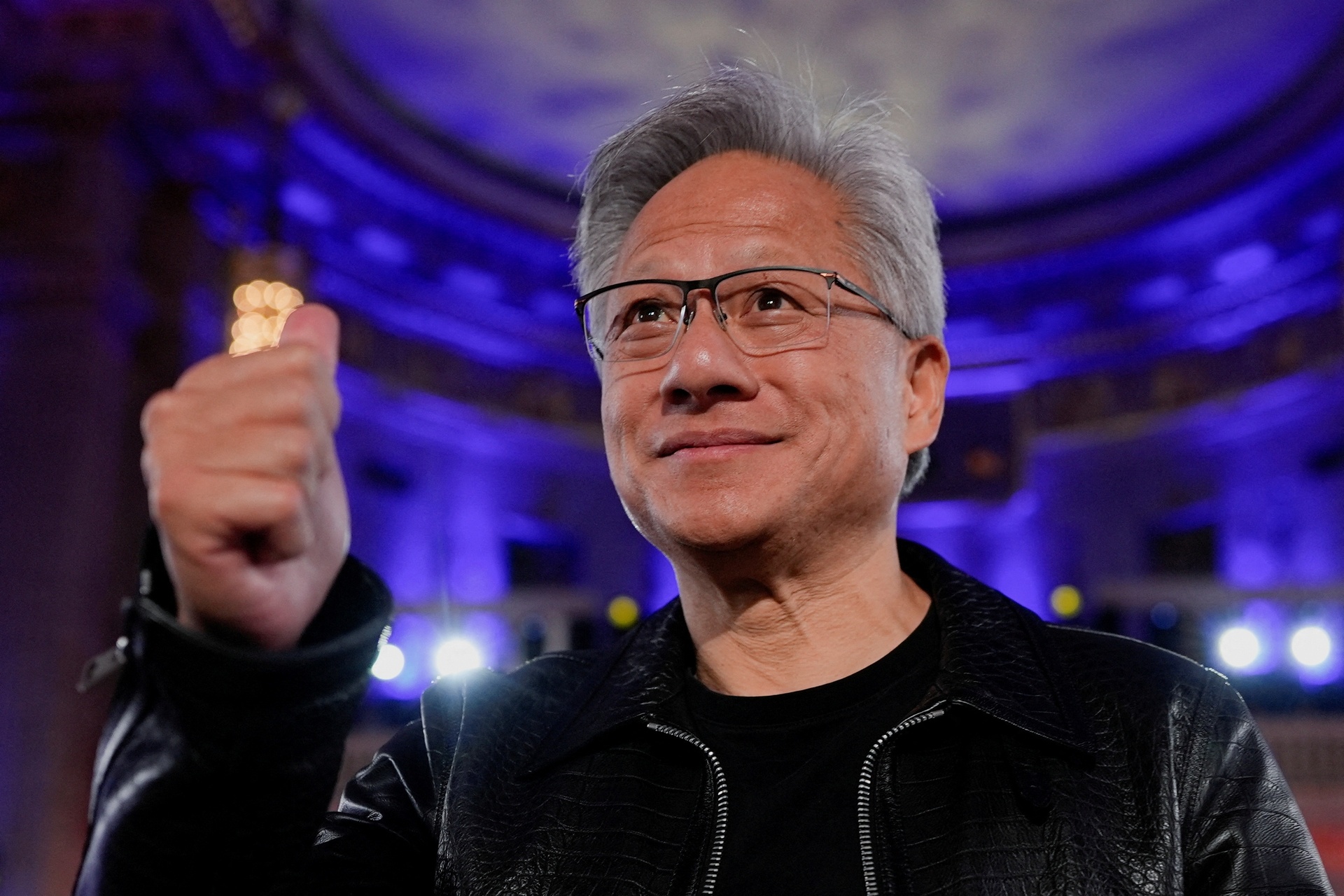
Jensen Huang, CEO of Nvidia, believes AI could reduce the work week to four days. Jamie Dimon, head of JPMorgan Chase, predicts employees will work only 3.5 days a week in the future. Meanwhile, Bill Gates has mentioned the possibility of humans working only two days a week.
 |
|
Jensen Huang (Nvidia) predicts that AI could help shorten the work week to four days. Photo: Kent Nishimura/Reuters. |
Elon Musk, the founder of SpaceX, offers a more far-sighted vision, suggesting that AI and robotics could usher in an era of “high incomes,” where money becomes less important. In this context, humans would no longer need to work to survive. Late last year, Musk also predicted that advances in AI and robotics could make jobs optional within the next 10-20 years.
These assessments are all based on the expectation that technology can increase productivity, helping people accomplish more tasks in less time. However, business leaders are not yet in agreement on the speed and extent to which AI can change the labor market.
Despite his optimism about the long-term potential of AI, Bezos acknowledged that this wave of technology presents investors with considerable uncertainty. When asked whether the AI craze is a bubble, he said it’s difficult to draw a conclusion.
According to Bezos, this technology is real and can benefit society. However, the capital flowing into the AI sector also funds both successful ideas and projects lacking potential. The billionaire also noted that evaluating investment opportunities in the current climate is not straightforward.
Skepticism about the prospect of a shorter work week.
Jeff Bezos’s prediction is based on the expectation that AI will boost productivity, allowing workers to complete tasks in less time while maintaining their income. However, not all tech leaders or economists believe that technological advancements automatically translate into free time.
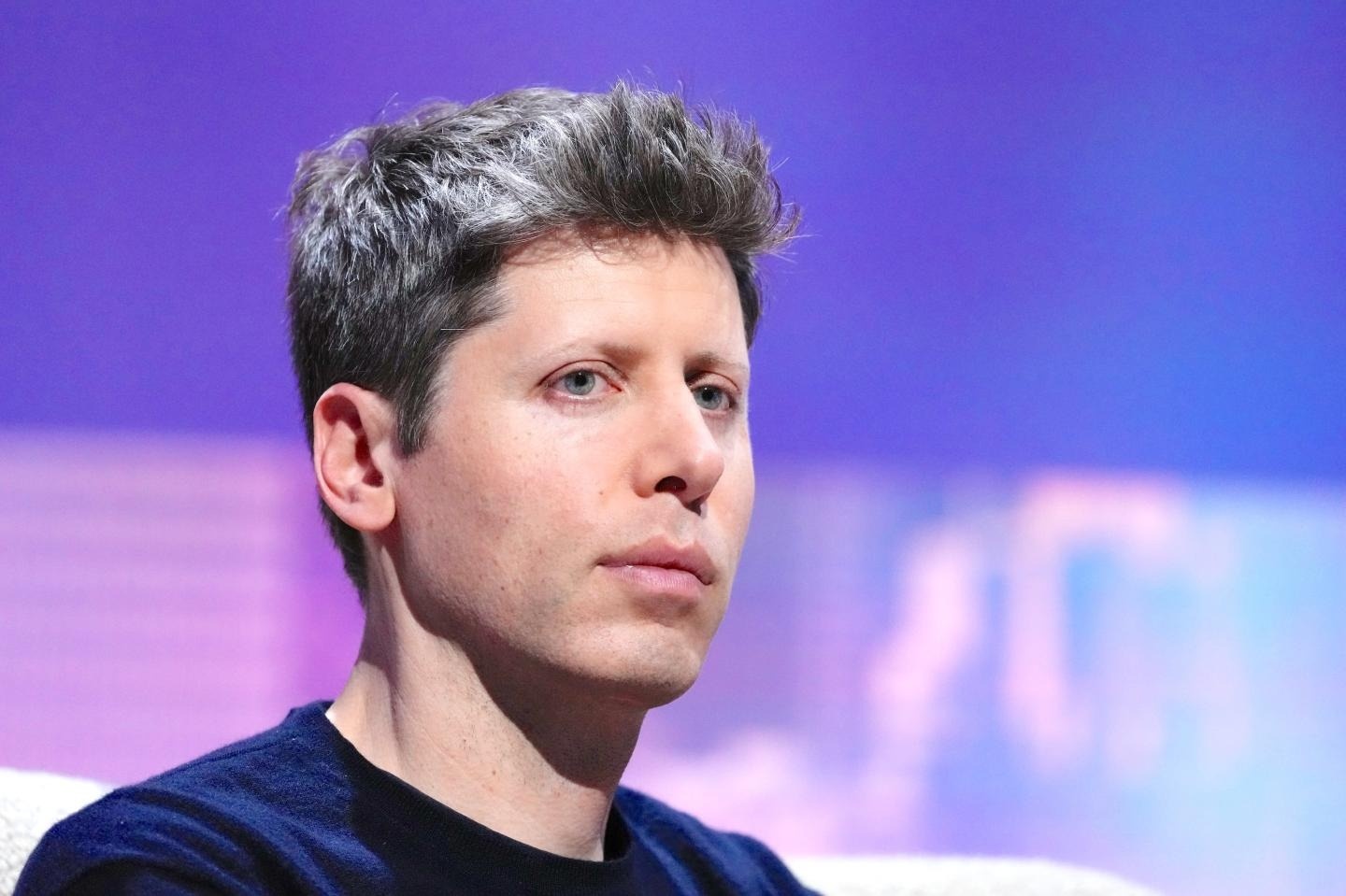
Sam Altman, CEO of OpenAI, is one of those who openly doubt this prospect. According to Business Insider , Altman argues that humans are highly competitive and still like to pursue new goals, so a significant reduction in working hours is relatively unlikely.
He observed that technological innovations throughout history have promised to give people more leisure time, but society has never widely realized the promise of a four-hour work week. Altman also doesn’t expect AI to change that.
 |
|
Sam Altman (OpenAI) doesn’t believe AI can shorten work time. Photo: David Paul Morris/Bloomberg. |
Economics professor John Quiggin from the University of Queensland also warned about the gap between productivity and leisure time. In an op-ed published in The Guardian in March, he argued that there is no guarantee that the majority of workers will benefit from the productivity boost brought about by AI.
According to Quiggin, historically, reducing working hours has not been a natural result of technological progress, but has also been linked to union activities, government policies, and often faced opposition from business owners. Therefore, to realize a shorter work week, society needs mechanisms for distributing the benefits of technology, instead of relying solely on corporate decisions.
A report by the International Labour Organization (ILO), published in June, synthesizes empirical studies on the impact of AI generation on employment, productivity, and work organization, but also raises its own doubts.
The report notes that productivity improvements have occurred, but the increases are uneven and remain unverified. Notably, the time saved by AI has not translated into corresponding increases in measurable output, income, or employment.